



menu

Swollen Baseboards & Trim in Chicago – Expert Diagnosis and Permanent Water Damage Solutions

When moisture swollen baseboards and warped baseboard molding appear in your Chicago home, you need fast identification of the source and complete restoration before hidden damage spreads.

Slider Image 1
Slider Image 2
Slider Image 3
Slider Image 4
Slider Image 5
Slider Image 7
Slider Image 8
Slider Image 9
Slider Image 10
Slider Image 11

Why Chicago Homes Are Vulnerable to Water Damaged Baseboards

You walk into your living room and notice the baseboards look wrong. The paint is bubbling. The wood feels soft when you press it. The trim near the floor is separating from the wall.

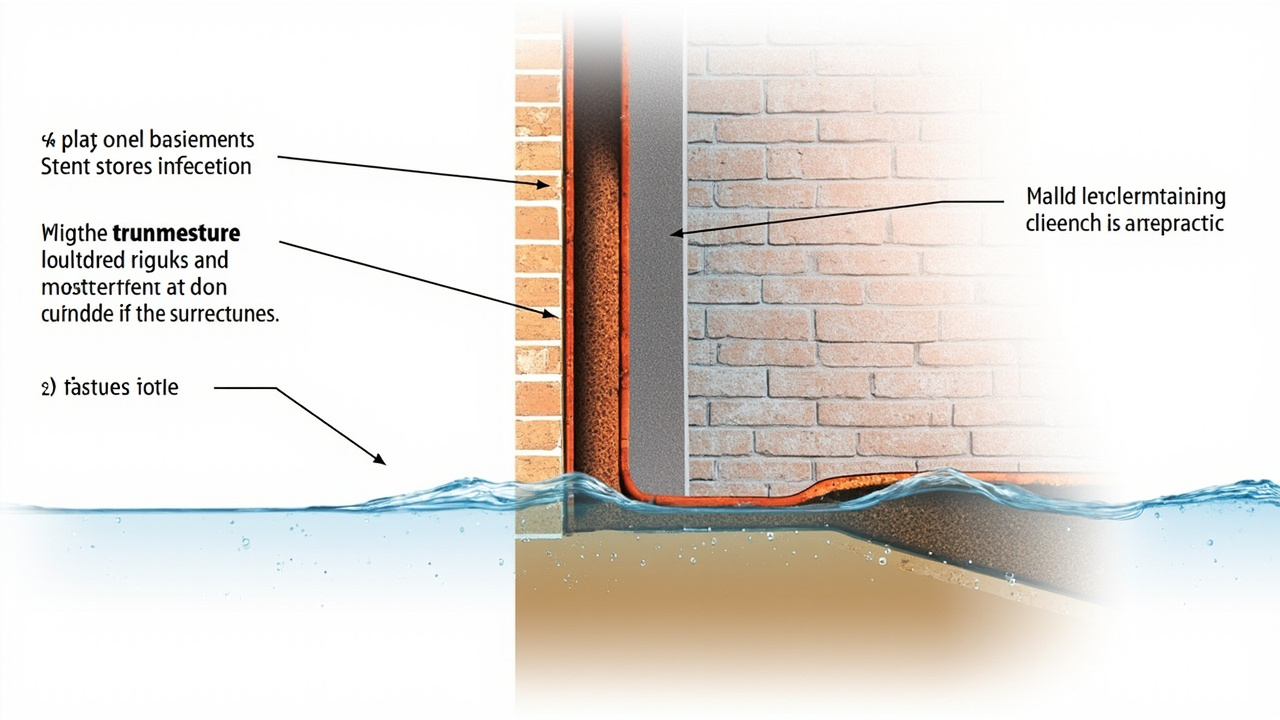
Chicago's freeze-thaw cycles create the perfect storm for moisture swollen baseboards. When temperatures swing from 15 degrees in January to 85 in July, your foundation expands and contracts. Small cracks appear. Snowmelt finds its way into your basement. Spring storms dump inches of rain in hours. Water pools against your foundation and seeps through hairline cracks you cannot see.

The homes in Lincoln Park, Lakeview, and Logan Square were built between 1890 and 1940. Many still have the original plaster walls and wood trim. These materials absorb water like a sponge. When moisture reaches your baseboards, the damage happens fast.

Expanded MDF trim is particularly vulnerable. MDF is compressed wood fiber held together with resin. When water touches it, the material swells to twice its original thickness. The smooth surface becomes rough and crumbly. Paint peels away in sheets. The baseboard loses structural integrity and pulls away from the wall.

Warped baseboard molding tells you water has been present for days or weeks. The wood fibers absorb moisture and expand. The baseboard curves away from the wall. Gaps appear at the seams. You see daylight between the trim and the floor.

Bloated wood trim is a symptom, not the disease. The real problem is the water source. Until you find and fix where the moisture enters your home, replacing the baseboards is pointless. The new trim will swell just like the old material.

Water damaged baseboards often indicate a larger problem behind your walls.

Why Chicago Homes Are Vulnerable to Water Damaged Baseboards
How We Diagnose and Repair Moisture Swollen Baseboards

How We Diagnose and Repair Moisture Swollen Baseboards

Most contractors see swollen baseboards and immediately quote you for replacement trim. They rip out the damaged material, install new boards, and leave. Three months later, the new baseboards are swollen again because nobody fixed the water source.

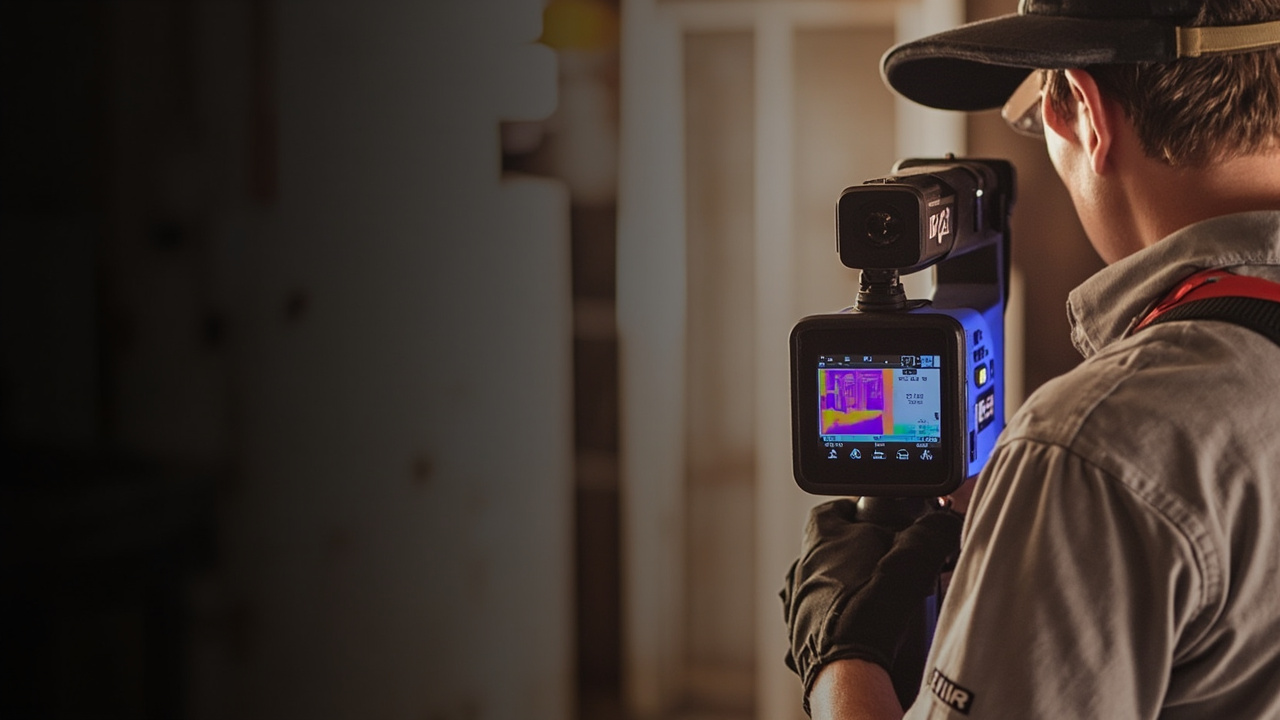
Cornerstone Water Damage Restoration Chicago approaches this differently. We use thermal imaging cameras to scan your walls for temperature differentials. Wet insulation and drywall show up as cool spots on the infrared display. We trace the moisture pattern back to its entry point.

We use pin-type and pinless moisture meters to measure water content in your walls, subfloor, and trim. Wood should register below 15 percent moisture content. When we see readings above 20 percent, we know active water intrusion is happening. Readings above 30 percent indicate saturation and likely mold growth behind the baseboard.

Once we identify the source, we address it. Common culprits in Chicago homes include failed sump pumps, cracked foundation walls, leaking supply lines, and condensation from poor ventilation. We fix the plumbing. We seal the foundation crack with polyurethane injection. We install vapor barriers. We improve drainage around your foundation perimeter.

Only after we eliminate the moisture source do we remove the damaged baseboards. We cut away water damaged drywall behind the trim. We treat the studs and subfloor with antimicrobial agents if mold is present. We install moisture-resistant drywall in areas prone to humidity.

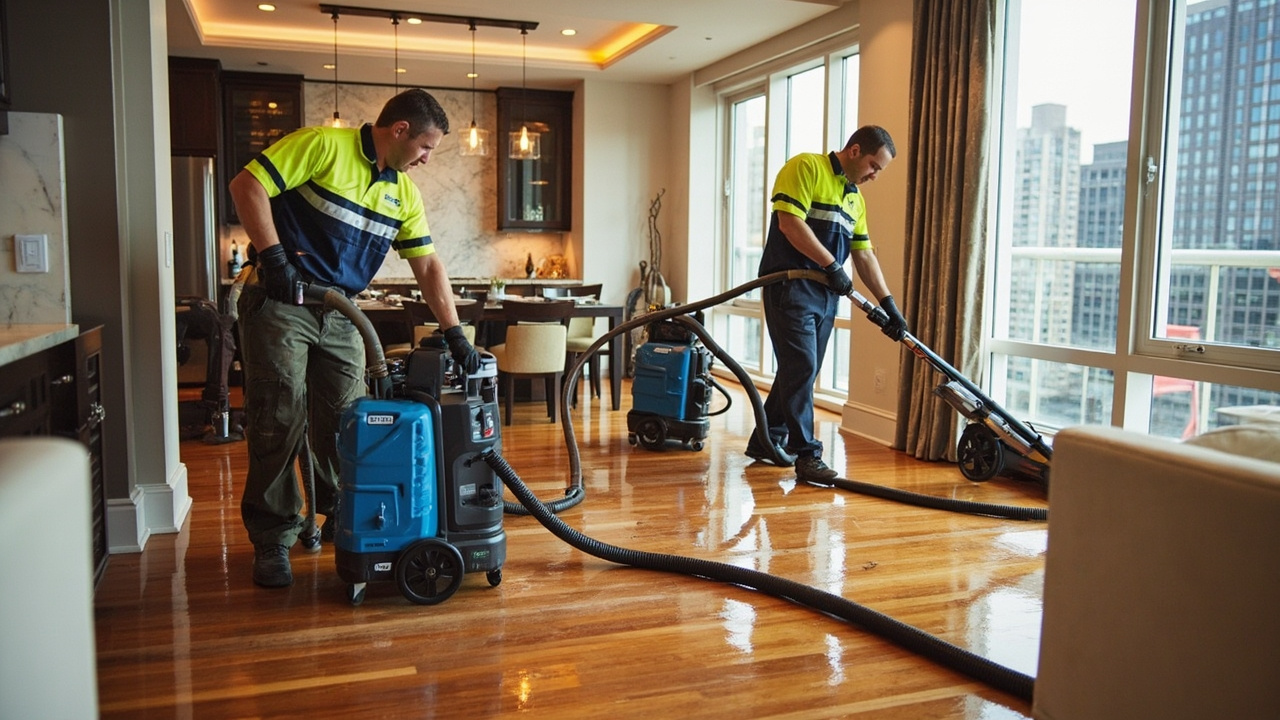
We dry the space with commercial dehumidifiers and air movers until moisture readings return to normal. This takes three to five days depending on saturation levels. Rushing this step guarantees future problems.

We install new baseboards using moisture-resistant materials appropriate for the location. In basements and bathrooms, we use PVC or composite trim that will not absorb water.

What Happens During Your Baseboard Water Damage Restoration

Swollen Baseboards & Trim in Chicago – Expert Diagnosis and Permanent Water Damage Solutions
01

Source Identification and Testing

We arrive with thermal imaging equipment and moisture detection tools. Our technician scans your walls to map the water intrusion pattern. We measure moisture content at multiple points behind the swollen baseboards. We trace the water back to its origin, whether that is a foundation crack, leaking pipe, or condensation problem. You receive photos and moisture readings documenting the extent of damage before any work begins.
02

Water Elimination and Drying

We fix the water source first. This might involve sealing foundation cracks, repairing plumbing, or improving drainage. We remove damaged baseboards and cut away saturated drywall. We place industrial dehumidifiers and air movers to dry the wall cavities and subfloor. We monitor moisture levels daily until readings drop below 15 percent. We treat affected areas with antimicrobial solutions if mold spores are present during testing.
03

Restoration and Protection

Once the area is completely dry, we install moisture-resistant drywall and new baseboards. We use materials appropriate for the moisture risk level in each location. We seal all penetrations and apply water-resistant primer before final paint. We provide you with moisture meter readings confirming the space is dry. You receive documentation of all repairs for insurance purposes and future reference if you sell your home.

Why Chicago Homeowners Choose Us for Baseboard Water Damage

Chicago has thousands of contractors who will replace your baseboards. Few understand how to permanently solve the water intrusion problem causing the damage.

We have worked in Chicago neighborhoods for years. We know the foundation types common in Wicker Park bungalows built in 1920. We understand how the clay soil in Albany Park shifts during wet seasons and cracks basement walls. We have seen how the old cast iron drain pipes in Pilsen homes corrode and leak behind walls.

This local knowledge matters. When we see bloated wood trim in a Logan Square greystone, we check the limestone foundation for crumbling mortar joints. When we find expanded MDF trim in a Rogers Park condo, we inspect the building envelope for window flashing failures common in 1970s construction.

We are IICRC certified in water damage restoration. This means we follow established protocols for moisture detection, drying, and remediation. We document everything with photos and moisture readings. Your insurance company receives detailed reports that support your claim.

We work directly with your insurance adjuster. We know what documentation they need. We provide moisture maps, scope of work, and detailed estimates in the format adjusters expect. This speeds up your claim approval and gets your home restored faster.

Our equipment is commercial grade. We use the same thermal cameras and moisture meters that forensic building consultants rely on. Our dehumidifiers pull 150 pints per day. Our air movers create the airflow patterns needed to dry wall cavities in three days instead of three weeks.

We communicate clearly. You receive daily updates during the drying process. We explain what we find and why each step is necessary. You understand exactly what is happening in your home.

What to Expect When You Call Us About Swollen Baseboards

Response Time and Scheduling

We answer your call within minutes, not hours. For active water intrusion, we arrive the same day. For non-emergency situations like slowly expanding baseboards, we schedule your inspection within 24 hours. Our technician arrives in a marked vehicle with all diagnostic equipment. The initial inspection takes 45 to 90 minutes depending on the size of the affected area. You receive a written assessment before we leave, including photos, moisture readings, and a preliminary scope of work.

Inspection and Moisture Assessment

Our technician uses thermal imaging to scan your walls for hidden moisture. We take moisture readings at floor level, mid-wall, and ceiling to understand how far the water has traveled. We inspect your basement, crawl space, or slab foundation to identify the entry point. We check your plumbing supply lines and drain pipes for leaks. We examine your exterior grading and drainage. You receive a detailed report mapping the moisture intrusion pattern and identifying the source. This assessment forms the basis for all repair work.

Quality of Completed Work

We do not consider the job complete until moisture readings confirm the area is dry. We install baseboards that match your existing trim profiles. We use moisture-resistant materials in high-risk areas like basements and bathrooms. Our finish carpenters caulk all seams and apply water-resistant primer before final paint. The completed work looks seamless. You cannot tell where the old trim ended and new material began. We provide before and after photos documenting the transformation.

Documentation and Prevention

You receive a comprehensive report including all moisture readings, photos of the damage, and documentation of repairs performed. We provide recommendations for preventing future water intrusion. This might include improving exterior drainage, installing a sump pump, or upgrading basement waterproofing. We explain what warning signs to watch for. We offer annual moisture inspections to catch problems before they cause visible damage. All documentation is stored digitally and available if you need it for insurance or home sale purposes.

Frequently Asked Questions

You Have Questions,
We Have Answers

How to fix a swollen baseboard? +

First, identify and fix the water source. Dry the area completely using fans and dehumidifiers. If the baseboard is solid wood, remove it, let it dry for several days, then sand and reinstall if it returns to shape. MDF or composite baseboards cannot be saved once swollen. You must replace them. In Chicago homes, basement moisture and winter condensation cause most baseboard swelling. After replacement, seal joints and apply paint or primer to prevent future water absorption. If swelling is widespread, you likely have a hidden leak or drainage issue that needs professional attention.

What is the 7 rule for baseboards? +

The 7 rule means baseboards should be roughly seven percent of the wall height. For standard eight-foot ceilings in Chicago bungalows and two-flats, use baseboards around five to seven inches tall. Ten-foot ceilings need seven to eight-inch baseboards. Taller baseboards create visual weight and suit historic Chicago homes with original trim. Shorter baseboards look modern but can feel cheap in period properties. The rule balances proportion and room scale. If you have water damage, match the original baseboard height during replacement to maintain the room's architectural integrity and resale value.

Why do baseboards swell? +

Baseboards swell when they absorb water. Wood and MDF are porous materials that expand when moisture penetrates the surface. Common causes include leaking pipes, basement seepage, appliance failures, or condensation. In Chicago, freeze-thaw cycles crack foundations, pushing groundwater into basements. Poorly graded yards direct rainwater toward foundations. Humid summers without proper ventilation trap moisture indoors. Once water contacts unfinished or damaged baseboard surfaces, the material swells, paint cracks, and mold can grow. Swelling indicates active water intrusion. Fix the source immediately to prevent structural damage and mold colonization behind walls.

How to tell if baseboard has water damage? +

Look for visible swelling, buckling, or warping along the baseboard face. Check for soft spots by pressing gently. Peeling or bubbling paint signals moisture underneath. Discoloration, dark stains, or waterlines indicate past or present water contact. Smell for musty odors, which suggest hidden mold growth. In Chicago basements, check where baseboards meet concrete floors. Use a moisture meter to detect elevated readings above 15 percent. Pull back carpet edges to inspect the bottom of baseboards. If you see any of these signs, remove a section to check for mold and rot behind the trim.

What is the average cost to replace baseboards? +

Baseboard replacement costs vary by material, labor, and extent of damage. Budget wood baseboards run three to five dollars per linear foot installed. MDF costs slightly less but does not hold up in moisture-prone areas. Solid hardwood or primed finger-joint pine costs more. In Chicago, expect higher labor rates and potential mold remediation costs if water damage is widespread. Total project costs depend on room size and whether drywall or flooring also needs repair. Always address the underlying water source first, or you will replace baseboards repeatedly. Get multiple quotes and verify contractors carry proper insurance.

How to shrink swollen wood? +

You cannot reliably shrink swollen wood back to its original state. Once wood fibers absorb water and expand, they often do not return to their exact shape. For solid wood, remove the piece, dry it in a warm, low-humidity space for several days, then sand down raised areas. This works only if swelling is minor. MDF and particleboard cannot be saved. They crumble when wet. In Chicago, high humidity delays drying. Use dehumidifiers and fans to speed the process. If the wood remains warped or cracked after drying, replace it. Painting or sealing dried wood prevents future swelling.

What is the new trend for baseboards? +

Taller baseboards with minimal detailing are trending. Clean, simple profiles suit modern and transitional interiors. Five to eight-inch heights are common, moving away from short three-inch contractor-grade trim. Paint colors now include dark charcoal, black, and deep navy for contrast against white walls. Some Chicago homeowners restore original tall baseboards in vintage homes rather than replacing them with modern styles. Seamless looks using the same color for walls and trim create continuity. These trends do not matter if you have water damage. Fix the moisture issue first, then match your existing trim or upgrade during repairs.

What are common baseboard installation mistakes? +

Common mistakes include improper caulking, which traps moisture and causes swelling. Installers often skip priming or sealing raw edges before installation. Failing to leave expansion gaps at corners causes buckling. Using finish nails that are too short leads to loose trim. Not treating the wall surface for mold before installing new baseboards spreads contamination. In Chicago basements, installing wood or MDF directly against damp concrete guarantees failure. Use PVC or treated materials in moisture-prone areas. Never install baseboards before confirming the subfloor and wall are completely dry. Skipping these steps wastes money and repeats the damage cycle.

What is the trim trend for 2025? +

Expect continuation of simple, tall baseboards in 2025. Profiles remain streamlined, avoiding heavy Victorian ornamentation. Color blocking continues, with bold trim colors contrasting light walls. White remains popular but expect more warm whites and off-whites. PVC and moisture-resistant materials gain ground in basements and bathrooms. Chicago homeowners restoring older homes favor historically accurate profiles over modern minimalism. Sustainability trends push reclaimed wood options. If you face water damage repairs, choose durable materials suited to Chicago humidity and freeze-thaw cycles rather than chasing design trends. Function and moisture resistance matter more than aesthetics in compromised spaces.

Will a swollen wood floor go back to normal? +

Solid hardwood floors sometimes return to normal after drying, but results vary. If water sat briefly and you dry the floor quickly, minor cupping may flatten. Prolonged exposure causes permanent warping, cracking, and cupping. Engineered wood and laminate do not recover. They delaminate and must be replaced. In Chicago, basement floods and pipe bursts cause the worst damage. Use commercial dehumidifiers and air movers immediately. Monitor moisture levels with a meter. Even if floors flatten, hidden subfloor damage and mold remain risks. Always inspect underneath. If floors stay warped after two weeks of drying, replacement is necessary.

How Chicago's Lake Effect Humidity Damages Baseboards Year-Round

Chicago sits on Lake Michigan, creating humidity levels that swing wildly throughout the year. Summer months bring 70 to 80 percent relative humidity into your basement and crawl spaces. This moisture condenses on cool foundation walls and soaks into wood trim. Winter heating systems dry the air to 20 percent humidity, causing wood to contract and crack. These expansion and contraction cycles stress your baseboards and create gaps where water can enter. Homes within three miles of the lake experience more severe moisture problems than properties farther inland. The constant humidity exposure means warped baseboard molding and expanded MDF trim appear faster in Chicago than in drier climates.

Chicago building codes require proper foundation drainage and waterproofing in new construction. However, most Chicago homes were built before these codes existed. Older neighborhoods like Bridgeport, Bronzeville, and Ukrainian Village have homes with limestone foundations that absorb water. These properties need experienced contractors who understand historical building methods and materials. We work throughout Cook County and know the specific challenges in each neighborhood. We understand how clay soil affects foundation movement. We know which areas flood during heavy rain. This local expertise means we identify and fix the root cause of your moisture swollen baseboards, not just the visible symptoms.
Water Damage Restoration Services in The Chicago Area

Cornerstone proudly serves the entire Chicago area with fast, dependable water damage restoration services. Whether you’re located in downtown, the suburbs, or surrounding neighborhoods, we’re ready to respond to your call—day or night. Use the map below to see our local service coverage and find our nearest team. With mobile units throughout the city, help is never far away. If you’re facing water damage, reach out now and let us show you why homeowners and businesses choose Cornerstone.

Address:
Cornerstone Water Damage Restoration Chicago, 171 N Aberdeen St, Chicago, IL, 60607

Additional Services We Offer

Our news updates

Latest Articles & News from The Blogs

High Humidity and Mold Growth in Chicago Summers What Homeowners Need to Know Your basement smells musty. Your bathroom mirror…

Why high humidity in the Chicago summer makes water damage worse in Calumet Heights

High Humidity and Mold Growth in Chicago Summers What Homeowners Need to Know Your basement smells musty. Your bathroom mirror…

Managing water damage restoration in the high-end luxury builds of the Near North Side

Luxury Home Water Damage Restoration in Chicago's Near North Side A burst pipe at 2 AM in your Gold Coast…

How we use thermal imaging to find hidden leaks in West Ridge homes

Expert Infrared Leak Detection in Chicago Homes and Businesses A hidden pipe leak can destroy your property long before you…

Contact Us

Water damaged baseboards indicate active moisture intrusion happening right now. Every day you wait, the damage spreads deeper into your walls. Call Cornerstone Water Damage Restoration Chicago at (872) 266-1616 for same-day inspection and permanent solutions.