



menu

Emergency Sump Pump Failure Cleanup in Chicago – 24/7 Response Stops Basement Flooding Fast

Cornerstone Water Damage Restoration Chicago responds in under 60 minutes to sump pump failures across Chicagoland, extracting standing water, preventing mold growth, and restoring your basement before secondary damage destroys your foundation, belongings, and air quality.

Slider Image 1
Slider Image 2
Slider Image 3
Slider Image 4
Slider Image 5
Slider Image 7
Slider Image 8
Slider Image 9
Slider Image 10
Slider Image 11

Why Sump Pump Failures Flood Chicago Basements Without Warning

Your sump pump just stopped working. Water is rising in your basement. You are watching years of belongings, finished drywall, and structural integrity disappear under murky water.

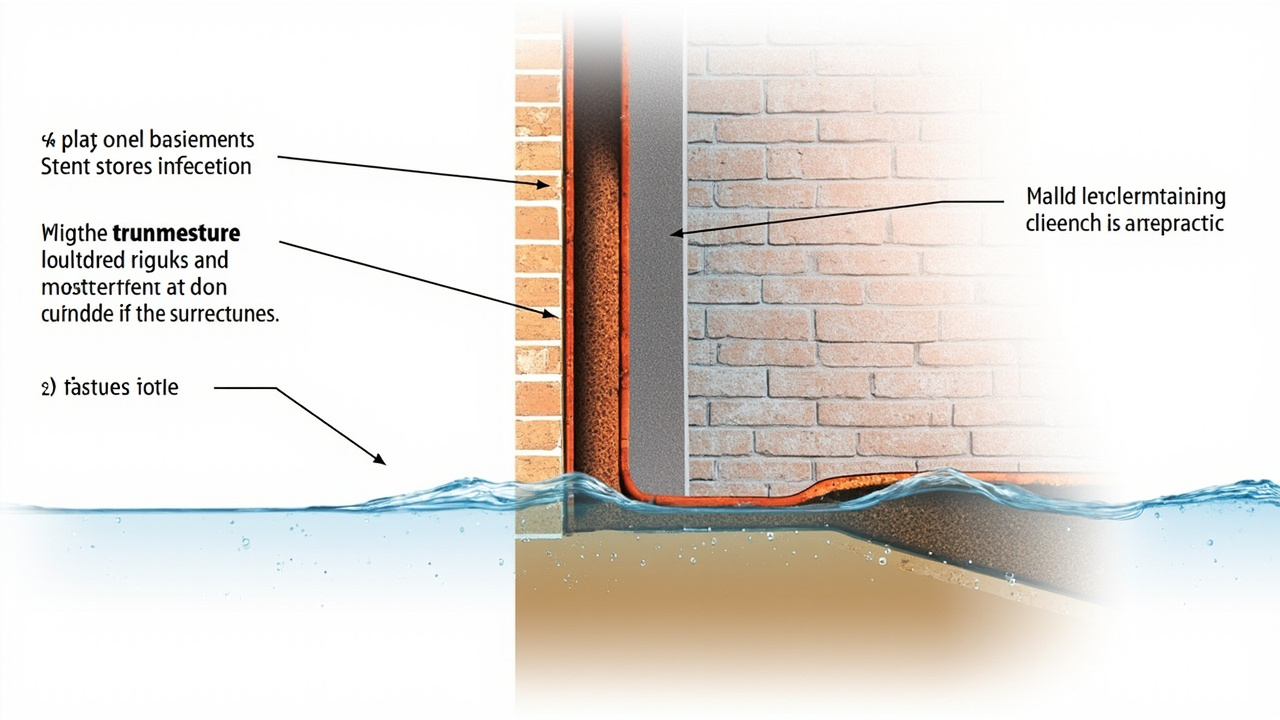
Chicago's volatile weather patterns make sump pump failures catastrophic. Spring snowmelt combines with heavy Lake Michigan moisture to create hydrostatic pressure that overwhelms drainage systems. When power outages hit during severe storms, backup systems fail. Clay soil common throughout Cook County expands when saturated, pushing groundwater directly into foundation cracks. Your sump pump is the only barrier between your basement and complete flooding.

Sump pump overflow cleanup is not something you can wait on. Every hour of standing water accelerates mold colonization. Porous materials like drywall, insulation, and subflooring absorb contaminants. Category 2 or Category 3 water introduces bacteria and sewage into your living space. The waterline you see is just the surface problem. Moisture wicks upward through capillary action, spreading through wall cavities you cannot see.

Broken sump pump water damage restoration requires immediate professional intervention. You need emergency sump pump cleanup services that understand Chicago's unique flooding triggers. Delayed response turns a mechanical failure into a structural crisis. Basements in neighborhoods like Lincoln Park, Lakeview, and Rogers Park flood fast because of proximity to the lake and aging infrastructure. Sump pump backup water removal must happen now, not tomorrow.

Your home is under attack. The clock is running.

Why Sump Pump Failures Flood Chicago Basements Without Warning
How We Execute Sump Pump Failure Water Extraction in Chicago

How We Execute Sump Pump Failure Water Extraction in Chicago

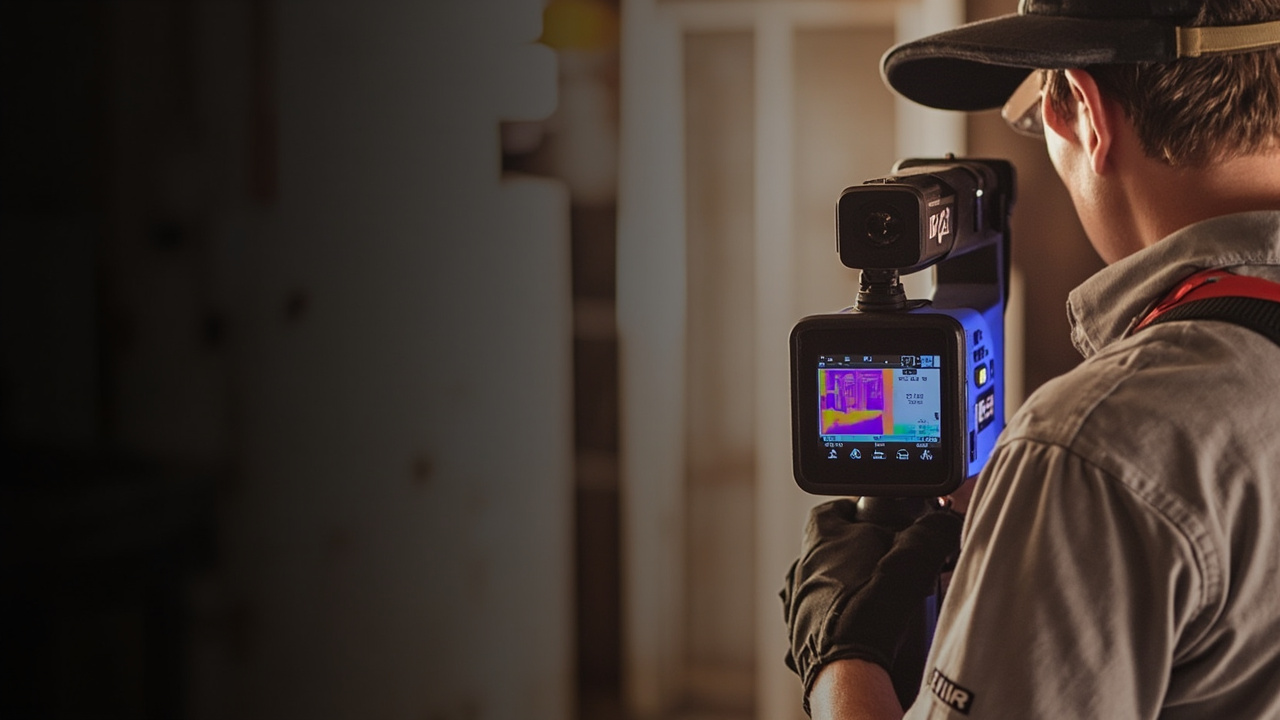
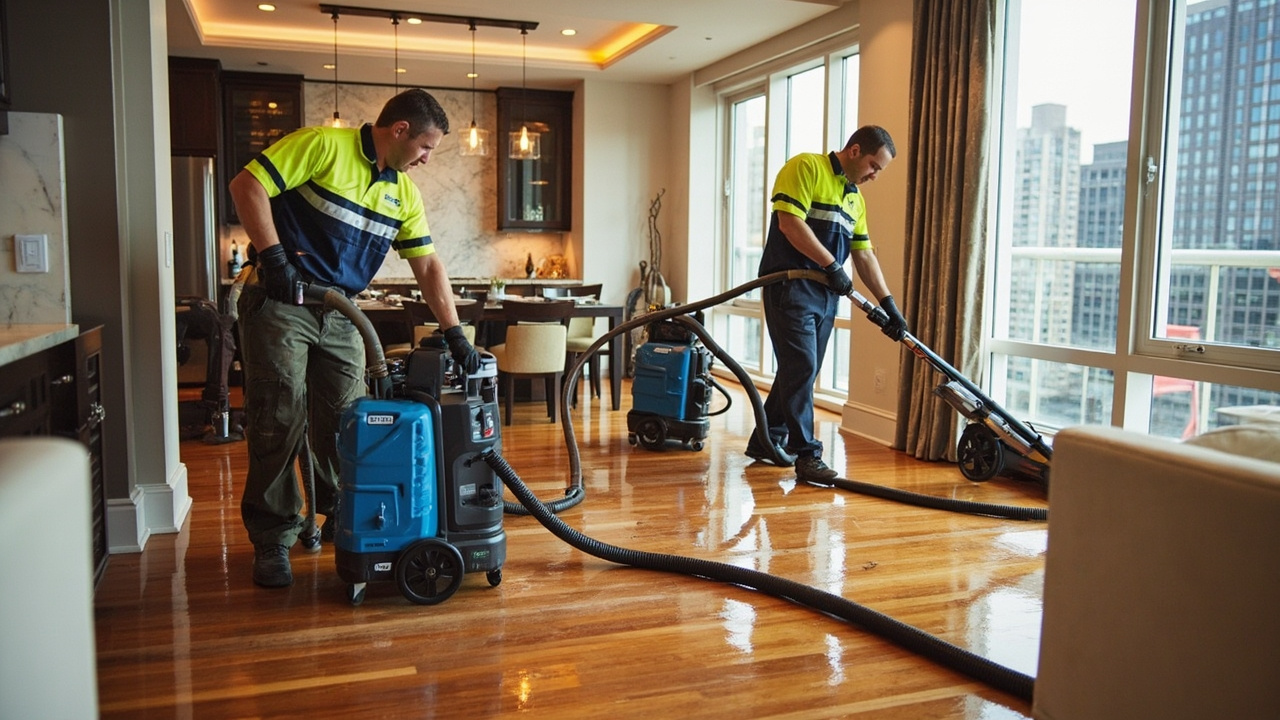
We do not show up with a shop vacuum and hope for the best. Cornerstone Water Damage Restoration Chicago deploys truck-mounted extraction units capable of removing thousands of gallons per hour. Our technicians arrive with thermal imaging cameras to map moisture penetration behind walls and under flooring. We identify the failure point in your sump system, whether it is a stuck float switch, clogged discharge line, or complete motor burnout.

Sump pump failure water extraction starts with containment. We isolate affected zones to prevent cross-contamination into dry areas of your home. Our submersible pumps handle standing water first. Then we deploy industrial air movers and commercial dehumidifiers calibrated to your basement's cubic footage and ambient humidity levels. We monitor grain depression in real time using psychrometric calculations, not guesswork.

We remove saturated materials that cannot be salvaged. Wet insulation loses R-value permanently. Drywall exposed to contaminated water harbors microbial growth even after drying. We document everything for your insurance claim with moisture readings, photographic evidence, and detailed scope notes. Chicago's building codes require specific ventilation and egress standards for finished basements. We restore to code, not just to cosmetic appearance.

Our sump pump overflow cleanup process includes disinfection with EPA-registered antimicrobials. We treat all surfaces contacted by floodwater. We do not mask odors with deodorizers. We eliminate the source. Our hydroxyl generators and HEPA air scrubbers remove airborne contaminants and volatile organic compounds released during water damage events.

You get a restored basement, not a patched-up disaster waiting to fail again.

What Happens During Emergency Sump Pump Cleanup

Emergency Sump Pump Failure Cleanup in Chicago – 24/7 Response Stops Basement Flooding Fast
01

Immediate Water Extraction

We arrive with truck-mounted pumps and portable extraction units within 60 minutes of your call. Our team removes standing water first to stop ongoing damage. We use thermal imaging to locate hidden water pockets in wall cavities and under flooring. Every minute of standing water increases restoration costs. We extract fast, then assess the full scope of moisture intrusion across your basement.
02

Structural Drying and Monitoring

We position commercial dehumidifiers and high-velocity air movers to create controlled evaporation. Our technicians take daily moisture readings in floors, walls, and structural framing using penetrating and non-invasive meters. We adjust equipment placement based on drying progress. Chicago's humidity fluctuates wildly between seasons. We account for ambient conditions and calculate precise drying times using psychrometric data, not estimates.
03

Restoration and Prevention

Once all materials reach equilibrium moisture content, we begin reconstruction. We replace damaged drywall, insulation, and flooring with materials suited to below-grade environments. We recommend sump pump upgrades, battery backup systems, and water alarms to prevent future failures. You receive a detailed moisture map and restoration report for your records and insurance provider. Your basement is dry, safe, and protected.

Why Chicago Homeowners Choose Cornerstone for Sump Pump Failures

You need a team that understands Chicago's flooding reality. We have restored basements in every neighborhood, from vintage brownstones in Wicker Park to mid-century ranches in Edison Park. We know how Lake Michigan weather patterns create sudden sump pump overloads. We know Cook County's clay soil composition and how it drives hydrostatic pressure. We know Chicago's building codes for basement egress, ventilation, and moisture barriers.

Our technicians hold IICRC certifications in Water Damage Restoration and Applied Structural Drying. We do not send undertrained crews to learn on your property. We follow science-based drying protocols developed by the Institute of Inspection, Cleaning and Restoration Certification. We use calibrated equipment, not rental store fans. We document moisture levels with the same rigor insurance adjusters demand.

We work directly with your insurance carrier. We know what documentation they require for sump pump failure claims. We provide detailed estimates, moisture logs, and photographic evidence. We handle the paperwork so you can focus on your family, not fighting with your adjuster. Most claims are approved when proper documentation supports the scope of work.

Cornerstone Water Damage Restoration Chicago is locally owned. We live in the same neighborhoods we serve. We respond faster because we are already here. We understand the urgency because we have seen what delayed cleanup does to Chicago basements. Spring flooding, summer storms, and winter freeze-thaw cycles create constant sump pump stress. When yours fails, we are ready.

You get experience, speed, and results. Not excuses.

What to Expect During Sump Pump Failure Cleanup

Rapid Emergency Response

We answer your call 24 hours a day, 365 days a year. Our dispatch team routes the nearest crew to your location immediately. Most Chicago-area properties receive on-site response within 60 minutes. We do not wait until morning. We do not tell you to call back during business hours. Sump pump failures happen during storms, at night, and on weekends. We are available when you need us, not when it is convenient. Our trucks carry everything needed to begin extraction on arrival.

Thorough Damage Assessment

Our lead technician conducts a complete moisture survey of your basement and adjacent areas. We use thermal imaging cameras to detect hidden water migration. We test moisture levels in flooring, walls, and structural components using calibrated meters. We identify the sump pump failure cause and explain what happened in plain language. You receive a written scope of work that outlines every step of the restoration process, including expected timelines and equipment needs. We answer every question before we start work.

Complete Structural Restoration

Your basement returns to pre-loss condition or better. We replace damaged materials with appropriate below-grade products. We do not reinstall the same materials that just failed. We use mold-resistant drywall, closed-cell insulation, and moisture-tolerant flooring. We match existing finishes and textures. You get a basement that looks right and performs better. Our work meets Chicago building codes for habitability, egress, and moisture control. We do not cut corners to close jobs faster.

Ongoing Support and Prevention

We provide recommendations to prevent future sump pump failures. This includes backup battery systems, secondary pumps, high-water alarms, and maintenance schedules. We educate you on warning signs that indicate pump stress or impending failure. We remain available for follow-up questions after the project closes. If you experience any issues related to our restoration work, we address them immediately. You are not abandoned once the check clears. We build relationships, not transaction counts.

Frequently Asked Questions

You Have Questions,
We Have Answers

How to clean up after sump pump failure? +

Shut off power to your basement immediately to prevent electrical hazards. Remove standing water using a wet-dry vacuum or submersible pump if safe. Move furniture, boxes, and valuables to dry areas. Document all damage with photos for insurance claims. Remove wet carpets, padding, and drywall that absorbed water. Use fans and dehumidifiers to dry the space within 24 to 48 hours to prevent mold growth. Chicago's high humidity makes fast action critical. Call a certified water damage restoration company to handle structural drying, sanitization, and hidden moisture behind walls or under flooring.

How much does it cost to have a sump pump cleaned? +

Routine sump pump maintenance typically costs between $150 and $250 in the Chicago area. This includes cleaning the sump pit, checking the float switch, testing the discharge line, and inspecting the backup battery system. However, if your pump has already failed and caused flooding, cleanup costs rise dramatically depending on water volume and damage extent. Professional water extraction, structural drying, and mold prevention can range significantly based on square footage affected and materials damaged. Get multiple quotes and verify technicians have IICRC certification for proper restoration work.

What to do when a sump pump fails? +

Turn off electricity to the basement at your breaker panel to avoid electrocution risk. Stop the water source if possible and remove standing water quickly. Contact your insurance company immediately to report the claim and document all damage with photos and video. If your pump failed during heavy Chicago rain or snowmelt, check if your discharge line froze or clogged. Do not attempt DIY repairs if water is deep or mixed with sewage. Call a 24/7 emergency water damage restoration service to extract water, dry structures, and assess pump replacement needs before secondary damage occurs.

How do you clean sludge out of a sump pump? +

Unplug the pump and remove it from the sump pit. Rinse the exterior with a garden hose outdoors. Disassemble the pump housing according to manufacturer instructions. Use a stiff brush or scraper to remove compacted sludge, dirt, and debris from the impeller, intake screen, and float mechanism. Flush components with clean water. Check the discharge line for sediment buildup that reduces flow. For heavy sludge accumulation common in Chicago clay soil areas, consider replacing the pump if internal components show corrosion or wear. Reinstall only after the pit is cleaned and tested.

Can I put a chlorine tablet in my sump pump? +

No. Chlorine tablets are not safe for sump pumps and can corrode metal components, damage seals, and create toxic fumes in enclosed basement spaces. While bleach or chlorine might seem like a mold prevention solution, they harm your pump's mechanics and void warranties. Instead, clean your sump pit regularly with a vinegar-water solution or specialty sump pump cleaners. If you smell mildew or see algae growth in the pit, address the root cause with better drainage or a sealed lid. For persistent odor or bacterial concerns, consult a water damage professional familiar with Chicago basement conditions.

How long does it take for mold to grow after flooding? +

Mold can begin growing within 24 to 48 hours after flooding in Chicago's humid climate. Spores need only moisture, organic material like drywall or wood, and temperatures above 40 degrees to colonize. Basements with poor ventilation accelerate growth. Visible mold often appears within three to five days, but hidden mold behind walls or under flooring starts sooner. This narrow window makes immediate water extraction and structural drying critical. Use commercial dehumidifiers and air movers to drop humidity below 60 percent. If water sat longer than 48 hours, professional mold remediation is often necessary.

What is the most common reason for sump pump failure? +

Power outages during severe storms cause most sump pump failures in Chicago. When electricity cuts off, your primary pump stops working just when you need it most during heavy rain or rapid snowmelt. This is why battery backup systems are essential for Chicago basements. Other common causes include stuck or tangled float switches, clogged discharge lines from ice or debris, pump motor burnout from age, and overwhelmed capacity during extreme weather events. Regular testing every three months and annual professional inspections catch these issues before they cause basement flooding and thousands in water damage.

Does insurance cover sump pump failure? +

Standard homeowners insurance typically does not cover sump pump failure or resulting water damage. You need a separate sump pump failure endorsement or water backup coverage added to your policy. This rider usually costs $50 to $200 annually and covers damage from pump malfunction, power failure, or mechanical breakdown. Some policies exclude coverage if the pump was not properly maintained. Review your policy details before Chicago's spring thaw or storm season. If your pump failed due to a covered peril like fire damaging electrical systems, your base policy might apply. Always file claims promptly and document everything thoroughly.

What is the typical lifespan of a sump pump? +

Most sump pumps last seven to ten years with proper maintenance. However, Chicago basements that experience frequent cycling during spring rains or heavy snow melts may wear pumps faster. Pedestal pumps tend to outlast submersible models but are noisier. Pumps running constantly due to high water tables or poor drainage fail sooner. Cast iron components last longer than plastic. Replace your pump proactively if it runs continuously, makes grinding noises, or shows rust and corrosion. Do not wait for complete failure during a storm. Keep installation and maintenance records to track pump age and performance patterns.

What is the #1 cause of pump failure? +

Lack of regular maintenance causes most pump failures. Homeowners forget to test their pumps until disaster strikes. Debris, silt, and sediment accumulate in the sump pit and clog intake screens or jam float switches. Chicago clay soil contributes heavy sediment loads. Pump motors burn out from continuous operation without breaks or ventilation. Frozen or blocked discharge lines prevent water from exiting, causing pumps to overheat and fail. Power outages during storms disable pumps without battery backups. Test your pump quarterly by pouring water into the pit and verifying proper operation before severe weather hits the Chicago area.

How Chicago's Clay Soil and Lake Effect Weather Cause Sump Pump Overload

Chicago sits on expansive clay soil that retains water and creates extreme hydrostatic pressure during wet seasons. When snow melts or heavy rains saturate the ground, water has nowhere to go except against your foundation. Lake Michigan generates localized weather systems that dump inches of rain in short periods, overwhelming drainage infrastructure built decades ago. Sump pumps in neighborhoods near the lake, like Edgewater and Rogers Park, run constantly during spring. Power outages from severe storms knock out pumps at the exact moment water volume peaks. Your sump system faces conditions it was never designed to handle.

Cornerstone Water Damage Restoration Chicago operates exclusively in Cook County. We understand local building codes, basement construction methods, and flood risk zones. We have restored properties in every ward of the city. We know which neighborhoods experience chronic sump pump failures due to aging infrastructure and poor drainage. We work with local plumbers, electricians, and structural engineers when complex repairs are needed. Choosing a local restoration company means faster response, better results, and accountability. We are part of your community, not a national franchise sending crews from another state.
Water Damage Restoration Services in The Chicago Area

Cornerstone proudly serves the entire Chicago area with fast, dependable water damage restoration services. Whether you’re located in downtown, the suburbs, or surrounding neighborhoods, we’re ready to respond to your call—day or night. Use the map below to see our local service coverage and find our nearest team. With mobile units throughout the city, help is never far away. If you’re facing water damage, reach out now and let us show you why homeowners and businesses choose Cornerstone.

Address:
Cornerstone Water Damage Restoration Chicago, 171 N Aberdeen St, Chicago, IL, 60607

Additional Services We Offer

Our news updates

Latest Articles & News from The Blogs

High Humidity and Mold Growth in Chicago Summers What Homeowners Need to Know Your basement smells musty. Your bathroom mirror…

Why high humidity in the Chicago summer makes water damage worse in Calumet Heights

High Humidity and Mold Growth in Chicago Summers What Homeowners Need to Know Your basement smells musty. Your bathroom mirror…

Managing water damage restoration in the high-end luxury builds of the Near North Side

Luxury Home Water Damage Restoration in Chicago's Near North Side A burst pipe at 2 AM in your Gold Coast…

How we use thermal imaging to find hidden leaks in West Ridge homes

Expert Infrared Leak Detection in Chicago Homes and Businesses A hidden pipe leak can destroy your property long before you…

Contact Us

Your sump pump failed. Water is rising. Call Cornerstone Water Damage Restoration Chicago now at (872) 266-1616. We dispatch crews immediately, extract standing water, and prevent mold growth. Do not wait. Every minute increases damage and cost. We are available 24/7.