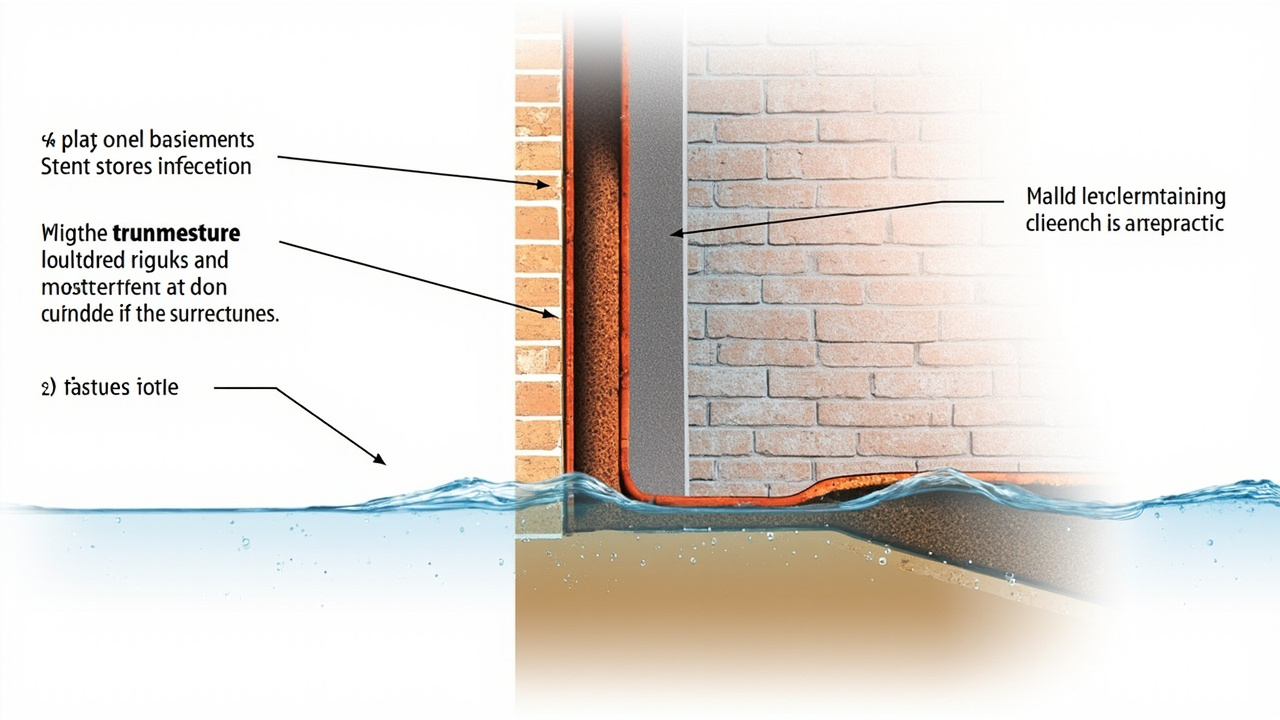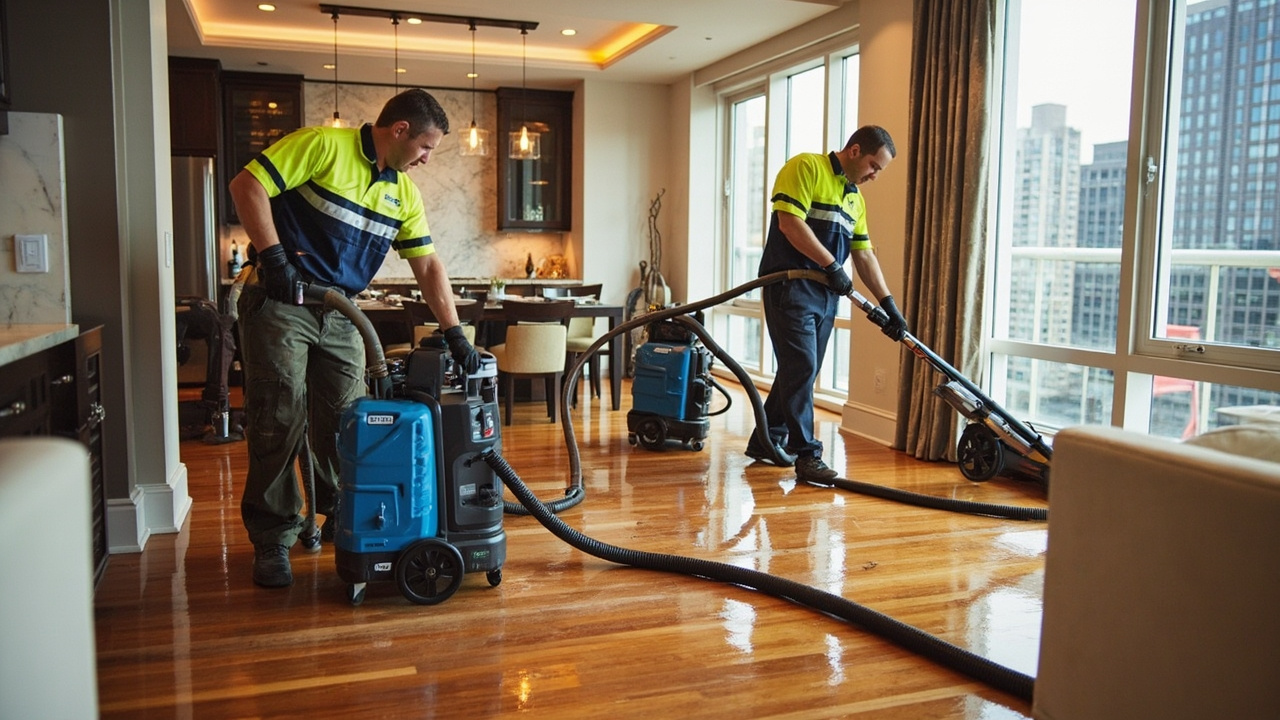






Chicago sits on heavy clay soil with poor drainage and a high water table near the lakefront and in low-lying neighborhoods like Bridgeport and Canaryville. Clay expands when wet and shrinks when dry, creating foundation movement that cracks basement walls. Spring snowmelt and summer storms push groundwater against foundations faster than soil can absorb it. Hydrostatic pressure forces water through foundation cracks and up through floor drains. That makes structural drying services more complex than in other cities. You cannot just dry the surface. You need to address ongoing groundwater infiltration while drying saturated concrete and framing. Professional structural dehumidification services include vapor barriers and drainage solutions to prevent reoccurrence.
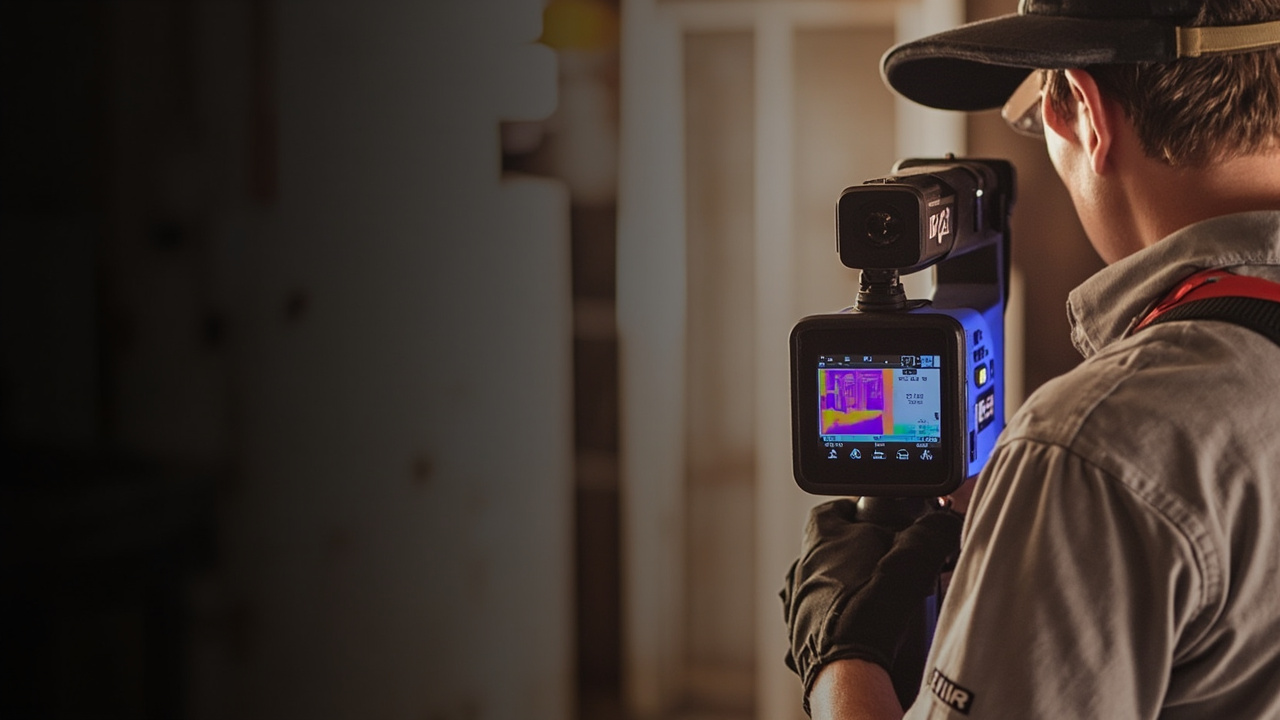
Chicago enforces strict building codes for water damage restoration through the Department of Buildings. Any structural drying project that involves removing drywall or altering framing requires permits and inspections in many cases. We work with city inspectors regularly and know which projects trigger permit requirements. Our technicians hold IICRC certifications in water damage restoration, the industry standard for insurance claims. We document everything using moisture meters and thermal cameras because Chicago insurance adjusters demand proof of proper drying. Local expertise matters when your claim depends on meeting city codes and insurance standards. You need rapid structural drying that satisfies both.