



menu

Storm Flooding Emergency Service in Chicago – 24/7 Response Teams Dispatched in Under 60 Minutes

When storm flooding strikes your Chicago property, our emergency water extraction crews arrive fast with industrial pumps and thermal imaging to stop structural damage before it spreads. Storm flooding emergency service means immediate action, not appointments.

Slider Image 1
Slider Image 2
Slider Image 3
Slider Image 4
Slider Image 5
Slider Image 7
Slider Image 8
Slider Image 9
Slider Image 10
Slider Image 11

Why Storm Flooding Hits Chicago Properties Harder Than You Think

Chicago sits in a flat basin along Lake Michigan, where summer thunderstorms can dump three inches of rain in under an hour. The city's combined sewer system, designed in the 1800s, cannot handle these modern downpours. When the system overflows, sewage-contaminated floodwater backs up into basements across neighborhoods like Lincoln Park, Logan Square, and Hyde Park.

You notice water seeping through foundation cracks or bubbling up from floor drains. Within two hours, drywall wicks moisture three feet up the wall. Within 24 hours, mold spores colonize. Within 48 hours, structural wood begins to rot. Storm flooding does not wait for business hours.

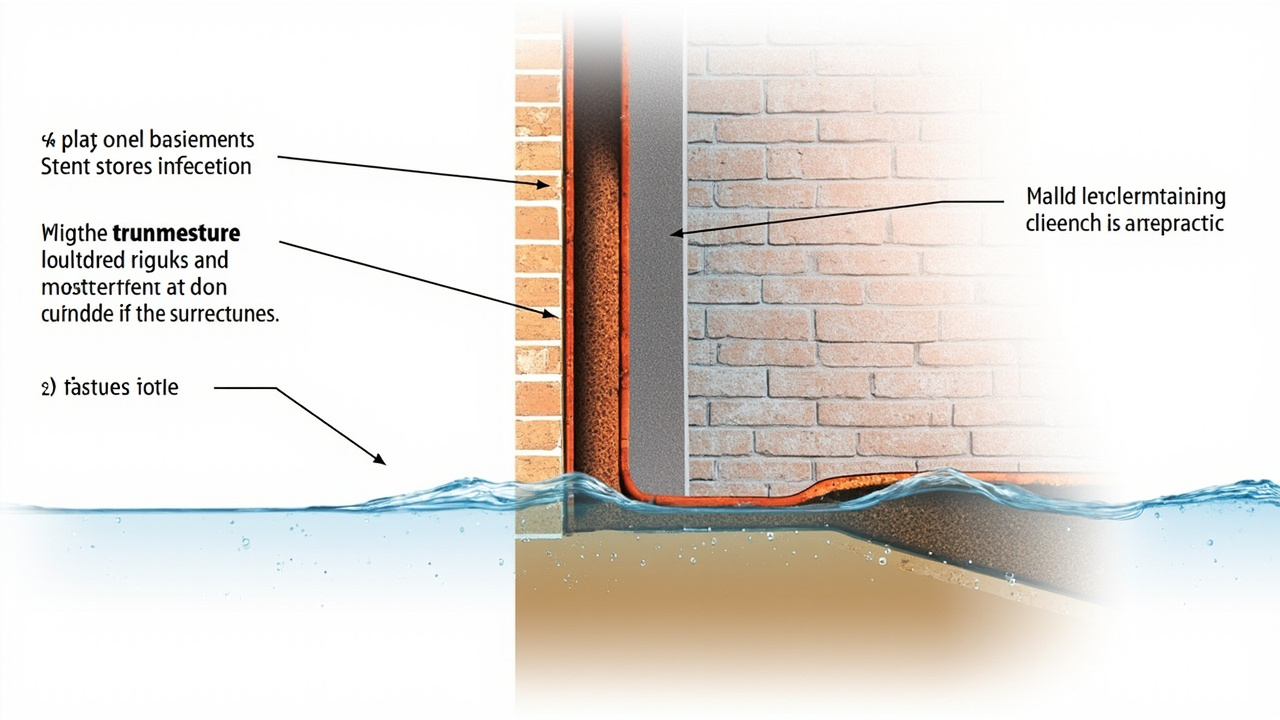
Chicago's freeze-thaw cycles make this worse. Foundation cracks from winter ice expansion become entry points for emergency storm damage restoration needs every spring. Clay-rich soil around Chicago holds water like a sponge, pushing hydrostatic pressure against your foundation during heavy rains.

When Lake Michigan water levels rise, as they did in 2019 and 2020, stormwater has nowhere to drain. It floods streets, overwhelms catch basins, and forces water into any opening it finds. Urgent flood cleanup services become critical because Chicago's topography creates localized flooding even blocks away from the lake.

Every minute you wait, water spreads deeper into subflooring, insulation, and wall cavities. Rapid storm water extraction is not about convenience. It is about stopping a cascading failure that turns a wet basement into a structural rebuild.

Why Storm Flooding Hits Chicago Properties Harder Than You Think
How Professional 24/7 Flood Water Removal Actually Works

How Professional 24/7 Flood Water Removal Actually Works

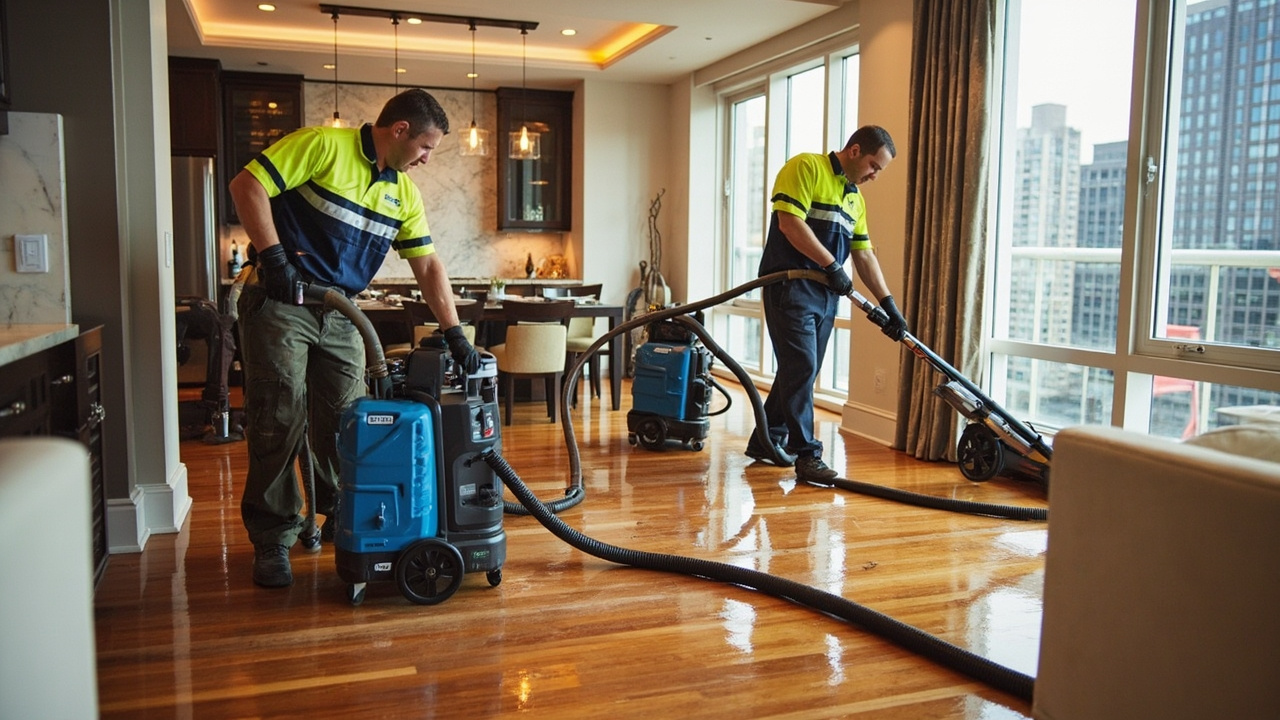
Emergency flood repair starts with extraction, not cleanup. We arrive with truck-mounted extractors that pull 200 gallons per minute, far beyond what shop vacuums or sump pumps can handle. Our teams assess water category first. Category 1 is clean supply line water. Category 2 is gray water from appliances. Category 3 is black water from sewage backups or river flooding, which requires biocide treatment and disposal protocols.

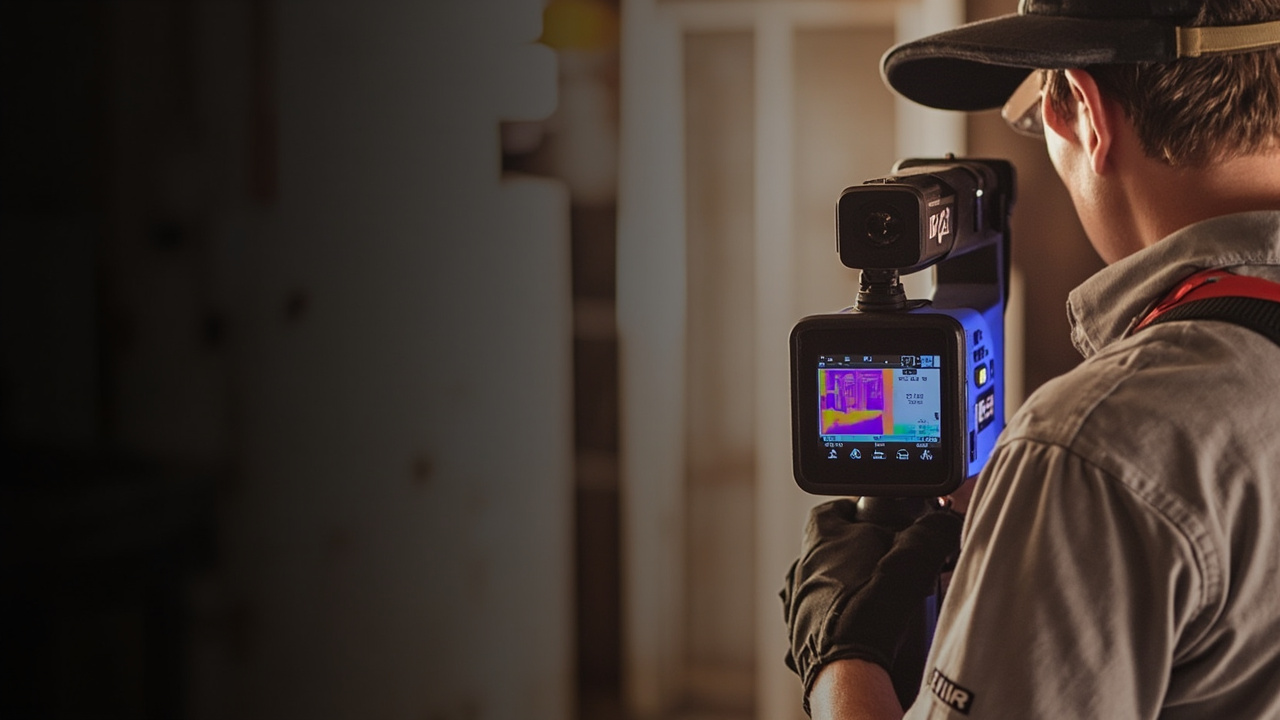
We use thermal imaging cameras to trace moisture migration inside walls and under flooring. Water follows electrical runs, HVAC chases, and insulation channels. You cannot see it, but we map it. This prevents hidden mold growth three weeks later when you think the problem is solved.

After extraction, we deploy commercial dehumidifiers and air movers in a controlled drying configuration. We are not blowing air randomly. We create negative air pressure to pull moisture out of materials while monitoring moisture content with pin and pinless meters. Drywall should read below 15 percent moisture content. Wood framing should drop below 19 percent. We document everything for your insurance adjuster.

Chicago building code requires proper ventilation and mold remediation protocols when water damage exceeds 10 square feet. We follow IICRC S500 standards for water damage restoration, which means controlled demolition of non-salvageable materials, antimicrobial application, and proper disposal.

We also handle the insurance paperwork. Most Chicago homeowners have HO-3 policies that cover sudden storm flooding but exclude groundwater seepage. We document the loss, photograph damage stages, and provide moisture readings your adjuster needs to approve the claim.

What Happens When You Call for Emergency Storm Flooding Help

Storm Flooding Emergency Service in Chicago – 24/7 Response Teams Dispatched in Under 60 Minutes
01

Immediate Dispatch and Assessment

You call our emergency line at (872) 266-1616, and we dispatch a crew immediately, not in the morning. Our technicians arrive with thermal cameras and moisture meters to assess water category, source, and spread. We identify immediate safety hazards like electrical contact or structural compromise. You get a verbal assessment and action plan within 15 minutes of our arrival.
02

Water Extraction and Containment

We deploy truck-mounted extractors and portable pumps to remove standing water, then set up containment barriers to prevent cross-contamination if sewage is involved. Air movers and dehumidifiers start immediately to halt moisture migration. We pull baseboards and drill weep holes in walls if needed to vent trapped water. This phase runs continuously until moisture levels stabilize.
03

Drying Verification and Restoration

We monitor moisture levels daily using calibrated meters and thermal imaging until all materials reach dry standards. Once verified, we begin reconstruction: replacing drywall, insulation, and flooring. We also treat affected areas with antimicrobial solutions to prevent mold. You receive a certificate of completion and moisture log for your insurance file. Your property is restored to pre-loss condition.

Why Chicago Properties Need Local Storm Flooding Experts

Storm flooding in Chicago is not the same as flooding in Phoenix or Miami. You need technicians who understand the city's combined sewer system, the role of the Deep Tunnel project, and how Lake Michigan water levels affect drainage. We know that Logan Square has older clay tile sewers prone to collapse. We know that neighborhoods near the North Branch of the Chicago River flood when the banks overtop during storms.

We also understand Chicago's patchwork of building codes. Properties built before 1950 have different foundation waterproofing standards than new construction. Vintage brick bungalows in Portage Park absorb water differently than concrete block buildings in Pilsen. Our crews adjust extraction and drying strategies based on your building's construction type and age.

Insurance claims in Chicago also require local knowledge. We work with adjusters from State Farm, Allstate, and Erie Insurance daily. We know what documentation they require and how to present losses to maximize your coverage. We also understand the difference between flood insurance under the National Flood Insurance Program and standard homeowner policies, which matters if you are in a flood zone near the Chicago River or Lake Michigan.

When you call Cornerstone Water Damage Restoration Chicago, you get technicians who live in these neighborhoods. We respond faster because we know the streets. We restore correctly because we understand the buildings. We handle your claim efficiently because we work with local adjusters every week. You are not getting a national franchise call center routing your emergency to the lowest bidder.

What to Expect When You Call for Storm Flooding Emergency Service

Response Time and Availability

We answer emergency calls 24 hours a day, seven days a week, including holidays. Our dispatch goal is wheels rolling within 20 minutes and on-site within 60 minutes for most Chicago neighborhoods. Storm flooding does not pause overnight, and neither do we. When you call, you speak to a live person who understands water damage, not an answering service reading a script. We prioritize life safety issues like electrical hazards or structural instability, then move to damage control. You will know exactly when we arrive and what we will do when we get there.

Initial Damage Assessment

Our first step on-site is a safety check and damage assessment. We use thermal imaging to trace water spread, moisture meters to measure saturation levels, and visual inspection to identify the source. We determine water category, which dictates the cleaning and disposal protocol. You receive a verbal summary of findings, a recommended action plan, and a written scope of work before we begin major extraction. We also photograph and document everything for your insurance claim, including moisture readings and affected materials.

Quality of Final Restoration

We do not leave your property torn apart. After water extraction and drying, we handle the reconstruction: drywall, flooring, painting, and trim work. We match existing finishes and materials whenever possible. All work meets Chicago building code and IICRC restoration standards. You receive a certificate of completion with final moisture readings that prove the structure is dry. Your home or business looks and functions exactly as it did before the storm flooding, with no lingering moisture or hidden mold risk.

Warranty and Follow-Up Monitoring

We stand behind our work with documentation you can trust. You receive a moisture log showing daily readings throughout the drying process, photos of the damage and restoration stages, and a certificate of completion. We also provide recommendations for preventing future flooding, like sump pump upgrades, backwater valve installation, or foundation crack sealing. If you notice any issues after we complete the job, we respond quickly to evaluate and address them. Your property is not just dry; it is restored correctly.

Frequently Asked Questions

You Have Questions,
We Have Answers

Do you call 911 if your house is flooding? +

Call 911 only if someone is injured, trapped, or in immediate danger. If your house is flooding but there is no life-threatening emergency, do not tie up emergency lines. Instead, shut off electricity at the breaker panel if you can do so safely, move to higher ground, and call a 24/7 water damage restoration company immediately. In Chicago, storm flooding can escalate fast due to aging infrastructure and overwhelmed storm drains. A professional crew can extract standing water, prevent mold, and start drying your home within hours.

How to apply for FEMA $750? +

FEMA does not offer a blanket $750 payment. That figure often refers to Serious Needs Assistance, a one-time grant for immediate expenses like food, water, or medicine after a federally declared disaster. To apply, register at DisasterAssistance.gov or call 800-621-3362 within 60 days of the disaster declaration. You will need proof of residency, insurance information, and documentation of damage. Approval is not automatic. Chicago residents must verify that their county is included in the federal disaster declaration before applying.

What are the emergency procedures for a flood? +

Shut off electricity at the main breaker if you can safely reach it. Turn off gas if you smell it or suspect a leak. Move family members and pets to an upper floor or evacuate if water is rising rapidly. Do not walk through standing water if electrical outlets or appliances are submerged. Grab important documents, medications, and valuables if time allows. Call a certified water damage restoration company immediately. In Chicago, storm flooding often overwhelms sewer systems, causing contaminated backups. Professional crews handle sewage cleanup and structural drying to prevent mold and structural damage.

Who to call if you have a flood? +

Call a 24/7 water damage restoration company first. They dispatch crews immediately to extract water, dry your property, and prevent mold. Then contact your homeowner's insurance to file a claim. Do not wait. In Chicago, storm flooding can saturate drywall and insulation within hours, leading to costly structural damage and mold growth. A professional restoration team documents damage for your insurer, stabilizes your property, and starts mitigation fast. If you suspect sewage or contaminated floodwater, do not attempt cleanup yourself. Certified technicians use proper equipment and safety protocols.

Who to call during a flood? +

Call a certified water damage restoration company immediately. They operate 24/7 and can arrive within hours to extract water, set up drying equipment, and prevent secondary damage like mold or wood rot. Then notify your insurance carrier to start a claim. In Chicago, flooding often involves storm surges that overwhelm basement sump pumps or aging sewer lines that back up. A professional crew assesses the source, extracts standing water, and dries structural materials using industrial dehumidifiers and air movers. Time is critical to limit damage and health risks.

Who to contact when there is a flood? +

Contact a 24/7 water damage restoration company first to stop ongoing damage. They extract water, dry your home, and document everything for insurance. Next, call your homeowner's insurance agent to file a claim. If the flood resulted from a federally declared disaster, register with FEMA at DisasterAssistance.gov. In Chicago, flooding often stems from heavy storms that overwhelm storm drains or sewer backups. A certified restoration crew handles contaminated water safely, removes damaged materials, and prevents mold growth. Do not delay. Every hour increases repair costs and health risks.

What is the average FEMA flood payout? +

There is no set FEMA flood payout. Assistance varies based on damage severity, insurance coverage, and household income. The average FEMA Individual and Households Program grant is typically a few thousand dollars, not full replacement value. FEMA grants cover essentials like temporary housing, home repairs, and personal property, but they do not replace insurance. Chicago homeowners must document all damage with photos and receipts. FEMA assistance is a last resort, not a primary funding source. Most flood damage requires private insurance or out-of-pocket payment.

Does FEMA give money for flood damage? +

Yes, FEMA provides limited financial assistance after a federally declared disaster, but it does not cover all flood damage. Assistance includes grants for temporary housing, home repairs, and essential personal property, but amounts are capped and tied to income and insurance coverage. FEMA does not replace homeowner's insurance. Chicago residents must apply within 60 days of the disaster declaration at DisasterAssistance.gov. Approval requires proof of residency, damage documentation, and insurance information. Flood insurance is separate and must be purchased before a flood occurs.

Who can help me with money urgently? +

For immediate flood damage expenses, contact your homeowner's insurance carrier first to advance claim funds. If the flood occurred during a federally declared disaster, apply for FEMA assistance at DisasterAssistance.gov for short-term grants. Local nonprofits like the American Red Cross or Salvation Army may offer emergency cash assistance for shelter, food, or medicine. In Chicago, some restoration companies work directly with insurance adjusters to expedite payment. Avoid predatory lenders. Document all damage with photos and receipts to support insurance claims and speed up reimbursement.

What to do if your house is flooding? +

Shut off electricity at the breaker panel if you can do so safely. Move to higher ground and evacuate if water is rising fast. Do not walk through standing water if electrical outlets or appliances are submerged. Call a 24/7 water damage restoration company immediately to extract water and start drying. In Chicago, storm flooding can saturate drywall and insulation within hours, causing mold and structural damage. Professional crews use industrial pumps, dehumidifiers, and air movers to stabilize your home. Then contact your insurance carrier to file a claim.

How Chicago's Combined Sewer System Creates Basement Flooding Emergencies

Chicago's sewer system combines stormwater runoff and sanitary sewage in the same pipes, a design dating back to the 1850s. During heavy rain, the system overflows and forces sewage-contaminated water back into basements through floor drains and toilets. The Metropolitan Water Reclamation District manages the Deep Tunnel system to relieve pressure, but summer storms still overwhelm capacity in older neighborhoods. This makes rapid storm water extraction critical because you are often dealing with Category 3 black water contamination, which requires biocide treatment and specialized disposal. Chicago properties need 24/7 flood water removal services that understand this unique infrastructure challenge and respond before sewage exposure creates health hazards.

Choosing a local emergency flood repair company means working with technicians who understand Chicago's building stock and insurance landscape. We know how the city's freeze-thaw cycles crack foundations, how Lake Michigan water levels affect drainage, and how to navigate claims with local adjusters who see storm flooding losses daily. We also understand Chicago's permit requirements for mold remediation and structural repairs, which means your restoration meets code and closes correctly with the city. National franchises route calls through distant call centers. We live and work in these neighborhoods, which means faster response, better local knowledge, and restoration done right the first time.
Water Damage Restoration Services in The Chicago Area

Cornerstone proudly serves the entire Chicago area with fast, dependable water damage restoration services. Whether you’re located in downtown, the suburbs, or surrounding neighborhoods, we’re ready to respond to your call—day or night. Use the map below to see our local service coverage and find our nearest team. With mobile units throughout the city, help is never far away. If you’re facing water damage, reach out now and let us show you why homeowners and businesses choose Cornerstone.

Address:
Cornerstone Water Damage Restoration Chicago, 171 N Aberdeen St, Chicago, IL, 60607

Additional Services We Offer

Our news updates

Latest Articles & News from The Blogs

High Humidity and Mold Growth in Chicago Summers What Homeowners Need to Know Your basement smells musty. Your bathroom mirror…

Why high humidity in the Chicago summer makes water damage worse in Calumet Heights

High Humidity and Mold Growth in Chicago Summers What Homeowners Need to Know Your basement smells musty. Your bathroom mirror…

Managing water damage restoration in the high-end luxury builds of the Near North Side

Luxury Home Water Damage Restoration in Chicago's Near North Side A burst pipe at 2 AM in your Gold Coast…

How we use thermal imaging to find hidden leaks in West Ridge homes

Expert Infrared Leak Detection in Chicago Homes and Businesses A hidden pipe leak can destroy your property long before you…

Contact Us

Every minute you wait, water spreads deeper into your property. Our emergency crews are standing by 24/7 to extract water, stop damage, and begin drying your Chicago home or business. Call (872) 266-1616 now for immediate dispatch.