
Storm Damage Restoration in Rogers Park, Chicago – 24/7 Emergency Service
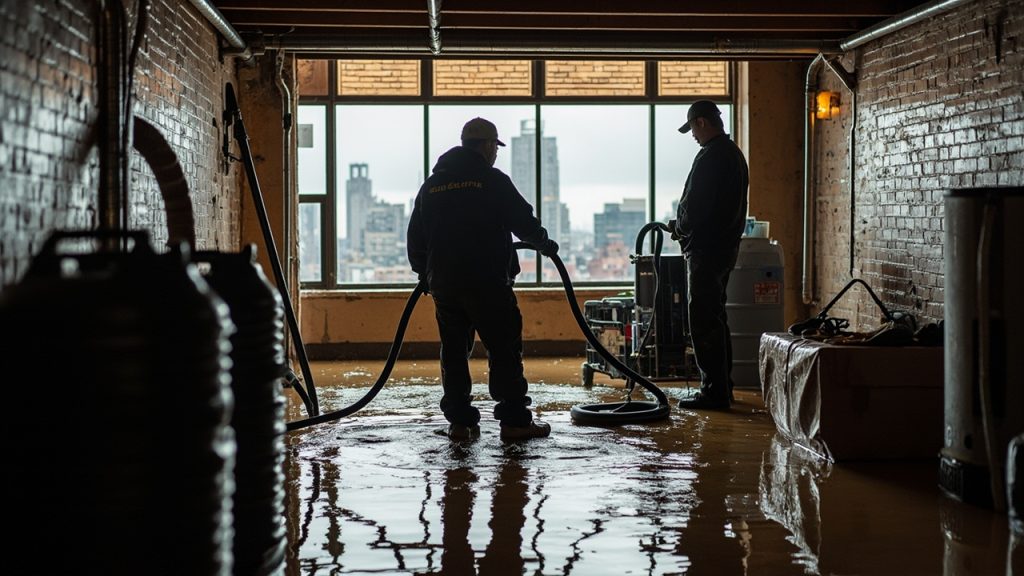
Your home in Rogers Park just took a direct hit from lake-effect wind and heavy rain. Water is pooling in your basement. The roof is leaking onto your vintage plaster ceiling. You need someone on the scene within the hour, not tomorrow.
Storm damage moves fast in Rogers Park. The neighborhood sits on the Far North Side of Chicago, just minutes from Lake Michigan. That proximity means lake-effect storms hit harder here than they do in Lincoln Park or Logan Square. Wind velocities off the water accelerate through Sheridan Road and Clark Street. Basement water tables rise faster when storms dump inches of rain in minutes. Old brick bungalows and historic three-flats that line the streets from Jarvis Square to Pratt Beach were never designed for this intensity of water pressure.
Cornerstone Water Damage Restoration arrives in Rogers Park within 45 minutes of your call. We bring extraction equipment, dehumidifiers, air movers, and structural drying expertise. We know this neighborhood’s vulnerabilities because we have worked here for 15 years. We understand Chicago Building Code requirements for the 60626 and 60645 zip codes. We work directly with your insurance company to reduce your stress during the crisis.
Why Rogers Park Experiences Severe Storm Damage
Rogers Park’s location creates a storm vulnerability that other Chicago neighborhoods do not share. The proximity to Lake Michigan generates unique weather patterns. Spring and summer bring lake-effect storms with wind gusts exceeding 60 miles per hour. Winter brings lake effect snow that melts rapidly, overwhelming drainage systems and basement sump pumps.
The soil conditions add another layer of risk. Rogers Park sits on Chicago Blue Clay, a dense soil composition that holds water rather than draining it. The water table near the lake is already high. When a major storm drops 2 to 4 inches of rain in a short period, the ground becomes saturated. Hydrostatic pressure builds against your basement foundation walls. Even small cracks in limestone foundations allow water to seep in.
The buildings in Rogers Park tell another story. Historic brick bungalows with unfinished basements were common construction here in the early 1900s. These homes lack modern waterproofing membranes. Three-flats and two-flats with shared foundation walls create additional complexity. High-rise condos near the lake have internal plumbing systems that are prone to failure during pressure surges. Roof design on older properties often relies on aging flashing and sealants that deteriorate over time.
Add aging infrastructure to this mix. Rogers Park’s combined sewer system dates back decades. During intense storms, the sanitary and stormwater systems can back up into basements. The city’s Deep Tunnel Project (TARP) helps, but it cannot prevent every overflow. Sump pumps fail during power grid strain or when they become overwhelmed by water volume.
Immediate Response for Rogers Park Residents
When you call Cornerstone for storm damage in Rogers Park, we treat your situation as an emergency. We maintain a 24/7 dispatch center. A technician heads to your address within minutes of your call. Most properties in the 60626 and 60645 zip codes see our team arrive within 45 minutes.
The first 48 hours after storm damage are critical. Water sits in walls and under flooring. Mold begins to develop. The longer water remains, the greater the structural damage. We move fast because speed saves your property.
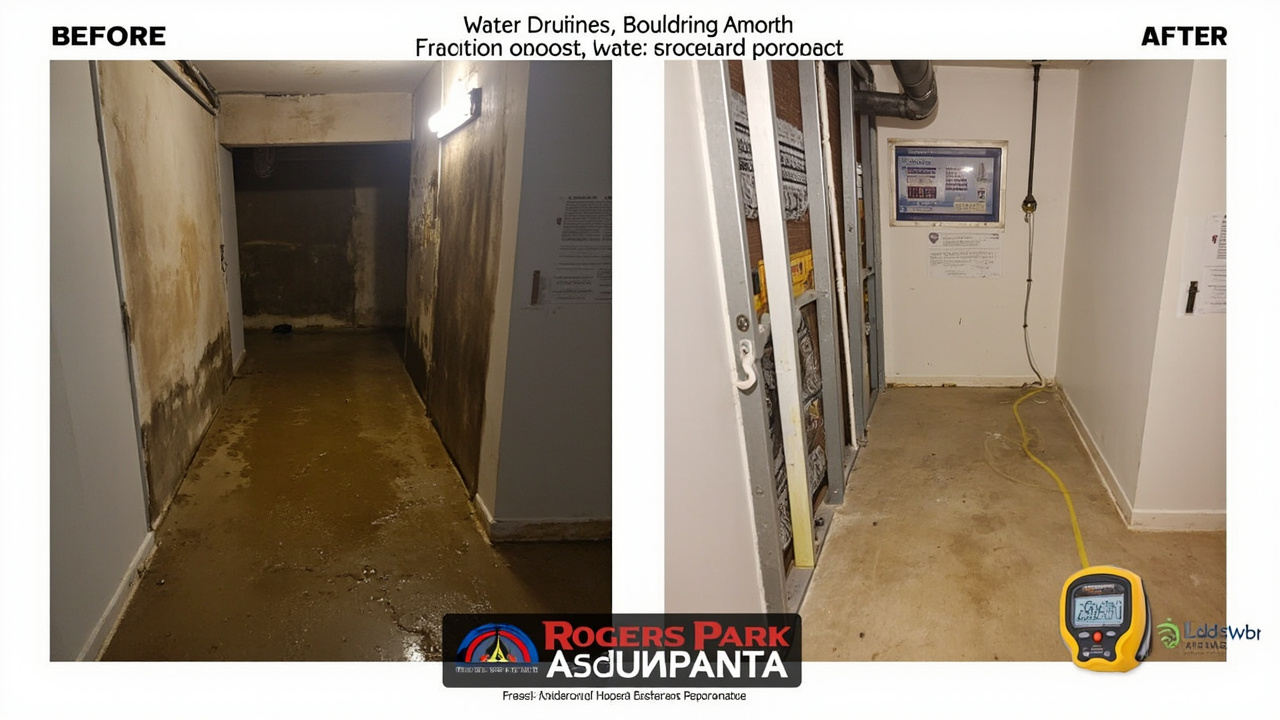
Our technicians carry equipment on every truck. Powerful submersible pumps extract standing water from basements. High-velocity air movers and industrial dehumidifiers begin the drying process immediately. We assess roof damage and deploy emergency tarping to prevent additional water intrusion. We place moisture meters in walls and under flooring to monitor the drying timeline.
We also document everything for your insurance claim. We photograph damage from multiple angles. We create a detailed timeline of the work we perform. We provide you with written estimates before starting restoration. You have full visibility into the process and the costs.
Our Comprehensive Storm Recovery Process
Storm restoration in Rogers Park follows a structured sequence. Each step builds on the previous one. Skipping steps or rushing the process leads to hidden moisture, mold growth, and long-term structural problems.
| Phase | Timeline | Key Actions |
| Emergency Mitigation | Hours 1-6 | Water extraction, emergency roof tarping, stabilization of structure |
| Water Removal | Hours 6-24 | Submersible pumping, carpet extraction, dehumidification setup |
| Drying Phase | Days 2-7 | Continuous monitoring, air movement, humidity reduction, wall drying |
| Inspection and Mold Assessment | Day 7 | Moisture readings, mold growth detection, structural integrity assessment |
| Restoration and Repair | Days 8-30 | Drywall replacement, flooring repair, roof repair, painting, final inspection |
Phase one focuses on stopping additional water intrusion and removing standing water. We identify entry points. We pump basements and crawl spaces. We place tarps over roof damage. We stabilize the structure. This phase can take 6 to 12 hours depending on water volume and property size.
Phase two is continuous extraction and dehumidification. We remove water from carpets and padding. We open walls in specific locations to allow internal drying. We place air movers to force moisture out of building materials. Dehumidifiers run around the clock to pull moisture from the air. This phase typically runs 5 to 7 days.
Phase three involves detailed moisture measurement. We use moisture meters to verify that drywall, framing, and subfloor have returned to normal levels. We inspect for mold growth. We test air quality if mold is suspected. This is the quality control checkpoint.
Phase four is reconstruction. We replace damaged drywall, flooring, and roofing materials. We repaint. We restore your home to pre-loss condition. This phase depends on the scope of damage but typically runs 10 to 30 days.
Lake Michigan Wind Damage and Roof Tarping in Rogers Park
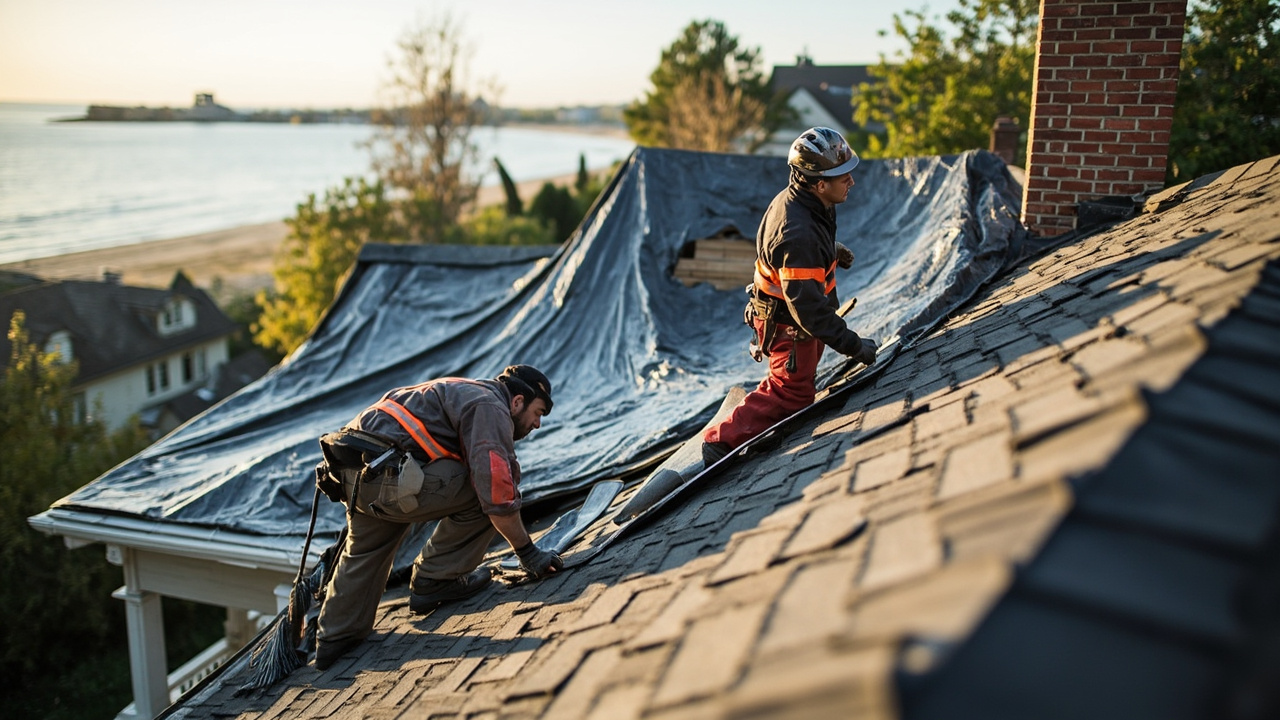
Roofs suffer the most visible damage in Rogers Park storms. Wind coming off Lake Michigan reaches your home on Sheridan Road with force. Asphalt shingles tear free. Flashing separates from valleys. Gutters rip away. Water pours into attics and down interior walls.
Emergency roof tarping stops this water intrusion within hours. Our crews arrive with heavy-duty tarps, plywood, and fastening systems. We cover damaged areas securely. We ensure rain cannot enter during the repair timeline. A temporary tarp protects your property while you work with roofing contractors and insurance adjusters.
We also deploy emergency board-up services for broken windows and damaged exterior walls. Wind often shatters windows facing the lake. Open windows allow wind to enter and pressurize your interior. Additional damage accelerates. We board windows and secure exterior openings.
Attic water damage requires immediate attention. Water running into the attic soaks insulation, structural framing, and wiring. Attic water damage cleanup must include proper ventilation and drying to prevent rot and mold colonization.
Basement Flooding and Water Extraction in Rogers Park
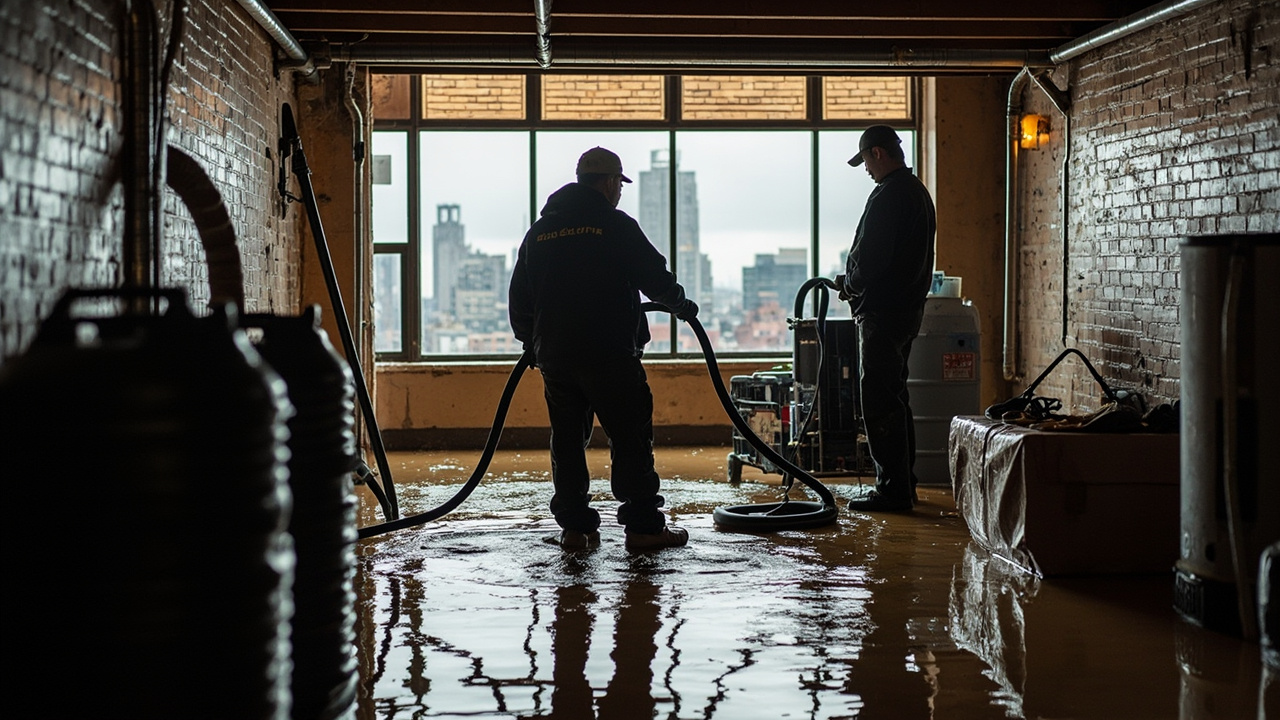
Basement flooding is the most common storm damage we address in Rogers Park. The combination of high water tables, clay soil, and lake-effect storms creates perfect conditions for rapid basement flooding. A single storm can put 3 to 6 feet of water in an unfinished basement within minutes.
Water extraction begins immediately. We deploy multiple submersible pumps rated for high-volume extraction. These pumps move hundreds of gallons per minute out of your basement and away from the foundation. We also pump standing water from crawl spaces and sub-basements.
After pumping, we extract residual water from carpets, concrete, and structural materials. We remove wet drywall if water saturation exceeds recovery thresholds. We document all removed materials for your insurance claim.
Basement drying requires sustained effort. Concrete and framing materials hold water deep within their structure. We run dehumidifiers in the basement continuously for 5 to 10 days. We position air movers to create circulation patterns that force moist air upward and out of the space. We monitor humidity levels daily. Only when moisture readings return to normal do we stop equipment operation.
Basement flood cleanup in Rogers Park often involves sump pump failure assessment. Sump pumps are the last line of defense against water entry during storms. If your sump pump failed, we investigate why. Did the power go out? Did the pump become overwhelmed? Is the check valve stuck? Understanding the failure mode helps you prevent future damage.
Handling Lake Michigan Related Flood Damage
Rogers Park’s proximity to Lake Michigan creates a specific flooding risk that inland neighborhoods like West Loop or Logan Square do not face. Lake Michigan’s water level rises during storms. Persistent east and northeast winds push water toward shore. Properties near Pratt Beach or along Sheridan Road can experience direct surge flooding from the lake itself.
This type of flooding differs from typical storm drainage backup. Lake water carries sediment, debris, and sometimes contamination. The water volume can be massive and arrive suddenly. Properties can be flooded for extended periods if lake levels remain high.
We assess all flooded basements and crawl spaces for contamination. If lake water entered the structure, we follow strict cleanup protocols. We sanitize all affected surfaces. We remove contaminated insulation. We dry structural materials thoroughly to prevent mold growth from pathogens introduced by lake water.
We also evaluate whether your foundation needs supplemental waterproofing after lake-related damage. If you experienced direct lake surge, your foundation system was tested at its limits. We can recommend interior or exterior waterproofing upgrades to provide additional protection for future storms. Check our basement waterproofing guide for preventative strategies.
Sewer Backup Restoration for Rogers Park Residents
Heavy storms in Rogers Park can trigger sewer backups. The city’s combined sewer system receives both stormwater and sanitary waste. During intense rainfall, the system becomes overloaded. Raw sewage backs up into basements through floor drains, toilets, and lowest-level fixtures.
Sewage backup is a serious health hazard. Sewage contains pathogens, parasites, and harmful bacteria. Raw sewage in your basement poses immediate risk to anyone in the home.
We respond to sewage backups with specialized emergency sewage cleanup protocols. We pump out the sewage. We dispose of it according to municipal regulations. We remove contaminated materials including drywall, insulation, and flooring. We sanitize all affected surfaces with hospital-grade disinfectants. We ensure the space is safe for occupancy.
After sewage cleanup, we perform structural drying. Sewage-contaminated water requires more aggressive drying timelines because pathogenic risk increases with exposure time. We may remove and replace drywall even if water levels were not extreme, to ensure all pathogens are eliminated.
Mold Remediation After Chicago Storms
Mold grows within 24 to 48 hours on water-damaged materials. Rogers Park’s high humidity during summer months accelerates mold colonization. You may see visible mold growth within days of a storm. More often, mold grows inside walls and under flooring where you cannot see it.
We perform mold assessment after water extraction and initial drying. If moisture readings are still elevated, mold is likely already present even if not visible. If visible mold is detected, we initiate containment and removal.
Mold remediation includes isolation of affected areas, removal of contaminated materials, thorough cleaning of remaining surfaces, and verification testing. We follow EPA and IICRC protocols to ensure complete remediation. For extensive mold contamination, we may recommend mold remediation and removal with professional air quality testing.
We also identify moisture sources that enabled mold growth. If your basement has recurring dampness, we discuss waterproofing options. If attic insulation holds moisture, we recommend replacement with properly ventilated alternatives. Addressing the root cause prevents mold from returning.
Structural Drying and Dehumidification
Effective drying requires understanding how water moves through building materials. Concrete, wood framing, and drywall absorb water deep into their matrix. Surface drying is not real drying. Interior moisture must be forced out.
We use specific equipment configurations for Rogers Park homes. In basements with poured concrete, we position air movers horizontally across the floor to create laminar airflow. In framed spaces with flooring, we place air movers at angles to move air under and around structural components. In attics, we focus airflow patterns to move moist air toward eaves and vents.
Dehumidifiers pull moisture from the air. As building materials release water vapor, dehumidifiers capture it and remove it from the space. We use moisture meters to track progress. When wood moisture readings drop below 20%, drying is nearing completion. When concrete readings drop below 3-4% surface moisture, structural drying is confirmed.
| Material Type | Target Moisture Level | Typical Drying Time |
| Wood Framing | 12-15% | 5-7 days |
| Drywall | 15-20% | 3-5 days |
| Concrete Slab | 3-4% surface | 7-14 days |
| Hardwood Flooring | 8-12% | 7-21 days |
| Insulation | Remove if saturated | N/A |
Structural drying in Rogers Park homes takes longer than in inland areas because humidity levels remain higher. We often need to run equipment for 10 to 14 days after basement flooding. During summer months with lake-effect humidity, drying may extend to 3 weeks for deep structural saturation.
Insurance Claim Coordination for Chicago Homeowners
Insurance claims add stress during an already stressful event. You must document damage, file a claim, communicate with adjusters, and get approval for repairs. We handle much of this burden on your behalf.
We provide detailed written estimates before starting work. We include material lists, labor timelines, and cost breakdowns. We photograph and document all damage with date and time stamps. We create a written timeline of water intrusion, mitigation, and restoration work.
We communicate directly with your insurance adjuster. We explain the damage scope and our remediation approach. We answer technical questions about moisture measurements and drying timelines. We ensure your insurance company understands why certain work is necessary. This direct communication often results in faster claim approval and higher reimbursement.
We also help you understand your coverage. We explain what your policy covers and what it does not. We identify any policy exclusions that might affect your claim. We recommend additional coverage options if gaps are identified. You make informed decisions about repair costs and out-of-pocket expenses.
Our work is often covered under the water damage provisions of homeowners policies. We work with State Farm, Allstate, Nationwide, and other major carriers in Rogers Park. We know their requirements and expectations. We deliver work that satisfies their standards and documentation needs.
Why Professional Restoration Beats DIY Cleanup
You might consider removing water yourself to save money. This is a mistake. Professional restoration protects your property and your health.
DIY cleanup leads to incomplete drying. You cannot reach moisture deep inside walls and under flooring. You lack professional-grade dehumidifiers and air movers. Moisture remains, enabling mold growth within days.
You also lack the safety equipment to handle contaminated water. If sewage backed up into your basement, handling it without protection exposes you to serious illness. Contaminated water, mold spores, and chemical hazards require professional-grade personal protective equipment.
Insurance companies recognize the risks of DIY cleanup. Many policies require professional mitigation to maintain coverage. If you attempt DIY cleanup and mold develops later, the insurance company may deny your claim, arguing that professional mitigation was required but not performed.
Professional restoration also protects your timeline. We work efficiently with proper equipment. Your home is back to normal in weeks, not months. You reduce the risk of secondary damage, extend your property’s lifespan, and maintain its market value.
Twenty-Four Hour Emergency Availability
Storms do not wait for business hours. They strike at midnight on a Tuesday or 3 AM on a Sunday. We maintain a 24/7 dispatch center. When you call, a live person answers. You do not reach voicemail or automated prompts during a crisis.
We maintain crews on call throughout the day and night. A technician is dispatched within minutes of your call. We are equipped to respond immediately to any water damage emergency in Rogers Park and surrounding Chicago neighborhoods including Evanston, Lincoln Park, Lakeview, and the broader North Shore.
Our fleet is fully stocked with extraction equipment, dehumidifiers, air movers, tarping materials, and safety gear. We do not need to return to the office for supplies. We arrive at your property ready to work.
Our Qualifications and Certifications
Cornerstone Water Damage Restoration employs IICRC-certified technicians. IICRC certification requires training in water damage mitigation, structural drying, mold assessment, and documentation. Our technicians pass rigorous examinations to earn and maintain certification.
We hold all required Chicago city licenses and permits. We are fully insured for property damage liability and worker compensation. Our crews follow Chicago Building Code requirements for restoration work, including lead and asbestos protocols for properties built before 1978.
We maintain current relationships with Chicago’s Department of Buildings and the Illinois Environmental Protection Agency. We stay informed of regulation changes and code updates. Your restoration work meets or exceeds all local and state requirements.
Serving Rogers Park and the North Side
Rogers Park is our local expertise zone. We understand the neighborhood’s specific vulnerabilities. We know the water table variations between Jarvis Square and Pratt Beach. We recognize the building types from historic brick bungalows to modern high-rise condos. We maintain rapid response times because we have established routes and local familiarity.
We also serve surrounding North Side neighborhoods. Properties in Lincoln Park, Lakeview, and Evanston experience similar lake-related flood risks. We provide the same professional service and rapid response across the North Shore.
For properties further from Lake Michigan, we extend service to areas like West Loop, Logan Square, and Beverly. We maintain service areas across the greater Chicago metropolitan region including Joliet, Bolingbrook, Naperville, and surrounding suburbs. No matter where your Chicago property is located, we can respond to your water damage emergency.
Frequently Asked Questions
How quickly do you respond to emergency calls in Rogers Park?
We arrive at most Rogers Park properties within 45 minutes of your call. Our dispatch center operates 24/7. A technician is deployed immediately when you call. During active storm events, response times may extend slightly due to traffic, but we maintain rapid deployment as our standard.
Does homeowners insurance cover storm damage restoration?
Most homeowners policies cover sudden water damage from storms, including wind-driven rain, roof leaks, and basement flooding. Coverage depends on your specific policy and the cause of damage. We work with your insurance company to determine coverage. Visit our guide on how to handle insurance claims for detailed information.
Can mold grow in my walls after storm damage?
Mold grows within 24 to 48 hours on water-damaged materials. If your home was flooded and drying was incomplete or delayed, mold likely grew inside walls and under flooring. Professional mitigation with continuous equipment operation prevents mold growth by ensuring rapid, complete drying.
What should I do immediately after a storm damages my Rogers Park home?
First, ensure your safety and the safety of family members. Avoid standing water and electrical hazards. Call Cornerstone immediately. Document damage with photos for insurance purposes. Do not attempt to remove water yourself. Move valuable items away from wet areas if it is safe to do so. Wait for our team to assess and manage the damage.
How long does structural drying take in a Rogers Park basement?
Drying timelines depend on water volume, structural materials, and humidity conditions. After extensive basement flooding, expect 7 to 14 days of equipment operation. During summer months with high humidity, drying may take 2 to 3 weeks. We monitor progress daily and adjust equipment as needed.
Should I remove wet drywall and flooring, or can it be dried?
Drywall and flooring can be dried if water saturation is not extreme and the materials can be reached by airflow. Saturated drywall lower than 24 inches from the floor must often be removed due to mold risk and difficulty achieving adequate drying. We assess each material individually and recommend removal or drying based on specific conditions.
What is the cost of storm damage restoration in Rogers Park?
Costs vary based on water volume, affected areas, material damage, and repair scope. We provide free written estimates before starting work. Check our guide on water damage restoration cost in 2026 for typical price ranges and cost factors.
Stop Waiting and Call for Immediate Help
Water damage spreads rapidly. Mold grows within days. Structural damage compounds with each passing hour. You cannot wait for a convenient appointment.
Call Cornerstone Water Damage Restoration now. We dispatch a technician to your Rogers Park address within minutes. We stop water intrusion, extract standing water, and begin structural drying today. We handle your insurance coordination and manage the restoration process from start to finish.
Your property in Rogers Park deserves professional restoration from a company that knows this neighborhood. Call 24/7 for emergency storm damage service in Rogers Park, Lincoln Park, Lakeview, Evanston, and across the Chicago North Shore.
{
“@context”: “https://schema.org”,
“@type”: “BlogPosting”,
“headline”: “Storm Damage Restoration in Rogers Park, Chicago – 24/7 Emergency Service”,
“description”: “Rogers Park storm damage restoration. Lake Michigan flooding. Emergency roof tarping, water extraction, mold remediation. Call 24/7 for rapid cleanup.”,
“wordCount”: 3399,
“datePublished”: “2026-02-17T12:31:00.000Z”,
“dateModified”: “2026-02-17T12:31:00.000Z”,
“inLanguage”: “en-US”,
“mainEntityOfPage”: {
“@type”: “WebPage”,
“@id”: “https://cornerstonewaterdamagerestorationchicago.com”
},
“publisher”: {
“@type”: “LocalBusiness”,
“name”: “Cornerstone Water Damage Restoration Chicago”,
“url”: “https://cornerstonewaterdamagerestorationchicago.com”
},
“author”: {
“@type”: “Organization”,
“name”: “Cornerstone Water Damage Restoration Chicago”,
“url”: “https://cornerstonewaterdamagerestorationchicago.com”
},
“image”: {
“@type”: “ImageObject”,
“url”: “https://cornerstonewaterdamagerestorationchicago.com/wp-content/uploads/2026/03/rapid-cleanup-for-roof-leaks-and-storm-damage-in-r-1.jpg”
}
}
{
“@context”: “https://schema.org”,
“@type”: “LocalBusiness”,
“name”: “Cornerstone Water Damage Restoration Chicago”,
“url”: “https://cornerstonewaterdamagerestorationchicago.com”,
“address”: {
“@type”: “PostalAddress”,
“addressLocality”: “Chicago”
},
“areaServed”: {
“@type”: “City”,
“name”: “Chicago”
}
}
{
“@context”: “https://schema.org”,
“@type”: “FAQPage”,
“mainEntity”: [
{
“@type”: “Question”,
“name”: “How quickly do you respond to emergency calls in Rogers Park?”,
“acceptedAnswer”: {
“@type”: “Answer”,
“text”: “We arrive at most Rogers Park properties within 45 minutes of your call. Our dispatch center operates 24/7. A technician is deployed immediately when you call. During active storm events, response times may extend slightly due to traffic, but we maintain rapid deployment as our standard.”
}
},
{
“@type”: “Question”,
“name”: “Does homeowners insurance cover storm damage restoration?”,
“acceptedAnswer”: {
“@type”: “Answer”,
“text”: “Most homeowners policies cover sudden water damage from storms, including wind-driven rain, roof leaks, and basement flooding. Coverage depends on your specific policy and the cause of damage. We work with your insurance company to determine coverage. Visit our guide on how to handle insurance claims for detailed information.”
}
},
{
“@type”: “Question”,
“name”: “Can mold grow in my walls after storm damage?”,
“acceptedAnswer”: {
“@type”: “Answer”,
“text”: “Mold grows within 24 to 48 hours on water-damaged materials. If your home was flooded and drying was incomplete or delayed, mold likely grew inside walls and under flooring. Professional mitigation with continuous equipment operation prevents mold growth by ensuring rapid, complete drying.”
}
},
{
“@type”: “Question”,
“name”: “What should I do immediately after a storm damages my Rogers Park home?”,
“acceptedAnswer”: {
“@type”: “Answer”,
“text”: “First, ensure your safety and the safety of family members. Avoid standing water and electrical hazards. Call Cornerstone immediately. Document damage with photos for insurance purposes. Do not attempt to remove water yourself. Move valuable items away from wet areas if it is safe to do so. Wait for our team to assess and manage the damage.”
}
},
{
“@type”: “Question”,
“name”: “How long does structural drying take in a Rogers Park basement?”,
“acceptedAnswer”: {
“@type”: “Answer”,
“text”: “Drying timelines depend on water volume, structural materials, and humidity conditions. After extensive basement flooding, expect 7 to 14 days of equipment operation. During summer months with high humidity, drying may take 2 to 3 weeks. We monitor progress daily and adjust equipment as needed.”
}
},
{
“@type”: “Question”,
“name”: “Should I remove wet drywall and flooring, or can it be dried?”,
“acceptedAnswer”: {
“@type”: “Answer”,
“text”: “Drywall and flooring can be dried if water saturation is not extreme and the materials can be reached by airflow. Saturated drywall lower than 24 inches from the floor must often be removed due to mold risk and difficulty achieving adequate drying. We assess each material individually and recommend removal or drying based on specific conditions.”
}
},
{
“@type”: “Question”,
“name”: “What is the cost of storm damage restoration in Rogers Park?”,
“acceptedAnswer”: {
“@type”: “Answer”,
“text”: “Costs vary based on water volume, affected areas, material damage, and repair scope. We provide free written estimates before starting work. Check our guide on water damage restoration cost in 2026 for typical price ranges and cost factors.”
}
}
]
}
{
“@context”: “https://schema.org”,
“@type”: “BreadcrumbList”,
“itemListElement”: [
{
“@type”: “ListItem”,
“position”: 1,
“name”: “Home”,
“item”: “https://cornerstonewaterdamagerestorationchicago.com”
},
{
“@type”: “ListItem”,
“position”: 2,
“name”: “Blog”,
“item”: “https://cornerstonewaterdamagerestorationchicago.com/blog”
},
{
“@type”: “ListItem”,
“position”: 3,
“name”: “Storm Damage Restoration in Rogers Park, Chicago – 24/7 Emergency Service”
}
]
}
{
“@context”: “https://schema.org”,
“@type”: “Service”,
“serviceType”: “Water Damage Restoration”,
“provider”: {
“@type”: “LocalBusiness”,
“name”: “Cornerstone Water Damage Restoration Chicago”,
“url”: “https://cornerstonewaterdamagerestorationchicago.com”
},
“areaServed”: {
“@type”: “City”,
“name”: “Chicago”
},
“description”: “Rogers Park storm damage restoration. Lake Michigan flooding. Emergency roof tarping, water extraction, mold remediation. Call 24/7 for rapid cleanup.”
}