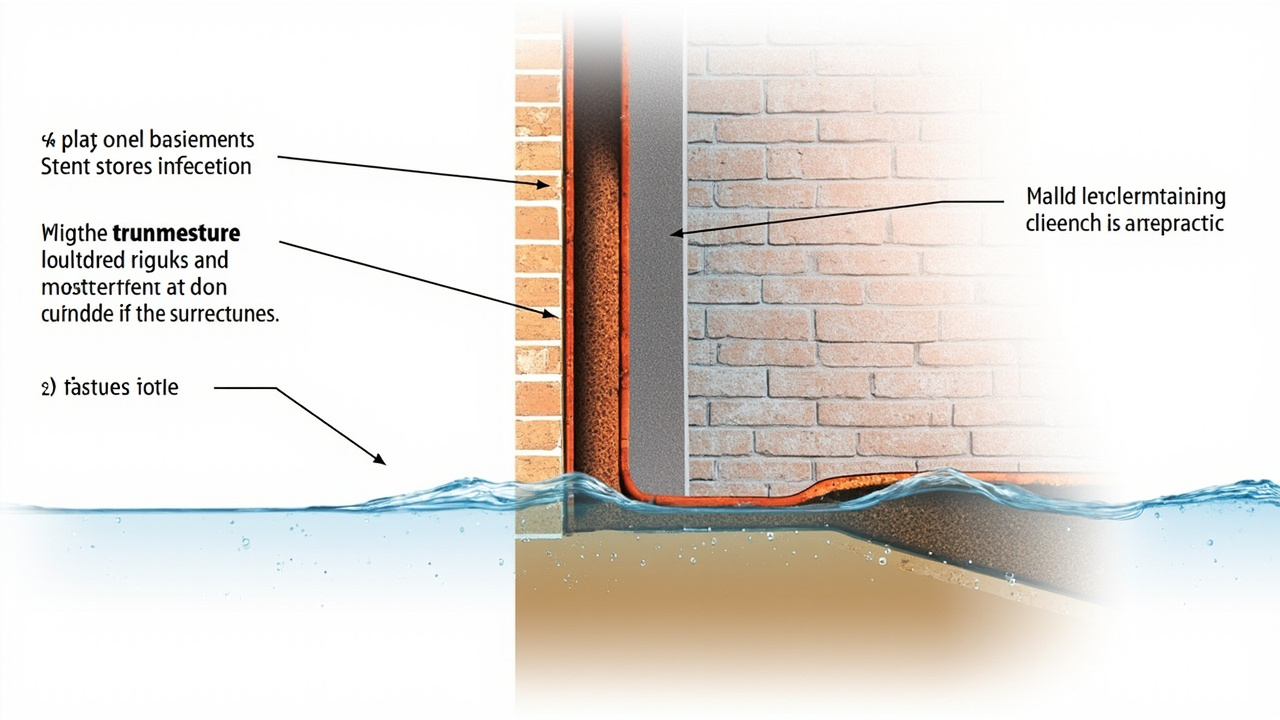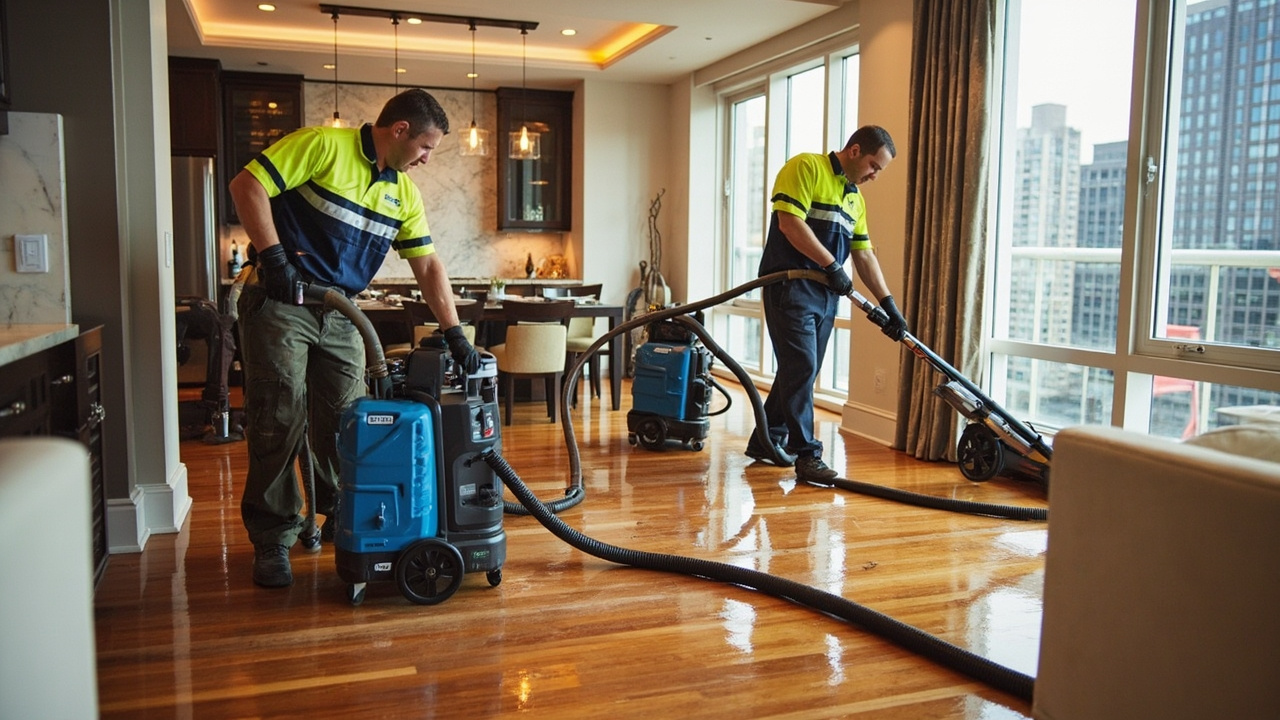






Chicago's combined sewer system creates a unique contamination risk during floods. Unlike modern separated systems, Chicago's infrastructure combines stormwater and sewage in the same pipes. During heavy rain events, the system overloads and backs up into basements through floor drains. This means most Chicago basement floods contain sewage contamination, not just rainwater. The immediate actions after flooding must include treating all floodwater as contaminated. Professional cleanup requires antimicrobial treatment and proper disposal of porous materials. The city's flat topography and clay soil compound drainage problems. Water sits on the surface longer, giving it more time to find entry points into your foundation.
The City of Chicago requires specific permits for basement finishing and waterproofing work. Professional restoration companies operating in Chicago understand these requirements and work with licensed contractors who pull proper permits. Insurance carriers in the Chicago market have specific expectations for documentation after flood events. They know Chicago's unique flooding risks and scrutinize claims carefully. Local restoration providers maintain relationships with adjusters and understand how to document work to support your claim. The Metropolitan Water Reclamation District of Greater Chicago offers some homeowner assistance programs for flood mitigation. Local providers can guide you toward these resources and help implement long-term prevention strategies specific to Chicago's infrastructure challenges.