



menu

Soggy Insulation in Chicago – Expert Diagnosis and Complete Removal Before Mold Takes Hold

When insulation absorbs water in Chicago homes, it loses all R-value and becomes a breeding ground for mold within 48 hours. Cornerstone Water Damage Restoration Chicago removes saturated insulation fast, dries structural cavities completely, and restores thermal performance before health risks escalate.

Slider Image 1
Slider Image 2
Slider Image 3
Slider Image 4
Slider Image 5
Slider Image 7
Slider Image 8
Slider Image 9
Slider Image 10
Slider Image 11

Why Chicago's Climate Turns Wet Insulation Into a Health Hazard

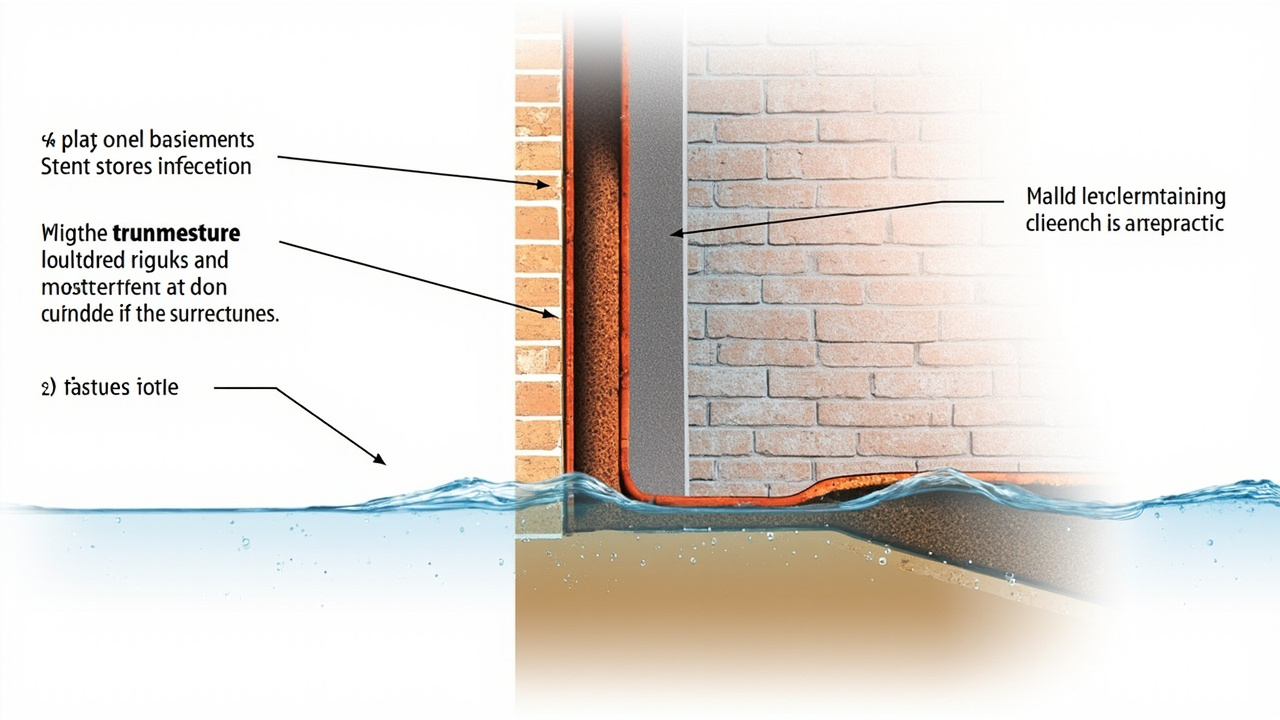
Chicago's harsh freeze-thaw cycles create the perfect storm for insulation damage. Ice dams form on roofs during winter, forcing snowmelt under shingles and into attic spaces. That water drips onto fiberglass batts or cellulose, turning dry insulation into a soaked sponge. Basements in older Chicago neighborhoods face constant groundwater pressure from clay soil that shifts and cracks foundations. When water seeps through those cracks, it saturates rim joist insulation and crawl space batts.

Damp insulation does not dry on its own. The material compresses under water weight, losing the air pockets that provide thermal resistance. Your heating bill climbs because wet insulation has zero R-value. But the bigger threat is mold. Within 24 to 48 hours, wet insulation becomes colonized with mold spores. Those spores spread through your HVAC system, triggering respiratory issues and allergic reactions.

Water damaged insulation also attracts pests. Mice and rats chew through saturated cellulose to build nests. The moisture creates rot in adjacent wood framing. Left untreated, soggy insulation compromises your home's structure and indoor air quality.

You notice the signs: musty odors, visible staining on ceilings, cold spots in winter, or condensation on windows. These symptoms tell you that insulation has absorbed water and needs immediate removal. Chicago homeowners cannot afford to wait. The longer saturated insulation sits, the more extensive the damage becomes.

Why Chicago's Climate Turns Wet Insulation Into a Health Hazard
How We Remove Saturated Insulation and Restore Structural Integrity

How We Remove Saturated Insulation and Restore Structural Integrity

Cornerstone Water Damage Restoration Chicago does not patch over water damaged insulation. We remove it completely, address the moisture source, and rebuild the thermal envelope correctly.

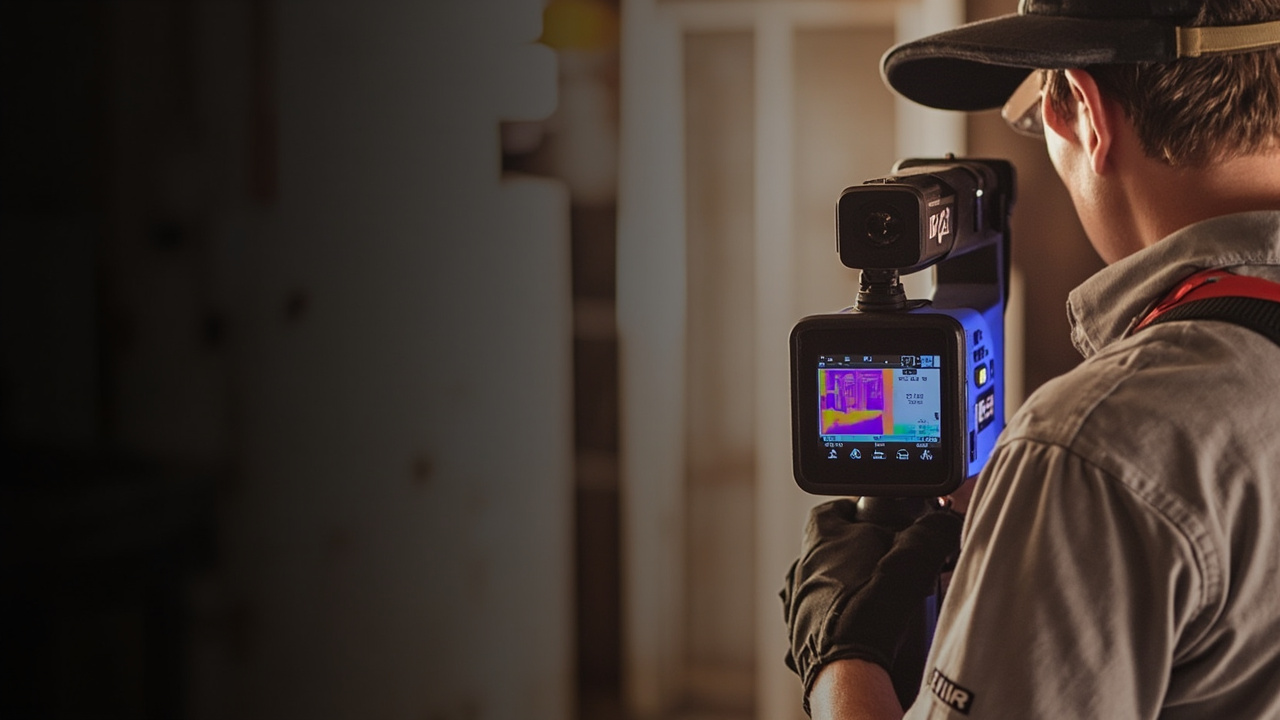
Our process starts with containment. We seal off the affected area with plastic sheeting and negative air pressure to prevent mold spores from spreading into living spaces. Then we document the damage with moisture meters and thermal imaging cameras. These tools show us exactly where water has migrated through wall cavities and floor joists.

We pull out all soaked insulation, whether it is fiberglass batts, blown cellulose, or spray foam that has delaminated from water intrusion. This is not a cosmetic fix. We bag and dispose of the material according to EPA guidelines because it is contaminated with mold and bacteria.

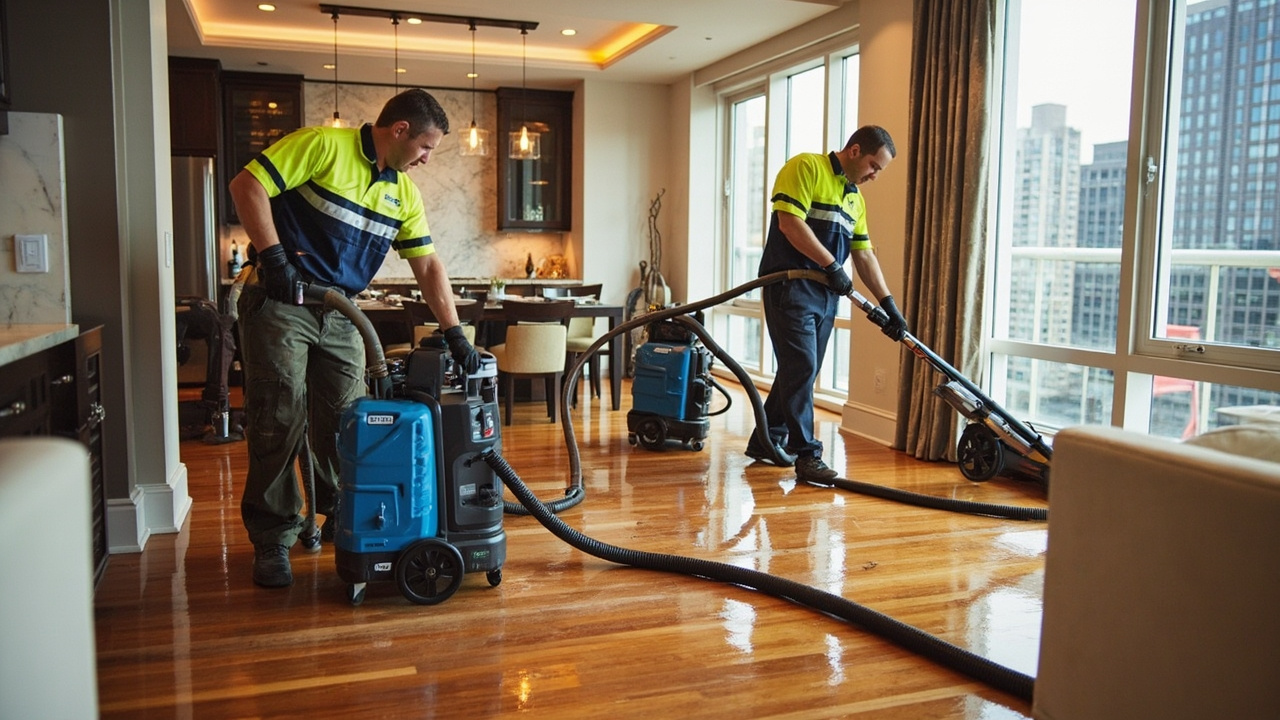
Next, we dry the structural cavities using commercial dehumidifiers and air movers. We monitor moisture content in framing lumber until it drops below 15 percent. This prevents future mold growth. If we find rot in studs or joists, we flag it for repair before any new insulation goes in.

We treat all wood surfaces with antimicrobial solutions to kill residual mold spores. Then we inspect for the root cause. Did an ice dam allow water entry? Is there a plumbing leak behind the wall? We identify and fix the source so the problem does not repeat.

Only after the space is dry and treated do we install new insulation. We match or exceed the original R-value using materials appropriate for Chicago's climate. The result is a thermal barrier that performs as designed and indoor air quality that is safe for your family.

What Happens During Wet Insulation Removal in Your Chicago Home

Soggy Insulation in Chicago – Expert Diagnosis and Complete Removal Before Mold Takes Hold
01

Damage Assessment and Containment

We arrive with moisture detection tools and thermal cameras to map the full extent of water intrusion. You see exactly which walls, ceilings, or floors contain saturated insulation. We set up containment barriers with HEPA filtration to isolate the work zone and protect your living areas from airborne mold spores during removal. This step ensures your family stays safe while we work.
02

Complete Insulation Extraction

Our crew removes every piece of wet insulation from the affected cavities. We bag and haul the material offsite immediately to prevent cross-contamination. We expose all framing members, inspect for hidden mold or rot, and measure moisture levels in the wood. If structural lumber reads above 15 percent moisture content, we continue drying until it reaches safe levels. No shortcuts.
03

Drying, Treatment, and Reinstallation

We deploy industrial dehumidifiers and air movers to dry the structural cavity completely. All wood surfaces receive antimicrobial treatment to eliminate mold spores. Once moisture levels stabilize and the space passes final inspection, we install new insulation that matches Chicago's climate demands. You receive documentation showing before and after moisture readings, confirming the problem is solved correctly.

Why Chicago Homeowners Trust Cornerstone for Insulation Water Damage

Chicago's housing stock is diverse. You have century-old brick bungalows in Portage Park, mid-century ranches in Jefferson Park, and newer construction in Lincoln Square. Each building type presents unique challenges when water damages insulation. Cornerstone Water Damage Restoration Chicago has worked in all of them.

We understand how balloon framing in older homes allows water to travel vertically through wall cavities, soaking insulation on multiple floors. We know that Chicago's clay soil causes foundation settlement, creating gaps where groundwater enters and saturates basement insulation. We have seen how flat roofs on commercial buildings in Logan Square develop ponding water that eventually leaks into ceiling insulation.

Our technicians are trained in Chicago building codes and restoration best practices. We coordinate with local building inspectors when structural repairs require permits. We work directly with your insurance adjuster to document damage and justify necessary remediation. Most policies cover sudden water intrusion, but the claim process requires detailed evidence. We provide that documentation.

We also respect your home. Our crews wear boot covers, use floor protection, and clean up daily. We communicate clearly about timelines and any complications we discover. If we find additional damage behind walls, we show you the problem and explain your options before proceeding.

Chicago homeowners choose Cornerstone because we solve the root problem, not just the symptom. Removing soggy insulation without fixing the leak or drying the structure properly just delays the next mold outbreak. We do the job correctly the first time so you can move forward with confidence.

What You Can Expect When You Call Cornerstone

Rapid Response and Scheduling

We answer your call 24/7 because water damage does not wait for business hours. Our dispatch team schedules an onsite assessment within hours, not days. During that first visit, we identify the scope of insulation damage, test moisture levels, and provide a detailed written estimate. You know exactly what needs to happen before any work begins. For active leaks or flooding, we can start emergency water extraction and containment immediately to prevent further saturation.

Thorough Inspection and Moisture Mapping

Our assessment goes beyond the obvious stain on your ceiling. We use infrared cameras to detect hidden moisture in wall cavities and under flooring. We probe insulation with moisture meters to measure saturation levels. This diagnostic phase reveals the full extent of damage, including areas where water has migrated but is not yet visible. You receive a written report with photos and moisture readings, giving you a clear picture of what needs to be removed and dried.

Complete Restoration and Air Quality Verification

We do not consider the job finished until moisture levels in structural materials return to normal and air quality testing confirms no elevated mold spore counts. After new insulation installation, we verify thermal performance and seal all penetrations to restore your building envelope. You receive final documentation showing moisture readings, photos of completed work, and a summary of all antimicrobial treatments applied. Your home is not just dry. It is safe and energy efficient again.

Insurance Coordination and Documentation

Most homeowners insurance policies cover sudden water damage and resulting insulation removal. We provide detailed estimates, moisture logs, and photographic evidence that your adjuster needs to approve the claim. Our office works directly with your insurance company to streamline the process. We explain which costs are typically covered and where you might face out-of-pocket expenses. This coordination reduces your stress and accelerates claim approval so restoration work can proceed without unnecessary delays.

Frequently Asked Questions

You Have Questions,
We Have Answers

Will wet insulation ever dry out? +

Wet insulation rarely dries out completely on its own, especially in Chicago's humid summers. Fiberglass and cellulose absorb water like a sponge and lose their R-value when soaked. Even if the surface feels dry, trapped moisture stays deep inside, creating a breeding ground for mold and rot. Chicago's freeze-thaw cycles make this worse, as water expands when frozen and damages fibers further. If your attic or crawl space insulation got wet from a roof leak or pipe burst, do not wait. Remove it, dry the cavity completely, and replace it. Wet insulation is dead insulation.

How to fix wet insulation? +

First, stop the water source. Fix the roof leak, burst pipe, or foundation crack causing the problem. Remove all soaked insulation immediately because it cannot be salvaged. Use fans and dehumidifiers to dry the studs, joists, and sheathing for at least 72 hours. In Chicago's older homes with plaster or brick, drying takes longer due to poor ventilation. Check for mold growth on framing and treat with antimicrobial solutions if needed. Once completely dry, install new insulation rated for your climate zone. Do not skip the vapor barrier in basements or crawl spaces, as Chicago's high water table increases moisture risk.

Will mold grow in wet insulation? +

Yes, mold will grow in wet insulation. Chicago's summer humidity and warm temperatures create perfect conditions for spore colonization. Fiberglass, cellulose, and spray foam all support mold growth when moisture is present for more than 48 hours. You might see black, green, or white patches, or smell a musty odor in your attic or basement. Mold spreads quickly through porous materials and releases airborne spores that trigger allergies and respiratory issues. If your insulation got wet from a storm, plumbing leak, or condensation buildup, remove it fast. Mold does not stay contained. It migrates to drywall, studs, and ductwork.

How long does it take for mold to grow on wet insulation? +

Mold can start growing on wet insulation in 24 to 48 hours under the right conditions. Chicago's humid summers accelerate this timeline, especially in poorly ventilated attics and crawl spaces. Temperature above 60 degrees and moisture content above 20 percent trigger spore germination. Organic materials like cellulose insulation support faster colonization than fiberglass, but both will develop mold if left wet. Basements in older Chicago homes with fieldstone foundations are particularly vulnerable due to chronic dampness. If you discover water damage, you have a narrow window to dry materials before mold takes hold. Do not gamble with your health.

How Chicago's Freeze-Thaw Cycles Cause Recurring Insulation Saturation

Chicago winters are brutal on building envelopes. Temperatures swing from below zero to above freezing in a single week. Snow accumulates on roofs, melts during the day, and refreezes at night. This cycle creates ice dams along eaves where heat escapes through poorly insulated attic floors. The trapped water backs up under shingles and drips onto attic insulation. Basements face similar challenges. Groundwater freezes in the clay soil surrounding foundations, then thaws and expands, pushing moisture through foundation walls and saturating rim joist insulation. These patterns repeat every winter, making wet insulation a chronic issue for Chicago homeowners who have not addressed the root causes.

Cornerstone Water Damage Restoration Chicago has worked in every neighborhood from Rogers Park to Hyde Park. We know the common failure points in Chicago's housing stock. Older homes often lack vapor barriers in crawl spaces or have undersized roof ventilation that traps moisture in attic insulation. We bring solutions tailored to these local challenges. Our crews are familiar with Chicago building codes and work with city inspectors when structural repairs require permits. Choosing a local restoration company means you get technicians who understand how Chicago's climate attacks your home and how to fix it permanently.
Water Damage Restoration Services in The Chicago Area

Cornerstone proudly serves the entire Chicago area with fast, dependable water damage restoration services. Whether you’re located in downtown, the suburbs, or surrounding neighborhoods, we’re ready to respond to your call—day or night. Use the map below to see our local service coverage and find our nearest team. With mobile units throughout the city, help is never far away. If you’re facing water damage, reach out now and let us show you why homeowners and businesses choose Cornerstone.

Address:
Cornerstone Water Damage Restoration Chicago, 171 N Aberdeen St, Chicago, IL, 60607

Additional Services We Offer

Our news updates

Latest Articles & News from The Blogs

High Humidity and Mold Growth in Chicago Summers What Homeowners Need to Know Your basement smells musty. Your bathroom mirror…

Why high humidity in the Chicago summer makes water damage worse in Calumet Heights

High Humidity and Mold Growth in Chicago Summers What Homeowners Need to Know Your basement smells musty. Your bathroom mirror…

Managing water damage restoration in the high-end luxury builds of the Near North Side

Luxury Home Water Damage Restoration in Chicago's Near North Side A burst pipe at 2 AM in your Gold Coast…

How we use thermal imaging to find hidden leaks in West Ridge homes

Expert Infrared Leak Detection in Chicago Homes and Businesses A hidden pipe leak can destroy your property long before you…

Contact Us

Every day you wait, mold colonies grow larger and spread deeper into your walls. Call Cornerstone Water Damage Restoration Chicago now at (872) 266-1616. We will inspect your home today, remove all saturated insulation, and restore safe indoor air quality. Do not let water damaged insulation destroy your home's structure and your family's health.