menu

Signs of Hidden Mold in Chicago – Expert Detection and Testing for Invisible Growth

Cornerstone Water Damage Restoration Chicago identifies symptoms of concealed mold in crawl spaces, attics, and behind walls using thermal imaging and moisture mapping technology to protect your property and health.

Slider Image 1
Slider Image 2
Slider Image 3
Slider Image 4
Slider Image 5
Slider Image 7
Slider Image 8
Slider Image 9
Slider Image 10
Slider Image 11

Why Chicagoland Properties Harbor Invisible Mold Growth

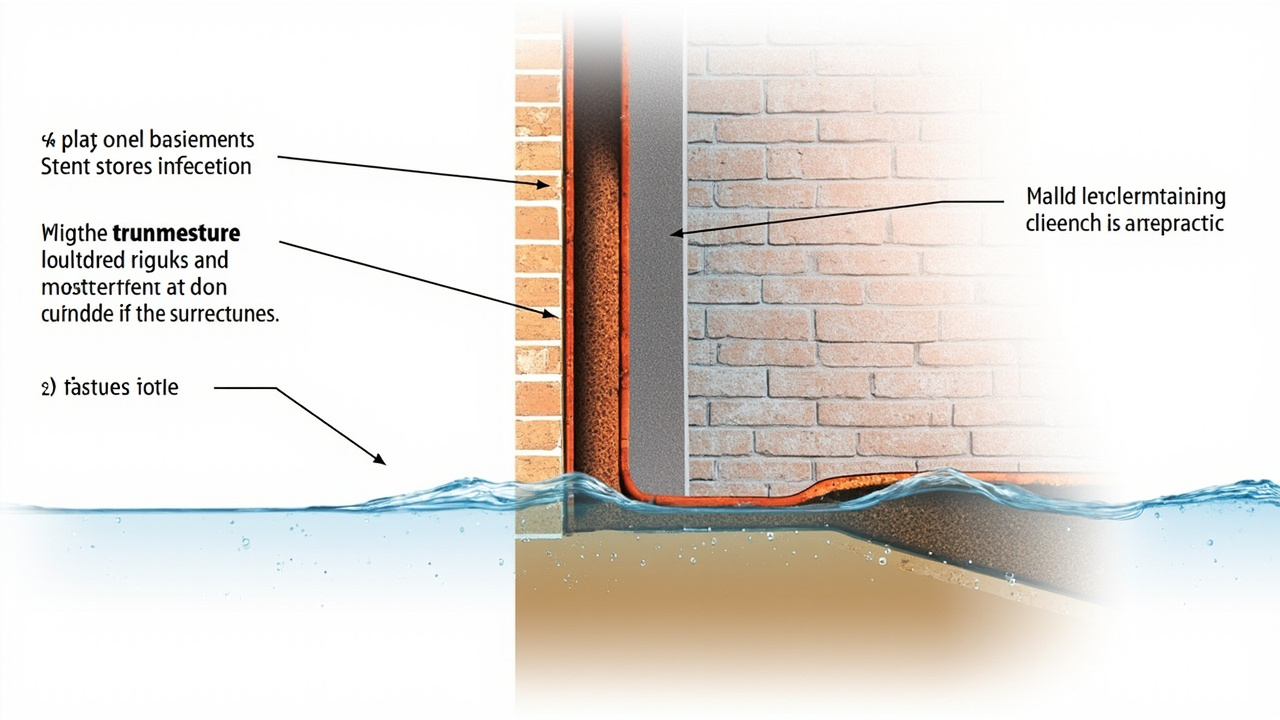
Chicago's freeze-thaw cycles create the perfect breeding ground for indicators of invisible mold. When snow melts in March and April, water seeps into foundation cracks common in older brick homes throughout Lincoln Park, Lakeview, and Hyde Park. The moisture gets trapped in rim joists and wall cavities where you cannot see it.

You smell something musty in the basement. Your allergies flare up every time you walk downstairs. These are symptoms of concealed mold that homeowners ignore until the problem spreads behind drywall and insulation.

Lake Michigan's humidity compounds the issue. Summer dew points regularly hit 65 to 70 degrees, creating condensation on cold pipes and in poorly ventilated attics. The moisture sits undetected for months, allowing mold colonies to establish deep within building materials.

Many Chicago properties have enclosed porches and additions built in the 1920s through 1950s without proper vapor barriers. These spaces trap moisture between original brick exteriors and newer drywall, creating evidence of unseen mold that only shows up during renovation or when health symptoms become severe.

The clay soil beneath Chicago shifts with seasonal moisture changes. This movement creates hairline cracks in foundations that channel groundwater into basements. Even minor seepage introduces enough moisture to support mold growth in rim joists, sill plates, and floor assemblies where signs of mold behind walls remain invisible until structural damage occurs.

Your nose tells you something is wrong. Your body reacts to spores you cannot see. That musty odor is not just unpleasant. It signals active microbial growth that requires professional detection.

Why Chicagoland Properties Harbor Invisible Mold Growth
How We Locate Mold You Cannot See

How We Locate Mold You Cannot See

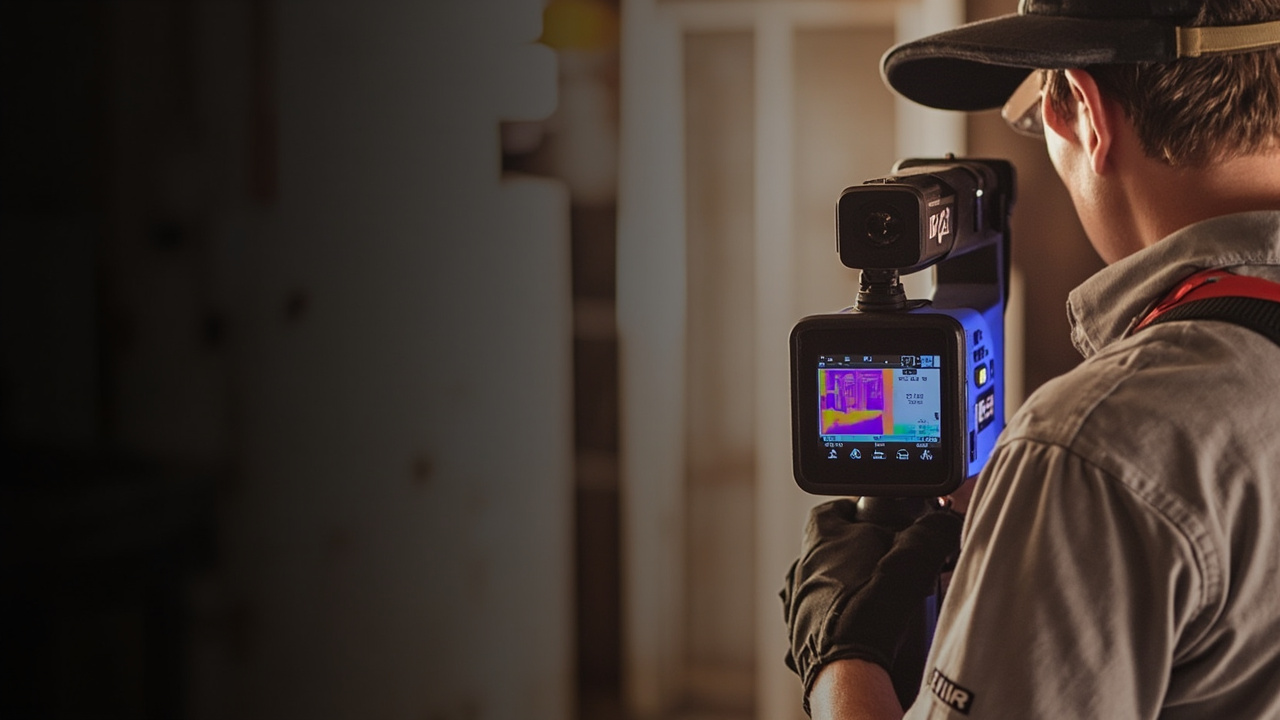
We use thermal imaging cameras that detect temperature differentials indicating moisture intrusion. When we scan your walls, cold spots appear where water has saturated insulation or drywall. These thermal signatures reveal detecting hidden mold before visible staining occurs.

Moisture meters give us exact readings at various depths within building materials. We probe wall cavities, subflooring, and ceiling assemblies to map moisture gradients. Readings above 16 percent in wood or 1 percent in drywall indicate conditions supporting mold colonization.

Our borescope cameras fit through quarter-inch holes drilled in inconspicuous locations. We snake these inspection cameras into wall cavities, above drop ceilings, and into HVAC plenums to visually confirm symptoms of concealed mold without destructive demolition.

Air sampling captures spore counts in your indoor environment and compares them to outdoor baseline levels. Elevated counts of specific mold genera like Stachybotrys, Chaetomium, or Aspergillus indicate active growth even when no visible colonies exist.

We test HVAC systems separately because air handlers often harbor indicators of invisible mold on evaporator coils and in condensate pans. Chicago's humidity keeps these components damp for extended periods, creating perfect growth conditions that spread spores throughout your ductwork.

Surface sampling with tape lifts and swabs confirms species identification. Lab analysis determines whether you have allergenic, pathogenic, or toxigenic mold strains. This information guides remediation protocols and helps your physician understand your exposure risk.

Every investigation generates a detailed moisture map showing exactly where evidence of unseen mold exists within your property structure. This documentation supports insurance claims and provides contractors with clear scope boundaries for remediation work.


What Happens During a Mold Investigation

Signs of Hidden Mold in Chicago – Expert Detection and Testing for Invisible Growth
01

Initial Assessment

We walk your property documenting visible water damage, musty odors, and health complaints. You show us problem areas. We ask about roof leaks, plumbing issues, and HVAC performance. This conversation reveals moisture sources causing signs of mold behind walls. We photograph conditions and note building materials present in affected areas. The assessment takes 45 to 90 minutes depending on property size.
02

Technical Detection

We deploy thermal cameras, moisture meters, and borescope equipment to locate symptoms of concealed mold. Air samples capture spore counts in multiple rooms. Surface samples identify active colonies. We drill small inspection holes in walls and ceilings when necessary. Every reading gets recorded on floor plans showing moisture distribution patterns. This technical work takes two to four hours for thorough investigation.
03

Lab Analysis and Report

Samples ship to accredited laboratories for genus and species identification. Results return in three to five business days. We compile findings into a written report with photographs, floor plans, lab certificates, and remediation recommendations. The report explains what we found, where moisture originates, and how to eliminate indicators of invisible mold. You receive documentation suitable for insurance claims and contractor bids.

Why Chicago Property Owners Choose Cornerstone for Mold Detection

We understand how Chicago's building stock creates unique mold challenges. The city's older brick homes lack vapor barriers. Basement walls made from porous limestone wick groundwater. Flat roofs common on commercial buildings throughout the Loop and River North pond water after heavy rains. These local construction characteristics require investigation strategies that generic mold inspectors miss.

Our technicians recognize Chicago-specific moisture sources. We check for ice dam damage on second-floor ceilings after harsh winters. We inspect crawl spaces for sump pump failures common during spring thaws. We know which HVAC configurations create condensation problems in Chicago's humid summers.

Building science matters when detecting hidden mold. We analyze dew point temperatures, relative humidity levels, and vapor drive direction. This technical approach identifies why moisture accumulates in specific wall assemblies or roof systems. You get answers about root causes instead of just finding active growth.

We coordinate with local remediation contractors who understand Chicago building codes. Our investigation reports include clear scope boundaries that prevent unnecessary demolition. This saves you money by targeting only affected materials rather than gutting entire rooms.

Insurance companies respect our documentation. We follow IICRC S520 standards for mold assessment. Our reports include chain-of-custody documentation for lab samples. This professional approach helps claims get approved when evidence of unseen mold requires expensive remediation.

Many Chicago homeowners call us after DIY moisture meters give confusing readings. We interpret data correctly and explain what numbers mean for your specific building materials. You get clear answers about whether readings indicate active problems or normal seasonal fluctuations.

We educate you about prevention. Understanding how Chicago's climate impacts your property helps you maintain conditions that discourage mold growth after remediation completes.

What to Expect from Professional Mold Detection Services

Response Time and Scheduling

We schedule investigations within 48 hours of your call. Emergency assessments are available for severe health symptoms or active water intrusion events. Most investigations occur during business hours, but we accommodate evening and weekend appointments when necessary. You do not need to vacate your property during testing. The investigation disrupts your routine minimally. We arrive on time with all equipment ready. Plan for two to four hours depending on property size and complexity.

The Investigation Process

We start with your concerns and symptoms. You walk us through problem areas. We then conduct systematic testing using thermal imaging, moisture meters, and air sampling equipment. Borescope cameras go into wall cavities when thermal scans show anomalies. We drill small inspection holes only when necessary and patch them before leaving. Every measurement gets documented photographically and on floor plans. You see what we find in real time and ask questions throughout the process.

Detailed Reporting

Your report arrives within one week of investigation completion. It includes laboratory analysis identifying mold species present, thermal images showing moisture patterns, floor plans marking affected areas, and specific remediation recommendations. The report explains moisture sources causing growth and building conditions contributing to the problem. You receive digital and printed copies suitable for insurance claims, real estate transactions, or contractor bidding. We review findings with you by phone and answer follow-up questions.

Post-Investigation Support

We help you understand next steps after mold detection. This includes explaining remediation protocols, estimating project duration, and recommending qualified contractors. We provide clearance testing after remediation completes to verify successful mold removal. Air sampling and surface testing confirm spore counts return to normal levels. You receive certification that your property is safe for reoccupancy. We offer consultation on preventing future growth through humidity control and moisture management strategies specific to Chicago's climate.

Frequently Asked Questions

You Have Questions,
We Have Answers

How can you tell if you have hidden mold in your house? +

Hidden mold often reveals itself through musty, earthy odors that persist even after cleaning. You may notice discoloration on walls, ceilings, or baseboards, especially in areas prone to Chicago's humidity and condensation. Peeling paint or warped drywall can signal moisture intrusion behind surfaces. Check crawl spaces, basements, and areas near older plumbing common in Chicago homes. Water stains or previous leaks are red flags. If residents experience unexplained respiratory issues or allergies that improve when leaving the house, hidden mold may be present. Professional inspection with moisture meters and thermal imaging confirms growth behind walls or under flooring.

What are signs of mold sickness? +

Mold sickness symptoms include persistent coughing, wheezing, and nasal congestion that does not respond to standard allergy treatments. You may experience headaches, fatigue, and difficulty concentrating. Skin rashes or itchy eyes are common reactions. Some people report sinus pressure and throat irritation. In Chicago homes with poor ventilation during humid summers, symptoms often worsen indoors. Respiratory distress, chest tightness, and shortness of breath indicate more serious exposure. If symptoms improve when you leave your home and return when you are inside, mold exposure is likely. Children, elderly residents, and those with asthma face higher risk.

Can mold cause a baby to cough? +

Yes, mold exposure can trigger coughing in infants and babies. Their developing respiratory systems are vulnerable to mold spores and mycotoxins. You may notice persistent dry cough, wheezing, or labored breathing. Babies cannot communicate discomfort, so watch for increased fussiness or difficulty sleeping. In Chicago homes with basement nurseries or older buildings, moisture issues create mold growth that affects air quality. If your baby coughs more at home than elsewhere, investigate for hidden mold near cribs or play areas. Consult your pediatrician immediately if coughing persists. Professional mold testing and remediation protect your child's health and eliminate the source.

Can mold cause twitching? +

Some individuals exposed to toxic mold report muscle twitching or tremors, though this is less common than respiratory symptoms. Mycotoxins from certain mold species can affect the nervous system, causing involuntary muscle movements, numbness, or tingling. These neurological symptoms appear alongside cognitive issues like memory problems or difficulty concentrating. If you experience unexplained twitching in a Chicago home with known moisture problems or visible mold, consider professional testing. However, twitching has many causes, so consult a physician to rule out other conditions. Document when symptoms occur and whether they worsen in specific rooms. Professional mold inspection identifies contamination levels.

Can I test for mold in the air myself? +

DIY mold test kits are available at hardware stores, but they have significant limitations. These kits collect air samples or surface swabs that you mail to a lab. Results show mold presence but not species or concentration levels. Chicago's humid climate means most homes have some airborne mold spores naturally. Without professional interpretation, DIY results can be misleading or cause unnecessary panic. Home tests miss hidden mold behind walls or in crawl spaces. For accurate assessment, hire a certified mold inspector who uses calibrated equipment, moisture meters, and thermal imaging. Professional testing provides actionable data and identifies the moisture source.

Can doctors check if you've been exposed to mold? +

Doctors can order tests to check for mold exposure, though diagnosis remains challenging. Blood tests detect antibodies your immune system produces in response to mold. Skin prick tests identify allergic reactions to specific mold species. Some physicians order urine mycotoxin tests, though these are controversial and not universally accepted. If you live in Chicago and suspect mold sickness, document your symptoms and indoor environment conditions. Bring photos of water damage or visible mold. Many doctors focus on treating symptoms rather than confirming mold exposure. An environmental medicine specialist or allergist provides the most thorough evaluation and testing options.

What kills mold spores instantly? +

No substance kills mold spores instantly across all surfaces. Bleach kills surface mold on non-porous materials like tile or glass but does not penetrate porous surfaces like drywall or wood. It also releases toxic fumes and can worsen moisture problems. Hydrogen peroxide, borax, and white vinegar kill mold but require dwell time and scrubbing. In Chicago homes, addressing the moisture source is critical. Surface cleaning without fixing leaks or humidity issues allows mold to return. Professional remediation uses EPA-registered antimicrobials, HEPA filtration, and controlled demolition when needed. Effective mold removal requires containment, proper disposal, and moisture control.

How to test your home for mold? +

Start by visually inspecting areas prone to moisture in Chicago homes: basements, crawl spaces, bathrooms, and around windows. Look for discoloration, water stains, or peeling paint. Use your nose to detect musty odors. Check behind furniture and inside cabinets. A moisture meter identifies hidden dampness in walls or floors. For comprehensive testing, hire a certified mold inspector who uses thermal imaging, air sampling, and surface testing. Professional assessment identifies mold species, concentration levels, and moisture sources. Avoid disturbing suspected mold, which releases spores. Testing before remediation ensures you address the full scope of contamination and prevent future growth.

What are the three stages of mold toxicity? +

Medical experts do not universally recognize three distinct stages of mold toxicity, but severity classifications exist. Initial exposure causes mild allergic reactions like sneezing, congestion, and itchy eyes. Continued exposure leads to moderate symptoms including persistent coughing, fatigue, headaches, and skin rashes. Severe or chronic exposure can trigger neurological symptoms, respiratory distress, and immune system suppression. Vulnerable individuals, including children and those with asthma, progress faster through severity levels. In Chicago's older housing stock with moisture issues, prolonged exposure is common. If you experience escalating symptoms, remove yourself from the environment immediately and seek medical attention. Professional remediation eliminates the contamination source.

How do I tell if mold is in my lungs? +

Determining if mold is in your lungs requires medical evaluation. Symptoms include persistent cough producing dark mucus, chest tightness, wheezing, and shortness of breath that worsens over time. Some people experience fever or night sweats. Pulmonary aspergillosis, a fungal lung infection, occurs when mold colonizes lung tissue. Your doctor may order chest X-rays, CT scans, or bronchoscopy to visualize lung tissue. Sputum cultures identify mold species. If you live in a Chicago home with known mold problems and experience respiratory decline, seek immediate medical care. Early intervention prevents permanent lung damage. Remediate your home while receiving treatment.

How Chicago's Lake Effect Humidity Creates Year-Round Mold Conditions

Lake Michigan keeps Chicago's relative humidity above 70 percent for most of summer. This moisture condenses on cold surfaces like basement walls, air conditioning ducts, and water supply lines. The condensation drips into wall cavities and ceiling spaces where it goes unnoticed. Homes built before 1980 lack the continuous air barriers and insulation details that prevent this moisture infiltration. Neighborhoods near the lake, including Rogers Park, Edgewater, and South Shore, experience even higher humidity levels that accelerate indicators of invisible mold in crawl spaces and attic assemblies.

Water Damage Restoration Services in The Chicago Area

Cornerstone proudly serves the entire Chicago area with fast, dependable water damage restoration services. Whether you’re located in downtown, the suburbs, or surrounding neighborhoods, we’re ready to respond to your call—day or night. Use the map below to see our local service coverage and find our nearest team. With mobile units throughout the city, help is never far away. If you’re facing water damage, reach out now and let us show you why homeowners and businesses choose Cornerstone.

Address:
Cornerstone Water Damage Restoration Chicago, 171 N Aberdeen St, Chicago, IL, 60607

Additional Services We Offer

Our news updates

Latest Articles & News from The Blogs

High Humidity and Mold Growth in Chicago Summers What Homeowners Need to Know Your basement smells musty. Your bathroom mirror…

Why high humidity in the Chicago summer makes water damage worse in Calumet Heights

High Humidity and Mold Growth in Chicago Summers What Homeowners Need to Know Your basement smells musty. Your bathroom mirror…

Managing water damage restoration in the high-end luxury builds of the Near North Side

Luxury Home Water Damage Restoration in Chicago's Near North Side A burst pipe at 2 AM in your Gold Coast…

How we use thermal imaging to find hidden leaks in West Ridge homes

Expert Infrared Leak Detection in Chicago Homes and Businesses A hidden pipe leak can destroy your property long before you…

Contact Us

Stop guessing about what you cannot see. Call Cornerstone Water Damage Restoration Chicago at (872) 266-1616 for professional mold detection. We identify hidden growth, explain moisture sources, and document conditions for insurance claims. Get answers this week.