


menu

Sewage Backup Cleanup in Chicago – Emergency Response Within 60 Minutes

When raw sewage floods your property, every minute counts. Our certified technicians deploy immediately across Chicago with industrial-grade extraction equipment and EPA-compliant sanitization protocols to eliminate biohazards and prevent permanent structural damage.

Slider Image 1
Slider Image 2
Slider Image 3
Slider Image 4
Slider Image 5
Slider Image 7
Slider Image 8
Slider Image 9
Slider Image 10
Slider Image 11

Why Sewage Backups Strike Chicago Properties Without Warning

Chicago's aging sewer infrastructure was never designed for modern water usage. Clay pipes installed in the 1920s crack under freeze-thaw cycles. Tree roots from the city's extensive canopy invade lateral lines. When spring thaw hits or heavy rainfall overwhelms the Metropolitan Water Reclamation District system, sewage has nowhere to go but up through your floor drains.

You walk into your basement and smell it first. The acrid, unmistakable odor. Then you see it pooling around the laundry room or backing up through toilets. Raw sewage carries E. coli, hepatitis, and parasites. It soaks into drywall, insulation, and subflooring within minutes. What starts as a plumbing failure becomes a health crisis and structural emergency.

Chicago homeowners in neighborhoods like Lincoln Park and Wicker Park face unique risks. Combined sewer systems mean stormwater and sewage share the same pipes. During heavy rain events, the system overloads. Sewage backup cleaning becomes urgent because contaminated water spreads pathogens across every surface it touches. Porous materials act like sponges. Concrete floors absorb fecal bacteria. Wood studs wick contamination upward through capillary action.

Time dictates outcome. Sewage damage restoration must begin within hours, not days. Bacteria multiply exponentially in warm conditions. Chicago's humid summers accelerate microbial growth. By the time you notice the smell upstairs, contamination has already migrated through your HVAC system. This is not a shop-vac situation. Sewage remediation requires containment barriers, negative air pressure, antimicrobial treatments, and complete material removal down to studs if saturation exceeds safe thresholds.

Why Sewage Backups Strike Chicago Properties Without Warning
How Professional Sewage Removal Protects Your Property and Health

How Professional Sewage Removal Protects Your Property and Health

Sewage backup cleanup follows IICRC S500 and S520 standards because guesswork kills people. We arrive with Category 3 water protocols already in motion. Our technicians suit up in Tyvek coveralls, respirators, and nitrile gloves before entering contaminated zones. We establish containment using polyethylene sheeting and negative air machines to prevent cross-contamination into clean areas of your home.

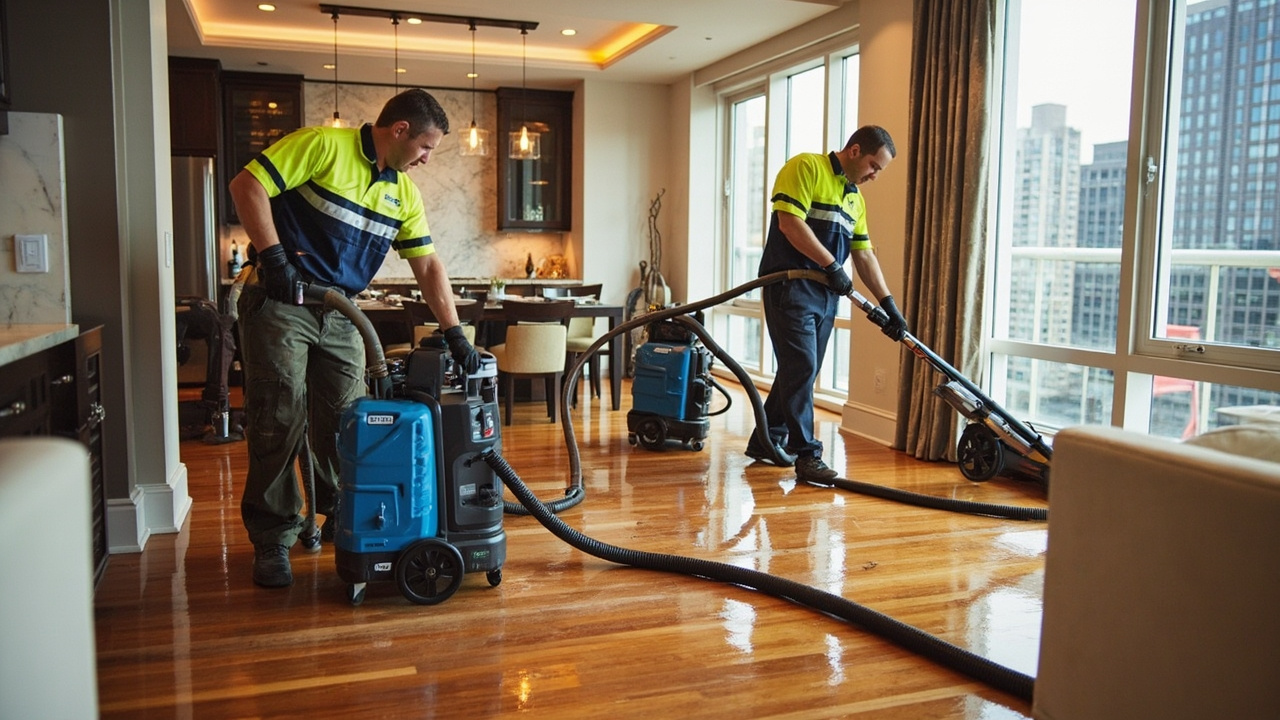
Extraction begins with truck-mounted pumps capable of removing thousands of gallons per hour. We do not use wet-dry vacuums. Sewage contains solid waste that clogs standard equipment and aerosolizes pathogens. Our extraction wands connect to heated waste tanks that transport contaminated water off-site for proper disposal. Chicago regulations prohibit dumping sewage into storm drains or sanitary systems without proper treatment.

After extraction, we document moisture levels using thermal imaging and penetrating moisture meters. Drywall showing readings above 17 percent gets marked for removal. Insulation touching sewage gets bagged as biohazard waste. We strip materials down to framing, then apply EPA-registered disinfectants with dwell times that actually kill pathogens. Quaternary ammonium compounds stay wet on surfaces for ten minutes minimum. We do not spray and wipe.

Structural drying uses commercial dehumidifiers and air movers positioned based on psychrometric calculations, not guesswork. We monitor daily until wood framing drops below 15 percent moisture content. Only then do antimicrobial coatings get applied to inhibit future mold growth. Sewage damage restoration is not complete until air quality testing confirms bacterial counts below EPA safe thresholds. We provide those lab results in writing.

What Happens During Emergency Sewage Response in Chicago

Sewage Backup Cleanup in Chicago – Emergency Response Within 60 Minutes
01

Immediate Containment and Extraction

We arrive within 60 minutes and immediately shut off water sources to prevent additional sewage flow. Our team establishes physical containment barriers using six-mil polyethylene sheeting and sets up negative air pressure to prevent airborne pathogens from spreading. Truck-mounted extraction pumps remove standing sewage while HEPA air scrubbers capture aerosolized particles. Your family and pets stay out of contaminated zones until we establish a safe perimeter and complete initial extraction.
02

Contaminated Material Removal

Sewage-soaked materials cannot be saved. We remove carpet, padding, baseboards, and drywall up to two feet above the visible water line because wicking carries contamination higher than you see. Our technicians use calibrated moisture meters to identify hidden saturation inside wall cavities. Insulation, drywall, and any porous material showing moisture content above 17 percent gets removed and bagged as biohazard waste. We expose framing to allow proper disinfection and drying.
03

Disinfection and Structural Drying

After demolition, we apply EPA-registered antimicrobial solutions to all affected surfaces using electrostatic sprayers that wrap disinfectant around framing members. These treatments require specific dwell times to kill pathogens. We then position commercial dehumidifiers and air movers based on cubic footage and moisture load calculations. Daily monitoring continues until wood framing reaches safe moisture thresholds below 15 percent. Only after lab-confirmed air quality testing shows bacterial counts within safe limits do we clear the space for reconstruction.

Why Chicago Property Owners Choose Cornerstone Water Damage Restoration Chicago

Most companies treat sewage backups like ordinary water damage. They are not. Sewage remediation requires specialized training in bloodborne pathogens, biohazard handling, and infectious disease protocols. Our technicians hold IICRC certifications in Applied Structural Drying and Water Damage Restoration. We follow OSHA 1910.1030 standards for occupational exposure to bloodborne pathogens because sewage carries the same risk profile as medical waste.

Chicago presents unique challenges that out-of-state franchises miss. We know the difference between the city's separate and combined sewer systems. We understand how the Deep Tunnel project affects South Side neighborhoods differently than North Side communities. When the Metropolitan Water Reclamation District issues overflow warnings, we pre-position equipment in high-risk zones. That local intelligence means faster response when your property floods.

We also navigate Chicago's permit requirements for post-remediation reconstruction. If sewage damage affects load-bearing walls or electrical systems below grade, permits become mandatory. We coordinate inspections with the Department of Buildings and maintain relationships with local plumbing contractors who can video-scope your sewer lateral to identify the root cause. Insurance companies respect our documentation because we provide the moisture readings, photos, and microbial testing they need to process claims without dispute.

You will work with the same project manager from extraction through final clearance testing. No handoffs to subcontractors who do not understand the scope. We provide daily updates and maintain a decontamination log that tracks every antimicrobial application, drying reading, and material removal decision. That documentation protects you if future buyers ask questions during home sales or if health issues arise years later. Transparency is not optional when biohazards are involved.

What to Expect When You Call for Sewage Backup Cleanup

Emergency Response Timeline

We answer calls 24 hours a day, 365 days a year. When you describe sewage backup, we dispatch a crew immediately, not after sunrise. Our average response time across Chicago is 60 minutes from call to arrival. Technicians carry containment supplies, extraction equipment, and PPE in every truck. We do not need to return to the shop for gear. You receive a call when the crew is 15 minutes out so you can evacuate family members and pets safely. Emergency response means we start extraction the moment we arrive, not after estimates or insurance approval. Health risks do not wait for paperwork.

Comprehensive Damage Assessment

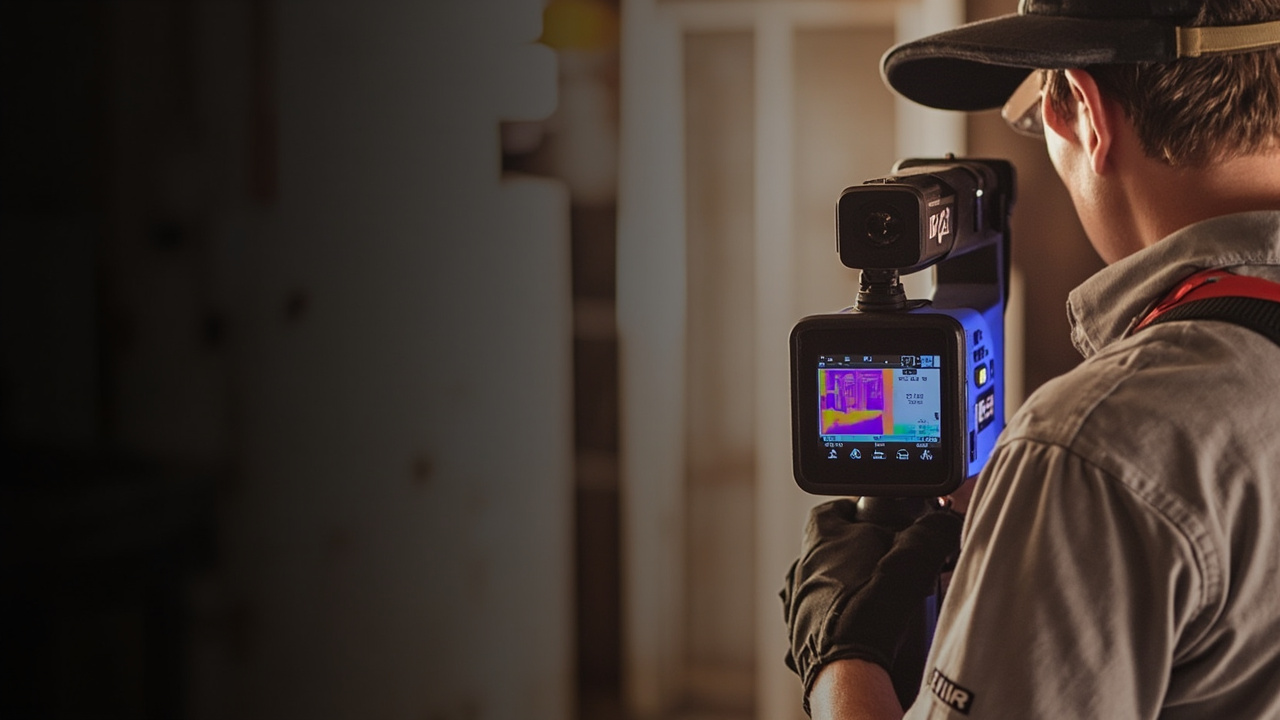
After initial extraction, we map the entire affected area using thermal imaging cameras that reveal hidden moisture behind walls and under flooring. Moisture meters measure saturation levels in wood framing, concrete, and drywall. We document everything with photos and detailed notes that meet insurance adjuster requirements. You receive a written scope of work that explains what materials require removal, why specific disinfection protocols apply, and how long structural drying will take. We test for airborne mold spores if sewage sat longer than 48 hours. This assessment happens within the first four hours so you understand the full scope before demolition begins.

Certified Sanitization and Clearance

Sewage cleanup is not complete until independent lab testing confirms bacterial counts meet EPA safe thresholds. We collect air and surface samples after disinfection and send them to accredited microbiology labs. You receive written clearance reports showing specific pathogen counts for E. coli, coliform bacteria, and other indicators of fecal contamination. This documentation protects you legally and provides proof for insurance companies that remediation was thorough. We do not declare a job complete based on appearance or smell. Science dictates clearance, not opinions. If initial tests fail, we re-treat and re-test at no additional cost until your property passes.

Post-Remediation Support and Prevention

After clearance, we provide a detailed report outlining the root cause of your sewage backup and recommendations to prevent recurrence. This often includes sewer lateral video inspection referrals, backwater valve installation suggestions, and sump pump maintenance schedules. We coordinate with your insurance company throughout the process and provide documentation they need for full claim approval. If reconstruction is required, we manage that process or work with your chosen contractor to ensure proper materials and methods prevent future moisture problems. You also receive our direct line for questions that arise during or after the process. Sewage emergencies create stress. We stay available until you feel confident your property is truly safe again.

Frequently Asked Questions

You Have Questions,
We Have Answers

How do you clean up after sewer back up? +

Sewage backup cleanup requires immediate professional intervention. First, evacuate the area and shut off electricity to prevent shock hazards. Do not touch contaminated water. Professionals extract standing sewage using truck-mounted pumps, remove saturated materials like drywall and carpet, then disinfect all surfaces with EPA-registered antimicrobials. Chicago's older combined sewer systems make backups common during heavy rains. Technicians use HEPA air scrubbers to remove airborne pathogens and industrial dehumidifiers to dry structural cavities. All waste gets bagged and disposed of per Illinois EPA regulations. Documentation includes photos for insurance claims and moisture readings to verify complete drying.

How much does sewage backup cleanup cost? +

Sewage backup cleanup costs in Chicago range widely based on contamination severity and affected square footage. Small bathroom backups may start around a few hundred dollars, while basement floods with category 3 water can reach several thousand. Factors include water extraction volume, material disposal, antimicrobial treatment, structural drying time, and rebuild needs. Chicago's aging clay pipe infrastructure and combined sewer systems increase backup frequency, especially in neighborhoods like Logan Square and Bridgeport. Most homeowners insurance policies exclude sewer backups unless you purchased separate rider coverage. Get written estimates from certified restorers and verify they follow IICRC S500 standards for safety.

What is the average cost of sewer drain cleaning? +

Sewer drain cleaning in Chicago typically costs between a baseline service call and higher amounts for complex blockages requiring hydro jetting or camera inspection. Simple snake-out jobs for accessible clogs cost less. Deeper mainline blockages or root infiltration in Chicago's mature tree-lined neighborhoods demand hydro jetting, which increases price. Cast iron and clay pipes common in pre-1970s Chicago homes corrode and collect debris, requiring more frequent cleaning. Emergency after-hours service adds premium charges. Request camera inspection to identify the actual problem before agreeing to extensive work. Preventive cleaning every 18 to 24 months helps avoid emergency costs.

How to clear a backed up sewer line? +

Clearing a backed-up sewer line requires professional equipment. For minor clogs near fixtures, a drain auger may work temporarily, but mainline blockages need hydro jetting. Chicago's clay and cast iron pipes often have root intrusion, bellied sections from soil settling, or offset joints. A plumber inserts a camera to locate the blockage, then uses a truck-mounted jetter shooting high-pressure water to scour pipe walls and break through obstructions. Tree roots from Chicago's parkway elms and maples frequently invade older lateral lines. If pipes are collapsed or severely deteriorated, trenchless pipe lining or excavation may be necessary.

Is it safe to live in a house after sewage backup? +

No. Living in a house after sewage backup is dangerous until professional cleanup and disinfection finish. Raw sewage contains E. coli, hepatitis, salmonella, and other pathogens causing serious illness. Porous materials like drywall, insulation, and carpet absorb contaminated water and cannot be adequately sanitized. Chicago's humid summers accelerate mold growth within 24 to 48 hours. Professional restorers remove contaminated materials, disinfect all surfaces with hospital-grade antimicrobials, and verify complete drying with moisture meters. Air quality testing confirms the space is safe. Do not return until you receive written clearance and documentation showing microbial levels meet safety standards.

Can I clean my sewer line myself? +

You can attempt minor drain clogs with an auger, but mainline sewer cleaning requires professional equipment and expertise. Chicago's sewer laterals connect to deep municipal mains, often 8 to 12 feet underground. Improper augering can puncture corroded cast iron or clay pipes, causing expensive excavation repairs. Sewage contains dangerous pathogens requiring protective equipment and proper disposal per Illinois EPA rules. Tree root infiltration, common in Chicago's older neighborhoods, needs hydro jetting power you cannot rent. Camera inspection identifies the actual problem before you waste money on wrong solutions. For anything beyond a simple toilet clog, hire a licensed plumber with proper insurance.

Does homeowners insurance cover sewage back up? +

Standard homeowners insurance typically excludes sewage backup damage. You need a separate sewer backup endorsement or rider, which costs a small annual premium. This rider covers water damage from drains, sewers, or sump pumps backing up into your home. Chicago's combined sewer system overflows during heavy rains, making this coverage critical for basement-level properties in neighborhoods like Albany Park or Pilsen. Review your policy declarations page to confirm coverage. Some policies cap payout limits, so consider higher limits if you have a finished basement. Document everything with photos and keep all cleanup receipts for claims processing.

Why is my sewer bill 200 dollars? +

This question appears to reference a municipal sewer bill, not sewage backup cleanup. Chicago Water Department bills include both water supply and sewer service charges based on metered water usage. Higher bills result from increased consumption, meter misreads, leaks, or tiered rate structures. Sewer charges assume all water entering your home exits through drains. If your bill jumped suddenly, check for running toilets, dripping faucets, or underground leaks. Request a meter accuracy test through the city. Billing questions should go to Chicago Water Management at 312-744-4420. Sewage backup cleanup is a separate emergency service unrelated to utility billing.

Is sewer jetting worth it? +

Yes. Sewer jetting effectively clears Chicago's aging sewer laterals when done correctly. High-pressure water streams scour pipe walls, removing years of grease buildup, soap residue, and root infiltration that simple snaking cannot address. Chicago homes built before 1980 often have cast iron or clay pipes with rough interior surfaces that collect debris. Jetting provides thorough cleaning and diagnostic value when paired with camera inspection. The investment prevents recurring clogs and identifies structural problems before they cause backups. Choose contractors using proper nozzle selection and pressure settings to avoid damaging old pipes. Preventive jetting every two years extends pipe life.

How much do plumbers charge to unclog a sewer line? +

Plumbers in Chicago charge varying rates to unclog sewer lines depending on blockage location, severity, and time of day. Simple cleanouts near the foundation cost less than mainline obstructions requiring excavation access. Camera inspection adds cost but prevents guessing. Emergency after-hours service commands premium rates. Tree root infiltration common in neighborhoods like Beverly and Edison Park requires hydro jetting rather than simple snaking. Cast iron pipe collapses or bellied clay sections may need repair beyond just clearing the clog. Request detailed written estimates specifying equipment used, warranty terms, and what happens if the first attempt fails. Verify proper licensing and insurance.

How Chicago's Aging Sewer System and Freeze-Thaw Cycles Drive Sewage Backup Emergencies

Chicago maintains over 4,400 miles of sewer mains, much of it dating to the early 1900s. Vitrified clay pipes installed before 1950 crack under pressure from freeze-thaw cycles that plague the city from November through March. When temperatures swing from 15 degrees to 40 degrees in a single day, ground movement shifts pipe joints. Tree roots from parkway maples and oaks exploit those cracks, forming dense root balls that block flow. Combined with the city's combined sewer system, where stormwater and sewage share infrastructure, heavy rain events overwhelm capacity. Sewage backs up through floor drains in basements across neighborhoods from Logan Square to Beverly. This is not a plumbing deficiency. It is a structural reality of living in a city built on reclaimed swampland with century-old infrastructure.

Cornerstone Water Damage Restoration Chicago trains specifically on the Chicago plumbing code and Metropolitan Water Reclamation District regulations. We understand permit requirements for below-grade work and maintain relationships with city inspectors who review our post-remediation documentation. When insurance adjusters question our scope, we reference local code sections that mandate specific disinfection protocols for Category 3 water damage. Our technicians live in the neighborhoods we serve. We know which areas flood during spring thaw, which streets have separate versus combined sewers, and which aldermanic wards expedite emergency permits. That local expertise means we navigate bureaucracy faster and restore your property correctly the first time, meeting both city standards and your insurance policy requirements.
Water Damage Restoration Services in The Chicago Area

Cornerstone proudly serves the entire Chicago area with fast, dependable water damage restoration services. Whether you’re located in downtown, the suburbs, or surrounding neighborhoods, we’re ready to respond to your call—day or night. Use the map below to see our local service coverage and find our nearest team. With mobile units throughout the city, help is never far away. If you’re facing water damage, reach out now and let us show you why homeowners and businesses choose Cornerstone.

Address:
Cornerstone Water Damage Restoration Chicago, 171 N Aberdeen St, Chicago, IL, 60607

Additional Services We Offer

Our news updates

Latest Articles & News from The Blogs

High Humidity and Mold Growth in Chicago Summers What Homeowners Need to Know Your basement smells musty. Your bathroom mirror…

Why high humidity in the Chicago summer makes water damage worse in Calumet Heights

High Humidity and Mold Growth in Chicago Summers What Homeowners Need to Know Your basement smells musty. Your bathroom mirror…

Managing water damage restoration in the high-end luxury builds of the Near North Side

Luxury Home Water Damage Restoration in Chicago's Near North Side A burst pipe at 2 AM in your Gold Coast…

How we use thermal imaging to find hidden leaks in West Ridge homes

Expert Infrared Leak Detection in Chicago Homes and Businesses A hidden pipe leak can destroy your property long before you…

Contact Us

Sewage backup is a medical emergency, not just a plumbing problem. Call (872) 266-1616 now for immediate dispatch. Our certified technicians are ready 24/7 with containment equipment and biohazard protocols. Every minute sewage sits in your property increases health risks and restoration costs.