



menu

Server Room Water Damage in Chicago – Minimize Downtime with Enterprise-Grade IT Room Water Mitigation

When water threatens your server infrastructure, every minute of downtime costs revenue and risks data loss. Our computer room water extraction and data center water damage restoration services restore operational capacity fast, minimizing business interruption across Chicago's commercial districts.

Slider Image 1
Slider Image 2
Slider Image 3
Slider Image 4
Slider Image 5
Slider Image 7
Slider Image 8
Slider Image 9
Slider Image 10
Slider Image 11

Water Intrusion in Server Environments Requires Immediate Commercial-Grade Response

Chicago's extreme temperature swings create condensation risks in climate-controlled IT environments. When HVAC systems fail during subzero winters or humid summers, condensation forms on cold pipes running above server racks. A burst pipe on the 18th floor of a Loop office tower can cascade water through cable penetrations directly onto mission-critical hardware.

The stakes are different when water hits a server room. You are not dealing with cosmetic damage or wet carpet. You face immediate operational shutdown, potential data loss, regulatory compliance violations, and cascading financial losses that compound every hour systems stay offline. A flooded data center in River North or the West Loop demands specialized IT room water mitigation, not standard residential extraction techniques.

Standard water damage crews lack the protocols for energized electrical environments. They cannot distinguish between edge servers and storage arrays. They do not understand the contamination risks when water contacts server components or the proper sequencing for server room water removal services that protects data integrity while removing moisture.

Chicago's commercial building stock adds complexity. Many older buildings in the Financial District house modern data centers in spaces never designed for high-density computing. Outdated plumbing systems, inadequate floor drains, and legacy HVAC infrastructure create vulnerabilities. When water intrusion occurs, the response must account for both the immediate extraction needs and the building-specific factors that allowed the incident.

Computer room water extraction requires coordination with your IT team, insurance carriers, and potentially forensic data recovery specialists. The window for preventing permanent hardware damage and data loss closes rapidly. Proper data center water damage restoration begins within the first hour, not the next business day.

Water Intrusion in Server Environments Requires Immediate Commercial-Grade Response
Specialized IT Room Water Mitigation Protocols for Server Infrastructure

Specialized IT Room Water Mitigation Protocols for Server Infrastructure

Server room flood cleanup operates under different constraints than commercial office restoration. The methodology prioritizes data preservation, equipment salvage, and rapid return to operational status. This requires coordination your standard water damage vendor cannot provide.

The extraction sequence begins with immediate power assessment. Before any water removal equipment enters the space, we verify electrical safety and coordinate de-energization with your facilities team. Live electrical current and standing water create lethal conditions. We use non-conductive extraction tools and establish clear safety zones around energized equipment that cannot be shut down.

Water classification drives the restoration strategy. Clean water from a supply line break allows for faster equipment assessment and potential component salvage. Category 2 or 3 contamination from backed-up drains or overhead building leaks requires complete equipment decontamination or replacement. We document contamination levels for insurance claims and help you determine what hardware can be safely restored versus what must be replaced.

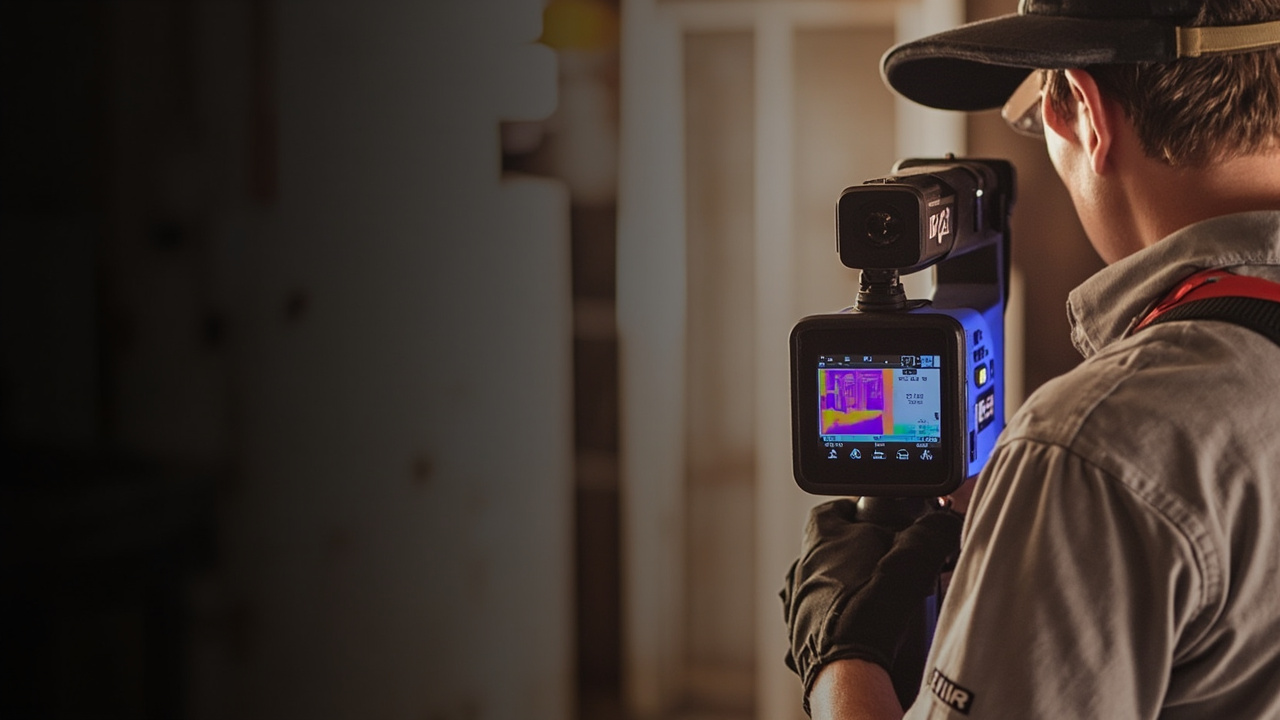
Moisture mapping uses thermal imaging and moisture meters calibrated for the specific materials in your server environment. Raised flooring, cable trays, and subfloor plenums trap water that standard extraction misses. We remove floor tiles, extract water from subfloor spaces, and verify complete drying in cable runs where residual moisture causes ongoing damage.

Air movement strategy differs from standard commercial drying. High-velocity air movers cannot blow directly onto sensitive electronics. We establish controlled airflow patterns that accelerate evaporation without creating dust circulation or static electricity buildup. Low-grain refrigerant dehumidifiers remove moisture from the air without the temperature fluctuations that harm equipment.

Cornerstone Water Damage Restoration Chicago maintains relationships with IT hardware specialists and data recovery firms. When water damage exceeds our scope, we coordinate the full recovery process, ensuring seamless handoffs and accountability throughout the restoration.

Three Critical Phases of Commercial Server Room Water Extraction

Server Room Water Damage in Chicago – Minimize Downtime with Enterprise-Grade IT Room Water Mitigation
01

Emergency Containment and Assessment

We arrive with commercial-grade extraction equipment and coordinate immediate water source isolation with your facilities management. Our technicians establish containment barriers to prevent water migration into adjacent spaces while conducting rapid moisture mapping of affected areas. We photograph equipment status, document serial numbers of impacted hardware, and provide your IT director with an initial damage assessment within the first hour. This documentation drives insurance claims and replacement equipment procurement.
02

Controlled Extraction and Drying

After establishing electrical safety protocols, we deploy truck-mounted extraction systems capable of removing hundreds of gallons per hour from raised flooring systems and subfloor plenums. Thermal imaging identifies trapped moisture in walls, cable trays, and insulation. We position commercial dehumidifiers and establish controlled airflow patterns that accelerate drying without compromising equipment. Moisture readings are logged every four hours, providing documentation of drying progress for insurance carriers and your internal stakeholders.
03

Verification and System Restoration

Final verification requires moisture readings at or below baseline levels for your specific building materials. We document complete dryness in subfloor spaces, wall cavities, and all affected building components before your IT team re-energizes equipment. Our final report includes thermal images, moisture logs, equipment status documentation, and recommendations for preventing future water intrusion events. This deliverable satisfies insurance requirements and provides your facilities team with actionable data for infrastructure improvements.

Chicago Data Center Experience and Commercial Building Expertise

Chicago's commercial real estate portfolio includes everything from historic Loop office buildings to modern data center facilities in Elk Grove Village and Franklin Park. Each building type presents unique challenges when water threatens server infrastructure. We understand the differences between legacy raised floor systems in older buildings and modern hot aisle containment designs in purpose-built facilities.

Many Chicago data centers occupy converted industrial or warehouse spaces. These facilities often have HVAC systems operating at capacity limits, making them vulnerable when extreme temperature swings stress equipment. We have responded to condensation failures in River West colocation facilities, burst pipes in Fulton Market office towers, and roof leaks impacting server rooms in Old Town commercial buildings.

Our technicians understand Chicago building codes and the specific requirements for commercial tenant spaces. We coordinate with building engineers, property management companies, and your internal facilities team to ensure restoration work complies with occupancy requirements and does not create additional liability. When work occurs in multi-tenant buildings, we establish protocols that protect neighboring tenants while addressing your emergency.

Experience with Chicago's commercial insurance carriers streamlines the claims process. We provide documentation formatted to meet carrier-specific requirements, reducing back-and-forth and accelerating claim resolution. Our estimates account for the true costs of commercial restoration in Chicago's market, preventing underpayment disputes that delay recovery.

The relationship between water damage restoration and IT infrastructure recovery requires coordination most vendors cannot provide. We maintain working relationships with Chicago-based IT service providers, hardware vendors, and data recovery specialists. When your situation requires expertise beyond water extraction, we coordinate those resources, ensuring you have a single point of accountability throughout the recovery process.

Speed matters in commercial water damage, but so does thoroughness. Incomplete drying leads to mold growth, ongoing equipment failures, and compounding costs. Our approach balances rapid water removal with the verification necessary to prevent future problems.

What Commercial Clients Can Expect During Server Room Water Recovery

Response Time and Availability

Commercial water damage demands immediate response. We maintain on-call technicians and commercial-grade equipment ready for deployment across Chicago's business districts. When you call our emergency line, you reach a technician who can dispatch immediately, not an answering service. Our average response time to downtown Chicago commercial properties is under 90 minutes from initial call. We arrive with truck-mounted extraction equipment, industrial dehumidifiers, and the documentation tools necessary for insurance claims. For after-hours emergencies, we coordinate with building security and facilities management to ensure immediate site access without delays.

Initial Assessment and Scope Development

The initial assessment determines restoration strategy and drives equipment deployment. We conduct moisture mapping using thermal imaging cameras and calibrated moisture meters, identifying all affected areas including hidden moisture in subfloor spaces and wall cavities. You receive a preliminary scope within two hours of our arrival, outlining affected areas, equipment status, and projected restoration timeline. This assessment includes photography, equipment serial number documentation, and contamination classification. We provide this information in formats your insurance carrier requires, reducing claim processing delays. The assessment identifies both immediate water removal needs and secondary concerns like potential mold growth or electrical system impacts.

Final Deliverables and Documentation

Complete restoration includes verification documentation proving moisture levels have returned to baseline standards. You receive a final report containing thermal images, moisture logs recorded throughout the drying process, and certification that all affected areas meet industry drying standards. This documentation satisfies insurance carrier requirements and protects you from future liability. We provide equipment status reports detailing which hardware was affected, contamination levels encountered, and recommendations for equipment that should be replaced versus components that can safely return to service. The final deliverable includes photographs showing the restored condition and any infrastructure recommendations to prevent future water intrusion events.

Ongoing Monitoring and Follow-Up

Commercial water damage requires follow-up verification to ensure complete resolution. We schedule post-restoration inspections at 30 and 90 days to verify no secondary moisture issues have developed. These inspections use the same thermal imaging and moisture detection equipment employed during initial restoration, providing comparative data that confirms complete drying. If your facility requires ongoing moisture monitoring due to building-specific vulnerabilities, we establish monitoring protocols and provide your facilities team with baseline moisture readings for comparison. Follow-up services include consultation on infrastructure improvements to prevent future incidents, such as leak detection systems, improved floor drainage, or HVAC upgrades that reduce condensation risks.

Frequently Asked Questions

You Have Questions,
We Have Answers

How to dehumidify a server room? +

Immediately isolate the source, then deploy commercial-grade dehumidifiers rated for continuous operation. Position units strategically near equipment racks to pull moisture from cold aisles. Monitor relative humidity with hygrometers, targeting 40-50% RH. In Chicago facilities, winterization matters because frozen pipes cause most server room floods. Run dehumidifiers for 48-72 hours minimum, checking subfloor cavities and cable trays where moisture hides. Extract standing water with wet vacs before dehumidification begins. Maintain airflow across all surfaces. Document humidity readings every 4 hours for insurance claims. Professional remediation prevents corrosion on server components and ensures compliance with ASHRAE thermal guidelines for data centers.

What are the risks of server rooms? +

Water intrusion causes immediate hardware failure and long-term corrosion. Chicago server rooms face risks from aging infrastructure, roof leaks during heavy snow melt, and basement flooding from sewer backups. Electrical hazards multiply when water contacts power distribution units or UPS systems. Downtime costs average thousands per hour for most businesses. Mold growth on insulation or drywall releases spores that damage sensitive electronics. Data loss occurs when moisture penetrates storage arrays. Fire suppression system malfunctions create secondary flooding. Condensation from HVAC failures in humid Chicago summers degrades server performance. Liability increases if client data becomes compromised. Temperature fluctuations from cooling system damage accelerate component degradation.

Can you dry out water damage? +

Yes, but speed determines success. Water damage in server rooms requires extraction within 24 hours to prevent permanent hardware loss. Remove affected equipment immediately and dry in controlled environments. Commercial air movers and dehumidifiers pull moisture from walls, subfloors, and cable management systems. Chicago facilities with raised flooring need underfloor drying because water pools in hidden cavities. Thermal imaging identifies moisture in insulation and behind racks. Desiccant dehumidification works faster than refrigerant models for critical environments. Test electrical systems before restoration. Document moisture readings at multiple points. Professional drying prevents mold, corrosion, and ensures equipment can be salvaged. Delays beyond 48 hours drastically reduce recovery rates.

What are the environmental conditions for a server room? +

Server rooms require 64-80°F temperature and 40-60% relative humidity per ASHRAE guidelines. Chicago facilities must account for seasonal swings, winterizing pipes and calibrating HVAC for summer humidity spikes from Lake Michigan moisture. Maintain positive air pressure to prevent contaminant infiltration. Airflow should be 150-300 feet per minute in cold aisles. Avoid condensation by keeping dew point below equipment surface temperatures. Monitor particulate levels because Chicago industrial areas introduce dust that clogs cooling fins. Install redundant cooling and backup power. Separate HVAC systems from general building infrastructure reduce cross-contamination risks. Water detection sensors at floor level catch leaks early. Environmental monitoring systems provide real-time alerts.

Can mold grow in 40% humidity? +

Mold growth at 40% humidity is unlikely but not impossible. Mold needs 60% relative humidity or higher to thrive. However, localized microclimates in server rooms create pockets where moisture accumulates. Water damage in Chicago facilities often leaves hidden dampness in drywall, insulation, or under raised flooring where humidity exceeds 60% even when room air reads 40%. Organic materials like dust, cardboard boxes, or cellulose-based cable insulation provide food sources. Temperature matters too. Cooler surfaces in air-conditioned server rooms attract condensation, raising local humidity. If water intrusion occurred recently, mold can establish within 48 hours in wet zones regardless of ambient readings. Always verify moisture content in building materials, not just air.

What happens when a server room is too humid? +

Excess humidity causes condensation on cold server surfaces, leading to short circuits and hardware failure. High humidity accelerates corrosion on circuit boards, connectors, and metal chassis. Dust particles absorb moisture and become conductive, creating electrical pathways that damage components. Cooling efficiency drops because humid air transfers heat poorly, forcing HVAC systems to work harder and increasing operating costs. In Chicago server rooms, summer humidity from Lake Michigan exacerbates this problem. Above 60% RH, mold grows on insulation, drywall, and cable jackets. Data transmission errors increase as moisture affects fiber optic connections. Battery backup systems degrade faster. Warranty coverage often excludes damage from improper environmental controls, leaving businesses liable for replacement costs.

Does a server room need ventilation? +

Yes. Server rooms need continuous ventilation to exhaust heat and maintain air quality. Hot aisle containment systems require exhaust paths to remove thermal load efficiently. Without ventilation, humidity builds from equipment operation and occupant respiration. Chicago building codes often mandate minimum air exchange rates for occupied electrical rooms. Ventilation prevents toxic gas accumulation from battery systems or fire suppression agents. Positive pressure ventilation keeps contaminants from entering through gaps. However, outside air must be filtered and conditioned because Chicago's industrial environment introduces particulates that damage electronics. Dedicated HVAC systems provide filtered, temperature-controlled ventilation separate from building-wide systems. Balance ventilation with humidity control to prevent introducing moisture during rainy seasons or snow melt periods.

Is IT legal to host an MC server? +

Yes, hosting a Minecraft server is legal. No federal or Illinois state law prohibits running game servers for personal or commercial use. Legality depends on how you use it. Hosting for friends or public communities is lawful. Selling access without proper business licensing could violate local Chicago commercial activity regulations. Copyright concerns arise only if you distribute modified game files without permission. Terms of service violations with your internet provider matter more than legal issues. Some Chicago ISPs prohibit server hosting on residential accounts due to bandwidth usage. Commercial hosting requires appropriate zoning if operating from physical premises. Ensure compliance with data privacy laws if collecting user information. This question rarely relates to water damage concerns in professional data centers.

Do servers give off eMF? +

Yes, servers emit electromagnetic fields from power supplies, processors, and data transmission. EMF levels are low and well below FCC safety limits for occupational exposure. Concerns about health effects remain unproven for typical server room exposure. Chicago facilities with dense rack configurations produce higher cumulative EMF, but shielded cables and metal chassis contain most radiation. EMF does not cause water damage or increase risk during flooding events. However, EMF interference can disrupt sensitive medical equipment in adjacent spaces. Proper grounding and cable management reduce stray fields. Water damage creates greater EMF hazards because wet conditions increase electrical current leakage and shock potential. Focus on environmental controls and water intrusion prevention rather than EMF mitigation in server room design.

How likely is mold after water damage? +

Mold growth after water damage is highly likely without immediate remediation. Mold establishes within 24-48 hours when humidity exceeds 60% and organic materials stay wet. Server rooms in Chicago face elevated risk because basement locations trap moisture and older buildings have hidden water pathways. Drywall, insulation, ceiling tiles, and cardboard absorb water quickly. Even after surface drying, moisture trapped in wall cavities or under raised flooring feeds mold growth. Professional extraction and dehumidification within 24 hours reduces likelihood significantly. Thermal imaging detects hidden moisture. Air quality testing confirms spore levels post-remediation. Mold releases corrosive compounds that damage electronics and violates indoor air quality standards, creating liability for building operators. Prevention requires rapid response and thorough drying.

Why Chicago's Climate Creates Unique Server Room Condensation Risks

Chicago experiences temperature swings exceeding 100 degrees between January lows and July highs. These extremes stress HVAC systems in climate-controlled server environments. When outdoor temperatures plunge below zero, supply pipes carrying water above server rooms become condensation risks. The differential between frigid pipe surfaces and humid indoor air creates moisture that drips onto equipment racks below. Summer humidity compounds the problem, forcing HVAC systems to run continuously to maintain temperature and humidity setpoints. When this equipment fails during a heat wave, condensation forms rapidly on chilled surfaces throughout the server room, threatening hardware before facilities teams detect the problem.

Chicago's commercial building codes require specific standards for data center environments, including redundant HVAC systems and leak detection in raised floor plenums. Properties built before these requirements took effect often lack adequate protection. We understand which Chicago buildings present higher risks and how to work within their existing infrastructure during emergency restoration. Our familiarity with local mechanical contractors, electricians, and IT service providers ensures coordinated response when water damage requires multi-discipline expertise. This local knowledge base reduces response complexity and accelerates restoration timelines for Chicago businesses facing server room water emergencies.
Water Damage Restoration Services in The Chicago Area

Cornerstone proudly serves the entire Chicago area with fast, dependable water damage restoration services. Whether you’re located in downtown, the suburbs, or surrounding neighborhoods, we’re ready to respond to your call—day or night. Use the map below to see our local service coverage and find our nearest team. With mobile units throughout the city, help is never far away. If you’re facing water damage, reach out now and let us show you why homeowners and businesses choose Cornerstone.

Address:
Cornerstone Water Damage Restoration Chicago, 171 N Aberdeen St, Chicago, IL, 60607

Additional Services We Offer

Our news updates

Latest Articles & News from The Blogs

High Humidity and Mold Growth in Chicago Summers What Homeowners Need to Know Your basement smells musty. Your bathroom mirror…

Why high humidity in the Chicago summer makes water damage worse in Calumet Heights

High Humidity and Mold Growth in Chicago Summers What Homeowners Need to Know Your basement smells musty. Your bathroom mirror…

Managing water damage restoration in the high-end luxury builds of the Near North Side

Luxury Home Water Damage Restoration in Chicago's Near North Side A burst pipe at 2 AM in your Gold Coast…

How we use thermal imaging to find hidden leaks in West Ridge homes

Expert Infrared Leak Detection in Chicago Homes and Businesses A hidden pipe leak can destroy your property long before you…

Contact Us

Every minute of server downtime costs revenue and risks data loss. Contact Cornerstone Water Damage Restoration Chicago immediately at (872) 266-1616 for emergency server room water extraction. Our commercial response teams deploy across Chicago 24 hours a day, minimizing business interruption and protecting your critical infrastructure.