




menu

School & University Restoration in Chicago | Minimize Downtime and Protect Your Academic Mission

When water damage threatens your educational facility, you need a restoration partner who understands that every hour of disruption affects students, faculty, and operations. Cornerstone Water Damage Restoration Chicago delivers rapid, compliant solutions for academic building water damage repair across the Chicago metro.

Slider Image 1
Slider Image 2
Slider Image 3
Slider Image 4
Slider Image 5
Slider Image 7
Slider Image 8
Slider Image 9
Slider Image 10
Slider Image 11

Water Damage in Chicago Educational Facilities Demands Immediate, Coordinated Response

Chicago's freeze-thaw cycles create unique vulnerabilities for educational facilities. When temperatures drop below freezing, then spike back up during winter months, aging infrastructure in older academic buildings becomes a liability. Burst pipes in dormitories, roof leaks in lecture halls, and HVAC failures in science labs disrupt operations and put expensive equipment at risk.

The consequences extend beyond structural damage. University flood cleanup services must address contamination concerns in dining facilities, mold risks in library collections, and electrical hazards in computer labs. Chicago's high water table, particularly in areas near Lake Michigan, compounds drainage issues when storm systems overwhelm outdated systems.

Educational facility water damage restoration requires specialized knowledge of institutional building codes and the capacity to mobilize teams across multiple buildings simultaneously. A single water intrusion event can affect classrooms, administrative offices, and residential housing all at once. Standard restoration timelines do not work when you are managing semester schedules, accreditation requirements, and the safety of thousands of occupants.

Chicago institutions face additional pressure from the city's strict commercial building codes and Title IX compliance mandates. Water damage in dormitories triggers habitability concerns. Damaged athletic facilities affect NCAA requirements. Flooded research labs put grant funding at risk. You need college campus water remediation that understands these intersecting compliance layers while executing fast enough to limit academic disruption.

The longer water sits, the more it costs. Structural drying becomes secondary damage mitigation when you factor in lost tuition revenue, displaced students, and interrupted research programs. School disaster recovery services must account for both the physical restoration and the operational continuity plan.

Water Damage in Chicago Educational Facilities Demands Immediate, Coordinated Response
Our Institutional Restoration Protocol Prioritizes Operations and Compliance

Our Institutional Restoration Protocol Prioritizes Operations and Compliance

We deploy multi-zone containment strategies that allow unaffected areas to remain operational while we restore damaged sections. This approach minimizes campus-wide shutdowns and keeps your institution functional. Our teams use negative air pressure systems to prevent cross-contamination between zones, which matters when you are protecting sensitive research equipment or maintaining clean environments in medical training facilities.

Our extraction process begins with truck-mounted pumps capable of removing thousands of gallons per hour from flooded basements, tunnels, and mechanical rooms. We follow with industrial desiccant dehumidifiers and axial air movers positioned based on psychrometric readings, not guesswork. Every piece of equipment is calibrated to Chicago's humidity patterns, which shift dramatically between lake-effect weather systems and continental air masses.

We document moisture levels in real time using thermal imaging and moisture meters that generate reports for your risk management team and insurance carriers. This data proves mitigation efforts meet IICRC S500 standards for water damage restoration, which protects you from future liability claims. Our technicians are trained in antimicrobial application for Category 2 and Category 3 water intrusions, which is common when sewage backups affect lower-level facilities or storm surge overwhelms campus drainage.

For academic building water damage repair, we coordinate with your facilities management team to identify critical path items. HVAC restoration takes priority when you need climate control for server rooms. Electrical system drying comes first when you are protecting laboratory equipment. Structural repairs align with your academic calendar so construction noise does not disrupt final exams or summer programming.

We maintain chain-of-custody protocols for damaged property and provide detailed inventories for insurance claims. This level of documentation matters when you are accounting for destroyed library materials, damaged lab equipment, or ruined administrative records.

How Campus Restoration Unfolds from Emergency Call to Full Operation

School & University Restoration in Chicago | Minimize Downtime and Protect Your Academic Mission
01

Rapid Mobilization and Triage

We dispatch assessment teams within two hours of your call, equipped with moisture detection tools and containment supplies. Our initial walk-through identifies affected zones, establishes containment boundaries, and prioritizes areas based on your operational needs. We coordinate with campus security and facilities staff to ensure safe access and minimize student exposure to work zones.
02

Extraction and Environmental Control

Our crews remove standing water using submersible pumps and portable extractors, then establish drying chambers with commercial dehumidifiers and air movers. We monitor temperature, humidity, and moisture content every 12 hours, adjusting equipment placement as materials dry. Antimicrobial treatments are applied to affected surfaces to prevent microbial growth in porous materials like drywall and insulation.
03

Restoration and Clearance Testing

Once moisture levels meet industry drying standards, we begin reconstruction work, replacing damaged materials and restoring finishes to match existing conditions. Final clearance testing includes air quality sampling and surface testing to confirm the environment is safe for reoccupancy. We provide documentation packages that satisfy your insurance carrier, local building inspectors, and internal risk management requirements.

Why Chicago Institutions Trust Us with Campus Restoration

Chicago's educational facilities operate under layers of regulatory oversight that standard contractors do not navigate well. The city's stringent commercial building codes require permits for structural repairs, even when restoring existing conditions. Our teams understand the inspection process and maintain relationships with Chicago Department of Buildings inspectors, which accelerates approval timelines when you are racing to reopen dormitories or classrooms.

We are familiar with the architectural challenges present in Chicago's historic academic buildings. Many campuses include structures built in the early 1900s with unreinforced masonry, outdated plumbing systems, and minimal moisture barriers. These buildings require specialized drying techniques that prevent secondary damage to historic materials while meeting modern safety standards. Our technicians understand how to dry plaster walls without causing cracking and how to treat water-damaged hardwood floors in ways that preserve their integrity.

Our capacity matters when you are managing large-scale incidents. We can mobilize crews across multiple buildings simultaneously, which is necessary when a single storm system affects your entire campus. This scalability prevents bottlenecks that delay recovery and extends your operational disruption.

We also understand the unique liability concerns educational institutions face. Water damage in student housing triggers habitability requirements. Delayed remediation can lead to mold claims that affect students with respiratory conditions. Our rapid response model and documented mitigation efforts provide the paper trail your general counsel needs to defend against future claims.

Local expertise extends to understanding Chicago's insurance market for educational institutions. We work directly with adjusters who specialize in institutional property claims and provide the documentation they require for timely claim resolution. This experience reduces friction in the claims process and accelerates funding for repairs.

Cornerstone Water Damage Restoration Chicago maintains the equipment inventory and trained workforce necessary to handle institutional-scale projects. You are not our testing ground for complex restorations. We deliver proven protocols that minimize your downtime and protect your mission.

What Your Facilities Team Should Expect from Campus Restoration

Response Time and Mobilization Capacity

We maintain 24/7 dispatch capability and guarantee initial response within two hours for emergency calls from Chicago educational facilities. Our fleet includes truck-mounted extraction units, portable generators, and industrial drying equipment pre-staged for rapid deployment. When you call, you reach a project manager who can immediately commit resources, not an answering service that schedules callbacks. We understand that water damage does not wait for business hours, and neither do we.

Comprehensive Damage Assessment and Mitigation Planning

Our initial assessment includes thermal imaging, moisture mapping, and airflow analysis to identify all affected areas, including hidden moisture in wall cavities and subfloor assemblies. We provide a written mitigation plan within four hours that outlines containment zones, drying timelines, and restoration phases. This document gives your administration the information needed to make decisions about class relocations, housing arrangements, and communication with students and parents about facility status.

Quality of Restoration and Material Matching

We restore damaged areas to pre-loss condition using materials that match existing finishes and meet current building codes. Our reconstruction teams include licensed tradespeople who handle electrical, plumbing, and HVAC repairs as part of the restoration process. You receive a turnkey solution that returns your facility to full operation without coordinating multiple contractors. Final inspections and clearance testing confirm the space is safe for reoccupancy before we turn it back over to you.

Documentation and Ongoing Support

We provide detailed documentation throughout the restoration process, including daily moisture readings, photo documentation, and equipment logs. This creates a defensible record for insurance claims and demonstrates due diligence in preventing secondary damage. After project completion, you receive a comprehensive report that includes before and after photos, clearance test results, and recommendations for preventing future water intrusions. We remain available for follow-up questions and warranty support on completed work.

Frequently Asked Questions

You Have Questions,
We Have Answers

What is the biggest problem facing schools today? +

Aging infrastructure remains the biggest problem facing schools today. Chicago schools particularly struggle with outdated HVAC systems, deteriorating plumbing, and water damage from old roofs and windows. Deferred maintenance leads to emergency shutdowns, learning disruptions, and costly reactive repairs. Budget constraints force administrators to choose between academic programs and facility upkeep. Water intrusion from freeze-thaw cycles damages walls, creates mold, and compromises indoor air quality. These issues directly impact student attendance and teacher retention. Proactive restoration planning reduces long-term costs and keeps facilities operational through Chicago's harsh seasonal transitions.

What is school beautification? +

School beautification means upgrading visible building elements to create safer, more inspiring learning environments. This includes exterior facade restoration, fresh paint, updated signage, landscaping improvements, and modernized entryways. For Chicago schools, beautification often addresses winter salt damage to concrete, graffiti removal, and replacing broken fixtures. The goal extends beyond cosmetics. Studies show improved facilities boost student morale, reduce behavioral issues, and strengthen community pride. Commercial restoration contractors coordinate beautification projects during summer breaks to minimize disruption. Well-maintained buildings also signal responsible stewardship to taxpayers and potential donors.

Is Harvard a university or a school? +

Harvard is both. Harvard University comprises multiple schools including Harvard College, the undergraduate division. The term university denotes an institution offering graduate and professional programs beyond undergraduate study. Harvard includes law, medical, business, and graduate schools under one university system. This matters for facility restoration planning because universities require specialized infrastructure. Labs need water-resistant finishes, dormitories need rapid emergency response protocols, and historic campus buildings in climates like Chicago demand preservation-grade materials. Restoration contractors must understand these operational differences when bidding educational projects.

Which is better, school or college? +

Neither is inherently better. The choice depends on your educational and career objectives. Colleges typically focus on undergraduate degrees in specific fields. Universities offer broader graduate and research programs. From a facility management perspective, both face similar restoration challenges in Chicago. Age of buildings, occupancy density, and deferred maintenance affect both equally. Decision-makers at colleges and universities prioritize minimizing downtime during restoration work. Summer break scheduling becomes critical. Both institutions require contractors who understand educational operations, code compliance for assembly spaces, and coordination with multiple stakeholders across campus departments.

What is the biggest defect in our present system of education? +

The biggest defect is the mismatch between funding and facility needs. Schools operate in buildings designed decades ago without modern technology infrastructure or climate resilience. In Chicago, many educational facilities lack proper moisture barriers, updated electrical systems, and adequate ventilation. This creates learning environments that hinder rather than support education. Budget allocations favor immediate operational costs over long-term capital improvements. The result is reactive crisis management instead of proactive maintenance. Facilities deteriorate until emergency restoration becomes unavoidable. Strategic planning and phased restoration programs address this defect by spreading costs while maintaining safe, functional learning spaces.

What are the signs of school burnout? +

School burnout manifests as chronic exhaustion, declining academic performance, increased absenteeism, emotional withdrawal, and loss of motivation. Students show irritability, difficulty concentrating, and physical symptoms like headaches. While primarily psychological, poor building conditions worsen burnout. Inadequate lighting, poor air quality from mold or aging HVAC systems, uncomfortable temperatures, and visibly neglected facilities create stressful environments. Chicago schools facing harsh winters with inconsistent heating amplify student stress. Facility restoration directly impacts wellness. Properly maintained buildings with good air quality, natural light, and comfortable temperatures support mental health and reduce environmental stressors contributing to burnout.

What is the 10 rule for school? +

The 10 rule typically refers to behavioral or academic guidelines specific to individual schools. No universal 10 rule exists across education. Some schools reference a 10-minute early arrival expectation or a 10-point grading scale variation. From a facilities perspective, maintenance professionals sometimes reference the 1-10 rule, spending one dollar on preventive maintenance saves ten dollars in emergency repairs. This applies directly to Chicago school buildings where winter weather accelerates deterioration. Addressing minor water intrusion immediately prevents major structural damage. Administrators should prioritize routine inspections and small repairs over deferring maintenance until catastrophic failure requires expensive emergency restoration.

What are the benefits of renovating a school? +

Renovating schools delivers measurable returns. Updated facilities improve student attendance, test scores, and teacher retention. Energy-efficient systems reduce operational costs. Addressing water damage and mold improves indoor air quality and reduces illness-related absences. Modern security features enhance safety. In Chicago, weatherization upgrades reduce heating costs during brutal winters. Renovations extend building lifespan, deferring expensive reconstruction. Compliance with current building codes reduces liability. Community perception improves, supporting bond referendums and enrollment in choice districts. Scheduled renovation during breaks minimizes disruption. Strategic phased projects maintain continuous operations while systematically upgrading aging infrastructure.

Which school has the most beautiful campus? +

Beauty is subjective and varies by architectural preference. Universities like Stanford, University of Virginia, and Princeton frequently appear on rankings for campus aesthetics. Each features distinct architectural styles and landscaping. Chicago-area schools like Northwestern University and University of Chicago showcase impressive Gothic and modern designs along Lake Michigan. However, aesthetics matter less than functionality for restoration purposes. Beautiful campuses still face water damage, structural issues, and system failures. Administrators must balance historic preservation with practical upgrades. Climate challenges in Chicago require restoration contractors who protect architectural character while implementing modern waterproofing, drainage, and building envelope improvements.

Why did Bill Gates quit Harvard? +

Bill Gates left Harvard to pursue Microsoft full-time in 1975. He saw immediate commercial opportunity in personal computing software and needed to act quickly. Gates had already co-founded Microsoft and secured contracts requiring his full attention. The decision involved timing and risk assessment rather than dissatisfaction with Harvard. This question rarely relates to facility restoration, but it illustrates decision-making under time pressure. Similarly, school administrators face urgent choices when water damage or system failures threaten operations. Delayed decisions worsen damage and increase costs. Swift action during facility emergencies protects the institution and minimizes business interruption.

How Chicago's Lakefront Climate and Aging Campus Infrastructure Create Water Damage Risks

Chicago educational institutions face compounding water damage risks from lake-effect precipitation and aging infrastructure built before modern waterproofing standards existed. Campuses located near Lake Michigan experience higher humidity levels and more frequent freeze-thaw events than inland areas. Many academic buildings constructed in the 1960s and 1970s used building envelope designs that are inadequate for current weather patterns. Flat roofs with minimal drainage capacity fail during heavy rain events. Underground steam tunnels develop condensation issues that lead to chronic moisture problems in connected buildings. These conditions require school disaster recovery services that understand both the climate factors and the structural vulnerabilities present in Chicago's educational facilities.

Our teams understand Chicago's municipal code requirements for commercial water damage restoration, including permit requirements for structural repairs and inspection protocols for reoccupancy. We maintain working relationships with local building inspectors and understand the documentation they require for educational facilities. This local knowledge accelerates project timelines and prevents delays caused by compliance issues. When you work with a restoration company that operates primarily in other markets, you risk project stalls while they learn local requirements. We bring that expertise to every project from day one.
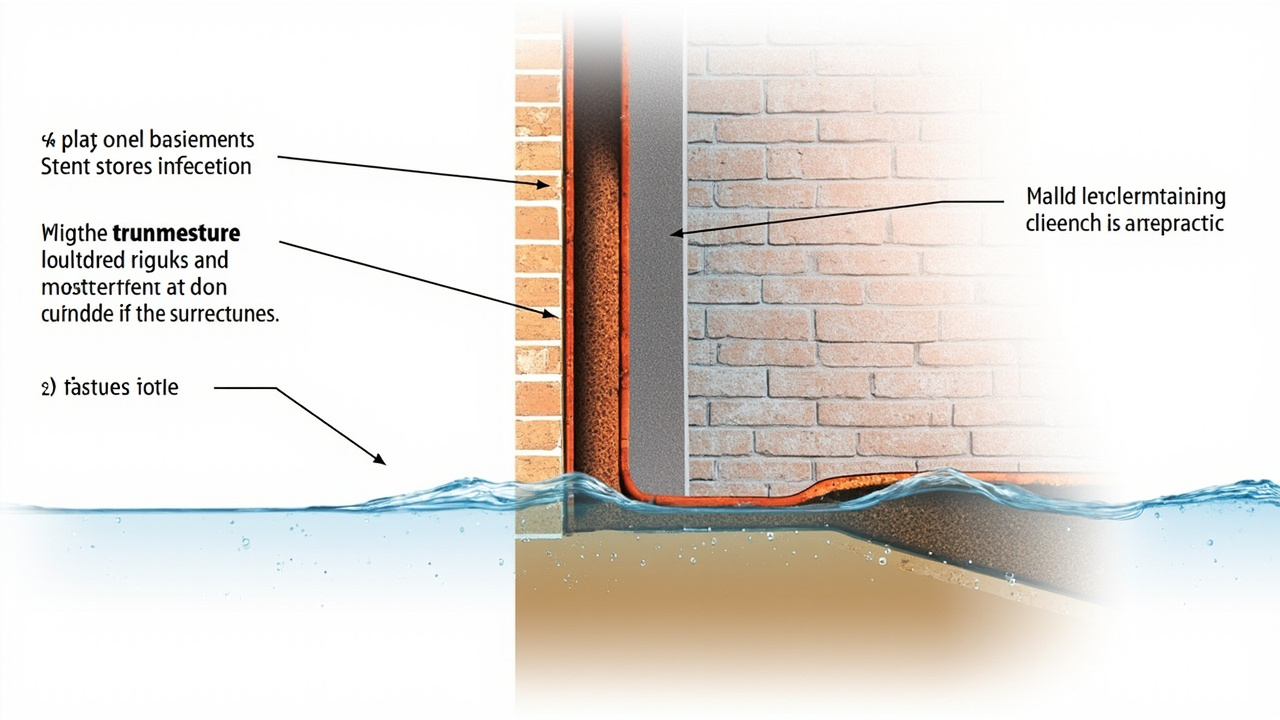
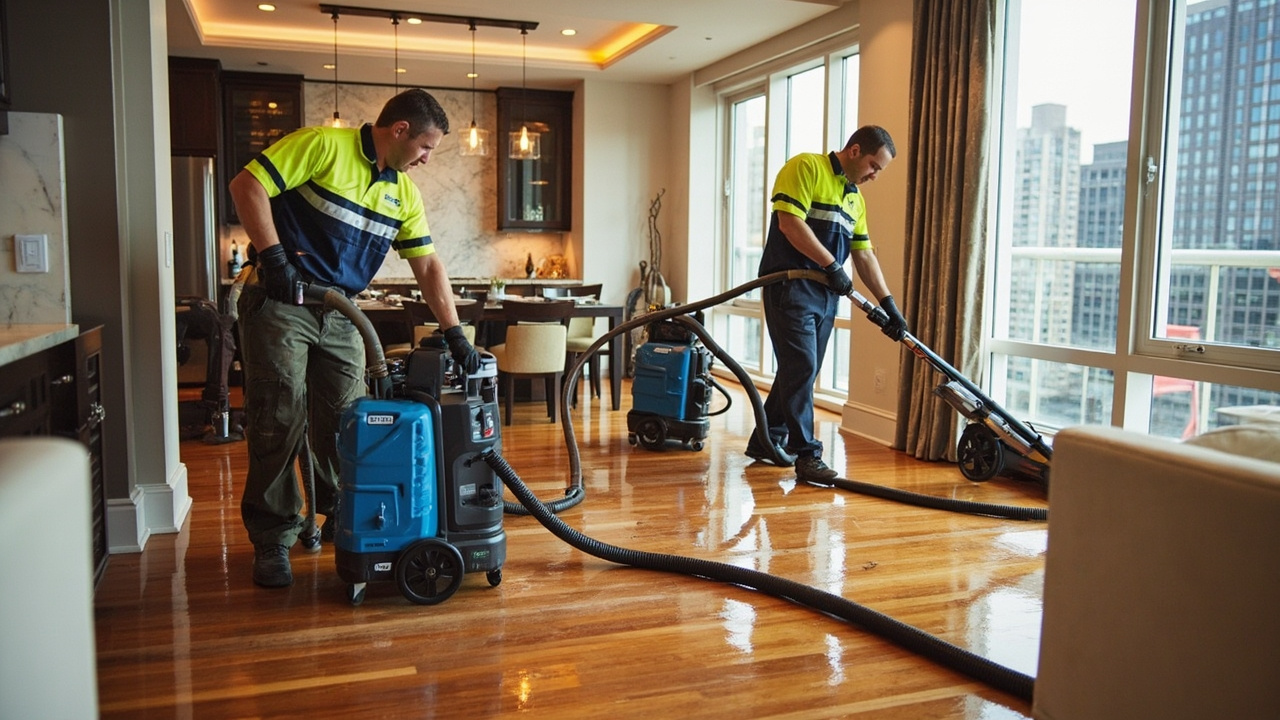
Water Damage Restoration Services in The Chicago Area

Cornerstone proudly serves the entire Chicago area with fast, dependable water damage restoration services. Whether you’re located in downtown, the suburbs, or surrounding neighborhoods, we’re ready to respond to your call—day or night. Use the map below to see our local service coverage and find our nearest team. With mobile units throughout the city, help is never far away. If you’re facing water damage, reach out now and let us show you why homeowners and businesses choose Cornerstone.

Address:
Cornerstone Water Damage Restoration Chicago, 171 N Aberdeen St, Chicago, IL, 60607

Additional Services We Offer

Our news updates

Latest Articles & News from The Blogs

High Humidity and Mold Growth in Chicago Summers What Homeowners Need to Know Your basement smells musty. Your bathroom mirror…

Why high humidity in the Chicago summer makes water damage worse in Calumet Heights

High Humidity and Mold Growth in Chicago Summers What Homeowners Need to Know Your basement smells musty. Your bathroom mirror…

Managing water damage restoration in the high-end luxury builds of the Near North Side

Luxury Home Water Damage Restoration in Chicago's Near North Side A burst pipe at 2 AM in your Gold Coast…

How we use thermal imaging to find hidden leaks in West Ridge homes

Expert Infrared Leak Detection in Chicago Homes and Businesses A hidden pipe leak can destroy your property long before you…

Contact Us

Water damage in educational facilities requires immediate action and institutional expertise. Call Cornerstone Water Damage Restoration Chicago at (872) 266-1616 for 24/7 emergency response. We mobilize teams within two hours and deliver restoration solutions that minimize disruption to your academic mission.