


menu

Sanitization & Odor Removal in Chicago – Complete Disinfection and Deodorization After Water Damage

Cornerstone Water Damage Restoration Chicago delivers antimicrobial treatment and odor abatement services that eliminate pathogens, neutralize persistent smells, and restore safe indoor air quality after flooding, sewage backups, or storm damage throughout Chicagoland.

Slider Image 1
Slider Image 2
Slider Image 3
Slider Image 4
Slider Image 5
Slider Image 7
Slider Image 8
Slider Image 9
Slider Image 10
Slider Image 11

Why Water Damage in Chicago Creates Serious Contamination and Odor Problems

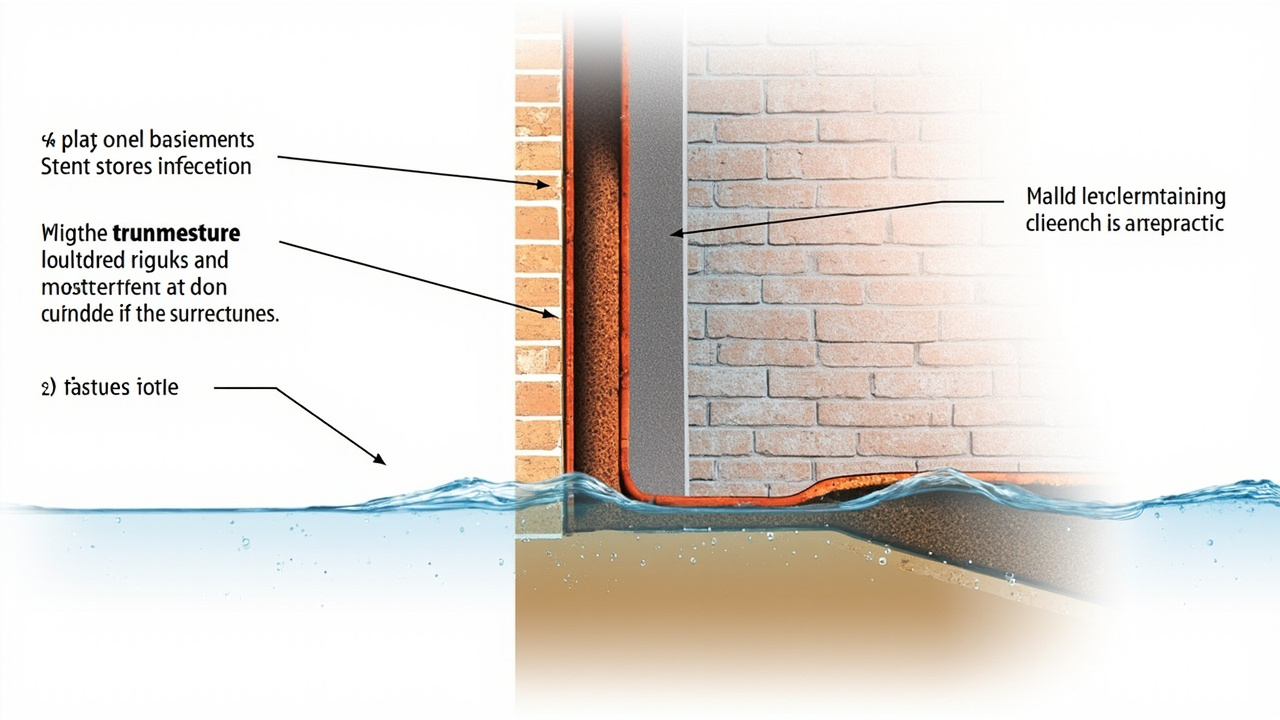
Chicago's humidity and freeze-thaw cycles create conditions where water damage quickly becomes a biohazard. When Lake Michigan weather dumps rain or snow into basements, or when aging sewer lines back up into crawl spaces, you are not dealing with clean water. Category 2 greywater and Category 3 blackwater contain bacteria, viruses, and organic matter that start multiplying within hours. The city's brick and limestone foundation buildings hold moisture longer than modern construction, which accelerates microbial growth.

You smell it first. That damp, musty odor means mold spores are colonizing drywall and insulation. If sewage is involved, the smell becomes unbearable, and the health risks multiply. Residents in neighborhoods like Lincoln Park, Pilsen, and Rogers Park often face these issues after spring flooding or winter pipe bursts. Standard cleaning does not solve the problem because surface-level work leaves contaminants embedded in porous materials.

Disinfection and deodorization require professional-grade antimicrobial treatment and odor control services that penetrate subflooring, wall cavities, and HVAC systems. Without proper sanitizing and deodorizing, you are left with hidden pathogens and odors that return weeks later. Chicago's dense housing stock means contamination can spread between units in multi-family buildings, making fast, thorough odor abatement critical for everyone's safety.

Why Water Damage in Chicago Creates Serious Contamination and Odor Problems
How Professional Sanitization and Odor Removal Works in Water Damage Restoration

How Professional Sanitization and Odor Removal Works in Water Damage Restoration

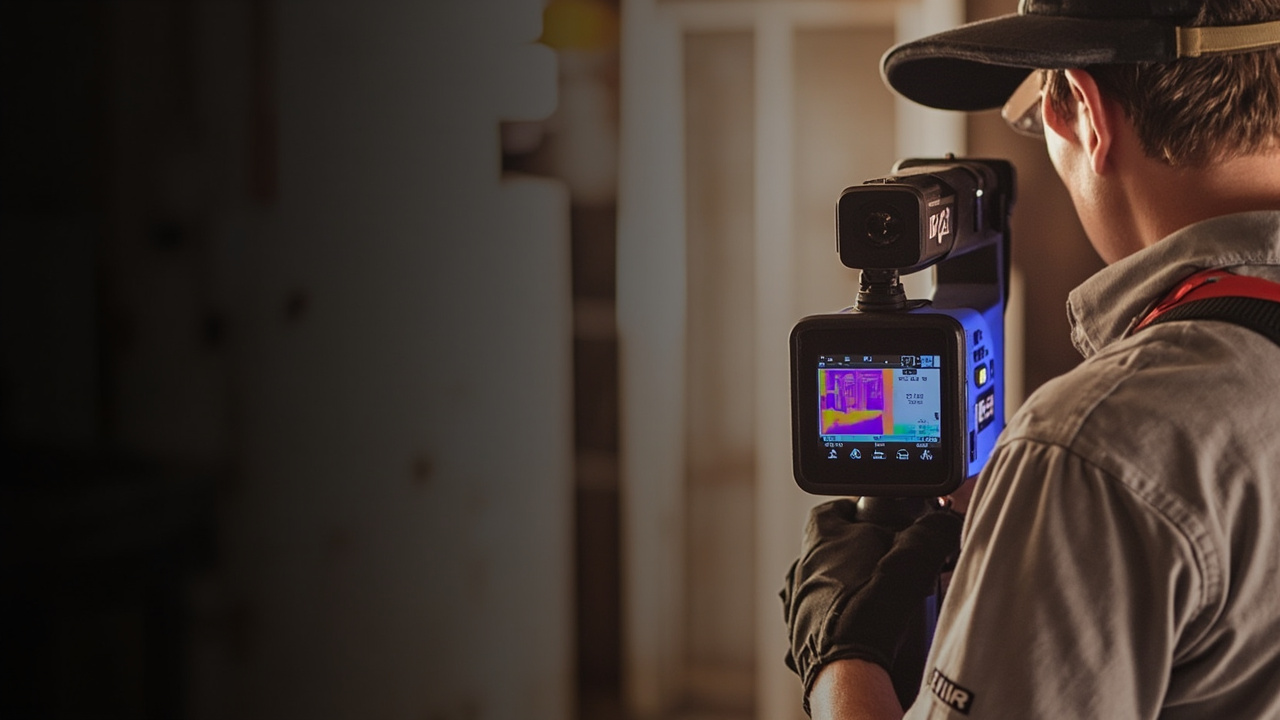
Effective sanitization and odor removal starts with identifying the contamination source and moisture extent. We use moisture meters and thermal imaging to map affected areas, including hidden cavities where bacteria thrive. Once we know the scope, we remove all non-salvageable materials. Soaked insulation, compromised drywall, and saturated subflooring cannot be sanitized and must go.

Next, we apply EPA-registered antimicrobial treatments to all remaining surfaces. These solutions kill bacteria, viruses, and mold spores on contact. We focus on porous materials like wood framing and concrete where pathogens penetrate deep. For sewage contamination, we use hospital-grade disinfectants that meet CDC guidelines for Category 3 water cleanup. This is not household bleach. We are applying concentrated biocides that require proper dilution ratios and dwell times to be effective.

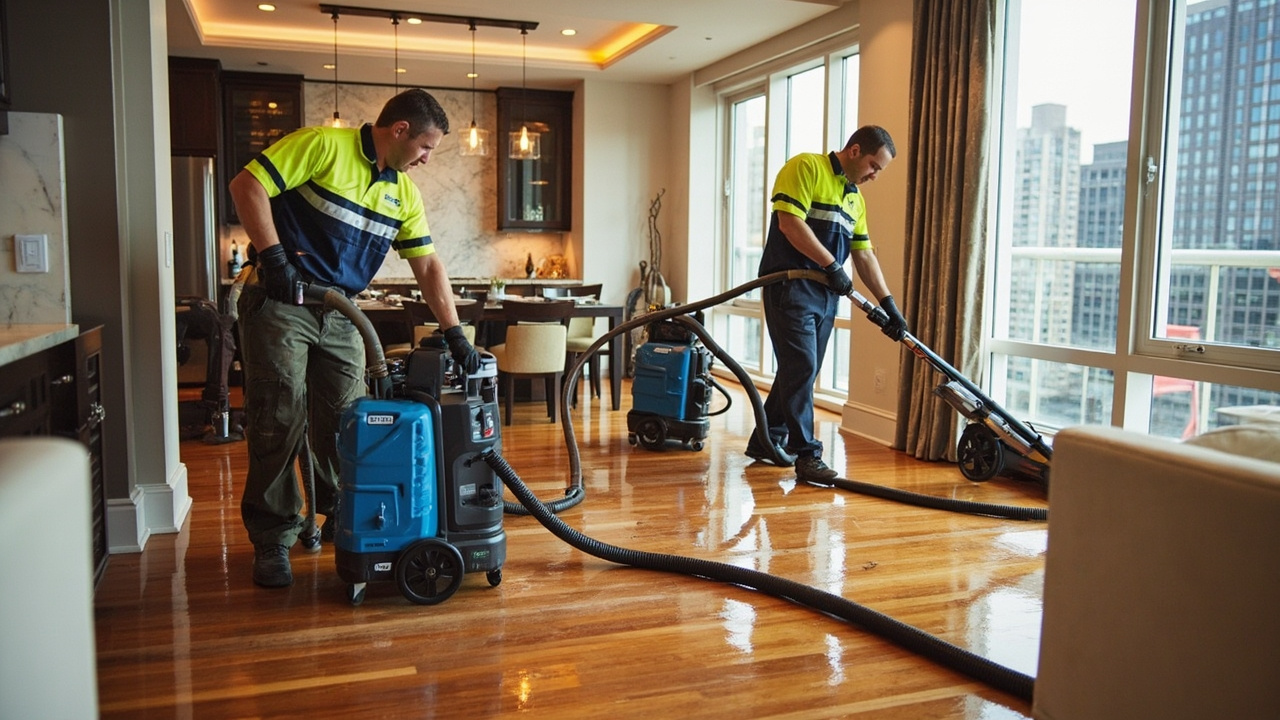
Odor abatement requires different chemistry. We use hydroxyl generators and ozone machines to break down odor molecules at the molecular level. These systems oxidize volatile organic compounds trapped in materials, eliminating smells instead of masking them. For persistent odors in HVAC systems, we fog ductwork with deodorizing agents and treat coils with antimicrobial coatings. We also apply enzyme-based cleaners to organic residues like sewage or decomposed matter, which standard disinfectants cannot remove.

The final step involves air scrubbing with HEPA filtration to capture airborne particulates and spores released during the cleaning process. This creates negative air pressure that prevents cross-contamination to unaffected areas.

What You Can Expect During Our Sanitization and Odor Removal Process

Sanitization & Odor Removal in Chicago – Complete Disinfection and Deodorization After Water Damage
01

Contamination Assessment

We inspect the entire affected area with moisture detection equipment and document contamination levels. You receive a detailed scope that identifies Category 1, 2, or 3 water involvement and explains which materials require removal versus treatment. We test air quality and surface samples when health concerns exist, giving you baseline data before we start work. This assessment determines the correct antimicrobial protocols and personal protective equipment our technicians need.
02

Antimicrobial Application

After removing compromised materials, we apply EPA-registered disinfectants to all surfaces using electrostatic sprayers and foggers for complete coverage. Wood framing gets injected treatments, and concrete receives penetrating sealers with antimicrobial additives. We follow manufacturer-specified contact times, ensuring disinfectants remain wet on surfaces long enough to kill pathogens. For mold contamination, we apply fungicides that prevent regrowth. HVAC systems receive separate treatment to eliminate airborne spores circulating through ductwork.
03

Odor Neutralization and Verification

We deploy hydroxyl generators or thermal foggers loaded with odor-counteractant solutions that chemically neutralize smell molecules. These systems run continuously for 24 to 72 hours depending on odor severity. We conduct post-treatment air quality testing to verify odor elimination and confirm microbial levels meet safe thresholds. You receive documentation showing before and after readings, plus antimicrobial certificates for insurance claims. We do not leave until you can verify the space smells clean and test results confirm safety.

Why Chicago Property Owners Choose Cornerstone for Sanitization and Odor Control

Chicago's building stock presents unique challenges that require local expertise. Many homes and commercial buildings in neighborhoods like Wicker Park and Bridgeport were built before 1940, with brick exteriors and limestone foundations that absorb and hold water differently than modern construction. We understand how moisture migrates through these older materials and where contamination hides in balloon-framed walls and timber floor joists.

Our technicians hold IICRC certifications in Applied Microbial Remediation and Odor Control, which means we follow science-based protocols, not guesswork. We know the difference between surface cleaning and true disinfection. When sewage backs up from Chicago's combined sewer system during heavy rain, we follow OSHA bloodborne pathogen standards because that water contains human waste and potential biohazards that require Level C personal protective equipment and proper disposal procedures.

We also understand Cook County's strict regulations on antimicrobial product use and disposal. Not all disinfectants are legal for residential use, and improper application can create liability. We use only EPA-registered products approved for occupied spaces, and we provide Safety Data Sheets for every chemical applied in your property.

Local insurance adjusters recognize our documentation standards. We provide detailed scopes, moisture logs, and antimicrobial certificates that meet carrier requirements for Category 2 and 3 water claims. This speeds up your claim process and reduces the chance of coverage disputes. When you are dealing with contaminated water in a city where mold can bloom in 48 hours, you need a team that moves fast and documents thoroughly.

What to Expect When You Hire Us for Sanitization and Odor Removal

Response Time and Availability

We dispatch technicians to Chicago properties within two hours of your call, 24 hours a day. Contamination worsens with every passing hour, so we start containment and assessment immediately. You receive a written scope and timeline within four hours of our arrival. Most residential sanitization projects take two to five days depending on square footage and contamination severity. Commercial projects require custom scheduling to minimize business disruption, and we can work overnight shifts to keep your operations running. We communicate daily progress and adjust timelines if hidden contamination is discovered during demolition.

Inspection and Testing Process

Our initial inspection includes thermal imaging, moisture mapping, and visual contamination assessment. We document everything with photos and moisture readings. If mold is visible or air quality is questionable, we recommend third-party testing through an independent hygienist. This gives you unbiased data and creates a clear remediation target. We explain which materials can be saved and which require removal, and we outline the specific antimicrobial protocols we will use. You receive a detailed estimate that breaks down labor, materials, and disposal costs before we start any work.

Final Outcome and Air Quality

When we finish, your property smells clean and tests clean. We conduct final moisture readings to confirm all materials are dry, and we run air quality tests to verify microbial levels meet EPA and IICRC standards. You receive a Certificate of Sanitization that documents the antimicrobial products used, application rates, and contact times. This certificate satisfies insurance requirements and provides proof for future buyers or tenants. We also provide post-remediation recommendations for preventing future contamination, including basement waterproofing suggestions and sump pump maintenance schedules specific to Chicago's climate.

Follow-Up and Prevention

We return 30 days after completion for a complimentary follow-up inspection to verify no odors or moisture issues have returned. If we find any problems, we address them immediately at no additional cost. We also provide maintenance guidance for HVAC systems and crawl spaces where humidity can trigger mold regrowth. For commercial clients, we offer quarterly antimicrobial treatments to maintain indoor air quality in high-traffic areas. Our team stays available for questions or concerns long after the project closes, because we know contamination worries do not disappear the day we pack up our equipment.

Frequently Asked Questions

You Have Questions,
We Have Answers

What is the strongest odor eliminator? +

Hydroxyl generators and ozone machines rank as the strongest odor eliminators for severe contamination. Hydroxyl technology breaks down odor molecules at a molecular level without requiring evacuation, making it safer for occupied spaces. Ozone works faster but demands complete evacuation during treatment. For Chicago properties dealing with smoke damage from urban fires or flooding from Lake Michigan storms, professionals combine these tools with enzymatic cleaners that digest organic matter. Over-the-counter products mask odors temporarily. True elimination requires identifying the source, removing contaminated materials, and using commercial-grade oxidation technology. DIY solutions fail against embedded odors in porous materials like drywall and subflooring.

What do nursing homes use to get rid of urine smell? +

Nursing homes rely on enzymatic cleaners containing bio-active bacteria that digest urine crystals at the molecular level. These products break down uric acid rather than masking the smell. Facilities also use hydroxyl generators for room-level treatment and quaternary ammonium compounds for surface disinfection. In Chicago nursing homes built before 1980, porous flooring materials like terrazzo or old linoleum trap urine deep in grout lines and subfloors. Professional remediation often requires subflooring replacement and antimicrobial sealants. Blacklight inspection identifies hidden contamination. Proper treatment combines enzymatic digestion, extraction cleaning, and air purification. Surface cleaning alone leaves odor-causing bacteria in porous substrates.

How do I permanently get rid of a bad smell in my house? +

Permanent odor removal requires finding and eliminating the source, not masking it. Start with a thorough inspection using blacklight for organic stains and moisture meters for hidden water damage common in Chicago basements. Remove contaminated materials like padding, drywall, or insulation that trap odor molecules. Clean all surfaces with enzymatic or oxidizing agents. Run hydroxyl generators or ozone machines to treat airborne and embedded odors. Seal porous surfaces with antimicrobial paint or encapsulants. Address ventilation issues that trap moisture and odors. If you cannot locate the source or the smell returns after cleaning, professionals use thermal imaging and gas detection to pinpoint hidden contamination.

What do nurses use to block smells? +

Nurses use mentholated ointments like Vicks VapoRub applied under the nostrils to block unpleasant smells during patient care. Peppermint or eucalyptus oil on surgical masks provides similar relief. Some facilities provide scented masks or essential oil inhalers. These methods mask odors temporarily but do not eliminate them. For Chicago healthcare workers dealing with biohazard cleanup or hoarding situations, proper PPE including respirators with HEPA or activated carbon filters provides real protection. Medical-grade air purifiers with activated carbon stages filter airborne contaminants. Blocking smells addresses comfort, but removal requires enzymatic cleaners, proper ventilation, and source elimination to protect health and safety.

What kills all smells? +

Nothing kills all smells universally, but oxidation breaks down most organic odor molecules. Hydroxyl radicals and ozone destroy odor compounds at a molecular level rather than masking them. Activated carbon adsorption traps volatile organic compounds but requires periodic replacement. Enzymatic cleaners digest biological odors like urine, feces, and decomposition. For smoke damage common in Chicago multi-unit buildings, thermal fogging penetrates porous materials. Each odor type requires specific treatment. Ammonia-based smells need acidic neutralizers. Protein decomposition requires enzymatic digestion. Professionals combine multiple technologies based on contamination type. DIY air fresheners and sprays only mask odors temporarily without addressing the molecular source.

What do hotels use to make the room smell good? +

Hotels use a combination of high-efficiency air filtration, regular deep cleaning, and light scent diffusion through HVAC systems. Commercial-grade air purifiers with HEPA and activated carbon filters remove airborne particles and odors. Housekeeping uses enzymatic cleaners on soft surfaces and ozone treatment between guests when needed. Many pump subtle scents like citrus or linen through ventilation systems, creating a signature smell. Chicago hotels in older buildings fight mustiness from humidity and aging infrastructure with dehumidifiers and antimicrobial treatments. The key is prevention through ventilation and moisture control, not just masking. Fresh-smelling rooms start with truly clean, dry environments and proper air exchange rates.

What is the old lady's smell called? +

The smell associated with aging, often called nonenal odor, comes from 2-nonenal, a chemical compound produced when skin oils break down as people age. It creates a grassy or greasy smell on fabrics and in living spaces. The compound intensifies in poorly ventilated rooms common in Chicago vintage apartments and bungalows. Removal requires washing fabrics with enzymatic detergents, improving air circulation, and using activated carbon air purifiers. Simply masking with air fresheners does not work because 2-nonenal bonds to fabric fibers. Regular cleaning of soft furnishings, carpet replacement if saturated, and hydroxyl treatment for severe cases eliminates the odor. Proper ventilation prevents reaccumulation.

How do professionals remove pee smell? +

Professionals remove urine smell through a multi-step process. First, blacklight inspection locates all contamination, including subfloor penetration. Extraction equipment removes liquid from carpet and padding. Enzymatic cleaners digest uric acid crystals that cause persistent odor. For severe contamination in Chicago properties with wood subfloors, professionals remove padding and treat or replace affected subflooring. Antimicrobial sealants lock in any remaining odor molecules. Hydroxyl generators or ozone machines treat airborne and embedded odors in surrounding materials. Surface cleaning alone fails because urine penetrates grout, wood grain, and concrete. Complete removal requires addressing all contaminated layers and using bio-active enzymes that break down uric acid compounds.

What do morticians use to block smell? +

Morticians use a combination of formaldehyde-based embalming fluids, antimicrobial disinfectants, and environmental controls to manage decomposition odors. They apply scented powders and creams to bodies and use air purification systems with activated carbon filters in preparation rooms. For crime scene or unattended death cleanup in Chicago properties, restoration professionals cannot use embalming chemicals. They rely on enzymatic cleaners that digest organic matter, ozone or hydroxyl generators for air treatment, and removal of all contaminated porous materials. Proper PPE including respirators with organic vapor cartridges protects workers. Complete decontamination requires treating all surfaces, sealing porous substrates, and using industrial oxidation technology.

What is the hardest smell to get rid of in a house? +

Decomposition odor ranks as the hardest smell to eliminate because protein breakdown creates multiple volatile compounds that penetrate all porous materials. Smoke damage from structure fires follows closely, as combustion byproducts bond to every surface. In Chicago properties, these odors saturate wood framing, concrete, and ductwork. Pet urine that has soaked into subfloors for years also proves difficult because uric acid crystallizes deep in materials. Removal requires complete demolition of contaminated porous materials, ozone or hydroxyl treatment, and antimicrobial sealing of remaining surfaces. Partial cleaning leaves odor molecules that reactivate with humidity. Professional remediation costs less than failed DIY attempts and material replacement.

How Chicago's Sewer System and Lake Humidity Create Persistent Odor and Contamination Risks

Chicago's combined sewer system overflows during heavy rain, sending diluted sewage into basements through floor drains and sump pits. This creates Category 3 blackwater contamination that requires full antimicrobial protocols and proper disposal of affected materials. Lake Michigan's proximity keeps humidity levels elevated year-round, especially in neighborhoods near the shoreline like Edgewater and Hyde Park. This constant moisture accelerates mold growth and makes odor control more difficult because damp air holds volatile organic compounds longer. Winter condensation on cold foundation walls adds another moisture source that feeds microbial growth, making sanitization and deodorization a recurring need for many Chicago properties.

Cook County requires specific permits for asbestos and lead abatement in older buildings, and many pre-1980 structures contain these materials. When we perform sanitization in historic Chicago neighborhoods, we coordinate with licensed environmental contractors to handle hazardous materials safely and legally. Our familiarity with local building codes and Health Department regulations ensures your project meets all compliance requirements. We also work directly with Chicago-area insurance adjusters who understand the contamination risks unique to this region, which helps secure proper claim approvals. Choosing a local team means you get someone who knows the difference between a standard water loss and a sewage backup covered under a separate endorsement.
Water Damage Restoration Services in The Chicago Area

Cornerstone proudly serves the entire Chicago area with fast, dependable water damage restoration services. Whether you’re located in downtown, the suburbs, or surrounding neighborhoods, we’re ready to respond to your call—day or night. Use the map below to see our local service coverage and find our nearest team. With mobile units throughout the city, help is never far away. If you’re facing water damage, reach out now and let us show you why homeowners and businesses choose Cornerstone.

Address:
Cornerstone Water Damage Restoration Chicago, 171 N Aberdeen St, Chicago, IL, 60607

Additional Services We Offer

Our news updates

Latest Articles & News from The Blogs

High Humidity and Mold Growth in Chicago Summers What Homeowners Need to Know Your basement smells musty. Your bathroom mirror…

Why high humidity in the Chicago summer makes water damage worse in Calumet Heights

High Humidity and Mold Growth in Chicago Summers What Homeowners Need to Know Your basement smells musty. Your bathroom mirror…

Managing water damage restoration in the high-end luxury builds of the Near North Side

Luxury Home Water Damage Restoration in Chicago's Near North Side A burst pipe at 2 AM in your Gold Coast…

How we use thermal imaging to find hidden leaks in West Ridge homes

Expert Infrared Leak Detection in Chicago Homes and Businesses A hidden pipe leak can destroy your property long before you…

Contact Us

Contamination and odors worsen every hour you wait. Call Cornerstone Water Damage Restoration Chicago at (872) 266-1616 now for immediate dispatch and a detailed assessment. We provide transparent pricing, complete documentation for insurance, and guaranteed odor elimination.