



menu

Risks of DIY Water Cleanup in Chicago – Why Amateur Restoration Leads to Mold, Structural Damage, and Hidden Health Hazards

Understanding the dangers of DIY water damage restoration protects your family and your property. Chicago homeowners who skip professional water removal often face hidden mold growth, electrical hazards, and structural failure within weeks of a flood or pipe burst.

Slider Image 1
Slider Image 2
Slider Image 3
Slider Image 4
Slider Image 5
Slider Image 7
Slider Image 8
Slider Image 9
Slider Image 10
Slider Image 11

Why DIY Water Cleanup Fails in Chicago Homes

You mop up the water. You run a box fan. You think the problem is solved. Then three weeks later, you smell mildew behind the drywall.

Chicago's climate makes amateur water cleanup particularly dangerous. The city's high humidity levels, especially during summer months near Lake Michigan, create perfect conditions for mold colonization within 24 to 48 hours. When you extract water without industrial-grade equipment, you miss the moisture trapped in wall cavities, beneath subflooring, and inside ceiling joists.

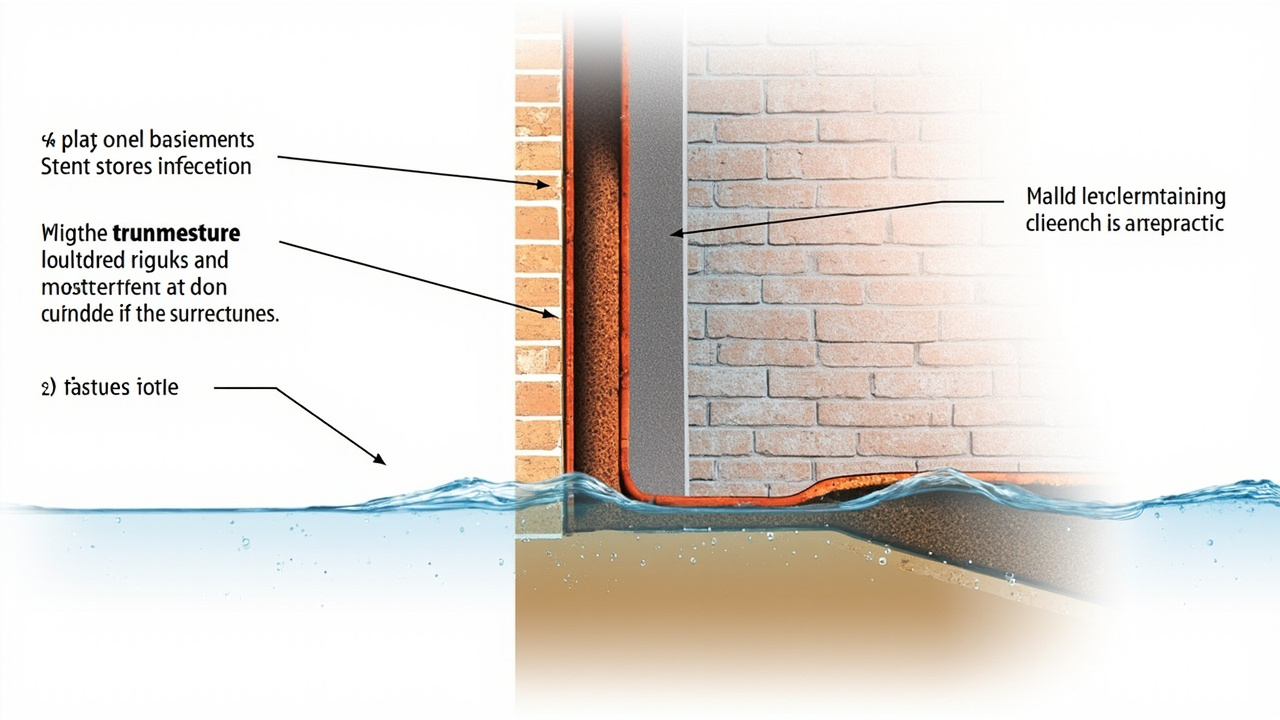
The hazards of do-it-yourself water removal extend beyond visible damage. Standing water seeps into porous materials like the brick and masonry common in Chicago's vintage homes and multi-unit buildings. Without proper moisture meters and thermal imaging, you cannot detect these hidden pockets. The consequences of amateur water cleanup include compromised structural integrity, especially in homes with basement foundation walls that already contend with the city's clay soil expansion and hydrostatic pressure.

DIY methods also expose you to contaminated water categories. If your flooding came from a sewage backup, toilet overflow, or exterior groundwater infiltration, you are dealing with Category 2 or Category 3 water containing bacteria, viruses, and chemical contaminants. Box store wet vacuums do not sanitize or prevent cross-contamination. The hidden risks of self-managed water mitigation include E. coli exposure, hepatitis transmission, and respiratory infections from airborne pathogens released during improper drying.

Chicago homes built before 1978 may also contain lead paint and asbestos. Water damage exposes these materials, and disturbing them without containment protocols creates serious health risks. The pitfalls of DIY water extraction compound when you lack personal protective equipment, proper ventilation, and knowledge of hazardous material handling.

Why DIY Water Cleanup Fails in Chicago Homes
How Professional Water Restoration Prevents Long-Term Damage

How Professional Water Restoration Prevents Long-Term Damage

Professional water damage restoration follows IICRC S500 standards, which define the science of drying structures and preventing secondary damage. This is not about mopping faster. It is about psychrometry, the study of air and moisture interaction.

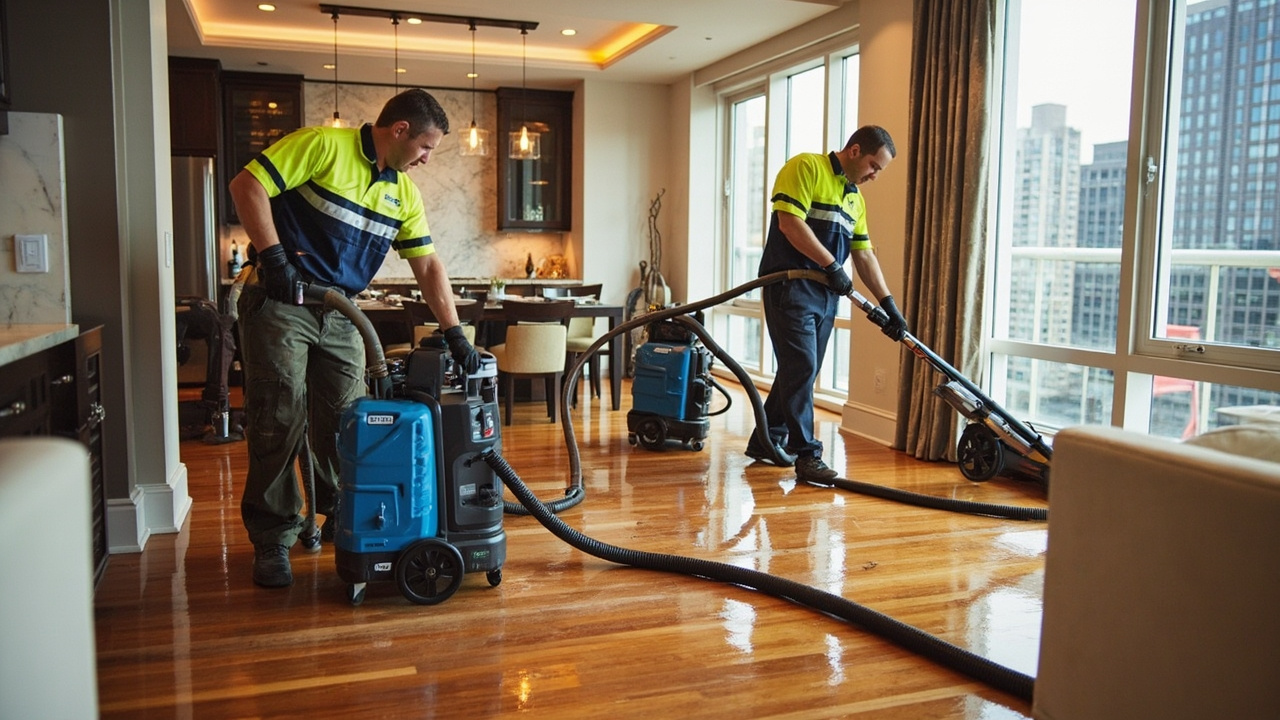
Trained technicians measure temperature, relative humidity, and dew point to calculate the proper drying rate for your specific materials. Chicago's two-story brick bungalows require different drying protocols than high-rise concrete condominiums. We use truck-mounted extraction units that pull 10 times more water than consumer vacuums, reducing drying time and preventing microbial amplification.

After extraction, we deploy commercial air movers and low-grain refrigerant dehumidifiers to create controlled evaporation. Air movers are positioned based on airflow mapping, not guesswork. Dehumidifiers remove moisture from the air before it re-condenses on cooler surfaces like exterior walls facing Lake Michigan's prevailing winds.

Moisture mapping with penetrating and non-penetrating meters identifies wet areas invisible to the eye. We document moisture levels in wall studs, insulation, and subflooring to establish a drying baseline. Daily monitoring ensures materials reach their dry standard before reconstruction begins. Hardwood flooring must reach 6 to 9 percent moisture content. Drywall must drop below 1 percent on a non-invasive meter scale.

We also contain affected areas with negative air pressure and HEPA filtration to prevent mold spores from migrating to clean zones. Antimicrobial treatments are applied to affected surfaces after drying, not before. Pre-treating wet materials traps moisture and creates a false sense of security. Proper sequencing matters.

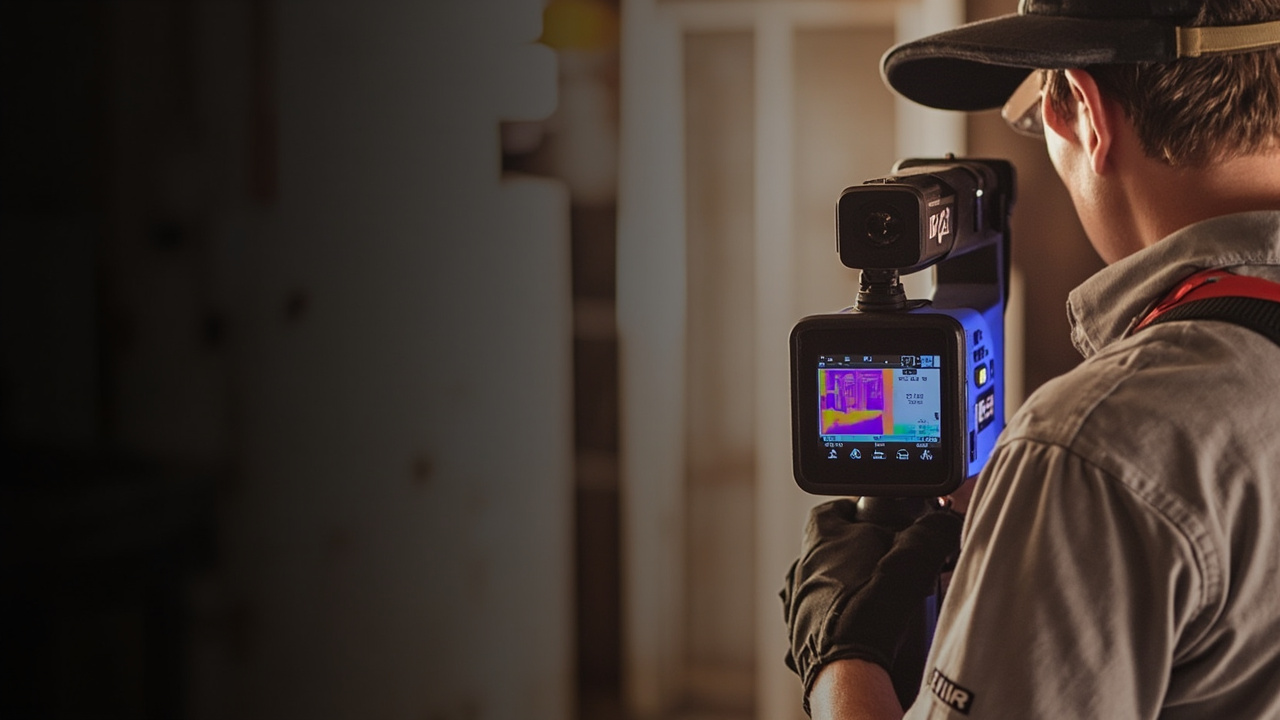
Thermal imaging cameras detect temperature differentials caused by evaporative cooling, revealing hidden water intrusion paths behind cabinetry, inside wall chases, and under tile. This technology prevents the number one failure mode of DIY cleanup: incomplete drying.

What Happens When You Call a Professional Instead of Going It Alone

Risks of DIY Water Cleanup in Chicago – Why Amateur Restoration Leads to Mold, Structural Damage, and Hidden Health Hazards
01

Emergency Contact and Assessment

You call our emergency line and speak with a live technician, not an answering service. We gather details about the water source, affected areas, and safety hazards. Our team arrives within 90 minutes, equipped with moisture detection tools and extraction equipment. We perform an initial assessment, classify the water category, and identify immediate risks like electrical hazards, structural instability, or sewage contamination before beginning any work.
02

Water Extraction and Containment

Truck-mounted extractors remove standing water from carpets, padding, and hard surfaces. We pull baseboards and drill weep holes in wall cavities to drain trapped water. Containment barriers with negative air machines prevent cross-contamination and control humidity in unaffected rooms. We document the scope of damage with photos and moisture readings for your insurance claim, creating a drying plan specific to your building materials and the ambient conditions in your Chicago neighborhood.
03

Controlled Drying and Verification

Commercial dehumidifiers and air movers run continuously under monitored conditions. We check moisture levels twice daily, adjusting equipment placement and airflow as materials dry. Drying is complete when moisture readings match the dry standard for each material type. We provide a certificate of drying and a final report documenting the entire mitigation process. This documentation is required for insurance settlements and protects you from future liability if mold appears later.

Why Chicago Homeowners Trust Cornerstone Water Damage Restoration Chicago

We understand how Chicago buildings respond to water damage. The city's housing stock includes everything from 1920s courtyard apartments with plaster walls to modern South Loop condos with concrete slabs. Each construction type requires different drying strategies.

Older homes in neighborhoods like Logan Square and Avondale often have balloon framing, where wall cavities run uninterrupted from basement to attic. Water travels vertically through these chases, spreading damage across multiple floors. We know to check upper levels even when the water started in the basement. Modern buildings use platform framing with fire blocking, which limits vertical migration but allows water to spread horizontally between units. We adjust containment and drying protocols accordingly.

Chicago's combined sewer system also creates unique risks. During heavy rain events, sewage backups affect thousands of homes annually. We are trained in biohazard remediation and follow OSHA bloodborne pathogen standards when handling Category 3 water. Our technicians wear appropriate PPE, including respirators, gloves, and protective suits. We dispose of contaminated materials according to Illinois EPA regulations.

Local building codes also matter. Chicago requires permits for structural drying in some cases, especially when wall cavities are opened or electrical systems are affected. We coordinate with city inspectors and ensure compliance with Title 14B of the Municipal Code. This protects you from permit violations that can complicate insurance claims or future property sales.

We also work directly with your insurance carrier. Our estimators use Xactimate software, the same platform used by most adjusters. We document damage with detailed photo logs, moisture maps, and equipment placement diagrams. This reduces claim disputes and speeds up payment. Many DIY cleanup attempts fail because homeowners lack proper documentation, leading to denied claims months later when mold appears.

Our response time matters in a city where freezing temperatures cause thousands of pipe bursts each winter. We are available 24 hours a day, including holidays, because water damage does not wait for business hours.

What to Expect When You Hire Professional Water Damage Restoration

Rapid Response and Immediate Mitigation

Time is your enemy after water damage. Mold begins growing within 24 to 48 hours, and structural materials lose integrity as they remain saturated. We arrive within 90 minutes of your call, even during overnight emergencies. Our trucks carry extraction equipment, air movers, dehumidifiers, and moisture detection tools so we can begin work immediately. We do not schedule appointments days later. Emergency water removal starts the moment we assess the damage and confirm safety. Faster response means less secondary damage, lower restoration costs, and reduced risk of mold colonization.

Comprehensive Inspection and Moisture Mapping

Our technicians use thermal imaging cameras, penetrating pin meters, and non-invasive moisture sensors to identify all affected areas. We check behind appliances, inside wall cavities, under flooring, and in ceiling plenums. Hidden moisture is the primary cause of failed DIY cleanups. We document every reading and create a moisture map showing wet zones, drying progress, and completion status. This map becomes part of your permanent record and proves to your insurance company that drying was done correctly. We also test for elevated humidity levels in adjacent rooms to prevent cross-contamination.

Complete Drying and Verified Results

Professional drying is not about running fans until things feel dry. It is about achieving the dry standard for each material type using psychrometric principles. We monitor temperature, relative humidity, and specific humidity to calculate vapor pressure and ensure proper evaporation rates. Drywall must reach below 1 percent moisture content on a non-invasive scale. Wood framing must dry to 15 percent or lower. Concrete slabs can take five to seven days to release trapped moisture. We verify drying completion with documented readings before removing equipment. You receive a certificate of drying that protects you if issues arise later.

Antimicrobial Treatment and Odor Control

Once drying is verified, we apply EPA-registered antimicrobial treatments to all affected surfaces. These products kill bacteria, viruses, and mold spores that survive the drying process. We also treat porous materials like subflooring and wall framing that cannot be fully sanitized with surface cleaning alone. Odor control involves hydroxyl generators or ozone treatment, depending on the contamination level and material sensitivity. We do not mask odors with air fresheners. We eliminate the source. If sewage contamination occurred, we follow IICRC S500 guidelines for Category 3 water, which often requires removal of porous materials like drywall, insulation, and carpeting that cannot be adequately disinfected.

Frequently Asked Questions

You Have Questions,
We Have Answers

How Chicago's Lake Effect Humidity Amplifies the Dangers of DIY Water Cleanup

Chicago's proximity to Lake Michigan creates elevated humidity levels that persist year-round, even during winter months. This lake effect humidity slows evaporation and extends drying times far beyond what DIY methods can handle. When you use box fans and open windows, you are fighting ambient moisture levels that hover between 60 and 80 percent relative humidity during summer months. Professional dehumidifiers counteract this by creating a controlled low-humidity environment, forcing trapped moisture out of materials regardless of outdoor conditions. Without this controlled drying, your home remains damp long enough for mold colonies to establish. The pitfalls of DIY water extraction in Chicago include underestimating how the local climate works against natural drying methods.

Cornerstone Water Damage Restoration Chicago has worked in every neighborhood from Rogers Park to Beverly, restoring homes after pipe bursts, sump pump failures, and storm flooding. We understand Chicago building codes, including the specific requirements in Title 14B for structural repairs and ventilation. Our technicians are IICRC-certified and trained in the unique challenges of Chicago construction, from vintage masonry buildings to modern high-rises. Local expertise matters because the consequences of amateur water cleanup are more severe here than in drier climates. We coordinate with city inspectors, work directly with local insurance adjusters, and respond faster because we are based in your community. When you hire local professionals, you get teams who understand how your building was constructed and how it responds to water damage.
Water Damage Restoration Services in The Chicago Area

Cornerstone proudly serves the entire Chicago area with fast, dependable water damage restoration services. Whether you’re located in downtown, the suburbs, or surrounding neighborhoods, we’re ready to respond to your call—day or night. Use the map below to see our local service coverage and find our nearest team. With mobile units throughout the city, help is never far away. If you’re facing water damage, reach out now and let us show you why homeowners and businesses choose Cornerstone.

Address:
Cornerstone Water Damage Restoration Chicago, 171 N Aberdeen St, Chicago, IL, 60607

Additional Services We Offer

Our news updates

Latest Articles & News from The Blogs

High Humidity and Mold Growth in Chicago Summers What Homeowners Need to Know Your basement smells musty. Your bathroom mirror…

Why high humidity in the Chicago summer makes water damage worse in Calumet Heights

High Humidity and Mold Growth in Chicago Summers What Homeowners Need to Know Your basement smells musty. Your bathroom mirror…

Managing water damage restoration in the high-end luxury builds of the Near North Side

Luxury Home Water Damage Restoration in Chicago's Near North Side A burst pipe at 2 AM in your Gold Coast…

How we use thermal imaging to find hidden leaks in West Ridge homes

Expert Infrared Leak Detection in Chicago Homes and Businesses A hidden pipe leak can destroy your property long before you…

Contact Us

Every hour you wait increases mold risk and repair costs. Our emergency team is standing by 24 hours a day to respond to your water damage crisis. Call (872) 266-1616 now for immediate dispatch and a free damage assessment. Do not let DIY mistakes cost you thousands in mold remediation and structural repairs.