

menu

Retail Store Water Cleanup in Chicago – Minimize Downtime and Protect Your Revenue Stream

Commercial retail water extraction teams mobilize within hours to restore your Chicago storefront, salvage inventory, and return your business to full operation with minimal revenue loss and zero code violations.

Slider Image 1
Slider Image 2
Slider Image 3
Slider Image 4
Slider Image 5
Slider Image 7
Slider Image 8
Slider Image 9
Slider Image 10
Slider Image 11

Water Events in Chicago Retail Spaces Cost More Than You Think

A burst pipe in your Chicago retail location does not just flood your floor. It stops sales. It damages inventory. It creates liability exposure. It triggers lease compliance issues.

Chicago's aging commercial infrastructure compounds the risk. Buildings in the Loop and near North Side often house retail spaces with galvanized supply lines installed before 1970. These corrode from the inside. Winter freeze-thaw cycles stress connections in unheated mechanical rooms. Lake Michigan's humidity accelerates mold colonization in porous materials within 48 hours.

Store flood cleanup services must address immediate extraction and long-term structural drying. Water migrates into subfloors, wall cavities, and HVAC plenums. Surface drying is not enough. Incomplete commercial retail water extraction leads to microbial growth, which triggers health department scrutiny and customer complaints.

Retail water damage restoration requires speed and scale. You cannot afford to close for a week while a residential crew works through the damage with household equipment. You need truck-mounted extractors, commercial dehumidifiers rated for 200-plus pints per day, and teams that understand Chicago's commercial building codes.

The cost of inaction compounds hourly. Lost sales, spoiled merchandise, lease default penalties, and potential ADA violations if egress routes remain blocked. Shop water damage mitigation is not about saving your floors. It is about protecting your cash flow and keeping your doors open. Retail water remediation in Chicago demands a commercial-grade response with the capacity to handle large-scale water events without disrupting adjacent tenants or violating municipal codes.

Water Events in Chicago Retail Spaces Cost More Than You Think
Our Commercial Water Extraction Methodology for Retail Environments

Our Commercial Water Extraction Methodology for Retail Environments

We do not treat retail spaces like flooded basements. Our approach prioritizes business continuity and revenue protection.

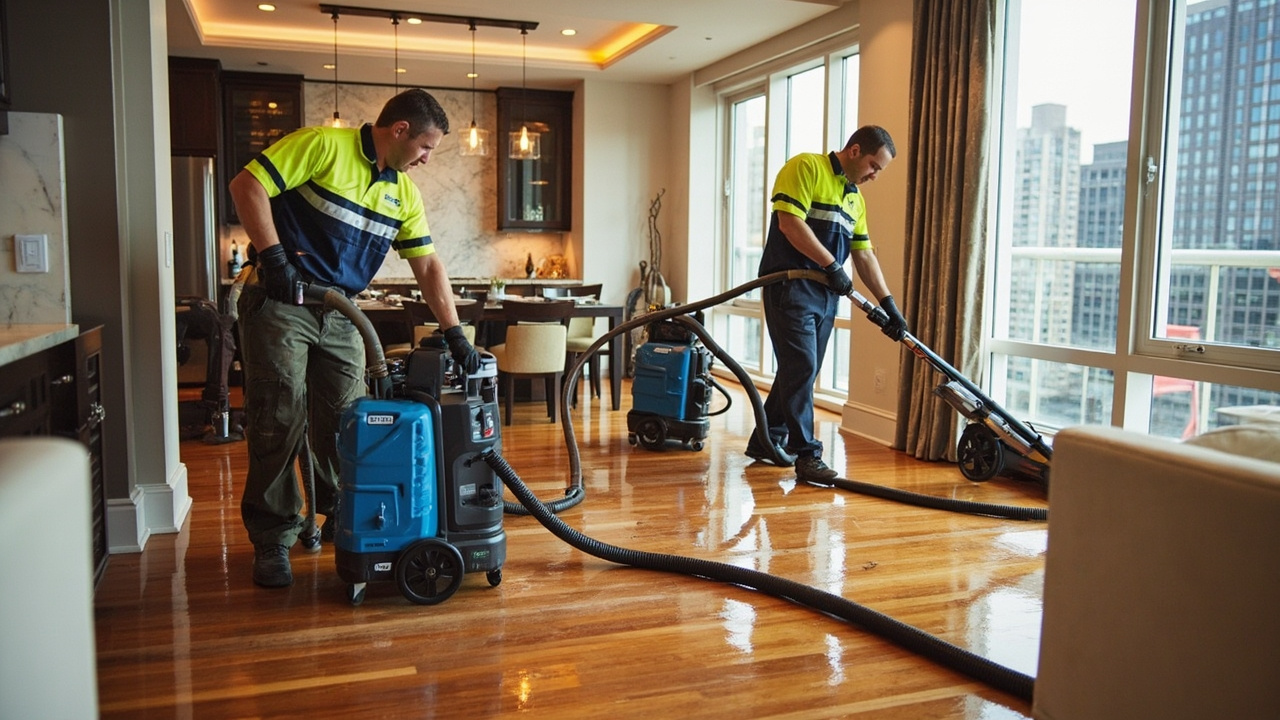
We deploy truck-mounted extraction units capable of removing thousands of gallons per hour. Portable extractors handle isolated zones without shutting down your entire operation. We section off affected areas with containment barriers, allowing unaffected zones to remain open for customers.

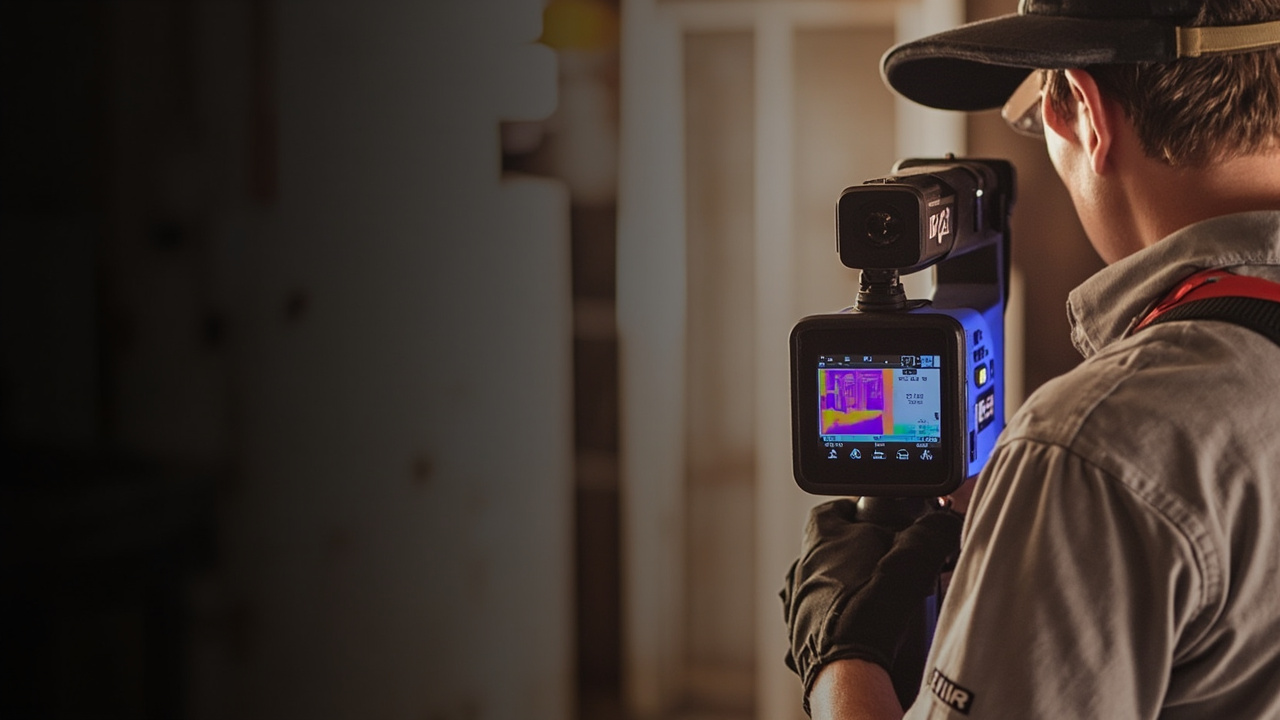
Inventory triage happens first. We separate salvageable stock from write-offs using moisture meters and thermal imaging. Porous goods like textiles and paper products receive immediate assessment. Non-porous items get surface cleaned and logged. This process provides documentation for your insurance adjuster and minimizes inventory loss.

Structural drying follows extraction. We place commercial dehumidifiers and air movers in strategic positions to create negative pressure zones. This prevents cross-contamination into clean areas. We monitor moisture content in subflooring, drywall, and framing using calibrated hygrometers. Drying targets follow IICRC S500 standards, which most Chicago commercial insurers require for claim approval.

Antimicrobial application happens after structural drying but before reconstruction. We use EPA-registered solutions on all affected surfaces. This step prevents mold colonization and eliminates liability concerns if customers or employees report respiratory issues weeks later.

Code compliance checks occur throughout the process. Chicago requires commercial spaces to maintain specific egress widths, fire suppression access, and electrical safety standards during restoration. We coordinate with your property manager and building engineer to ensure all work meets municipal inspection requirements.

Our teams work overnight shifts when necessary. Retail water damage restoration in high-traffic areas like Michigan Avenue or State Street cannot disrupt peak shopping hours. We stage equipment after close and demobilize before open. You maintain sales. We handle the damage.

How Store Flood Cleanup Works in Chicago Retail Spaces

Retail Store Water Cleanup in Chicago – Minimize Downtime and Protect Your Revenue Stream
01

Emergency Water Extraction

Our teams arrive with truck-mounted extractors and portable pumps to remove standing water from your retail floor. We prioritize customer areas first, then back-of-house spaces. Extraction begins within two hours of your call. We document pre-loss conditions with photos and moisture readings for your insurance carrier. All contaminated water gets disposed of according to Chicago Department of Water Management regulations.
02

Structural Drying and Monitoring

Commercial dehumidifiers and air movers run continuously to remove moisture from subflooring, walls, and fixtures. We take moisture readings every 12 hours using penetrating and non-invasive meters. Drying equipment operates on separate circuits to prevent electrical overload. Thermal imaging identifies hidden moisture in wall cavities and under millwork. Your space reaches equilibrium moisture content within 72 to 96 hours, depending on material types and ambient conditions.
03

Sanitization and Reopening

EPA-registered antimicrobial treatments eliminate bacteria and prevent mold growth on all affected surfaces. We clean and disinfect floors, walls, and fixtures using commercial-grade solutions. Final moisture verification ensures all materials meet IICRC dry standards. We provide a certificate of completion for your insurance adjuster and property manager. Your retail space returns to full operation with zero code violations and documentation that protects you from future liability claims.

Why Chicago Retailers Choose Cornerstone Water Damage Restoration Chicago

You need a crew that understands commercial retail operations in Chicago. We have restored water-damaged stores in Mag Mile high-rises, vintage Wicker Park storefronts, and strip malls in Jefferson Park. We know the difference between a category one clean water event and a category three sewage backup. That distinction determines remediation protocol and insurance coverage.

Our teams carry commercial liability coverage that meets Chicago landlord requirements. Most retail leases require tenants to maintain specific coverage limits during restoration work. We provide certificates of insurance to your property manager within hours of mobilization. This keeps you compliant with your lease terms and protects you from default penalties.

We work directly with commercial insurance adjusters. Retail water damage claims involve complex coverage questions about business interruption, inventory loss, and tenant improvements. We document everything using Xactimate estimating software, which most carriers use for claim processing. This reduces disputes and speeds payment.

Chicago building codes require specific drying protocols in commercial spaces. Structural members must reach equilibrium moisture content before reconstruction begins. HVAC systems must remain isolated from contaminated areas during remediation. Electrical systems must pass inspection before re-energizing. We handle all code compliance tasks and coordinate inspections with the Chicago Department of Buildings.

Our equipment capacity exceeds residential restoration standards. We maintain a fleet of truck-mounted extractors, industrial dehumidifiers rated for 300-plus pints per day, and air movers designed for commercial square footage. We can handle 10,000-square-foot retail spaces without renting additional equipment or delaying your timeline.

Retail water remediation requires speed and discretion. We arrive in unmarked vehicles and use containment barriers to minimize customer awareness. Your reputation stays intact. Your sales continue. We handle the crisis behind the scenes.

What to Expect During Retail Store Water Cleanup in Chicago

Response Time and Availability

We dispatch teams 24 hours a day, seven days a week. Most Chicago retail locations receive a response within 90 minutes of your call. Our crews carry extraction equipment and moisture meters in their vehicles, so initial assessment and emergency water removal begin immediately. We do not wait until business hours to start work. Water damage compounds every hour. Early intervention reduces total loss and shortens your restoration timeline. Our dispatch center coordinates with your property manager and insurance carrier while our field teams begin extraction. You get immediate action, not phone tag.

Initial Assessment and Scope Development

Our first step involves documenting all visible damage and identifying hidden moisture using thermal imaging cameras and penetrating moisture meters. We test wall cavities, subflooring, and HVAC plenums for elevated moisture levels. This diagnostic process takes 60 to 90 minutes for typical retail spaces. We provide a written scope of work that details extraction requirements, drying timelines, antimicrobial treatment protocols, and reconstruction needs. You receive a detailed estimate compatible with Xactimate insurance software. This eliminates surprises and gives you clear expectations for cost and timeline before work begins.

Quality of Final Outcome

Your retail space returns to pre-loss condition with full documentation for your insurance carrier and property manager. All affected materials reach IICRC dry standards, verified by calibrated moisture meters. We provide antimicrobial treatment certificates and disposal manifests for contaminated materials. Flooring, walls, and fixtures get cleaned and disinfected using commercial-grade solutions. Any reconstruction work meets current Chicago building codes, including electrical, plumbing, and fire suppression requirements. You receive a certificate of completion that protects you from future liability claims related to improper drying or mold contamination.

Post-Restoration Follow-Up

We return 30 days after project completion to perform follow-up moisture testing at no additional charge. This verifies that all structural components remain at equilibrium moisture content and confirms that no secondary damage developed after equipment removal. Chicago's humid summers can cause moisture rebound in inadequately dried materials. Our follow-up visit catches problems before they escalate into mold issues or structural failures. You also receive consultation on loss prevention strategies, including plumbing maintenance schedules and leak detection system recommendations. This ongoing support reduces your risk of future water events and demonstrates due diligence to your insurance carrier.

Frequently Asked Questions

You Have Questions,
We Have Answers

Who is the alternative to ServPro? +

Local restoration companies in Chicago provide alternatives to national franchises. Look for IICRC-certified firms with commercial retail experience and rapid response times. The best alternatives understand Chicago's building stock, from historic storefronts in Lincoln Park to newer retail spaces in River North. They offer direct communication with project managers, flexible scheduling to minimize business downtime, and knowledge of local building codes. Verify the company carries proper liability insurance, has commercial-grade extraction equipment, and provides detailed documentation for your insurance claim. Choose a company that prioritizes your bottom line and business continuity over franchise protocols.

Is water remediation covered by insurance? +

Most commercial property insurance policies cover sudden and accidental water damage, including burst pipes, roof leaks, or HVAC failures. Coverage typically includes extraction, drying, structural repairs, and contents restoration. However, exclusions apply. Gradual damage from neglected maintenance, groundwater seepage, or flood events requires separate flood insurance. Review your policy's deductible and coverage limits. Document everything immediately with photos and detailed inventories. In Chicago, winter pipe bursts and roof ice dam failures are common claims. Your restoration contractor should provide insurance-compliant documentation and work directly with adjusters to expedite approval and minimize out-of-pocket costs.

What does ServPro actually do? +

ServPro is a national franchise network providing water damage restoration, fire cleanup, and mold remediation. They follow IICRC standards for water extraction, structural drying, and dehumidification. The process includes initial assessment, water removal using pumps and vacuums, placement of air movers and dehumidifiers, antimicrobial treatment, and moisture monitoring. Quality varies by franchise location. Each ServPro operates independently with different technicians, equipment age, and response times. For retail stores in Chicago, assess whether your local franchise has commercial experience, understands your business hours, and can scale resources for larger losses. Ask about their project manager availability and direct communication protocols.

How much can I claim for water damage? +

Claim amounts depend on your policy limits, deductible, and damage scope. Commercial water damage claims range from minor extraction costs to complete buildouts exceeding six figures. Your adjuster evaluates structural damage, equipment loss, inventory damage, and business interruption. Document everything: damaged merchandise, fixtures, flooring, drywall, electrical systems. In Chicago retail spaces, hardwood floor replacement and historic building restoration increase costs. Submit detailed estimates from licensed contractors. Your policy may cover temporary relocation costs and lost revenue during downtime. Do not settle quickly. Get independent estimates if the adjuster's assessment seems low. Thorough documentation maximizes your claim payout.

What are the pros and cons of SERVPRO? +

Pros: National brand recognition, standardized IICRC training protocols, widespread availability, and insurance company familiarity. Many locations offer 24/7 emergency response. Cons: Franchise model means inconsistent quality between locations. You deal with a local franchisee, not corporate standards. Pricing can be higher due to franchise fees and marketing costs. Some franchises prioritize volume over personalized service. For Chicago retail stores, assess your specific franchise location's commercial experience, equipment inventory, and project manager accessibility. Large losses may require subcontractors. Request references from other retail clients before committing. Independent local firms often provide better direct communication and flexibility.

Has SERVPRO ever been sued? +

Like any large franchise network, individual ServPro locations have faced lawsuits over contract disputes, alleged incomplete work, or billing disagreements. Legal history varies by franchise owner, not corporate ServPro. Check your local franchise's complaint history with the Better Business Bureau and Illinois Attorney General. For commercial retail projects, protect yourself with detailed written contracts specifying scope, timeline, and payment terms. Require proof of liability insurance and workers' compensation coverage. Document all work with photos. In Chicago, verify the franchise carries adequate coverage for your property value. Any restoration company can face litigation. Focus on local reputation, not national brand perception.

What kind of water damage is not covered by insurance? +

Standard commercial policies exclude flood damage from external sources, groundwater seepage, sewer backup without specific endorsements, and gradual damage from ongoing leaks or poor maintenance. Damage from tenant negligence, intentional acts, or failure to mitigate further damage also faces denial. Earth movement, including foundation settling common in Chicago's clay soils, requires separate coverage. Cosmetic damage without functional impairment may be excluded. Read your policy's water damage section carefully. Many Chicago retail spaces in older buildings need sewer backup riders and proper maintenance documentation. Neglected roof maintenance leading to leaks gives insurers grounds for denial. Maintain detailed maintenance records.

How to dry out walls after a water leak? +

Immediate action prevents mold growth within 24 to 48 hours. Remove wet insulation if accessible. Use commercial dehumidifiers and air movers to circulate air across wall surfaces. Drill small weep holes at baseboard level to release trapped water in wall cavities. Monitor moisture levels with meters, not guesswork. Do not rely on fans alone in Chicago's humid summers. Drywall may require removal if saturation exceeds 50 percent. Check for wicking up framing members. Antimicrobial treatment prevents microbial growth. For retail spaces, balance drying speed with customer experience. Professional equipment dries walls in three to five days versus weeks with household fans.

Is toilet water category 3? +

Yes. Toilet overflows containing fecal matter classify as Category 3 water, also called black water. This includes sewage backups and any water contaminated with pathogens. Category 3 requires aggressive safety protocols: personal protective equipment, antimicrobial treatment, and disposal of porous materials like drywall and insulation. Do not attempt cleanup without proper training. Cross-contamination risks are high in retail environments with customer traffic. Chicago's older plumbing systems increase sewage backup risk during heavy rains. Category 3 cleanup costs more due to safety requirements and material disposal. Your insurance adjuster must classify the water source correctly to ensure proper coverage and restoration protocols.

Does SERVPRO have a good reputation? +

ServPro's reputation varies by franchise location. The brand has national recognition and insurance industry relationships. However, each franchise operates independently with different owners, technicians, and quality standards. Check your local Chicago franchise's Better Business Bureau rating, Google reviews from commercial clients, and complaint history. Ask for references from other retail businesses. Some franchises excel at communication and quality work. Others prioritize volume and speed over thoroughness. For retail water damage, reputation matters less than your specific franchise's commercial experience, equipment capacity, and project management. Do not assume national brand reputation guarantees local performance. Vet your franchise location independently before signing contracts.

Why Chicago's Commercial Building Stock Makes Retail Water Cleanup Critical

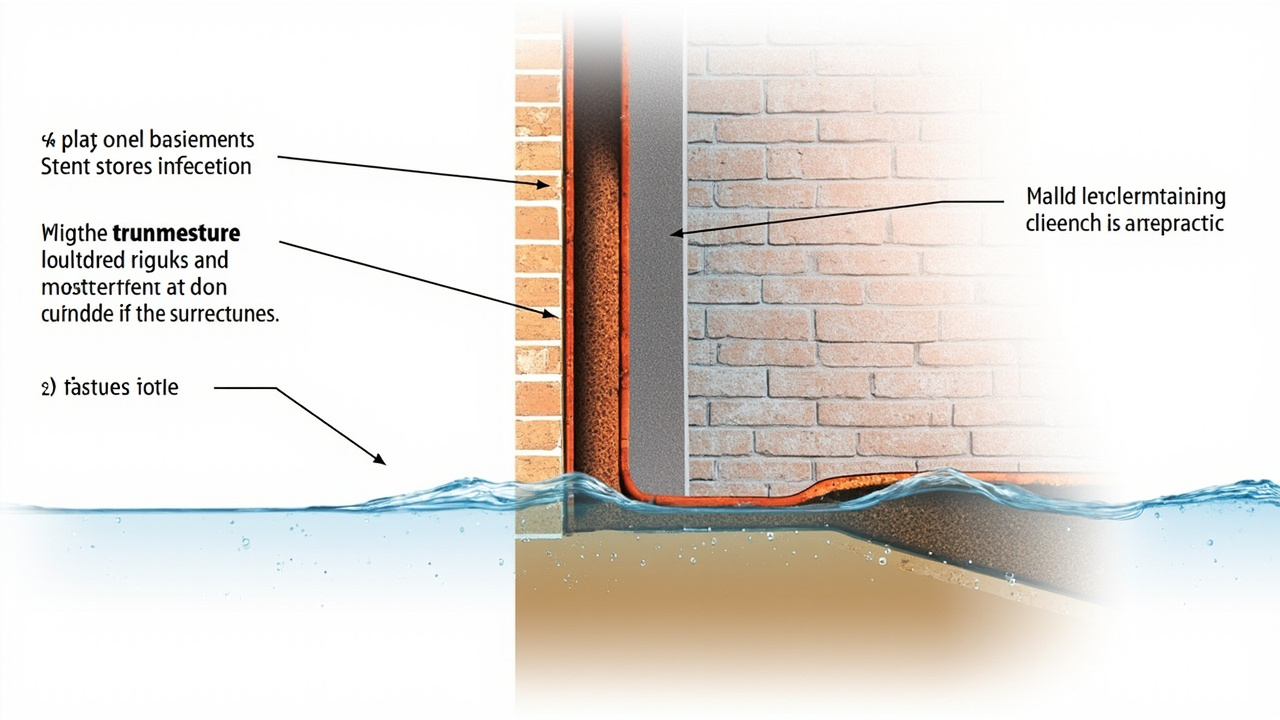
Chicago's retail spaces occupy buildings ranging from 1890s masonry structures to modern glass towers. Older buildings in River North and the Loop use cast iron drain lines and galvanized supply pipes installed before modern plumbing codes. These systems fail without warning. Winter temperatures drop below zero for weeks at a time, causing expansion joints to separate and supply lines to burst in unheated mechanical rooms. Lake Michigan creates year-round humidity that accelerates mold colonization in water-damaged materials. Standard residential drying protocols do not address the moisture loads present in Chicago's commercial buildings. Store flood cleanup services must account for thermal mass in concrete floors, moisture wicking in brick walls, and vapor transmission through historic plaster finishes.

Commercial retail water extraction in Chicago requires familiarity with local building codes and insurance requirements. The Chicago Department of Buildings enforces specific drying standards for commercial spaces before issuing certificates of occupancy after water events. Most commercial property insurance policies require IICRC-certified remediation for claims over a certain threshold. Cornerstone Water Damage Restoration Chicago maintains all required certifications and works directly with local adjusters who understand Chicago's commercial market. We provide documentation that satisfies both building inspectors and insurance underwriters. This local expertise eliminates delays and ensures your claim gets processed without disputes over protocol or coverage questions.
Water Damage Restoration Services in The Chicago Area

Cornerstone proudly serves the entire Chicago area with fast, dependable water damage restoration services. Whether you’re located in downtown, the suburbs, or surrounding neighborhoods, we’re ready to respond to your call—day or night. Use the map below to see our local service coverage and find our nearest team. With mobile units throughout the city, help is never far away. If you’re facing water damage, reach out now and let us show you why homeowners and businesses choose Cornerstone.

Address:
Cornerstone Water Damage Restoration Chicago, 171 N Aberdeen St, Chicago, IL, 60607

Additional Services We Offer

Our news updates

Latest Articles & News from The Blogs

High Humidity and Mold Growth in Chicago Summers What Homeowners Need to Know Your basement smells musty. Your bathroom mirror…

Why high humidity in the Chicago summer makes water damage worse in Calumet Heights

High Humidity and Mold Growth in Chicago Summers What Homeowners Need to Know Your basement smells musty. Your bathroom mirror…

Managing water damage restoration in the high-end luxury builds of the Near North Side

Luxury Home Water Damage Restoration in Chicago's Near North Side A burst pipe at 2 AM in your Gold Coast…

How we use thermal imaging to find hidden leaks in West Ridge homes

Expert Infrared Leak Detection in Chicago Homes and Businesses A hidden pipe leak can destroy your property long before you…

Contact Us

Water events cost you money every hour your store stays closed. Call Cornerstone Water Damage Restoration Chicago at (872) 266-1616 right now. Our commercial extraction teams mobilize immediately to restore your retail space and get you back to full operation with minimal revenue loss.