



menu

Rapid Response Flood Extraction in Chicago – Crews Dispatched in Under 60 Minutes

When flooding strikes your Chicago property, every minute counts. Our rapid response flood extraction teams arrive fast, remove standing water immediately, and prevent secondary damage before it spreads through your structure.

Slider Image 1
Slider Image 2
Slider Image 3
Slider Image 4
Slider Image 5
Slider Image 7
Slider Image 8
Slider Image 9
Slider Image 10
Slider Image 11

Chicago Flooding Demands Immediate Action

Chicago's location on Lake Michigan and the confluence of the Chicago and Calumet Rivers makes flooding a constant threat. When heavy rain overwhelms aging combined sewer systems, basements fill fast. When pipes burst during February freeze-thaw cycles, water spreads through walls and floors in minutes.

Standing water does not wait. After the first hour, drywall wicks moisture vertically. After 24 hours, mold spores colonize. After 48 hours, structural wood begins to warp. The longer water sits, the more you lose.

Emergency water removal services in Chicago neighborhoods from Lincoln Park to Pilsen require speed. You need 24/7 flood extraction that responds now, not tomorrow. You need technicians who understand how water moves through Chicago's brick bungalows and greystone buildings. You need equipment on-site before secondary damage multiplies your loss.

Cornerstone Water Damage Restoration Chicago operates mobile extraction units across the metro. We do not schedule appointments for emergencies. We dispatch immediately. Our teams carry truck-mounted pumps, portable extractors, and commercial dehumidifiers built for urgent water cleanup. We remove standing water first, ask questions later.

This is not a repair you schedule next week. Immediate flood pumping stops the clock on damage. Emergency water damage extraction protects what you have left. Call now and we arrive fast.

Chicago Flooding Demands Immediate Action
Our Extraction Methodology Stops Damage Progression

Our Extraction Methodology Stops Damage Progression

Rapid response flood extraction requires more than shop vacs and fans. You need industrial capacity and trained technicians who understand water migration patterns.

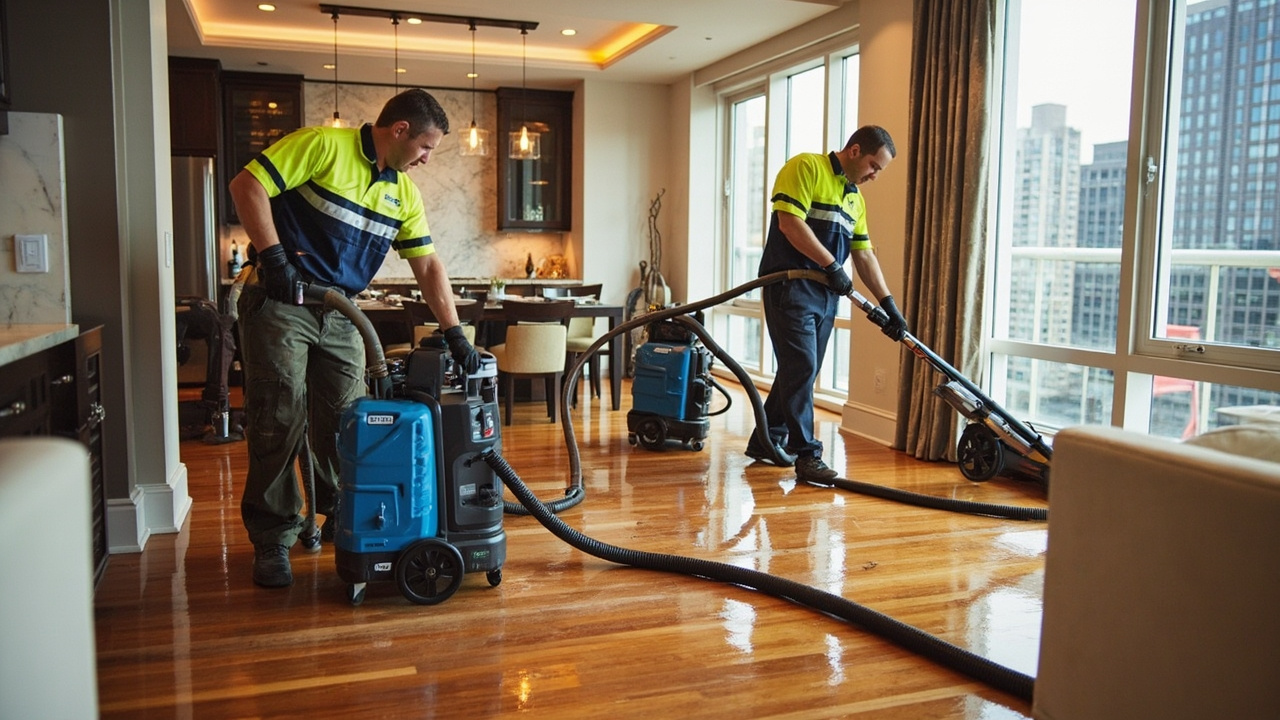
We deploy truck-mounted pumps that remove thousands of gallons per hour. For deep basement flooding, we use submersible trash pumps that handle debris-laden water without clogging. For lower volumes across multiple rooms, we position portable extractors with weighted wands that pull water from carpet backing and subfloors.

Our technicians do not stop at surface removal. We pull baseboards to check wall cavities. We use moisture meters to map hidden saturation in drywall and insulation. We document everything for your insurance claim before we move materials.

After extraction, we place commercial air movers in strategic positions to create airflow across wet surfaces. We position LGR dehumidifiers to pull moisture from the air faster than standard units. We monitor humidity levels and adjust equipment placement as conditions change.

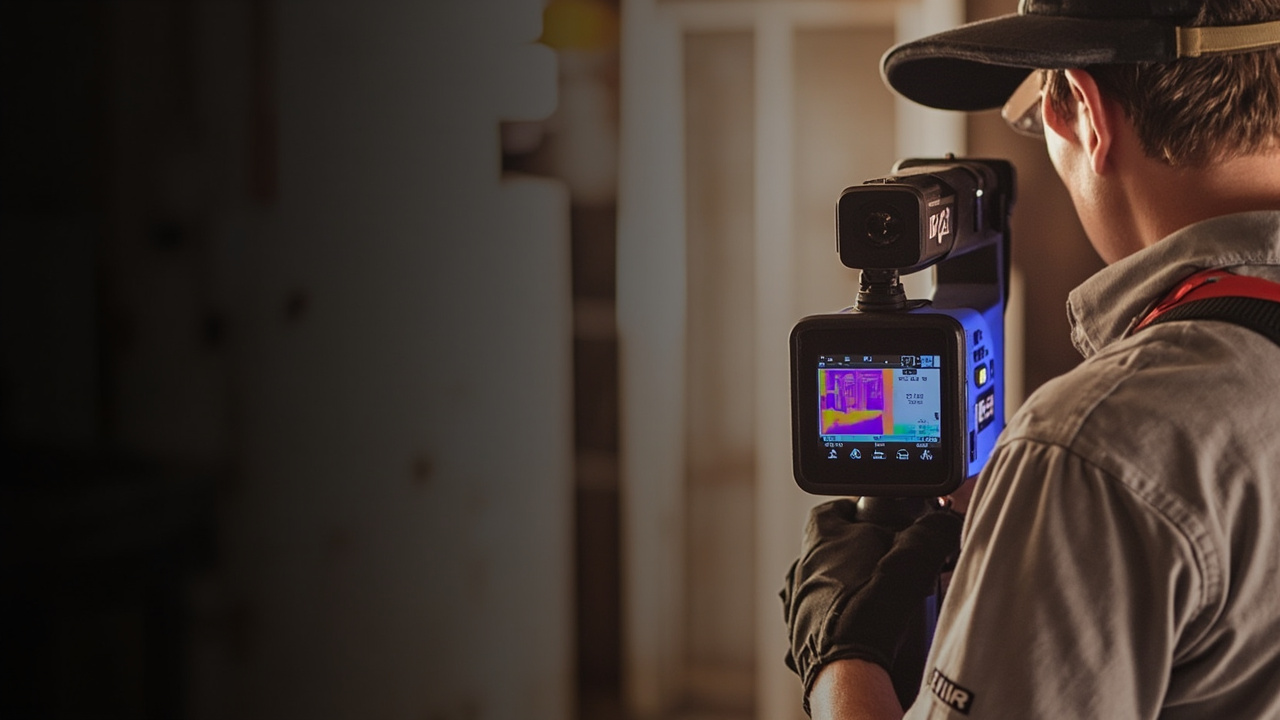
We do not guess about drying. We measure. Moisture readings guide our equipment strategy. Thermal imaging cameras show us wet areas invisible to the eye. We track drying progress with daily logs that document conditions until your structure reaches safe levels.

This is emergency water damage extraction executed correctly. We remove water fast, dry structures thoroughly, and prevent the mold growth and wood rot that follow incomplete jobs. Speed matters, but method matters more.

What Happens When You Call for Emergency Extraction

Rapid Response Flood Extraction in Chicago – Crews Dispatched in Under 60 Minutes
01

Immediate Dispatch

You call our emergency line at (872) 266-1616 and speak to a live technician, not an answering service. We gather essential details about your flood source, water depth, and property location. Our nearest mobile unit receives GPS coordinates and rolls immediately. You receive an estimated arrival time and direct contact information for the responding crew lead. No waiting, no callbacks.
02

On-Site Water Removal

Our crew arrives with truck-mounted pumps, portable extractors, and protective equipment. We assess the flood source and shut off water if still flowing. We begin pumping standing water immediately using the highest-capacity equipment appropriate for your situation. We extract water from carpets, pull saturated materials, and document pre-mitigation conditions with photos and moisture readings for your insurance carrier. Equipment runs continuously until extraction completes.
03

Drying and Monitoring

After extraction, we place commercial air movers and dehumidifiers throughout affected areas. We take baseline moisture readings in all materials and create a drying log. We return daily to check progress, adjust equipment, and take new readings. We do not pull equipment until moisture levels reach safe standards. You receive a completion report documenting the entire mitigation process from emergency extraction through final drying verification.

Why Chicago Property Owners Choose Cornerstone for Flood Emergencies

Chicago flooding requires local knowledge. Water behaves differently in century-old brick buildings than modern construction. Basement apartments below grade flood differently than raised first floors. Our technicians work in Chicago neighborhoods every day. We know the construction types, the flood-prone areas, and the insurance adjusters who handle claims here.

We understand Chicago's combined sewer system and how street flooding enters properties through floor drains and window wells. We know which neighborhoods flood during heavy rain because of outdated infrastructure. We have extracted water from Lincoln Park condos, Wicker Park greystone walkups, and South Side brick bungalows. This local experience matters when seconds count.

Our equipment stays in Chicago. We do not drive crews from distant suburbs. We maintain mobile units across the metro so response times stay under 60 minutes. Our warehouse stocks replacement pumps, spare dehumidifiers, and backup generators. When one unit goes down, another goes out. We do not cancel because of equipment failure.

We work directly with Chicago insurance adjusters and restoration contractors. We document everything according to IICRC S500 water damage standards. We photograph conditions, log moisture readings, and provide detailed estimates that match what adjusters expect. This documentation speeds your claim and reduces disputes.

Cornerstone Water Damage Restoration Chicago operates 24 hours a day, every day. Holidays, weekends, and overnight calls receive the same rapid response. You do not get voicemail. You get technicians who answer, dispatch, and arrive ready to work. When flooding happens, we respond.

What to Expect During Emergency Extraction

Response Time and Availability

We dispatch crews within minutes of your call. Most Chicago properties receive service within 60 minutes, depending on traffic and location. Our emergency line operates 24/7 with live technicians, not answering services. You speak directly to someone who can send help immediately. We do not schedule flood extraction appointments. We respond now. Our mobile units carry everything needed to begin work immediately upon arrival. You do not wait for equipment delivery or crew assembly.

Initial Assessment Process

Our crew lead walks your property and identifies the flood source, water category, and affected areas. We use moisture meters to check hidden saturation in walls, subfloors, and insulation. We take photos and document conditions before mitigation begins. We explain what we found, what needs extraction, and what materials require removal. This assessment takes 15 to 20 minutes. We provide a verbal scope of work and answer your questions before we start pumps. You know what happens next.

Extraction and Drying Results

We remove standing water within hours, not days. Extraction speed depends on volume and access, but our equipment handles thousands of gallons quickly. After extraction, drying takes three to five days for most structures, longer for thick masonry or heavy saturation. We monitor moisture levels daily and adjust equipment as needed. We do not guess about dryness. We measure with calibrated meters and provide readings that document safe conditions. You receive a completion report showing moisture levels from start to finish.

Documentation for Insurance

We photograph conditions before and after extraction. We log moisture readings throughout the drying process. We provide detailed estimates that break down labor, equipment, and materials. We use Xactimate software that matches what insurance adjusters use, reducing disputes and speeding approval. We communicate directly with your adjuster if needed. You receive copies of all documentation for your claim file. We do not charge for documentation services. This is standard procedure for every emergency extraction job we perform.

Frequently Asked Questions

You Have Questions,
We Have Answers

How much does it cost to remove water from a flooded basement? +

Basement flood extraction in Chicago typically ranges from a few hundred to several thousand dollars, depending on water depth, contamination level, and square footage. Clean water from a broken pipe costs less than sewage backup. Most companies charge for emergency response, water removal, drying equipment, and antimicrobial treatment. Chicago's clay soil and high water table can complicate extraction, increasing cost. Your homeowner's insurance often covers sudden flooding from burst pipes or sump pump failure. Get a detailed estimate before work begins, and ask about direct insurance billing to reduce out-of-pocket expense.

What is the immediate response to a flood? +

Stop the water source if safe. Shut off electricity to affected areas to prevent electrocution. Move valuables to higher ground immediately. Do not enter standing water deeper than a few inches. Call a 24/7 flood extraction company right away. Chicago's humid climate accelerates mold growth within 24 to 48 hours, so speed matters. Document damage with photos for insurance claims. Do not use regular vacuums on standing water. Professionals use truck-mounted extractors and industrial air movers to remove water fast and start drying immediately. Every hour counts in preventing permanent structural damage.

Who is the alternative to ServPro? +

Many local Chicago restoration companies offer the same emergency flood extraction services as national chains, often with faster response times and personalized service. Look for IICRC-certified technicians, 24/7 availability, and direct insurance billing. Local companies know Chicago's building codes, clay soil drainage issues, and freeze-thaw basement vulnerabilities. They often arrive faster because they are not dispatching from regional hubs. Compare multiple estimates. Ask about equipment, drying timelines, and antimicrobial protocols. A good alternative prioritizes transparent pricing, clear communication, and proven expertise in Chicago's unique flooding challenges without the franchise markup.

Who is the largest restoration company? +

Several national restoration franchises operate across the United States, but size does not guarantee quality or speed. For Chicago property owners, response time and local expertise matter more than company size. Large franchises may dispatch crews from distant locations, delaying critical first response. The best flood extraction provider for your emergency is one with local technicians, IICRC certification, advanced drying equipment, and proven experience handling Chicago's clay soil, combined sewer systems, and basement seepage issues. Focus on credentials, reviews, and arrival time rather than national brand recognition when your basement is flooding.

Will insurance pay for a flooded basement? +

Most homeowner's policies cover sudden and accidental water damage, like burst pipes, water heater failures, or sump pump mechanical breakdowns. However, flood insurance from FEMA is required for natural flooding from storms, rivers, or sewer backups in Chicago's combined sewer areas. Review your policy carefully. Standard policies exclude gradual leaks or maintenance neglect. Document everything with photos and timestamps. Call your insurance company immediately after calling a flood extraction service. Many Chicago restoration companies work directly with insurers, handle claims paperwork, and bill insurance directly, reducing your financial stress during an emergency.

What's the best way to get water out of a flooded basement? +

Call a professional flood extraction company immediately. They use truck-mounted pumps and industrial extractors to remove standing water fast. Do not use shop vacs or mops for serious flooding. Chicago basements often have clay soil and poor drainage, requiring professional moisture detection and dehumidification to prevent hidden water pockets. After extraction, technicians place commercial air movers and dehumidifiers strategically to dry walls, floors, and framing within 48 hours. This prevents mold growth and structural rot. Attempting DIY extraction with household tools wastes critical time and risks incomplete drying, leading to expensive secondary damage.

How can I prevent mold after a flood? +

Act within 24 hours. Mold spores thrive in Chicago's humid climate and colonize wet surfaces fast. Professional flood extraction teams remove standing water, then deploy industrial dehumidifiers and air movers to dry everything thoroughly. Remove wet drywall, insulation, and carpeting that cannot dry completely. Apply EPA-registered antimicrobial treatments to affected surfaces. Monitor humidity levels with hygrometers, keeping indoor humidity below 50 percent. Increase ventilation. Do not rely on fans alone. Proper drying requires calculating grain depression and moisture mapping with infrared cameras. Professionals prevent mold by controlling moisture at the molecular level, not surface level.

Can you flush a toilet during a flood? +

It depends on the flood source. If your basement is flooded from a sewer backup or combined sewer overflow, do not flush. Chicago's older neighborhoods use combined sewer systems that can overwhelm during heavy rain, causing backflow. Flushing adds more wastewater to an already failing system and can worsen backups into your home. If flooding is from a burst pipe or groundwater seepage and your plumbing is intact, flushing may be safe. When in doubt, stop using all water fixtures until a professional assesses your plumbing system and confirms the source of flooding.

What are the four elements of EPP? +

The four elements of Emergency Preparedness Planning are Prevention, Mitigation, Response, and Recovery. Prevention identifies risks before they cause damage. Mitigation reduces impact through sump pumps, backwater valves, and grading improvements. Response is your immediate action during a flood, like shutting off water and calling professionals. Recovery restores your property to pre-loss condition through extraction, drying, repairs, and mold prevention. For Chicago property owners, EPP should address clay soil drainage, freeze-thaw pipe risks, combined sewer backups, and rapid humidity control. A solid plan reduces damage, speeds insurance claims, and protects your investment.

Does SERVPRO have a good reputation? +

SERVPRO is a well-known national franchise with locations across the country, including Chicago. Reputation varies by individual franchise owner, crew training, and equipment quality. Many customers report satisfactory experiences, while others cite slow response times or inconsistent service. When choosing a flood extraction provider in Chicago, compare multiple companies. Look for IICRC certification, 24/7 local availability, transparent pricing, and proven expertise with Chicago's clay soil, basement seepage, and combined sewer challenges. Read recent reviews specific to the Chicago location you are considering. Brand recognition matters less than fast response and skilled technicians during an emergency.

How Chicago's Aging Sewer Infrastructure Increases Flood Risk

Chicago operates one of the oldest combined sewer systems in the country. When heavy rain overwhelms capacity, street flooding enters basements through floor drains and foundation cracks. Neighborhoods in Rogers Park, Albany Park, and Bridgeport face chronic basement flooding during severe weather. Rapid response flood extraction becomes critical because Chicago homes flood repeatedly. Our crews understand local flood patterns and respond accordingly. We arrive fast because we know time matters when your basement fills with sewer backflow or storm runoff that enters through overwhelmed drainage systems.

Cornerstone Water Damage Restoration Chicago maintains relationships with local plumbers, electricians, and general contractors who work in this city every day. We understand Chicago building codes and inspection requirements. We know which materials meet code after water damage and which require replacement. When we extract water and document damage, we do it according to standards Chicago adjusters and inspectors expect. This local expertise matters when your claim gets reviewed and when reconstruction begins after emergency water removal services complete the mitigation process.
Water Damage Restoration Services in The Chicago Area

Cornerstone proudly serves the entire Chicago area with fast, dependable water damage restoration services. Whether you’re located in downtown, the suburbs, or surrounding neighborhoods, we’re ready to respond to your call—day or night. Use the map below to see our local service coverage and find our nearest team. With mobile units throughout the city, help is never far away. If you’re facing water damage, reach out now and let us show you why homeowners and businesses choose Cornerstone.

Address:
Cornerstone Water Damage Restoration Chicago, 171 N Aberdeen St, Chicago, IL, 60607

Additional Services We Offer

Our news updates

Latest Articles & News from The Blogs

High Humidity and Mold Growth in Chicago Summers What Homeowners Need to Know Your basement smells musty. Your bathroom mirror…

Why high humidity in the Chicago summer makes water damage worse in Calumet Heights

High Humidity and Mold Growth in Chicago Summers What Homeowners Need to Know Your basement smells musty. Your bathroom mirror…

Managing water damage restoration in the high-end luxury builds of the Near North Side

Luxury Home Water Damage Restoration in Chicago's Near North Side A burst pipe at 2 AM in your Gold Coast…

How we use thermal imaging to find hidden leaks in West Ridge homes

Expert Infrared Leak Detection in Chicago Homes and Businesses A hidden pipe leak can destroy your property long before you…

Contact Us

Every minute you wait, water spreads deeper into your structure. Call Cornerstone Water Damage Restoration Chicago now at (872) 266-1616. Our emergency crews dispatch immediately and arrive ready to extract water fast. Do not wait until tomorrow. Stop the damage now.