



menu

Preventative Waterproofing Tips in Chicago – Your Complete Home Protection Guide Before Damage Strikes

Learn proven DIY waterproofing techniques and proactive water sealing methods specifically designed for Chicago's freeze-thaw cycles, Lake Michigan humidity, and seasonal flooding patterns that threaten your foundation, basement, and crawl spaces year-round.

Slider Image 1
Slider Image 2
Slider Image 3
Slider Image 4
Slider Image 5
Slider Image 7
Slider Image 8
Slider Image 9
Slider Image 10
Slider Image 11

Why Chicago Homeowners Face Constant Moisture Threats

Chicago's location along Lake Michigan creates relentless moisture pressure on every home in the metro area. You face a triple threat: lake-effect humidity that penetrates foundation walls, winter freeze-thaw cycles that crack concrete and open seepage pathways, and spring rainfall that overwhelms outdated drainage systems.

The clay soil beneath most Chicago properties compounds the problem. Unlike sandy or loamy soil, clay expands when wet and contracts when dry. This constant movement creates hydrostatic pressure against basement walls, pushing water through microscopic cracks that grow wider each season. Add in aging infrastructure in neighborhoods like Logan Square, Bridgeport, and Lincoln Park, where homes were built before modern moisture control best practices existed, and you understand why prevention matters more than repair.

Your home waterproofing maintenance guide starts with understanding what you face. Chicago receives an average of 38 inches of precipitation annually, concentrated in spring and early summer. When that water saturates clay soil, it has nowhere to go except toward your foundation. The Chicago River and its tributaries can overflow during heavy rain events, backing up storm sewers and flooding basements in low-lying areas near Pilsen and the South Loop.

DIY waterproofing techniques can stop minor issues before they become major restoration projects. The water damage prevention checklist you need focuses on three vulnerable zones: your foundation perimeter, basement walls, and roof drainage system. Each requires specific proactive water sealing methods tailored to Chicago's climate patterns.

Why Chicago Homeowners Face Constant Moisture Threats
The Foundation Defense Strategy That Works in Chicago

The Foundation Defense Strategy That Works in Chicago

Effective moisture control begins at ground level, where water first contacts your home. You need a layered defense system that addresses surface water, subsurface drainage, and structural vulnerabilities.

Start with grading. Your yard should slope away from your foundation at a minimum grade of six inches over ten feet. Chicago's flat terrain makes proper grading difficult, but critical. Water that pools against foundation walls will find entry points through concrete pores, expansion joints, and wall-floor joints in your basement.

Next, examine your gutters and downspouts. These components handle thousands of gallons during Chicago's intense summer storms. Clogged gutters overflow, dumping water directly against your foundation. Downspouts that terminate too close to your home create saturation zones in the clay soil. Extend downspouts at least six feet from your foundation using solid pipe, not flexible corrugated tubing that crushes under soil pressure.

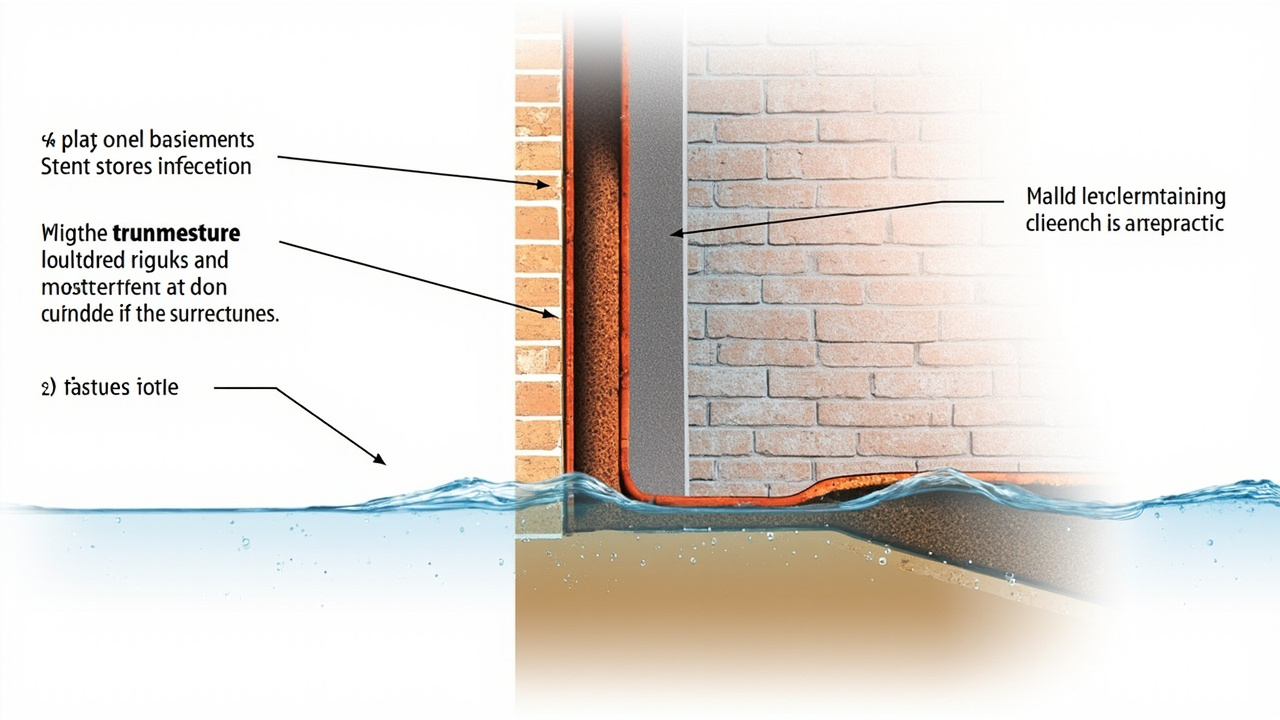
Foundation coatings provide your third layer of defense. Hydraulic cement fills active cracks and holes in poured concrete or concrete block walls. For comprehensive protection, apply a waterproof membrane coating to exterior foundation walls. This requires excavation in most cases, but you can apply interior waterproofing products to basement walls as a temporary barrier.

Window wells need covers and proper drainage. Chicago basements often have egress windows that sit below grade. Without covers, these wells fill with rain and snow, creating direct water pressure against window frames and basement walls. Install well covers and add six inches of gravel at the bottom to improve drainage away from the window.

Your Three-Phase Waterproofing Implementation Plan

Preventative Waterproofing Tips in Chicago – Your Complete Home Protection Guide Before Damage Strikes
01

Initial Property Assessment

Walk your property perimeter during and after rainfall to identify problem areas. Look for pooling water, soil erosion near your foundation, and wet spots on basement walls. Document cracks in concrete, efflorescence (white mineral deposits indicating moisture seepage), and any musty odors in below-grade spaces. This diagnostic phase reveals where to focus your waterproofing efforts for maximum protection against Chicago's seasonal moisture challenges.
02

Targeted Intervention Work

Execute repairs in dry weather, typically late summer through early fall in Chicago. Seal foundation cracks with hydraulic cement or polyurethane caulk rated for masonry. Clean and repair gutters, extend downspouts, and regrade soil away from your foundation. Apply waterproof membrane coatings to basement walls following manufacturer cure times. Install window well covers and ensure sump pump functionality before winter freeze-up threatens your drainage systems.
03

Ongoing Maintenance Schedule

Waterproofing requires seasonal attention. Clean gutters twice annually before spring rains and after fall leaf drop. Test your sump pump monthly and replace the battery backup system every three years. Inspect foundation walls each spring for new cracks caused by freeze-thaw expansion. Reapply exterior caulking around windows and doors as sealants degrade. This maintenance cycle prevents small vulnerabilities from becoming major water intrusion events.

When DIY Methods Need Professional Backup in Chicago

You can handle surface-level waterproofing, but some situations require professional intervention. Cornerstone Water Damage Restoration Chicago sees the consequences when homeowners delay calling experts.

Active water intrusion during heavy rain signals a failure beyond DIY capabilities. If you see water streaming through basement walls or pooling on your floor during storms, you face hydrostatic pressure that cosmetic sealants cannot stop. This requires exterior excavation, proper drainage tile installation, and professional-grade waterproof membrane systems that redirect groundwater away from your foundation.

Structural cracks wider than one-quarter inch indicate foundation movement. Chicago's clay soil causes differential settling that creates horizontal, vertical, or stepped cracks in foundation walls. These require structural repair, not just waterproofing. Ignoring them leads to bowing walls and catastrophic foundation failure.

Chronic moisture problems create mold growth that threatens your health. If you smell mold or see black spots on basement walls despite your waterproofing efforts, you need professional moisture testing and remediation. Surface cleaning does not address the moisture source feeding fungal growth behind wall cavities and insulation.

Chicago building codes require specific standards for below-grade waterproofing in new construction and major renovations. Professional contractors understand these requirements and can certify that work meets code. This matters when you sell your home or file insurance claims after flooding events.

We work throughout Chicago's neighborhoods, from Rogers Park to Beverly, and understand the unique challenges each area faces. Homes near the Chicago River require different strategies than properties in Norwood Park. Local expertise makes the difference between a temporary fix and permanent protection.

What Your Waterproofing Investment Delivers

Immediate Risk Reduction

Basic waterproofing improvements provide protection within days of completion. Sealing foundation cracks stops active seepage immediately. Extending downspouts redirects hundreds of gallons away from your foundation during the next storm. You gain peace of mind during Chicago's unpredictable weather knowing your home has multiple layers of defense. Spring flooding season and summer thunderstorms become less threatening when you have addressed your property's vulnerable points before water arrives.

Comprehensive Property Evaluation

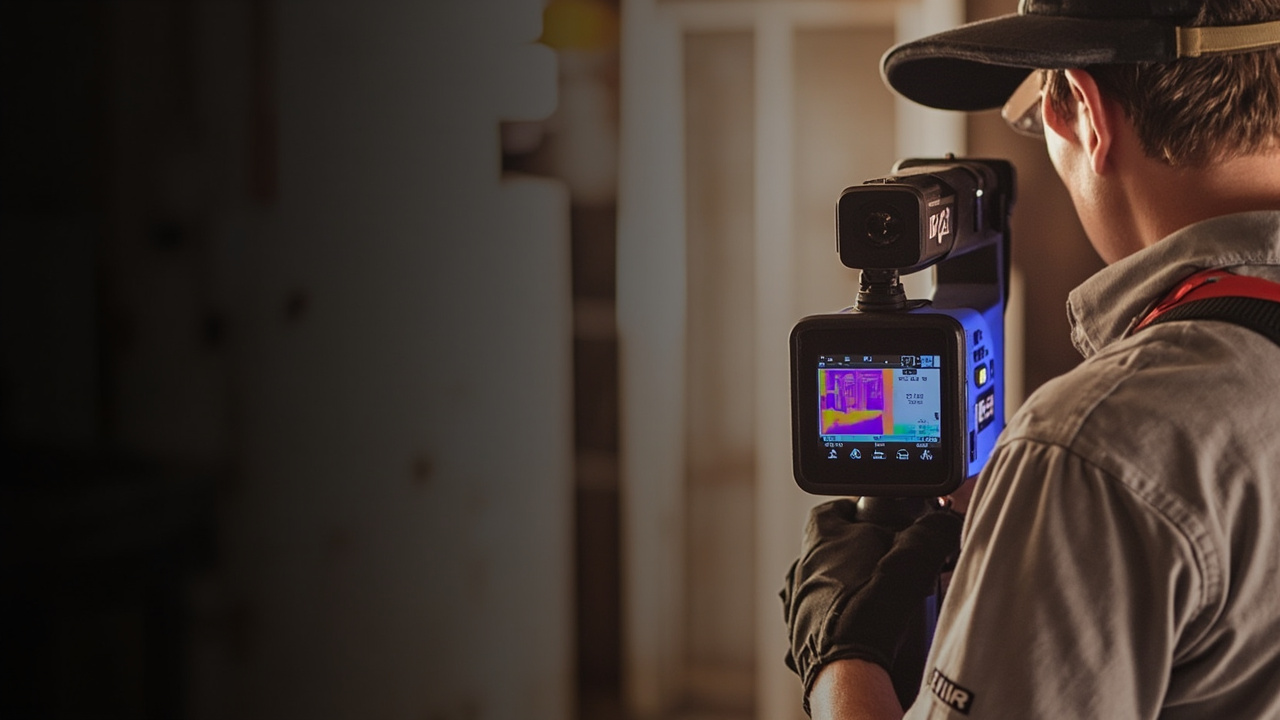
Professional waterproofing assessment identifies problems you cannot see from inside your home. Moisture meters detect elevated humidity levels in walls and floors before visible damage appears. Thermal imaging reveals cold spots that indicate air and water infiltration pathways. We inspect crawl spaces, examine roof drainage systems, and evaluate soil conditions around your entire foundation perimeter. You receive a detailed report showing current conditions and prioritized recommendations based on severity and risk to your home.

Long-Term Structural Protection

Proper waterproofing extends your home's lifespan by preventing the deterioration that moisture causes. Water infiltration destroys wood framing, corrodes steel reinforcement in concrete, and creates conditions for mold growth that damages drywall and insulation. Professional-grade waterproofing systems installed according to Chicago building standards protect your foundation for decades. You avoid expensive structural repairs that result from neglected moisture problems. Your basement remains dry and usable rather than becoming a storage liability.

Ongoing Support and Monitoring

Waterproofing performance requires periodic verification. We provide follow-up inspections to ensure sealants remain effective and drainage systems function properly. You receive seasonal maintenance reminders tailored to Chicago's climate patterns. If issues develop, you have direct access to technicians familiar with your property's specific waterproofing configuration. We document all work performed, creating a maintenance history that adds value when you sell your home and provides evidence of proper care for insurance purposes.

Frequently Asked Questions

You Have Questions,
We Have Answers

What to do before waterproofing? +

Before waterproofing, inspect your foundation for cracks, gaps, or existing water damage. Clean all surfaces thoroughly to remove dirt, efflorescence, and loose material. Check grading around your Chicago home to confirm soil slopes away from the foundation at least six inches over ten feet. Test gutters and downspouts to verify they direct water at least five feet from the foundation. Document problem areas with photos. In older Chicago neighborhoods with clay soil, assess settlement patterns before applying any waterproofing system. Proper surface prep determines how well your waterproofing bonds and performs long-term.

What are common waterproofing mistakes? +

Common waterproofing mistakes include applying products to wet or dirty surfaces, which prevents proper adhesion. Many Chicago homeowners skip grading corrections and rely only on coatings, which fails when water pools against foundations. Using interior sealants alone does not address hydrostatic pressure from clay soil expansion. Ignoring corner and joint details creates weak points where water enters. Applying too thin a coat or skipping multiple layers reduces effectiveness. Failing to extend waterproofing below the frost line in Chicago allows freeze-thaw damage. Never waterproof over active leaks without addressing the source first.

Should you prime before waterproofing? +

Yes, priming before waterproofing improves adhesion and coverage, especially on porous concrete or masonry common in Chicago basements. Primer seals the surface, reduces absorption, and creates a uniform base for your waterproofing membrane or coating. Use a primer compatible with your chosen waterproofing system. For exterior foundation work in Chicago, primer helps bridge small hairline cracks and prepares surfaces exposed to freeze-thaw cycles. Skip primer only if your waterproofing manufacturer specifically states it is not required. Proper priming extends the life of your waterproofing investment and reduces failure risk.

What is the best waterproofing method? +

The best waterproofing method depends on your specific situation. Exterior waterproofing membranes applied to foundation walls offer superior protection by stopping water before it reaches the structure. This approach works well for Chicago homes with clay soil and high hydrostatic pressure. Interior drainage systems with sump pumps manage water that enters below grade. Crystalline waterproofing penetrates concrete and self-seals cracks. For crawl spaces, vapor barriers combined with proper ventilation prevent moisture buildup. Combining exterior membranes, proper grading, and functional gutters provides the most reliable protection for Chicago foundations.

What are the four steps to waterproofing? +

First, excavate around the foundation to expose the basement wall down to the footing. Second, clean and repair the foundation surface by filling cracks and removing debris. Third, apply a waterproofing membrane or coating from footing to grade level, ensuring complete coverage at corners and penetrations. Fourth, install a drainage system with filter fabric and gravel, then backfill carefully to avoid damaging the membrane. In Chicago, extend this system below the frost line. Add proper grading and downspout extensions to direct surface water away from the foundation perimeter.

What is the negative side of waterproofing? +

The negative side of waterproofing refers to applying waterproofing to the side of the wall opposite the water source. This method faces hydrostatic pressure pushing water into the concrete before it reaches the waterproofing layer. In Chicago basements, negative side waterproofing manages water after it penetrates the foundation wall. It requires products that bond under pressure and can fail if hydrostatic pressure exceeds the bond strength. This approach cannot repair existing foundation damage or stop water migration through the concrete. Use negative side waterproofing only when exterior access is impossible.

How many coats of waterproofing should I do? +

Apply waterproofing in two to three coats for optimal protection. The first coat seals the surface and fills minor imperfections. The second coat builds thickness and ensures complete coverage. For Chicago foundations facing freeze-thaw cycles and clay soil pressure, three coats provide added durability. Allow each coat to cure per manufacturer instructions before applying the next layer. Total dry thickness should reach at least 60 mils for exterior foundation applications. More coats do not compensate for poor surface prep or application technique. Focus on proper coverage at transitions, corners, and penetrations.

What causes waterproofing to fail? +

Waterproofing fails when applied to wet, dirty, or unprepared surfaces that prevent proper bonding. Poor grading sends water toward foundations faster than waterproofing can handle. Hydrostatic pressure from clay soil common in Chicago can exceed the bond strength of interior coatings. Foundation movement from settlement or freeze-thaw cycles cracks rigid waterproofing membranes. Skipped corners, seams, or penetrations create entry points. Using the wrong product for your application guarantees failure. UV exposure degrades some membranes if left exposed. Regular maintenance and addressing drainage issues prevent most waterproofing failures.

What is the best negative side waterproofing? +

The best negative side waterproofing for Chicago basements includes crystalline products that penetrate concrete and react with moisture to form crystals that block water pathways. Cementitious coatings applied in multiple layers withstand hydrostatic pressure better than surface sealers. Epoxy and polyurethane injections seal active cracks from the interior. Combine negative side waterproofing with interior drainage systems and sump pumps to manage water volume. While not as effective as exterior waterproofing, quality negative side products provide protection when excavation is not feasible in established Chicago neighborhoods with limited access.

What is the best time to do water waterproofing? +

The best time for exterior waterproofing in Chicago is late spring through early fall when temperatures stay consistently above 50 degrees and rainfall is moderate. Waterproofing products cure properly in warm, dry conditions. Avoid waterproofing during freeze-thaw periods or when rain is forecast within 24 hours of application. Interior waterproofing can happen year-round since basement temperatures remain stable. For excavation projects, summer offers the driest soil conditions and easiest digging. Schedule work before heavy fall rains or spring snowmelt test your foundation. Plan exterior projects when weather allows proper curing time.

How Lake Michigan Weather Patterns Make Proactive Waterproofing Essential for Chicago Homes

Chicago's position on Lake Michigan creates moisture challenges that inland cities never face. Lake-effect weather systems dump concentrated rainfall on the metro area, often exceeding forecast predictions. The lake moderates winter temperatures, creating freeze-thaw cycles that crack foundation concrete and open new seepage pathways each spring. Summer humidity remains elevated due to lake evaporation, maintaining constant moisture pressure against below-grade walls. Your home waterproofing maintenance guide must account for these year-round threats that DIY waterproofing techniques can address before damage occurs.

Chicago's aging housing stock requires specialized knowledge. Many homes in established neighborhoods like Hyde Park and Andersonville were built before modern moisture control best practices existed. These properties lack proper foundation drainage, use outdated waterproofing materials, and have settled in ways that create new vulnerabilities. Cornerstone Water Damage Restoration Chicago understands the construction methods used throughout different eras of the city's development. We provide solutions that work with your home's existing structure rather than generic approaches that fail in Chicago's unique conditions.
Water Damage Restoration Services in The Chicago Area

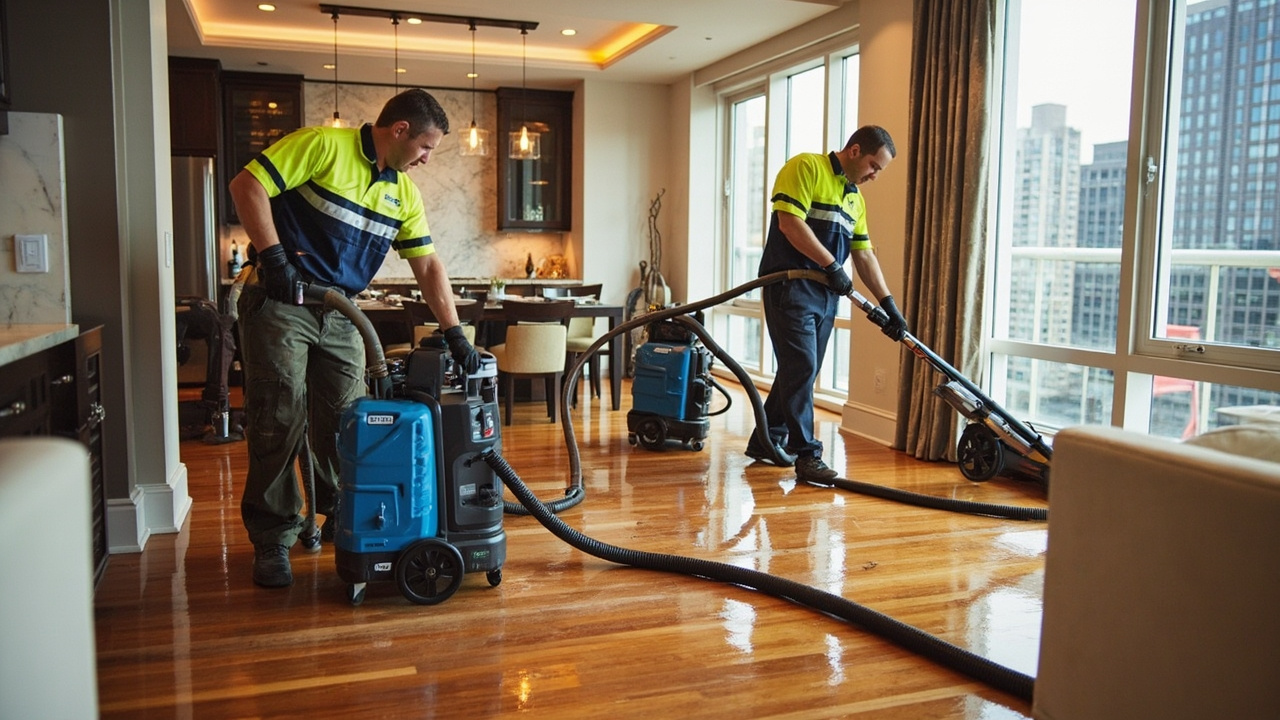
Cornerstone proudly serves the entire Chicago area with fast, dependable water damage restoration services. Whether you’re located in downtown, the suburbs, or surrounding neighborhoods, we’re ready to respond to your call—day or night. Use the map below to see our local service coverage and find our nearest team. With mobile units throughout the city, help is never far away. If you’re facing water damage, reach out now and let us show you why homeowners and businesses choose Cornerstone.

Address:
Cornerstone Water Damage Restoration Chicago, 171 N Aberdeen St, Chicago, IL, 60607

Additional Services We Offer

Our news updates

Latest Articles & News from The Blogs

High Humidity and Mold Growth in Chicago Summers What Homeowners Need to Know Your basement smells musty. Your bathroom mirror…

Why high humidity in the Chicago summer makes water damage worse in Calumet Heights

High Humidity and Mold Growth in Chicago Summers What Homeowners Need to Know Your basement smells musty. Your bathroom mirror…

Managing water damage restoration in the high-end luxury builds of the Near North Side

Luxury Home Water Damage Restoration in Chicago's Near North Side A burst pipe at 2 AM in your Gold Coast…

How we use thermal imaging to find hidden leaks in West Ridge homes

Expert Infrared Leak Detection in Chicago Homes and Businesses A hidden pipe leak can destroy your property long before you…

Contact Us

Stop waiting for water damage to force your hand. Get expert guidance on waterproofing your Chicago home right now. Call Cornerstone Water Damage Restoration Chicago at (872) 266-1616 for a comprehensive moisture assessment and customized protection plan.