
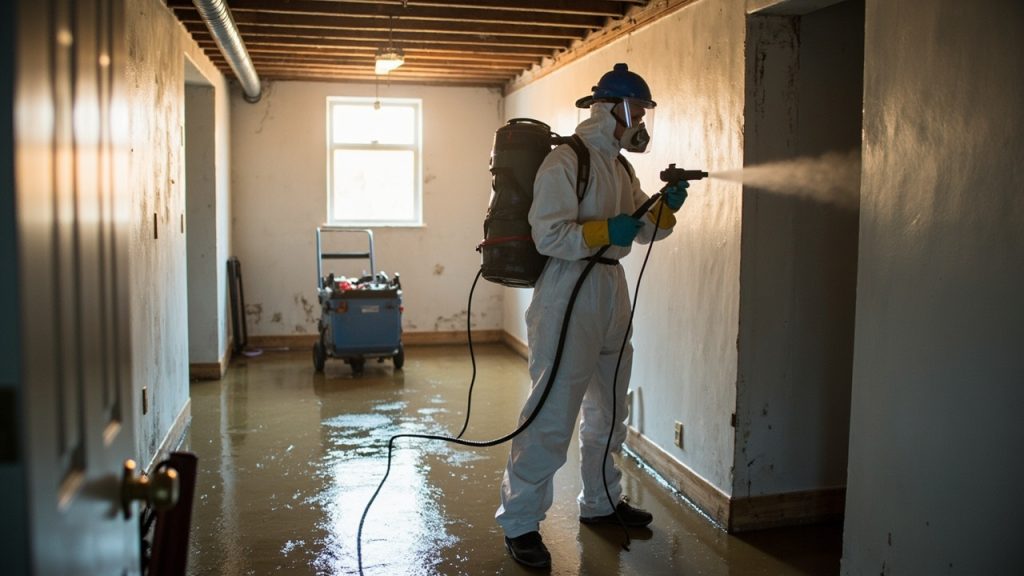
Pet-Safe Flood Cleanup and Water Damage Restoration in Chicago
A sewer backup or basement flood in your Chicago home creates an immediate crisis. The panic intensifies when you have pets. The contaminated water spreading across your basement floor contains bacteria, viruses, and chemicals that can sicken your dog or cat within hours of exposure. Standard industrial flood cleanup methods use harsh antimicrobial treatments that leave toxic residues on your pet’s paws and respiratory surfaces.
Your pets need different protection than your drywall. This guide explains what makes Chicago floodwater dangerous for animals, which professional-grade disinfectants are pet-safe, and how to safely restore your home without harming your four-legged family members.
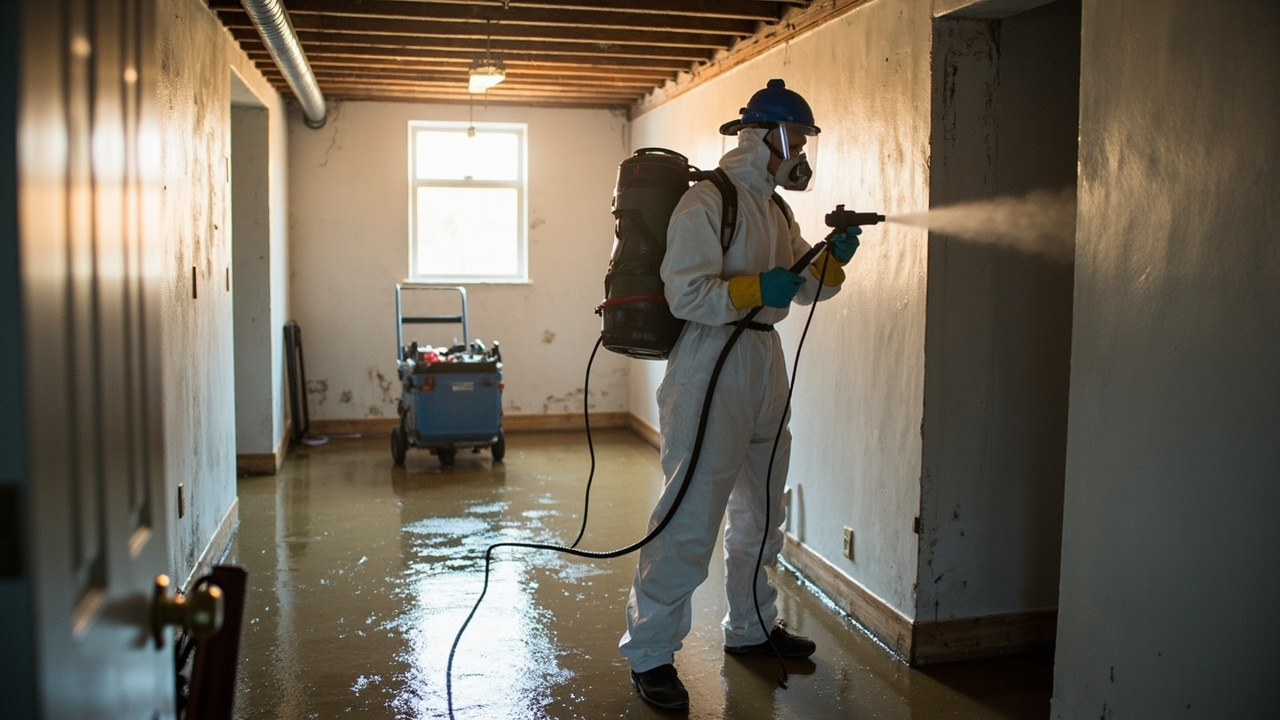
Why Chicago Basement Floods Pose Unique Pet Hazards
Chicago’s combined sewer system fails during heavy rain. The system routes both stormwater and sewage through the same pipes. When rainfall exceeds capacity, raw sewage backs up into homes rather than flowing to the treatment plant. Residents in Logan Square, Rogers Park, and Beverly experience this problem more frequently than newer suburban areas because their neighborhoods were built before modern sewer separation.
This backup water is classified as Category 3 black water. It contains multiple pathogens that spread disease to pets through direct contact, ingestion, and inhalation.
Bacterial Threats in Chicago Floodwater
Leptospirosis bacteria live in rat urine and thrive in contaminated stormwater. Dogs that walk through flooded basements or wade in standing water absorb leptospirosis through their paws and mucous membranes. Infected dogs develop kidney failure and liver damage within 5 to 7 days. A veterinary emergency at University of Chicago Animal Hospital or the Animal Medical Center in Chicago can cost between 3,000 and 8,000 dollars for treatment and hospitalization.
E. coli and other coliform bacteria cause severe gastroenteritis. Cats and small dogs are especially vulnerable because they groom their paws after walking through contaminated areas. The bacteria transfers directly to their mouth and digestive tract.
Cryptosporidium and Giardia parasites spread through water contact. These organisms cause chronic diarrhea and dehydration in pets even after initial exposure symptoms resolve.
Chemical and Respiratory Risks from Standard Cleanup
Traditional water damage restoration uses quaternary ammonium compounds and phenol-based disinfectants. These chemicals kill bacteria efficiently, but they leave residues on surfaces and in the air. Pets breathing air saturated with phenol particles develop respiratory irritation, coughing, and asthma-like symptoms. Cats are especially sensitive because their livers lack certain enzymatic pathways. Phenol exposure in cats can cause organ damage.
Bleach and ammonia-based products generate volatile organic compounds (VOCs) when applied to damp surfaces. These gases linger in basements for weeks, especially in poorly ventilated spaces. Your pet spends hours in that contaminated air while sleeping or playing in the basement.
The Five-Step Pet-Safe Restoration Process
Professional pet-safe flood restoration follows the IICRC S500 Standard for Professional Water Damage Restoration but prioritizes non-toxic disinfection methods throughout.
- Immediate Contamination Containment
Technicians isolate the flooded area with physical barriers to prevent pets and family members from entering. Air scrubbers with HEPA filters begin running immediately to capture airborne pathogens and mold spores. This step prevents bacterial particles from spreading through your HVAC system to uncontaminated areas of the home.
- Water Extraction and Sewage Removal
Industrial pumps and extractors remove all standing water within the first 24 to 48 hours. Sewage-contaminated water receives special handling under local Chicago Department of Water Management regulations. The water disposal goes to treatment facilities rather than municipal storm drains.
- Botanical Disinfection Using EPA Safer Choice Products
Instead of phenol or quaternary ammonium compounds, pet-safe restoration uses thymol-based botanical disinfectants. Benefect Decon 30 is the leading EPA Safer Choice product for flood restoration. It contains thymol derived from thyme oil and kills 99.9 percent of bacteria, viruses, and mold spores without generating harmful VOCs. The product breaks down into harmless compounds within hours and leaves no toxic residue on surfaces or in the air.
- Structural Drying and Moisture Control
Dehumidifiers and specialized air movers dry materials to safe moisture levels. The drying process removes water that feeds mold growth. Mold colonization accelerates in flooded areas within 24 to 48 hours if moisture remains. Pet respiratory systems are extremely sensitive to mold spores. Professional drying prevents the secondary mold problem that threatens your pet’s long-term health.
- Final Air Quality Testing and Pet Clearance
Air quality monitors measure VOCs, mold spore counts, and bacterial levels before pets re-enter the space. Testing confirms that the restoration is complete and pet-safe. Documentation protects your insurance claim and provides evidence that the home meets safety standards.
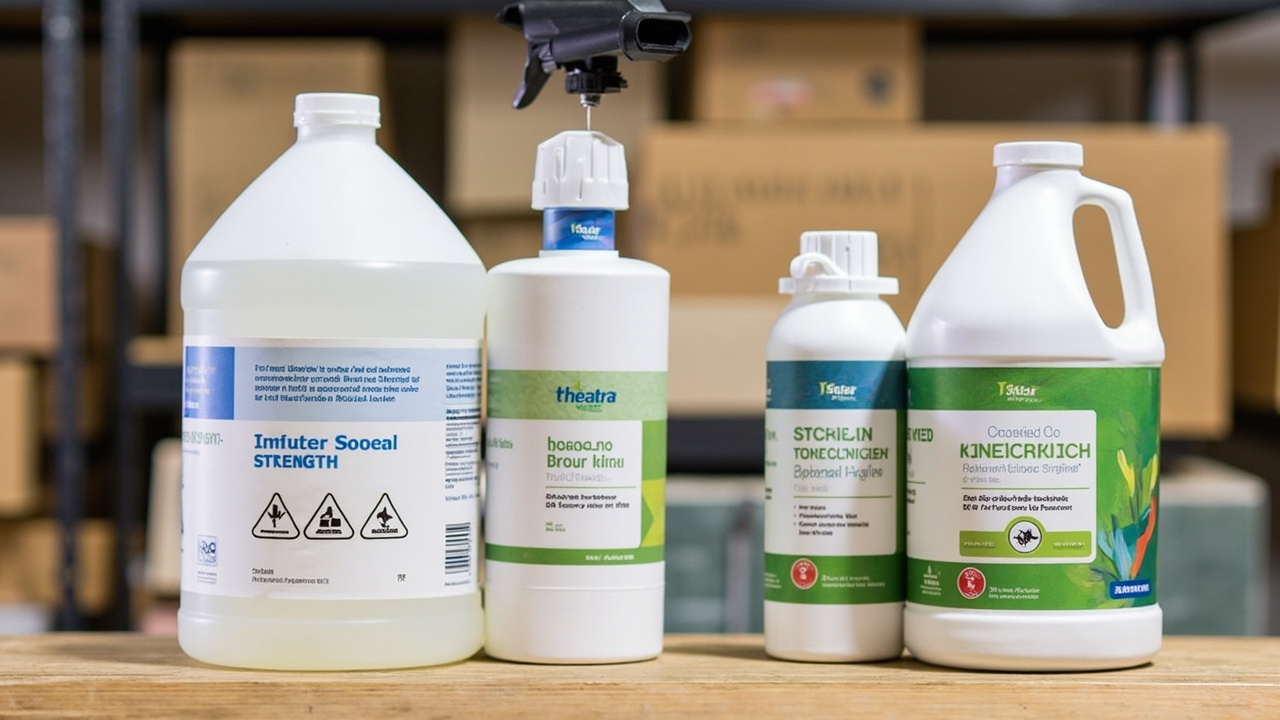
Pet-Safe Disinfectants Versus Standard Flood Cleanup Chemicals
The chart below shows the difference between chemicals used in standard restoration and pet-safe alternatives.
| Chemical Type | Standard Restoration Use | Pet Safety Risk | Pet-Safe Alternative |
|---|---|---|---|
| Quaternary Ammonium Compounds | Hospital-grade disinfectant for Category 3 water | Leaves residues on paws and respiratory surfaces. Cats develop organ damage with prolonged exposure. | Thymol-based botanical disinfectants (Benefect Decon 30) |
| Phenol | Industrial microbicide for sewage contamination | Generates hazardous VOCs. Causes respiratory irritation in pets within hours. | EPA Safer Choice thymol products |
| Bleach (Sodium Hypochlorite) | Emergency disinfection for homeowner attempts | Produces chlorine gas when mixed with organic matter. Directly toxic to pet mucous membranes. | Hydrogen peroxide-based products or botanical disinfectants |
| Ammonia | Odor control and surface cleaning | Generates toxic ammonia vapors. Causes respiratory distress in confined spaces. | Enzymatic odor eliminators with botanical antimicrobials |
Chicago Flood Scenarios That Threaten Pets Most
Spring Rain Events and Sump Pump Failure
Chicago’s heavy spring rains tax the sump pump systems in older homes. Many basements in Logan Square and Rogers Park were built with single-stage pumps designed for drainage, not flood-level extraction. When spring rains dump 2 to 3 inches of water in a single storm, sump pumps fail under the volume. The basement floods before the homeowner realizes the pump has lost power or jammed.
Pets confined to basements during the day face direct exposure to rising contaminated water. Dogs and cats cannot escape on their own. The water enters their respiratory systems and they swallow contaminated water while trying to move to higher ground.
Sewer Backup During Freeze-Thaw Cycles
Chicago’s polar vortex events cause rapid freeze and thaw of pipes and ground. Frozen soil expands and cracks clay sewer lines. When the spring thaw occurs, the cracked sewer backs up and floods basements. This is especially common in historic bungalow neighborhoods with clay tile sewer lines.
The winter freeze prevents homeowners from noticing the backup until thaw begins. Pets have already been exposed to slow infiltration of sewage into the basement floor cracks.
Lake Michigan Surge During Winter Storms
Homes near Lake Michigan in communities like Evanston and Beverly experience basement flooding from lake surges during winter storms. High winds push water into the shallow water tables that feed groundwater seepage. Basements flood from below through foundation cracks and floor penetrations.
The contamination here is primarily from lake sediment and algae, but the moisture itself accelerates mold growth and attracts wildlife (rats and insects) that carry additional pathogens.
Pet Evacuation and Re-Entry Safety Protocol for Chicago Homes
Speed matters. Your first action after discovering a flood should not be cleanup. It should be pet protection.
- Move pets to an unaffected area of the home immediately. Upstairs bedrooms are safest if your home has multiple levels.
- Do not allow pets to walk through flooded areas, even if the water appears clear. Contamination is invisible.
- Contact an emergency veterinary clinic if your pet has ingested floodwater or shows signs of illness. Animal Emergency Clinic on Ashland Avenue in Chicago operates 24 hours.
- Wash your pet’s paws and fur with plain water if there was any exposure. Do not use soap or disinfectant. The goal is mechanical removal of contamination.
- Do not re-enter the basement with pets until the restoration team confirms air quality testing is complete and the space has been cleared for occupancy.
- Request that the restoration company use only EPA Safer Choice disinfectants and provide documentation of products used before pets return.
Post-Flood Yard and Outdoor Safety for Pets
Floodwater contaminates outdoor spaces as it flows away from the house. Pets that play in the yard after a flood event encounter the same bacterial and parasitic threats as they would in the basement.
Flooded areas of your yard should be treated as contaminated zones for 7 to 10 days after the water recedes. Soil absorbs sewage and harbors pathogens. Rain causes bacteria to migrate deeper into the soil, but heavy foot traffic from pets can churn up contaminated soil and reexpose bacteria.
Inspect your yard for standing water, debris, and damaged landscape drainage. Flooded rain gardens or low spots in the yard become bacterial reservoirs. Direct your pet away from these areas. If your yard has a fence, restrict pet access to the affected zone while the soil naturally dries and UV exposure begins to reduce bacterial loads.
IICRC Standards and Pet-Safe Certification for Water Restoration
The IICRC S500 Standard for Professional Water Damage Restoration establishes technical protocols for mold prevention, structural drying, and contamination control. The standard does not address pet safety specifically because it predates the widespread adoption of pet-safe antimicrobial chemistry.
A restoration company that meets IICRC S500 standards has trained technicians in proper water classification, drying science, and contamination containment. But you must verify that they use pet-safe disinfectants within that framework.
Ask the restoration company the following questions before they begin work:
- What specific disinfectant products will you use? Require them to name the brand and active ingredient.
- Is the product registered with the EPA Safer Choice Program? Verification is available on the EPA website.
- Will your team use HEPA filtration and air scrubbing throughout the project? This is not negotiable for homes with pets.
- Can you provide written documentation of air quality testing before we re-enter with pets? Post-restoration testing is the only proof the job is safe.
- Are your technicians trained in Category 3 water handling and sewage decontamination? This ensures they understand the specific health risks to your family and pets.
When DIY Cleanup Puts Your Pet at Risk
Some homeowners attempt to clean flooded basements on their own using bleach, commercial disinfectants, or rented equipment. This approach endangers pets in multiple ways.
Bleach mixed with organic material (dirt, sewage, mold) produces chlorine gas. A pet breathing chlorine gas experiences immediate respiratory damage. Bleach also corrodes pet paw pads and causes chemical burns if they walk across treated surfaces.
Rented dehumidifiers and fans are insufficient for Category 3 water situations. The equipment removes water but does not address microbial contamination. Hidden moisture remains inside wall cavities and under flooring, where mold begins colonizing within 48 hours. Your pet breathes mold spores for months while you think the cleanup is complete.
Professional restoration includes moisture mapping and structural drying verification. This prevents the hidden mold problem that causes chronic respiratory disease in pets.
Insurance Coverage for Pet-Safe Restoration Services
Most homeowners insurance policies cover water damage from sewer backup if you have purchased the sewer backup rider. Standard policies exclude sewer backup without this optional coverage. Understanding your water damage insurance claim ensures you receive reimbursement for the pet-safe restoration process.
The insurance company will approve professional restoration services that meet industry standards. Pet-safe disinfectants cost slightly more than standard industrial antimicrobials, but the difference is modest and falls within the scope of a normal water damage claim.
When filing your claim, mention the presence of pets in the home. Insurance adjusters understand that pet-safe restoration is a necessary component of full property recovery. Document the disinfectants used and provide air quality testing results to the insurance company as proof that the restoration meets safety standards.
Response Time and 24/7 Availability in Chicago
Water damage worsens by the hour. Mold begins growing within 24 to 48 hours of water exposure. Bacteria multiply rapidly in saturated materials. Every hour you delay professional restoration increases the contamination load and the health risk to your pets.
Emergency restoration companies in Chicago respond within 1 to 2 hours of your call. They arrive with equipment to extract water, establish containment, and begin the disinfection process that night. This rapid response minimizes the window of pet exposure to contamination.
Twenty-four-hour availability is essential because water damage emergencies strike at midnight or during weekends when standard plumbers and construction crews are unavailable. A sump pump fails at 3 AM. A pipe bursts during a Chicago winter freeze at 2 AM. Your pets cannot wait until Monday morning for cleanup to begin.
Frequently Asked Questions
How soon can my dog return to the basement after the cleanup is finished?
Your dog can safely return after air quality testing confirms that VOC levels, mold spore counts, and bacterial markers are below safety thresholds. This typically occurs 5 to 7 days after cleanup begins. The restoration company provides written clearance before you allow pets back into the space. Do not rely on visual appearance or the absence of smell. Invisible contamination persists even after the area looks and smells clean.
Are botanical disinfectants as effective as bleach or industrial antimicrobials?
Yes. Thymol-based products kill 99.9 percent of bacteria, viruses, and mold spores in laboratory testing. The effectiveness is identical to industrial disinfectants. The difference is that botanical products do not leave toxic residues or generate harmful VOCs. For pets, the effectiveness matters less than the safety profile.
What should I do if my cat drank contaminated floodwater?
Contact an emergency veterinary clinic immediately. Leptospirosis, E. coli, and parasitic infections develop rapidly in cats. Early antibiotic treatment prevents organ damage. Have the clinic run bloodwork to establish baseline kidney and liver function. Some infections are asymptomatic for days before symptoms appear, so preventive treatment is worth the cost.
Can I use my own cleaning supplies after the water recedes?
No. Your own supplies are inadequate for Category 3 contamination. Household disinfectants kill surface bacteria but do not penetrate porous materials like drywall, insulation, and subfloor. Professional equipment and EPA-registered disinfectants reach hidden contamination inside wall cavities and under flooring. Inadequate cleaning leaves bacteria that re-colonize as the area dries.
Will pet-safe restoration cost more than standard cleanup?
Pet-safe botanical disinfectants cost 10 to 15 percent more than standard industrial antimicrobials. The total difference on a basement flood restoration project is modest. Most insurance claims cover the difference without question. The investment protects your pet’s health and prevents veterinary emergency costs that far exceed the restoration premium.
Protect Your Pets and Your Home Right Now
A sewer backup or basement flood puts your pets in immediate danger. Contaminated water carries bacteria that sicken animals within hours. Standard industrial cleanup uses chemicals that damage pet respiratory systems and leave toxic residues on surfaces.
Professional pet-safe restoration uses EPA Safer Choice disinfectants, HEPA air filtration, and post-cleanup testing to ensure your home is truly safe for your animals. The process follows IICRC S500 standards while protecting the health of your four-legged family members.
Call Cornerstone Water Damage Restoration right now at 24/7 emergency service. We respond within 1 to 2 hours anywhere in Chicago, Logan Square, Rogers Park, and surrounding communities. Our technicians use pet-safe botanical disinfectants and provide air quality testing before you bring your pets back home. We handle your insurance claim directly so you can focus on your family and your pets. Do not wait. Water damage worsens by the hour. Contact us immediately and let us stop the contamination before it harms your pets.
{
“@context”: “https://schema.org”,
“@type”: “BlogPosting”,
“headline”: “Pet-Safe Flood Cleanup and Water Damage Restoration in Chicago”,
“description”: “Protect your pets after a Chicago sewer backup or basement flood. Learn pet-safe cleaning, zoonotic disease risks, and when to call emergency restoration.”,
“wordCount”: 2557,
“datePublished”: “2026-05-13T08:33:00.000Z”,
“dateModified”: “2026-05-13T08:33:00.000Z”,
“inLanguage”: “en-US”,
“mainEntityOfPage”: {
“@type”: “WebPage”,
“@id”: “https://cornerstonewaterdamagerestorationchicago.com”
},
“publisher”: {
“@type”: “LocalBusiness”,
“name”: “Cornerstone Water Damage Restoration Chicago”,
“url”: “https://cornerstonewaterdamagerestorationchicago.com”
},
“author”: {
“@type”: “Organization”,
“name”: “Cornerstone Water Damage Restoration Chicago”,
“url”: “https://cornerstonewaterdamagerestorationchicago.com”
},
“image”: {
“@type”: “ImageObject”,
“url”: “https://cornerstonewaterdamagerestorationchicago.com/wp-content/uploads/2026/03/how-to-clean-and-sanitize-your-chicago-home-for-pe-1.jpg”
}
}
{
“@context”: “https://schema.org”,
“@type”: “LocalBusiness”,
“name”: “Cornerstone Water Damage Restoration Chicago”,
“url”: “https://cornerstonewaterdamagerestorationchicago.com”,
“address”: {
“@type”: “PostalAddress”,
“addressLocality”: “Chicago”
},
“areaServed”: {
“@type”: “City”,
“name”: “Chicago”
}
}
{
“@context”: “https://schema.org”,
“@type”: “FAQPage”,
“mainEntity”: [
{
“@type”: “Question”,
“name”: “How soon can my dog return to the basement after the cleanup is finished?”,
“acceptedAnswer”: {
“@type”: “Answer”,
“text”: “Your dog can safely return after air quality testing confirms that VOC levels, mold spore counts, and bacterial markers are below safety thresholds. This typically occurs 5 to 7 days after cleanup begins. The restoration company provides written clearance before you allow pets back into the space. Do not rely on visual appearance or the absence of smell. Invisible contamination persists even after the area looks and smells clean.”
}
},
{
“@type”: “Question”,
“name”: “Are botanical disinfectants as effective as bleach or industrial antimicrobials?”,
“acceptedAnswer”: {
“@type”: “Answer”,
“text”: “Yes. Thymol-based products kill 99.9 percent of bacteria, viruses, and mold spores in laboratory testing. The effectiveness is identical to industrial disinfectants. The difference is that botanical products do not leave toxic residues or generate harmful VOCs. For pets, the effectiveness matters less than the safety profile.”
}
},
{
“@type”: “Question”,
“name”: “What should I do if my cat drank contaminated floodwater?”,
“acceptedAnswer”: {
“@type”: “Answer”,
“text”: “Contact an emergency veterinary clinic immediately. Leptospirosis, E. coli, and parasitic infections develop rapidly in cats. Early antibiotic treatment prevents organ damage. Have the clinic run bloodwork to establish baseline kidney and liver function. Some infections are asymptomatic for days before symptoms appear, so preventive treatment is worth the cost.”
}
},
{
“@type”: “Question”,
“name”: “Can I use my own cleaning supplies after the water recedes?”,
“acceptedAnswer”: {
“@type”: “Answer”,
“text”: “No. Your own supplies are inadequate for Category 3 contamination. Household disinfectants kill surface bacteria but do not penetrate porous materials like drywall, insulation, and subfloor. Professional equipment and EPA-registered disinfectants reach hidden contamination inside wall cavities and under flooring. Inadequate cleaning leaves bacteria that re-colonize as the area dries.”
}
},
{
“@type”: “Question”,
“name”: “Will pet-safe restoration cost more than standard cleanup?”,
“acceptedAnswer”: {
“@type”: “Answer”,
“text”: “Pet-safe botanical disinfectants cost 10 to 15 percent more than standard industrial antimicrobials. The total difference on a basement flood restoration project is modest. Most insurance claims cover the difference without question. The investment protects your pet’s health and prevents veterinary emergency costs that far exceed the restoration premium.”
}
}
]
}
{
“@context”: “https://schema.org”,
“@type”: “HowTo”,
“name”: “How to Safely Restore Your Flooded Home for Pet Safety”,
“step”: [
{
“@type”: “HowToStep”,
“position”: 1,
“name”: “Immediate Contamination Containment”,
“text”: “Technicians isolate the flooded area with physical barriers to prevent pets and family members from entering. Air scrubbers with HEPA filters begin running immediately to capture airborne pathogens and mold spores. This step prevents bacterial particles from spreading through your HVAC system to uncontaminated areas of the home.”
},
{
“@type”: “HowToStep”,
“position”: 2,
“name”: “Water Extraction and Sewage Removal”,
“text”: “Industrial pumps and extractors remove all standing water within the first 24 to 48 hours. Sewage-contaminated water receives special handling under local Chicago Department of Water Management regulations. The water disposal goes to treatment facilities rather than municipal storm drains.”
},
{
“@type”: “HowToStep”,
“position”: 3,
“name”: “Botanical Disinfection Using EPA Safer Choice Products”,
“text”: “Instead of phenol or quaternary ammonium compounds, pet-safe restoration uses thymol-based botanical disinfectants. Benefect Decon 30 is the leading EPA Safer Choice product for flood restoration. It contains thymol derived from thyme oil and kills 99.9 percent of bacteria, viruses, and mold spores without generating harmful VOCs. The product breaks down into harmless compounds within hours and leaves no toxic residue on surfaces or in the air.”
},
{
“@type”: “HowToStep”,
“position”: 4,
“name”: “Structural Drying and Moisture Control”,
“text”: “Dehumidifiers and specialized air movers dry materials to safe moisture levels. The drying process removes water that feeds mold growth. Mold colonization accelerates in flooded areas within 24 to 48 hours if moisture remains. Pet respiratory systems are extremely sensitive to mold spores. Professional drying prevents the secondary mold problem that threatens your pet’s long-term health.”
},
{
“@type”: “HowToStep”,
“position”: 5,
“name”: “Final Air Quality Testing and Pet Clearance”,
“text”: “Air quality monitors measure VOCs, mold spore counts, and bacterial levels before pets re-enter the space. Testing confirms that the restoration is complete and pet-safe. Documentation protects your insurance claim and provides evidence that the home meets safety standards.”
}
],
“image”: “https://cornerstonewaterdamagerestorationchicago.com/wp-content/uploads/2026/03/how-to-clean-and-sanitize-your-chicago-home-for-pe-1.jpg”
}
{
“@context”: “https://schema.org”,
“@type”: “BreadcrumbList”,
“itemListElement”: [
{
“@type”: “ListItem”,
“position”: 1,
“name”: “Home”,
“item”: “https://cornerstonewaterdamagerestorationchicago.com”
},
{
“@type”: “ListItem”,
“position”: 2,
“name”: “Blog”,
“item”: “https://cornerstonewaterdamagerestorationchicago.com/blog”
},
{
“@type”: “ListItem”,
“position”: 3,
“name”: “Pet-Safe Flood Cleanup and Water Damage Restoration in Chicago”
}
]
}
{
“@context”: “https://schema.org”,
“@type”: “Service”,
“serviceType”: “Water Damage Restoration”,
“provider”: {
“@type”: “LocalBusiness”,
“name”: “Cornerstone Water Damage Restoration Chicago”,
“url”: “https://cornerstonewaterdamagerestorationchicago.com”
},
“areaServed”: {
“@type”: “City”,
“name”: “Chicago”
},
“description”: “Protect your pets after a Chicago sewer backup or basement flood. Learn pet-safe cleaning, zoonotic disease risks, and when to call emergency restoration.”
}