



menu

Musty Smells & Odor Removal in Chicago – Permanent Solutions for Persistent Water Damage Odors

Professional mildew odor elimination and damp smell remediation using advanced hydroxyl technology and thermal fogging to neutralize musty odors at the molecular level throughout Chicago homes and buildings.

Slider Image 1
Slider Image 2
Slider Image 3
Slider Image 4
Slider Image 5
Slider Image 7
Slider Image 8
Slider Image 9
Slider Image 10
Slider Image 11

Why That Smell Won't Go Away on Its Own

You have tried everything. Air fresheners. Open windows. Bleach. The musty smell in your Chicago home keeps coming back because you are treating the symptom, not the source.

Chicago's climate creates perfect conditions for persistent odor problems. Lake Michigan creates humidity swings that trap moisture inside walls and crawl spaces. The freeze-thaw cycle common from November through March drives water into foundation cracks and behind siding. When temperatures warm up in spring, that trapped moisture becomes a breeding ground for mold spores and bacteria that create those damp smells you cannot eliminate.

The smell you notice is microbial volatile organic compounds, or MVOCs. These are gases released by mold and mildew as they digest organic materials like drywall paper, wood framing, and insulation. Surface cleaning does nothing because the colony is growing inside your wall cavities or under your flooring.

Many Chicago homes built before 1950 have balloon framing and minimal vapor barriers. Water migrates vertically through these wall cavities, spreading contamination across multiple floors. Newer homes with spray foam insulation can trap moisture behind the thermal envelope, creating hidden pockets of mildew growth that generate odors without visible signs.

The longer you wait, the worse it gets. Mold colonies double in size every 24 to 48 hours under the right conditions. What started as a small leak in your Lincoln Park greystone or a condensation problem in your Lakeview condo becomes a whole-house odor issue that affects your health, your property value, and your quality of life.

Removing moldy scents requires finding the moisture source, eliminating the microbial growth, and neutralizing the odor at the molecular level.

Why That Smell Won't Go Away on Its Own
How Professional Odor Remediation Actually Works

How Professional Odor Remediation Actually Works

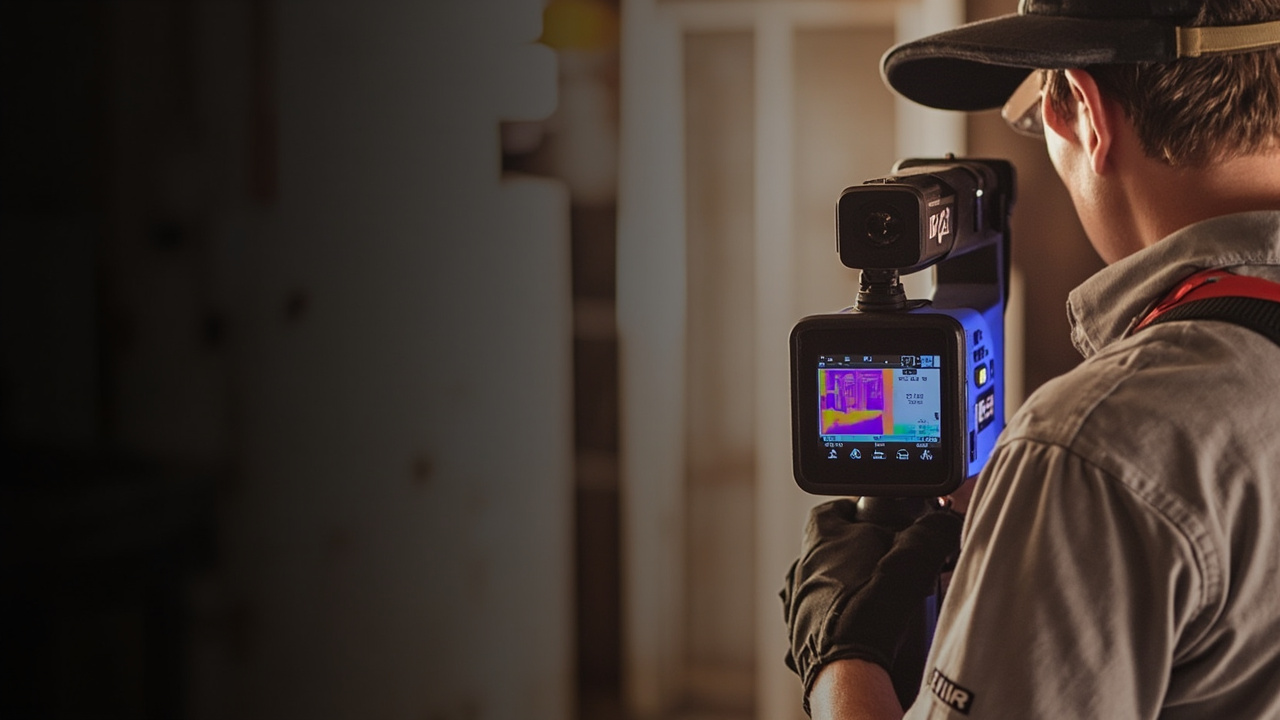
Effective mildew odor elimination starts with moisture mapping using thermal imaging cameras and pin-type moisture meters. We scan wall cavities, ceiling planes, and subfloor assemblies to identify hidden water intrusion points that feed the microbial growth causing your odor problem.

Once we locate the moisture source, we address it. This might mean repairing a leaking supply line, improving foundation drainage, or installing a vapor barrier in your crawl space. You cannot permanently eliminate odors while the underlying moisture problem continues.

Next, we remove contaminated materials. Drywall that has been wet for more than 48 hours becomes a food source for mold. Insulation acts like a sponge, holding moisture against framing members. Carpet padding traps water and organic matter. These materials must be removed and replaced, not just dried.

After demolition, we apply antimicrobial treatments to all affected surfaces. This kills active mold colonies and prevents regrowth during the drying process. We use HEPA-filtered negative air machines to create airflow patterns that pull contaminated air out of the structure while preventing cross-contamination to unaffected areas.

For neutralizing musty odors that have penetrated porous materials like concrete or wood framing, we use hydroxyl generators. Unlike ozone machines that require evacuation, hydroxyl technology breaks down odor molecules safely while you remain in your home. For severe cases, we use thermal fogging, which heats deodorizing agents into a fine mist that penetrates the same spaces where odor molecules hide.

The final step is verification testing. We use particle counters and air quality testing to confirm that spore counts have returned to normal ambient levels before reconstruction begins.

What Happens During Your Odor Removal Service

Musty Smells & Odor Removal in Chicago – Permanent Solutions for Persistent Water Damage Odors
01

Moisture Detection and Source Identification

We arrive with thermal cameras and moisture detection equipment to map water intrusion patterns behind your walls and under your floors. This diagnostic phase typically takes 60 to 90 minutes and identifies every moisture source feeding the microbial growth. You receive a detailed moisture map showing exactly where water is hiding and what needs to be addressed to stop the odor permanently.
02

Contaminated Material Removal and Treatment

Our technicians remove water-damaged drywall, insulation, and flooring that harbor mold colonies. We set up containment barriers and negative air pressure to prevent spore migration to clean areas. All exposed framing and concrete receives antimicrobial treatment. HEPA filtration runs continuously during this phase. Most residential jobs require two to four days for complete material removal and structural drying before odor neutralization begins.
03

Odor Neutralization and Air Quality Verification

After structural drying is complete, we deploy hydroxyl generators or thermal fogging equipment to break down odor molecules at the molecular level. This process typically runs for 24 to 72 hours depending on contamination severity. We conduct final air quality testing to verify that spore counts and particle levels meet clearance standards. You receive documentation showing before and after readings that confirm successful eradication of water damage smells.

Why Chicago Property Owners Choose Cornerstone for Odor Problems

Most restoration companies treat odor removal as an afterthought. They dry the structure, spray some deodorizer, and hope the smell goes away. That approach fails because it ignores the microbial source of the odor.

Cornerstone Water Damage Restoration Chicago specializes in complex odor problems that other companies cannot solve. We have invested in thermal imaging technology, hydroxyl generators, and particle counting equipment that most competitors do not own. Our technicians hold IICRC certifications in water damage restoration and applied microbial remediation, which means they understand the science of mold growth and odor chemistry.

We know Chicago construction. The brick two-flats in Pilsen have different ventilation challenges than the frame bungalows in Jefferson Park. Historic homes in Hyde Park often have fieldstone foundations that wick moisture differently than poured concrete. New construction in the South Loop may have vapor barrier issues that create condensation problems. This local knowledge matters when diagnosing hidden moisture sources.

Chicago's building codes require permits for structural work involving mold remediation. We handle all permit applications and coordinate inspections with the Department of Buildings. Our work meets the remediation standards outlined in the IICRC S520 Standard for professional mold remediation, which protects you during insurance claims and future property sales.

We also understand how to work with Chicago insurance adjusters. Many odor claims get denied because the property owner tried DIY solutions that made documentation impossible. We photograph every stage of the process, document moisture readings, and provide detailed scope of work reports that support your claim. Our estimates break down labor and materials in the format that Allstate, State Farm, and other carriers expect to see.

You get a single point of contact throughout the project. No subcontractors. No handoffs. The same project manager who performs your initial assessment oversees your job through final clearance testing.

What to Expect During Your Odor Removal Project

Response Time and Initial Assessment

We respond to odor complaints within four hours during business hours and within eight hours for after-hours calls. Emergency odor problems linked to active water damage receive immediate dispatch. Your initial assessment includes thermal imaging, moisture mapping, and a written estimate. Most assessments take 60 to 90 minutes. You receive a detailed report within 24 hours that outlines the moisture sources, required remediation, and projected timeline. We explain exactly what needs to happen and why, so you can make informed decisions about your property.

Detailed Moisture and Contamination Mapping

During your assessment, we document every moisture source with thermal images and pin-type meter readings. You see exactly where water is hiding behind your walls, under your floors, or above your ceilings. We note all visible mold growth and test air quality if microbial contamination is suspected. This diagnostic phase is critical because surface treatments fail if hidden moisture continues feeding mold colonies. You receive a floor plan marked with moisture locations, affected materials, and recommended remediation steps. This documentation supports insurance claims and provides a roadmap for complete odor elimination.

Complete Odor Elimination and Clean Indoor Air

Our goal is not to mask odors but to eliminate them permanently. After we remove contaminated materials and treat all surfaces, we deploy hydroxyl generators that break down odor molecules through advanced oxidation. This technology works on the same porous materials where odors hide, including concrete, wood framing, and HVAC ductwork. The process runs continuously until air quality testing confirms that particle counts and spore levels meet clearance standards. You receive lab results showing that your indoor air quality has returned to normal ambient levels. The musty smell is gone because the source is gone.

Post-Remediation Verification and Documentation

After odor neutralization is complete, we conduct clearance testing using particle counters and air sampling. You receive a final report with before and after readings that document successful remediation. This report is critical for insurance claims, future property sales, and your own peace of mind. We also provide recommendations for preventing future moisture problems, which might include improving ventilation, upgrading sump pump capacity, or installing dehumidifiers. All work comes with documentation that meets IICRC S520 standards for professional mold remediation. You get a clear record showing that the problem was addressed correctly.

Frequently Asked Questions

You Have Questions,
We Have Answers

How to get rid of a strong musty smell? +

Identify the source first. Check basements, crawl spaces, and areas near Lake Michigan where humidity hits hardest. Open windows on low-humidity days to air out rooms. Run dehumidifiers to drop moisture below 50 percent. Clean HVAC ducts and replace filters. Wash fabrics, carpets, and upholstery with vinegar solutions. If the smell persists after cleaning, you need professional inspection. Hidden mold behind drywall or under flooring is common in Chicago homes, especially in older neighborhoods. A restoration specialist can pinpoint moisture intrusion and eliminate the source, not just mask the odor.

What is the hardest smell to get rid of in a house? +

Smoke and mold. Smoke particles embed deep into porous materials like drywall, insulation, and subflooring. Mold releases microbial volatile organic compounds that penetrate structural cavities. In Chicago, where many homes have basements prone to seepage, mold odors become entrenched in concrete and wood framing. Standard cleaning fails because the contamination sits inside walls and under floors. Professional remediation requires removal of affected materials, HEPA air scrubbing, and antimicrobial treatments. Pet urine is also stubborn but easier to address than biological growth, which spreads if moisture continues.

How to get rid of old lady smell in house? +

This smell comes from aged fabrics, poor ventilation, and naphthalene-based mothballs. Start by removing old linens, drapes, and furniture that trap odors. Wash or discard items stored in closets. Air out rooms daily if weather permits. Clean walls, floors, and ceilings with mild detergent. Replace HVAC filters and run air purifiers with activated carbon. In Chicago bungalows and older homes with limited airflow, odors accumulate faster. If the smell remains after cleaning, check for hidden moisture issues or mold growth behind wallpaper or paneling. Professional deodorization treats deep-set odors standard cleaning misses.

What makes a house smell musty? +

Moisture accumulation. When humidity stays above 60 percent, mold and mildew grow on organic materials like wood, drywall, and carpet. Chicago's freeze-thaw cycles crack foundations, allowing groundwater into basements. Poor ventilation in attics and crawl spaces traps humid air. Leaking pipes, roof damage, or condensation around windows all contribute. The musty smell is microbial volatile organic compounds released by fungal colonies. You might not see visible mold, but the odor signals active growth somewhere. Dehumidifiers help, but fixing the moisture source is the only permanent fix.

Can a musty smell indicate mold? +

Yes. A musty smell is a warning sign of mold growth. Mold releases gases called microbial volatile organic compounds as it digests organic material. You may smell it before you see visible colonies. Check basements, attics, crawl spaces, and areas around plumbing. In Chicago homes with older plumbing or foundation issues, hidden mold is common behind walls or under flooring. If you smell must, test moisture levels and inspect for water intrusion. Ignoring the odor allows mold to spread, damaging structure and creating health risks. Professional mold testing confirms the presence and extent.

What is a homemade musty odor eliminator? +

Mix one cup white vinegar with one cup water in a spray bottle. Vinegar neutralizes odors without harsh chemicals. Spray on hard surfaces, wipe down, and let air dry. For fabrics, add a cup of baking soda to laundry loads. Place open boxes of baking soda in closets and basements to absorb smells. Activated charcoal bags also work well in small spaces. These solutions mask surface odors but do not fix underlying moisture or mold problems. If the smell returns after cleaning, you need a professional inspection to address the root cause.

What is the old lady's smell called? +

It is often called nonenal. This odor comes from the breakdown of omega-7 fatty acids in aging skin, which clings to fabrics and enclosed spaces. Poor air circulation makes it worse. The smell also includes naphthalene from mothballs and stale air trapped in closed rooms. In Chicago homes with limited ventilation, odors concentrate faster. Washing linens, improving airflow, and replacing old fabrics help. Air purifiers with carbon filters reduce airborne particles. If the smell persists, check for moisture issues or hidden mold, which can mix with organic odors and worsen the problem.

How do I permanently get rid of a bad smell in my house? +

Fix the source. Surface cleaning only masks odors temporarily. Check for water leaks, foundation cracks, or roof damage. In Chicago, basement seepage and poor drainage are common culprits. Repair leaks, improve ventilation, and control humidity below 50 percent. Remove contaminated materials like moldy drywall or soaked insulation. Clean HVAC systems and ductwork. Use air scrubbers with HEPA and carbon filters to remove airborne particles. If odors persist after repairs, call a restoration professional. They use thermal foggers, ozone treatments, or hydroxyl generators to neutralize deep-set smells standard methods cannot reach.

What does toxic mold smell like in a house? +

Toxic mold smells earthy, damp, and pungent. Some describe it as rotting wood or wet socks. Stachybotrys, commonly called black mold, has a strong musty odor. The smell comes from microbial volatile organic compounds released during growth. You might notice it near water-damaged areas, basements, or behind walls. In Chicago, where humidity and old building stock create ideal conditions, toxic mold is a real concern. The odor alone does not confirm toxicity. Professional testing identifies mold species and moisture levels. If you smell strong must, inspect immediately. Delaying allows spread and increases remediation costs.

What is the old grandma's smell? +

It is a mix of nonenal, stale air, and aged fabrics. Nonenal forms when omega-7 fatty acids in aging skin break down and cling to clothing and linens. Add naphthalene from mothballs, poor ventilation, and you get that distinct scent. In Chicago homes with older HVAC systems and limited airflow, the smell becomes trapped. Washing fabrics, airing out rooms, and using air purifiers help. Replace old furniture and drapes that absorb odors. If the smell persists, check for hidden mold or moisture problems. Sometimes what seems like an age-related odor is a sign of water damage.

How Lake Michigan Humidity Creates Persistent Odor Problems in Chicago Homes

Chicago sits on the western shore of Lake Michigan, which creates humidity swings that challenge mechanical ventilation systems. Summer lake breezes push moisture-laden air into homes, where it condenses on cool basement walls and AC ducts. Winter temperature inversions trap humid air near ground level, preventing proper ventilation. These cycles create persistent dampness that feeds mold growth in crawl spaces, rim joists, and wall cavities. Homes in neighborhoods like Rogers Park, Edgewater, and Hyde Park experience higher humidity levels than inland areas. The damp smell you notice is microbial growth thriving in these moisture-rich environments. Professional mildew odor elimination requires controlling humidity at the source, not just masking odors with sprays.

Chicago's diverse housing stock means odor problems manifest differently depending on construction era and building type. Brick two-flats built in the 1920s often lack vapor barriers, allowing groundwater to wick up through masonry. Frame bungalows common in neighborhoods like Portage Park and Norwood Park have unvented crawl spaces that trap moisture. Modern high-rises with sealed building envelopes can develop condensation problems when HVAC systems fail to balance humidity loads. Cornerstone Water Damage Restoration Chicago understands these local construction patterns and how they contribute to water damage smells. We have worked in every Chicago neighborhood and know how to adapt remediation strategies to different building types. This local expertise means faster diagnosis and more effective odor removal.
Water Damage Restoration Services in The Chicago Area

Cornerstone proudly serves the entire Chicago area with fast, dependable water damage restoration services. Whether you’re located in downtown, the suburbs, or surrounding neighborhoods, we’re ready to respond to your call—day or night. Use the map below to see our local service coverage and find our nearest team. With mobile units throughout the city, help is never far away. If you’re facing water damage, reach out now and let us show you why homeowners and businesses choose Cornerstone.

Address:
Cornerstone Water Damage Restoration Chicago, 171 N Aberdeen St, Chicago, IL, 60607

Additional Services We Offer

Our news updates

Latest Articles & News from The Blogs

High Humidity and Mold Growth in Chicago Summers What Homeowners Need to Know Your basement smells musty. Your bathroom mirror…

Why high humidity in the Chicago summer makes water damage worse in Calumet Heights

High Humidity and Mold Growth in Chicago Summers What Homeowners Need to Know Your basement smells musty. Your bathroom mirror…

Managing water damage restoration in the high-end luxury builds of the Near North Side

Luxury Home Water Damage Restoration in Chicago's Near North Side A burst pipe at 2 AM in your Gold Coast…

How we use thermal imaging to find hidden leaks in West Ridge homes

Expert Infrared Leak Detection in Chicago Homes and Businesses A hidden pipe leak can destroy your property long before you…

Contact Us

Stop covering up the odor and eliminate it permanently. Call Cornerstone Water Damage Restoration Chicago at (872) 266-1616 for same-day assessment and a detailed plan to remove the musty smell from your home.