



menu

Mold Remediation & Removal in Chicago | Complete Abatement by Certified Technicians

Cornerstone Water Damage Restoration Chicago delivers full-scale mold remediation and removal using EPA-approved protocols, containment barriers, and HEPA filtration to eliminate spores and prevent regrowth in your property.

Slider Image 1
Slider Image 2
Slider Image 3
Slider Image 4
Slider Image 5
Slider Image 7
Slider Image 8
Slider Image 9
Slider Image 10
Slider Image 11

Why Chicago Properties Face Constant Mold Threats

Chicago's position along Lake Michigan creates the perfect storm for mold growth. The city sees humidity levels spike above 70 percent during summer months, while brutal winters drive moisture into building envelopes through freeze-thaw cycles that crack foundations and compromise building materials. When snow melts in March and April, water intrusion through basements becomes widespread across neighborhoods from Lincoln Park to Pilsen.

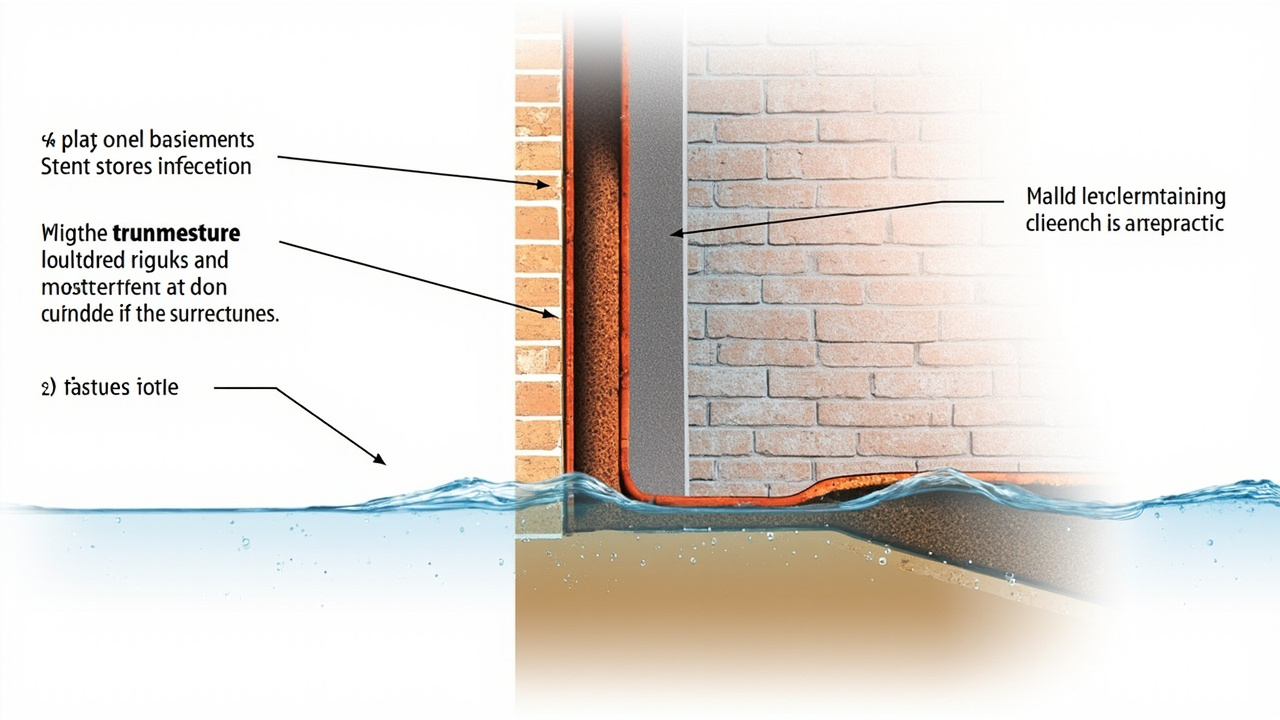
The city's older housing stock compounds the problem. Brick two-flats and greystone buildings built before 1950 lack modern vapor barriers. Water migrates through porous masonry, settling behind walls where dark, damp conditions let mold colonies flourish undetected. By the time you notice that musty smell or see visible growth, spores have already spread through HVAC systems into multiple rooms.

Professional mold removal becomes necessary because surface cleaning does not solve the problem. Mold abatement requires containment protocols to prevent cross-contamination during the removal process. Mold mitigation addresses the moisture source, whether that is a leaking pipe, condensation from poor ventilation, or groundwater seeping through foundation walls.

You cannot afford to wait. Mold releases mycotoxins that trigger respiratory problems, allergic reactions, and chronic inflammation. Property damage accelerates as mold digests organic materials like drywall paper, wood framing, and insulation. Mold cleanup services must follow strict protocols to protect occupants and restore indoor air quality to safe levels.

Why Chicago Properties Face Constant Mold Threats
How Professional Mold Decontamination Works

How Professional Mold Decontamination Works

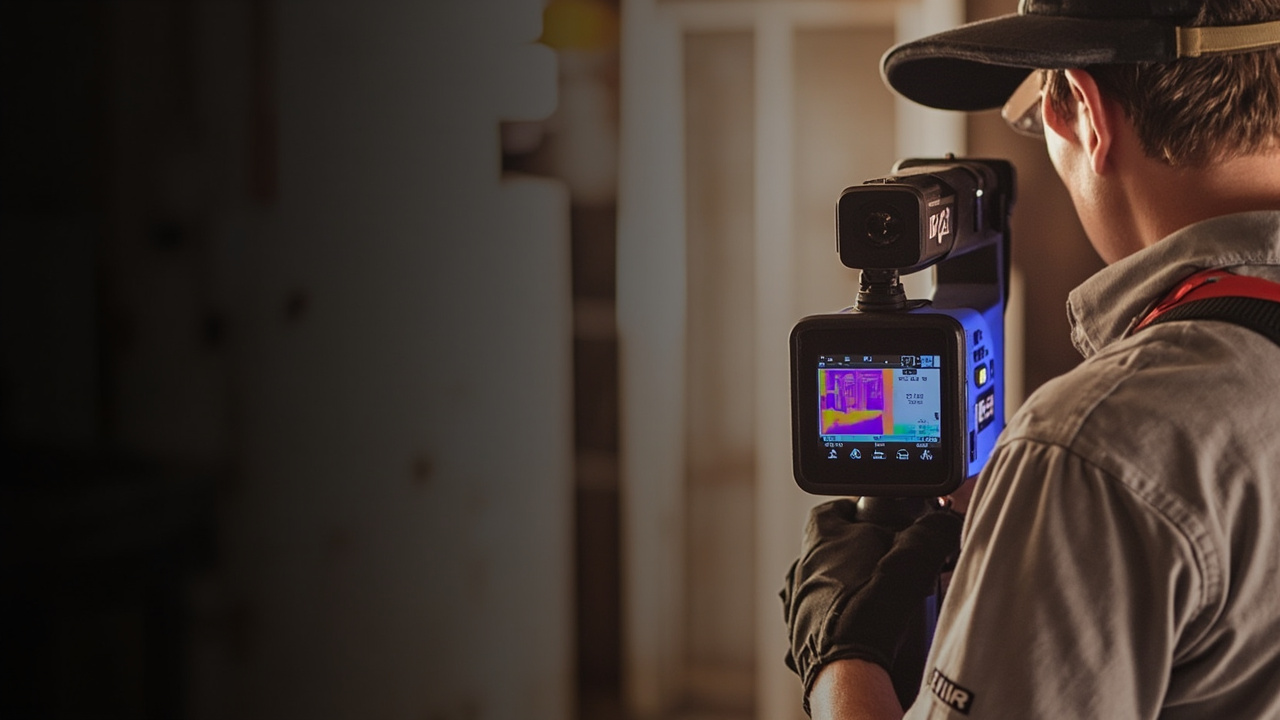
Mold remediation starts with moisture mapping using thermal imaging cameras and hygrometers to identify every water source feeding mold growth. We measure humidity levels in wall cavities and check for hidden leaks behind fixtures. This diagnostic phase determines the scope of contamination and guides the remediation strategy.

Containment comes next. We establish negative air pressure chambers using polyethylene sheeting and air scrubbers equipped with HEPA filters rated to capture 99.97 percent of particles down to 0.3 microns. This prevents mold spores from migrating to clean areas during removal. Air exits through filtration systems that trap spores before they escape the work zone.

Physical removal follows containment. We discard porous materials like drywall, insulation, and carpet padding that cannot be salvaged. Non-porous surfaces get cleaned using antimicrobial solutions and abrasive methods to remove embedded growth. HEPA vacuums capture loose spores from structural components like studs and joists.

The decontamination phase uses EPA-registered biocides to kill remaining spores and prevent regrowth. We apply these treatments to all affected surfaces, then verify effectiveness through air quality testing. Post-remediation verification ensures spore counts return to normal background levels before we seal the containment area.

Final restoration repairs damaged building materials. We install mold-resistant drywall, apply encapsulants to wood framing, and address the original moisture problem. Whether that means fixing plumbing leaks, improving basement waterproofing, or upgrading ventilation systems, we eliminate conditions that allow mold to return.

What Happens During Your Mold Remediation Project

Mold Remediation & Removal in Chicago | Complete Abatement by Certified Technicians
01

Assessment and Containment Setup

Our technicians arrive within hours to map moisture levels and identify every contaminated area using thermal imaging and moisture meters. We establish physical containment barriers with polyethylene sheeting and create negative air pressure using commercial air scrubbers. This prevents spore migration during removal. We document pre-remediation conditions with photos and air samples that establish baseline contamination levels for comparison after cleanup.
02

Removal and Decontamination

We remove all porous materials that cannot be salvaged, including drywall, insulation, and contaminated personal items. Non-porous surfaces get cleaned using HEPA vacuums, wire brushing, and antimicrobial treatments. We treat structural components with EPA-registered biocides to kill remaining spores. Air scrubbers run continuously to capture airborne particles. This phase requires strict adherence to containment protocols to protect unaffected areas from cross-contamination during the physical removal process.
03

Verification and Restoration

Independent testing confirms spore counts have returned to normal background levels before we begin restoration work. We install mold-resistant building materials, apply encapsulants to exposed wood, and repair the moisture source that caused the initial growth. Final walkthrough includes documentation showing clearance test results and warranty information for completed work. Your property returns to safe, habitable condition with protections in place against future contamination.

Why Chicago Property Owners Choose Cornerstone for Mold Abatement

Experience with Chicago building types matters. We understand how water moves through brick two-flats, how basement moisture affects bungalows in neighborhoods like Portage Park, and how high-rise buildings in the Loop require different containment strategies than single-family homes. This local knowledge prevents rookie mistakes that lead to incomplete remediation and recurring mold problems.

Our technicians hold certifications from the Institute of Inspection, Cleaning and Restoration Certification. We follow protocols established by the Environmental Protection Agency and the American Conference of Governmental Industrial Hygienists. These standards guide containment procedures, personal protective equipment requirements, and disposal methods for contaminated materials. When insurance companies review remediation work, they look for documentation proving we followed industry best practices.

Chicago's building codes require specific approaches to structural repairs after water damage and mold removal. We pull permits when code requires, coordinate inspections with the Department of Buildings, and ensure restoration work meets current building standards. This protects you from liability issues if problems emerge during future property sales or insurance claims.

We work directly with insurance adjusters to document damage, justify scope of work, and streamline claims processing. Most policies cover mold remediation when contamination results from covered water damage events like burst pipes or storm flooding. Our detailed reporting helps maximize insurance reimbursement while keeping projects moving forward without delays.

Response time determines how much damage occurs. We dispatch crews 24 hours a day because mold colonies double in size every 48 to 72 hours under ideal conditions. Fast containment limits spread and reduces overall remediation costs.

What to Expect From Your Mold Remediation Project

Response Time and Project Duration

We deploy assessment teams within four hours of your call, even during weekends and overnight hours. Initial containment and moisture control begin the same day to stop additional damage. Most residential projects take three to five days from containment setup through final clearance testing, though extensive contamination affecting multiple rooms or structural components may require seven to ten days. Commercial projects depend on square footage and occupancy requirements. We provide detailed timelines after completing the initial assessment so you can plan around displacement periods.

Initial Inspection and Testing

Your inspection includes thermal imaging to find hidden moisture, moisture meter readings to quantify saturation levels, and visual documentation of all visible growth. We collect air samples and surface samples to identify mold species and establish contamination baselines. This data guides remediation protocols and provides evidence for insurance claims. You receive a detailed report explaining moisture sources, affected areas, and recommended scope of work. We review findings in plain language so you understand what needs to happen and why each step matters for complete decontamination.

Cleanup Standards and Verification

All work follows Environmental Protection Agency guidelines for mold remediation in residential and commercial buildings. We use containment barriers rated for the contamination level, HEPA filtration systems that meet industry specifications, and EPA-registered antimicrobial products. Independent third-party testing confirms successful remediation before we remove containment barriers. Clearance reports document that airborne spore counts have returned to levels consistent with outdoor ambient air. You receive copies of all lab results showing your property meets safe occupancy standards.

Moisture Control and Prevention Planning

Removing visible mold solves only half the problem. We identify and repair the moisture source that allowed growth to develop, whether that involves plumbing repairs, foundation waterproofing, improved ventilation, or dehumidification systems. You receive written recommendations for preventing future contamination based on your building type and the conditions that caused the original problem. We install moisture-resistant building materials during restoration and can provide ongoing humidity monitoring services for properties with chronic moisture challenges. Prevention planning protects your investment and prevents recurring remediation costs.

Frequently Asked Questions

You Have Questions,
We Have Answers

How much does it cost to remove mold? +

Mold removal costs in Chicago vary based on the extent of contamination, location, and structural damage. Small, contained areas might run a few hundred dollars, while extensive basement or attic infestations involving structural repairs can cost several thousand. Chicago's high humidity and older building stock often complicate jobs. Costs include containment setup, air filtration, antimicrobial treatment, disposal, and moisture source repair. You cannot get an accurate estimate without a professional inspection. Prices fluctuate based on access difficulty and whether porous materials like drywall need replacement. Always get multiple quotes and verify certifications.

What is the difference between mold removal and mold remediation? +

Mold removal refers to physically scrubbing or eliminating visible mold from surfaces. Mold remediation is the full-spectrum process of identifying the moisture source, containing the affected area, removing contaminated materials, treating surfaces with antimicrobials, restoring air quality, and preventing future growth. In Chicago, remediation is critical because mold spores thrive in our humid climate and old homes. Simply removing visible mold without addressing the root cause guarantees recurrence. Remediation includes post-testing and moisture control strategies. Removal is a step within remediation, not a standalone solution.

How much should it cost to remove mold? +

Expect mold removal costs in Chicago to range from a few hundred dollars for small, isolated patches to several thousand for widespread contamination affecting multiple rooms or structural components. Factors include square footage, material type, containment needs, and underlying water damage repair. Chicago's freeze-thaw cycles and aging infrastructure often mean moisture problems are systemic, driving costs higher. Basements and crawl spaces require specialized equipment. Reputable contractors provide itemized estimates after inspection. Avoid flat-rate quotes without assessment. The investment reflects labor, equipment, disposal, and prevention measures.

Is professional mold removal worth it? +

Yes. Professional mold removal is worth it in Chicago because improper handling spreads spores, worsens indoor air quality, and creates liability. Certified technicians use containment barriers, HEPA filtration, and EPA-approved antimicrobials you cannot access as a homeowner. Chicago's older housing stock and humidity require precise moisture mapping and structural assessment. Professionals identify hidden colonies behind walls or under flooring. DIY efforts often miss root causes, leading to recurrence and higher long-term costs. Insurance claims also require documented professional work. Your health and property value depend on proper remediation.

What kills mold permanently? +

Nothing kills mold permanently without eliminating the moisture source. EPA-registered antimicrobials and biocides kill active colonies, but spores remain dormant everywhere. In Chicago, controlling humidity below 60 percent and fixing leaks stops regrowth. HEPA vacuuming removes surface spores. Encapsulants seal porous materials. Bleach works on non-porous surfaces but does not penetrate drywall or wood. Professionals use hospital-grade disinfectants and address structural moisture through dehumidification, vapor barriers, and ventilation upgrades. Mold is permanent in the environment. You manage conditions, not eradicate spores entirely.

Can a house recover from mold? +

Yes. A house can fully recover from mold if the contamination is properly remediated and the moisture source is permanently fixed. In Chicago, this often means upgrading sump pumps, repairing foundation cracks, or improving attic ventilation. Structural materials like studs and joists can be treated and salvaged if caught early. Extensive rot requires replacement. Post-remediation air testing confirms spore counts return to normal. Property value recovers with documentation of professional work. Disclosure laws require transparency during sales, but a clean remediation report reassures buyers. Recovery depends on speed and thoroughness of response.

Can I remediate mold myself? +

You can clean small, surface-level mold on non-porous materials like tile or glass using detergent and water. Chicago homeowners should not attempt DIY remediation for areas larger than 10 square feet, hidden mold, or contamination involving HVAC systems, sewage, or structural components. Disturbing colonies without containment spreads spores throughout your home. You lack proper respirators, negative air machines, and moisture meters. Health risks include respiratory issues and allergic reactions. Illinois does not require contractor licensing for mold work, making professional vetting critical. Call a certified remediator for anything beyond minor surface cleaning.

Why is mold remediation so expensive? +

Mold remediation costs reflect specialized labor, equipment, and liability. In Chicago, containment barriers and negative air pressure prevent cross-contamination during work. HEPA vacuums, air scrubbers, and antimicrobial fogging require significant investment. Disposing of contaminated drywall, insulation, and carpeting adds to costs. Technicians need training and protective gear. Chicago's older homes often hide extensive damage behind walls, requiring invasive inspection. Moisture source repair drives expenses higher. Post-remediation testing and documentation add fees. You pay for expertise, equipment, and peace of mind that the job prevents recurrence and protects occupant health.

How long should you stay out of house after mold remediation? +

You can typically re-enter your Chicago home 24 to 48 hours after mold remediation, depending on project scope and ventilation. Small jobs may allow same-day return. Extensive remediation involving whole-house containment and antimicrobial fogging requires longer clearance times. Air scrubbers must run until post-testing confirms safe spore levels. Contractors provide specific timelines based on humidity, airflow, and material drying needs. Chicago's climate affects drying speed. Vulnerable individuals like children, elderly, or those with respiratory conditions should wait for formal clearance. Always request post-remediation air quality test results before moving back in.

Can mold be fully removed from a house? +

Mold can be fully removed from contaminated materials and surfaces, but spores exist everywhere naturally. Professional remediation in Chicago eliminates active colonies, treats affected areas with antimicrobials, and restores air quality to normal background levels. HEPA filtration captures airborne spores during work. Non-porous surfaces can be disinfected. Porous materials like drywall or insulation often require removal and replacement. Post-remediation testing verifies spore counts match outdoor baselines. You cannot achieve a spore-free environment, but you can eliminate harmful concentrations and prevent regrowth by controlling moisture. Proper remediation returns your home to safe, healthy conditions.

How Chicago's Lake Effect Climate Accelerates Mold Growth Year-Round

Lake Michigan drives moisture into Chicago buildings through multiple mechanisms. Summer humidity regularly exceeds 70 percent, creating ideal conditions for mold spores to germinate within 24 to 48 hours of water intrusion. Winter lake effect snow dumps heavy precipitation that overwhelms drainage systems and drives water through foundation cracks. Spring thaw cycles cause rapid temperature swings that generate condensation inside wall cavities. Buildings in lakefront neighborhoods from Rogers Park to Hyde Park face elevated risk due to proximity to this massive moisture source. Professional mold mitigation becomes necessary because DIY approaches cannot address the scale of contamination common in Chicago's humid climate.

Chicago's building stock requires specialized knowledge for effective mold cleanup services. Brick construction common in pre-war buildings absorbs moisture differently than modern frame construction. Basement apartments below grade face constant hydrostatic pressure from groundwater. High-rise buildings require containment strategies that account for HVAC systems serving multiple units. Cornerstone Water Damage Restoration Chicago employs technicians trained specifically in these local building types. We understand how water moves through Chicago architecture and which remediation protocols work for each construction method. This expertise prevents the incomplete cleanup that leads to recurring contamination and failed insurance claims.
Water Damage Restoration Services in The Chicago Area

Cornerstone proudly serves the entire Chicago area with fast, dependable water damage restoration services. Whether you’re located in downtown, the suburbs, or surrounding neighborhoods, we’re ready to respond to your call—day or night. Use the map below to see our local service coverage and find our nearest team. With mobile units throughout the city, help is never far away. If you’re facing water damage, reach out now and let us show you why homeowners and businesses choose Cornerstone.

Address:
Cornerstone Water Damage Restoration Chicago, 171 N Aberdeen St, Chicago, IL, 60607

Additional Services We Offer

Our news updates

Latest Articles & News from The Blogs

High Humidity and Mold Growth in Chicago Summers What Homeowners Need to Know Your basement smells musty. Your bathroom mirror…

Why high humidity in the Chicago summer makes water damage worse in Calumet Heights

High Humidity and Mold Growth in Chicago Summers What Homeowners Need to Know Your basement smells musty. Your bathroom mirror…

Managing water damage restoration in the high-end luxury builds of the Near North Side

Luxury Home Water Damage Restoration in Chicago's Near North Side A burst pipe at 2 AM in your Gold Coast…

How we use thermal imaging to find hidden leaks in West Ridge homes

Expert Infrared Leak Detection in Chicago Homes and Businesses A hidden pipe leak can destroy your property long before you…

Contact Us

Mold damage accelerates every day you wait. Call Cornerstone Water Damage Restoration Chicago at (872) 266-1616 for immediate assessment and containment. Our certified technicians deploy 24/7 across all Chicago neighborhoods with equipment ready to stop contamination before it spreads to additional rooms.