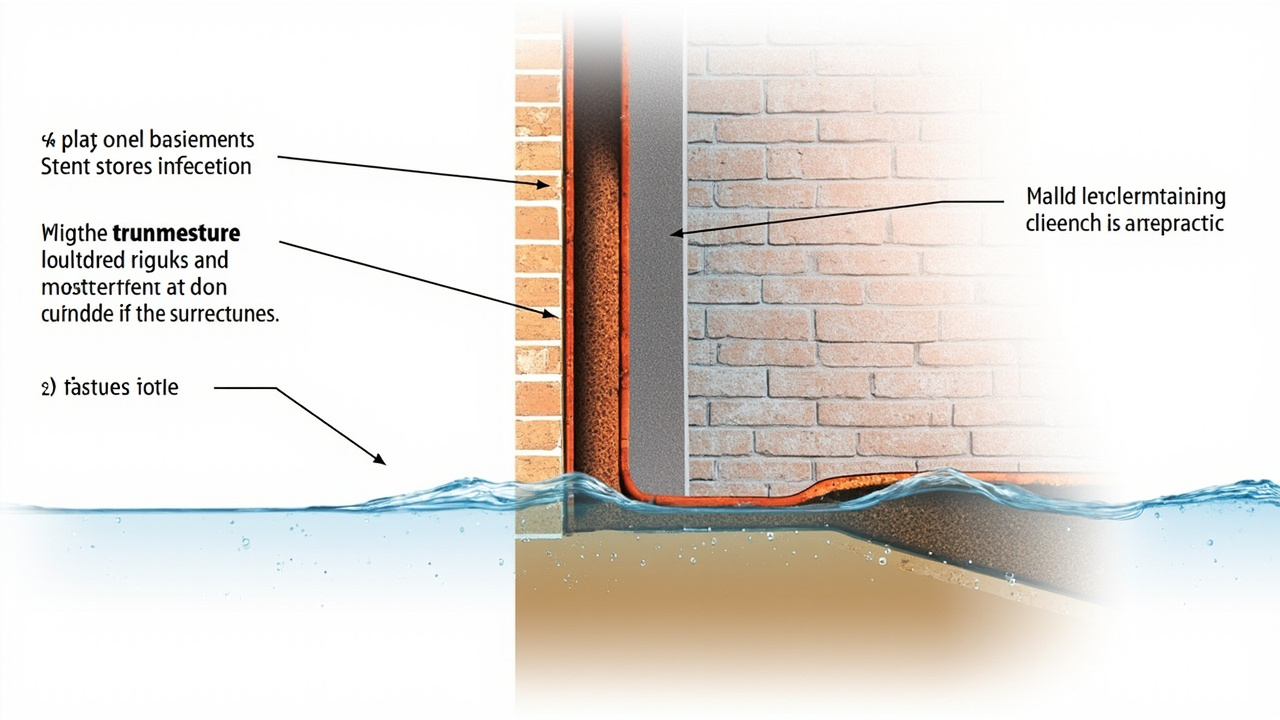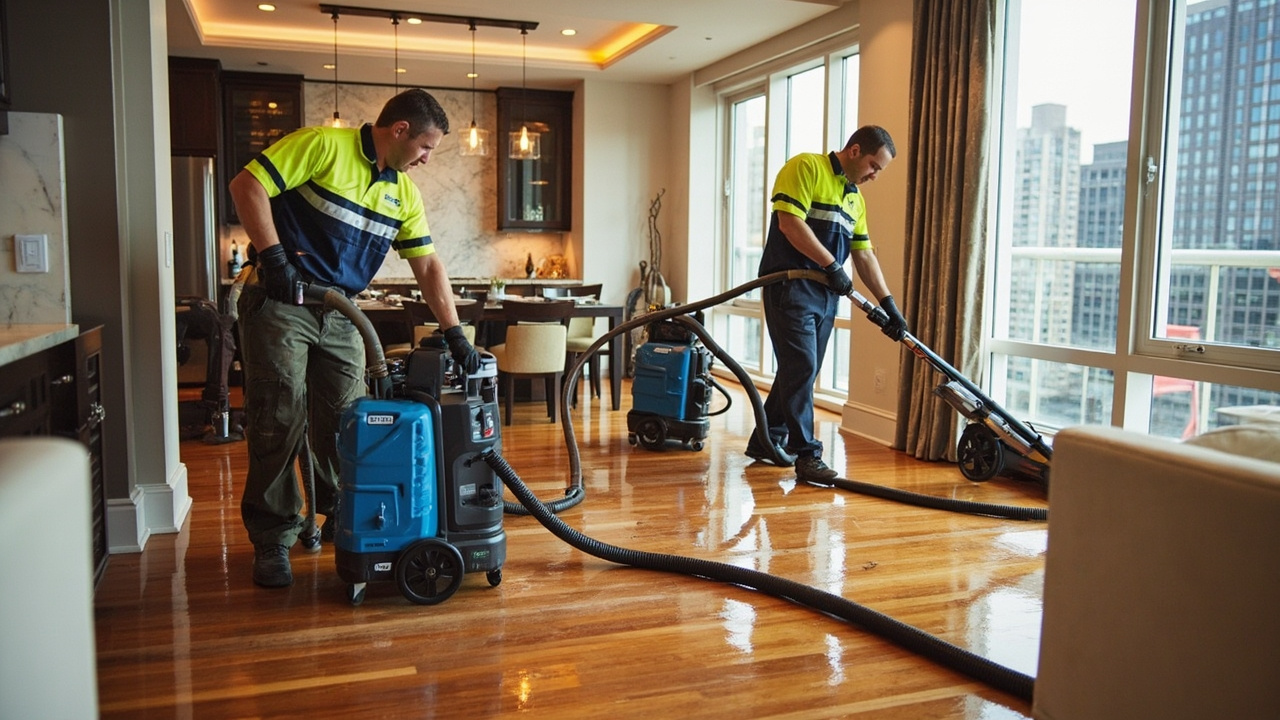






Chicago's combined sewer system, which handles both stormwater and sanitary sewage, creates significant flood risk for commercial properties during heavy precipitation events. When rainfall exceeds system capacity, backups occur in below-grade spaces common to industrial and retail buildings throughout the city. The clay-heavy soil that underlies most of Chicago prevents natural drainage, forcing water into building foundations and underground parking structures. Large scale water extraction becomes critical when these backups occur because contaminated water requires specialized handling protocols and complete removal within 48 hours to prevent bacterial growth.
Commercial property managers in Chicago need water damage partners who understand local infrastructure limitations and building code requirements. The city requires specific documentation for water events affecting certificate of occupancy status, particularly in buildings with food service operations or medical facilities. Cornerstone Water Damage Restoration Chicago maintains working relationships with Cook County health inspectors and commercial insurance adjusters familiar with local compliance standards. Our experience with Chicago's diverse building stock, from historic masonry structures in Pilsen to modern steel-frame towers downtown, allows us to adapt extraction methodology to building-specific requirements.