



menu

Industrial Drying Services in Chicago – Minimize Downtime with Industrial-Grade Dehumidification

When water infiltrates your manufacturing floor, warehouse, or commercial facility, every hour of downtime costs you revenue. Our industrial drying services deploy commercial-grade dehumidifiers and thermal imaging to restore your operations fast.

Slider Image 1
Slider Image 2
Slider Image 3
Slider Image 4
Slider Image 5
Slider Image 7
Slider Image 8
Slider Image 9
Slider Image 10
Slider Image 11

Chicago's Infrastructure Creates Unique Water Intrusion Risks for Industrial Facilities

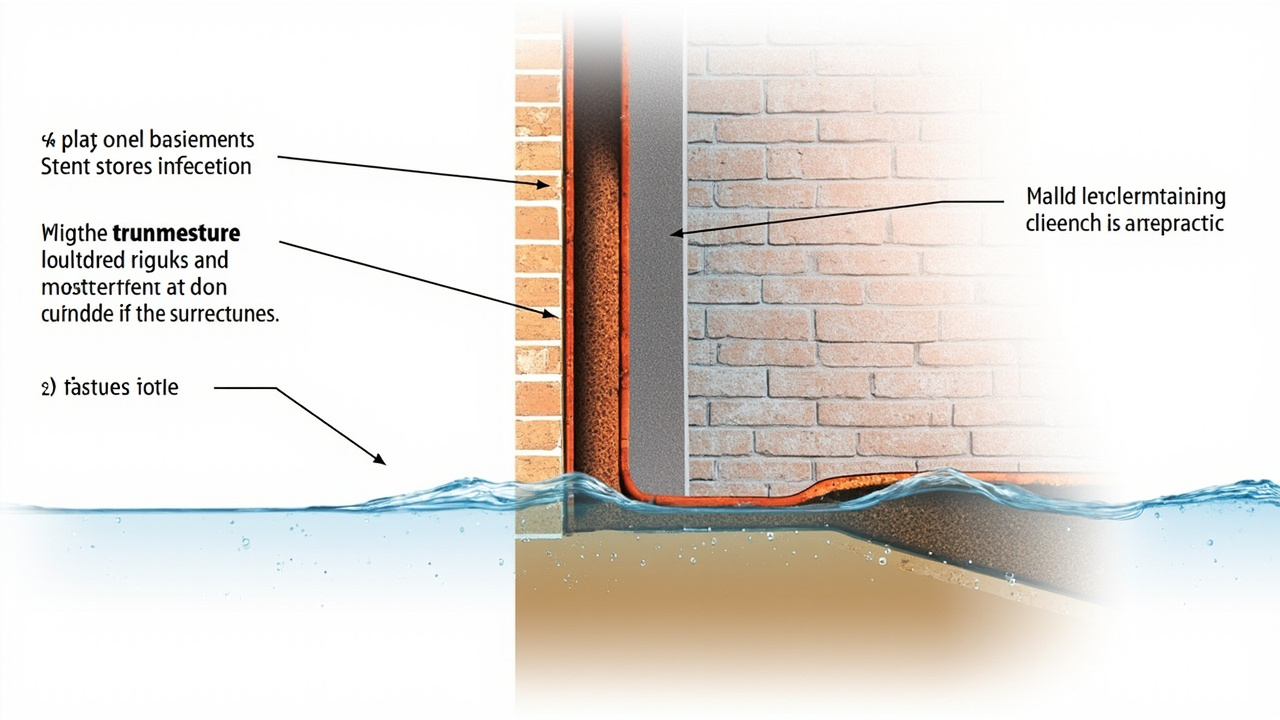
Chicago's freeze-thaw cycles wreak havoc on industrial facilities. Water mains beneath aging infrastructure can rupture without warning, flooding production floors and warehouses across the Loop, Pilsen, and industrial corridors near the Calumet River. The city's clay soil shifts during seasonal temperature swings, creating foundation cracks that channel groundwater into basements and below-grade storage areas.

When a pipe bursts at 2 AM or a storm overwhelms your roof drainage system, standing water is only the beginning. Moisture seeps into concrete slabs, insulation, and structural framing. Within 48 hours, microbial growth begins. Within a week, steel components corrode and electrical systems fail.

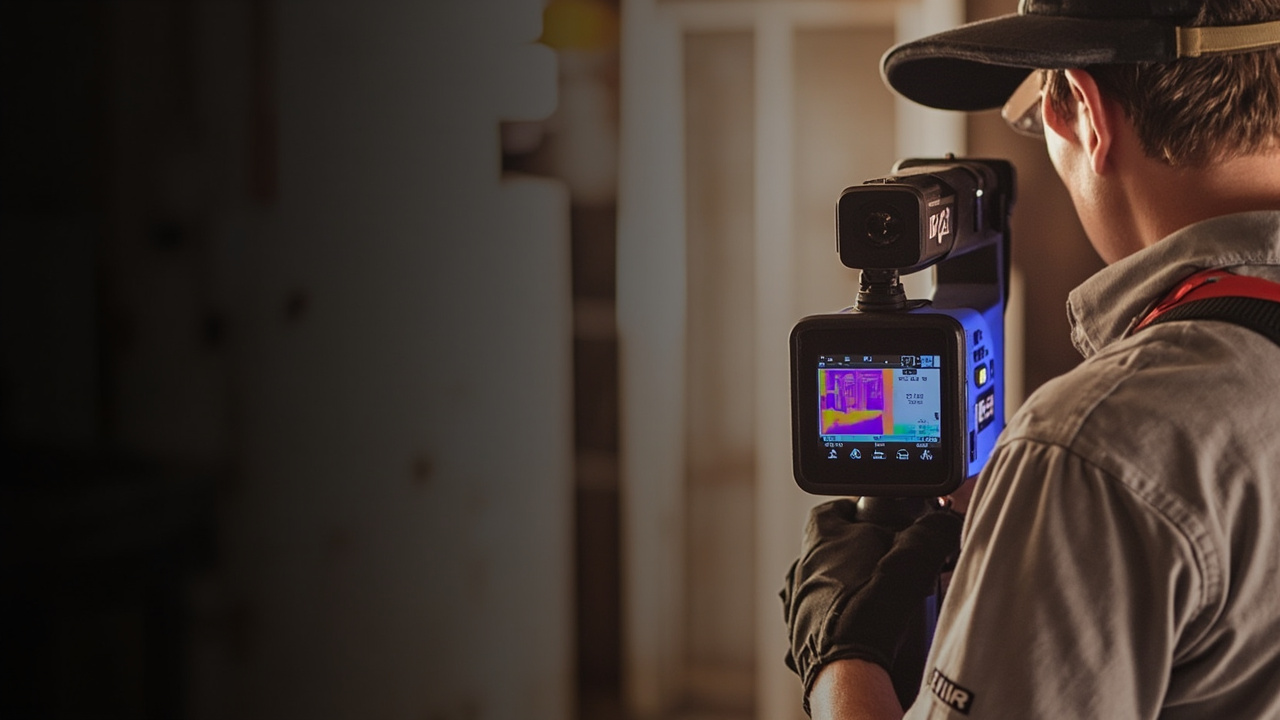
Industrial dehumidification services address these threats through systematic moisture extraction. We deploy commercial structural drying equipment that removes water from materials traditional mopping cannot reach. Our thermal imaging cameras identify trapped moisture in walls and subflooring before it compromises structural integrity.

Manufacturing facilities in Brighton Park and warehouses near the Stevenson Expressway cannot afford extended shutdowns. Every day your production line sits idle, you lose contracts and credibility. Standard restoration timelines are unacceptable when your quarterly revenue depends on operational continuity.

Our commercial water drying services focus on one metric: time to operational readiness. We coordinate with your facility managers to isolate affected zones, allowing unaffected areas to remain productive while we execute industrial structural drying protocols. This compartmentalized approach keeps your business moving while we eliminate the water damage that threatens your bottom line.

Chicago's Infrastructure Creates Unique Water Intrusion Risks for Industrial Facilities
Our Industrial Drying Methodology Prioritizes Business Continuity

Our Industrial Drying Methodology Prioritizes Business Continuity

Generic restoration approaches fail in industrial environments. A wet basement in a residential property requires different equipment and protocols than a flooded pharmaceutical cleanroom or a saturated cold storage facility. We deploy commercial drying solutions calibrated to your specific operational requirements and regulatory environment.

Our process begins with hygrometric assessment. We measure relative humidity, temperature, and moisture content in building materials using calibrated sensors. This data drives our equipment selection. A warehouse storing paper products demands aggressive dehumidification to prevent inventory loss. A food processing facility requires negative air pressure and HEPA filtration to maintain sanitary conditions during restoration.

We position truck-mounted extraction units and desiccant dehumidifiers based on airflow modeling. Industrial fans create circulation patterns that accelerate evaporation without disturbing dust-sensitive equipment or clean zones. We monitor moisture levels every 12 hours, adjusting equipment placement as materials dry.

For facilities with 24-hour operations, we schedule equipment deployment during shift changes or low-production windows. Our technicians wear site-appropriate PPE and follow your safety protocols. If your facility handles hazardous materials or operates under FDA oversight, we coordinate with your compliance team to document every intervention.

Structural drying in commercial spaces often reveals hidden damage. Water travels through utility chases and HVAC plenums, appearing hundreds of feet from the original intrusion point. Our thermal imaging surveys map the full extent of saturation, preventing the costly surprise of discovering mold growth months after you thought the problem was resolved.

We extract moisture from concrete floors using specialty mats that create negative pressure against the slab surface. This method removes water trapped in porous concrete without requiring invasive demolition. For wood framing or drywall assemblies, we inject heated air into wall cavities through small access ports, drying structural components from the inside out.

How We Execute Industrial Water Extraction and Structural Drying

Industrial Drying Services in Chicago – Minimize Downtime with Industrial-Grade Dehumidification
01

Emergency Assessment and Containment

We arrive within two hours of your call. Our technicians perform moisture mapping using infrared cameras and penetrating moisture meters. We identify contamination categories (clean water, gray water, or black water) and establish containment barriers to prevent cross-contamination. If your facility includes cold storage or temperature-sensitive processes, we prioritize those zones to minimize product loss. You receive a preliminary drying plan within 90 minutes of our arrival.
02

Equipment Deployment and Monitoring

We position industrial dehumidifiers, air movers, and extraction equipment based on psychrometric calculations. For large facilities, we deploy trailer-mounted desiccant units capable of processing thousands of cubic feet per minute. Our technicians monitor moisture readings twice daily, documenting progress with timestamped photos and moisture logs. If drying curves plateau, we adjust airflow patterns or add supplemental heat to accelerate evaporation. You receive daily progress reports showing measurable moisture reduction.
03

Verification and Operational Clearance

We continue drying operations until all affected materials reach equilibrium moisture content. This means concrete floors, wall cavities, and structural framing return to pre-loss moisture levels verified through calibrated meters. We provide final documentation showing moisture readings meet industry standards. For facilities requiring regulatory compliance, we coordinate third-party clearance testing for microbial contamination or air quality. You receive a completion certificate confirming your facility is safe to resume full operations.

Why Chicago Industrial Facilities Trust Cornerstone for Critical Water Damage Response

When a water main break floods your facility at midnight, you need a restoration partner who understands Chicago's commercial building stock. We have dried facilities in every industrial corridor from Goose Island to the South Side manufacturing district. We know which buildings have cast iron piping installed in the 1950s and which warehouses sit on reclaimed marshland near the Chicago River.

Our technicians understand the complications of drying multi-story facilities with concrete tilt-up construction common in Chicago's industrial parks. These buildings trap moisture in wall assemblies, requiring specialized injection drying techniques. We coordinate with building engineers to access mechanical spaces and utility corridors without disrupting your operations.

Chicago requires commercial facilities to maintain specific documentation for insurance and liability purposes. We provide detailed moisture logs, equipment deployment records, and photographic evidence that satisfy adjusters and risk managers. Our reporting includes psychrometric data showing ambient conditions throughout the drying process, proving we followed IICRC S500 standards for commercial structural drying.

For facilities operating under OSHA oversight or industry-specific regulations, we maintain clearances and training certifications your compliance team expects. Our technicians complete confined space training, hazmat awareness, and facility-specific safety orientations before entering your site.

We maintain relationships with Chicago-area mechanical contractors, electricians, and building envelope specialists. If your water damage reveals underlying infrastructure failures, we coordinate these trades to address root causes while we handle moisture removal. This integrated approach prevents recurring problems and keeps your project on a single timeline.

Time sensitivity matters in commercial restoration. We stock trailer-mounted equipment at our Chicago facility, allowing us to deploy industrial-capacity dehumidification within hours. For catastrophic flooding events, we can mobilize equipment from regional partners to scale our response to your facility size.

What Your Industrial Facility Should Expect During Water Damage Restoration

Rapid Response and Deployment Timeline

We dispatch technicians to your facility within two hours of contact, 24 hours a day. For Chicago industrial facilities, response time directly correlates to total restoration cost. Every hour water sits on your floor increases material damage and extends downtime. Our initial response includes water extraction, moisture mapping, and temporary containment. Full equipment deployment begins within four hours. For facilities requiring multiple dehumidification units or specialized drying equipment, we coordinate delivery from our local inventory. You receive a detailed timeline showing expected drying duration based on material types and saturation levels within the first site visit.

Comprehensive Moisture Assessment and Monitoring

Our technicians use calibrated thermal imaging cameras and penetrating moisture meters to map water migration throughout your facility. We identify moisture in unexpected locations like mezzanine floors above the visible damage or in insulated panels that show no surface wetness. You receive a moisture map showing saturation levels color-coded by severity. During active drying, we document readings twice daily. This data reveals whether our drying approach is effective or requires adjustment. For insurance purposes, we maintain timestamped records showing progressive moisture reduction. Our final report includes pre-loss moisture baselines, peak saturation readings, and verification that materials returned to acceptable dryness standards.

Industrial-Grade Equipment and Proven Results

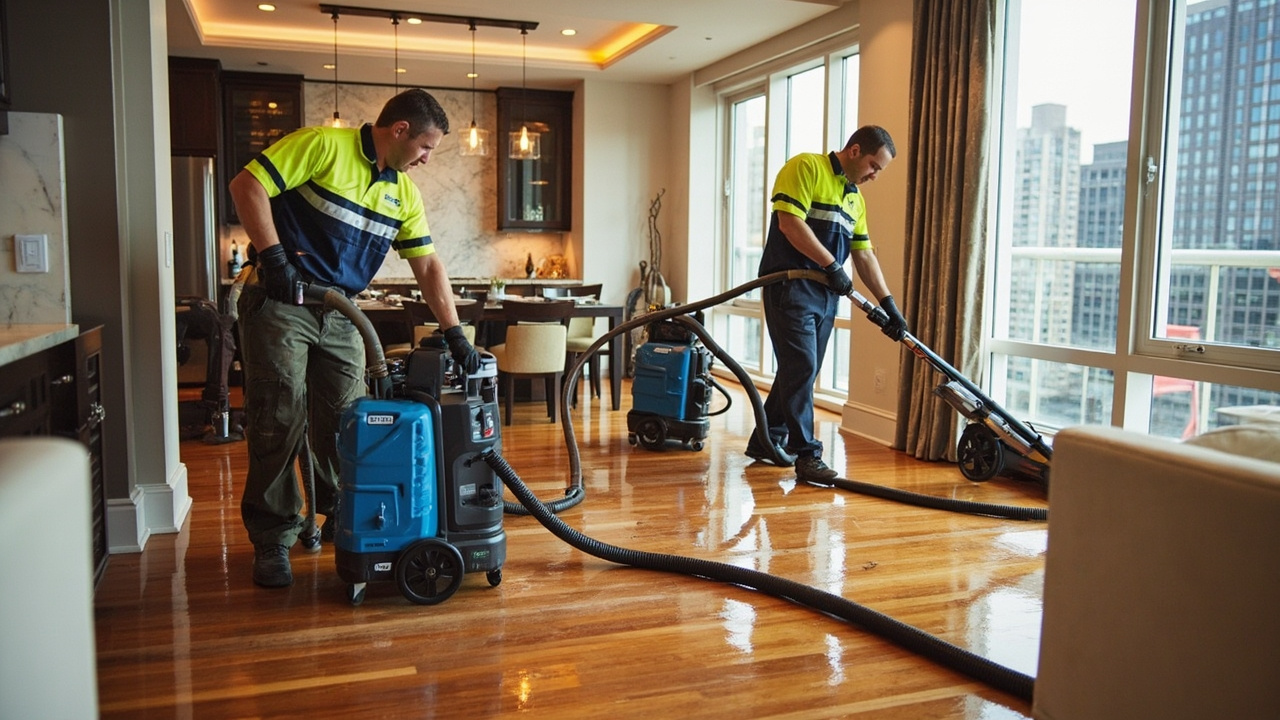
We deploy commercial dehumidifiers capable of removing hundreds of gallons per day from affected spaces. These are not residential units scaled up for commercial use. We use desiccant dehumidifiers for cold environments and refrigerant units for climate-controlled spaces. Our air movers create laminar airflow across wet surfaces without generating dust or disturbing sensitive equipment. For concrete floors, we use specialty drying mats that extract moisture through negative pressure. You will see measurable progress within 48 hours. Most industrial facilities return to operational status within five to seven days, depending on saturation severity. We provide documentation showing final moisture readings meet or exceed industry standards for your material types.

Post-Restoration Documentation and Compliance

When we complete drying operations, you receive comprehensive documentation suitable for insurance claims, regulatory compliance, and internal risk management. This includes moisture logs, equipment deployment records, photographic evidence, and psychrometric data. For facilities requiring third-party verification, we coordinate microbial testing or air quality sampling through accredited laboratories. If your water damage revealed building envelope failures or mechanical system deficiencies, our report identifies these issues with recommendations for permanent repairs. We maintain project files for seven years, ensuring you have access to historical records if future incidents occur. Our documentation meets IICRC standards and satisfies commercial insurance carrier requirements.

Frequently Asked Questions

You Have Questions,
We Have Answers

Why Chicago's Freeze-Thaw Cycles Make Industrial Drying Services Critical for Year-Round Operations

Chicago experiences more than 100 days annually where temperatures swing above and below freezing. This cycle causes concrete expansion and contraction in loading docks, warehouse floors, and facility foundations. Micro-cracks develop in slab surfaces, creating pathways for water intrusion when snow melt overwhelms perimeter drainage or when summer storms drop three inches of rain in an hour. Facilities near the Chicago River or in low-lying areas south of the Eisenhower Expressway face additional flooding risk from stormwater backup. Industrial dehumidification services become necessary when groundwater seeps through compromised foundations or when roof drains freeze and cause interior flooding during winter thaws.

Chicago commercial facilities operate under strict building codes administered by the Department of Buildings. These regulations require proper documentation of water damage restoration to maintain occupancy permits and liability coverage. Cornerstone Water Damage Restoration Chicago maintains familiarity with local inspection requirements and coordinates with city officials when restoration work requires permits or compliance verification. Our technicians understand the documentation standards Chicago insurance carriers expect for commercial claims, reducing disputes and accelerating claim settlements. We work throughout the industrial corridors from Bridgeport to the Northwest Side, giving us insight into the specific challenges facing Chicago facilities built across different eras with varying construction methods.
Water Damage Restoration Services in The Chicago Area

Cornerstone proudly serves the entire Chicago area with fast, dependable water damage restoration services. Whether you’re located in downtown, the suburbs, or surrounding neighborhoods, we’re ready to respond to your call—day or night. Use the map below to see our local service coverage and find our nearest team. With mobile units throughout the city, help is never far away. If you’re facing water damage, reach out now and let us show you why homeowners and businesses choose Cornerstone.

Address:
Cornerstone Water Damage Restoration Chicago, 171 N Aberdeen St, Chicago, IL, 60607

Additional Services We Offer

Our news updates

Latest Articles & News from The Blogs

High Humidity and Mold Growth in Chicago Summers What Homeowners Need to Know Your basement smells musty. Your bathroom mirror…

Why high humidity in the Chicago summer makes water damage worse in Calumet Heights

High Humidity and Mold Growth in Chicago Summers What Homeowners Need to Know Your basement smells musty. Your bathroom mirror…

Managing water damage restoration in the high-end luxury builds of the Near North Side

Luxury Home Water Damage Restoration in Chicago's Near North Side A burst pipe at 2 AM in your Gold Coast…

How we use thermal imaging to find hidden leaks in West Ridge homes

Expert Infrared Leak Detection in Chicago Homes and Businesses A hidden pipe leak can destroy your property long before you…

Contact Us

Water damage costs you money every hour your facility remains offline. Call (872) 266-1616 now for emergency industrial drying services. Our technicians deploy within two hours with commercial-grade equipment designed to restore your Chicago facility fast.