
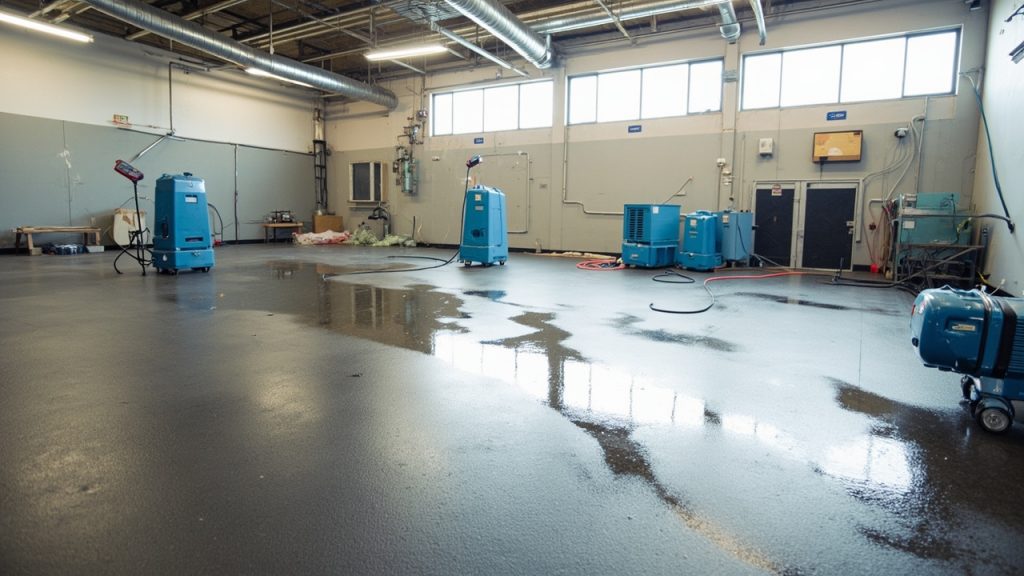
How to Save Your Gym Floor After Flooding in Fulton Market Chicago
Water inside your gym destroys revenue, cancels memberships, and damages structural components that spread by the hour. You can save your rubber or hardwood floor if you act in the first 24 to 48 hours. We have restored dozens of commercial fitness facilities across Chicago’s Fulton Market district and West Loop corridor. The difference between a full replacement and a functional floor often comes down to speed and the right drying strategy.. Read more about Restoring water damaged documents and archives in Hyde Park faculty offices.
This guide walks you through what happens when water floods a gym floor, how we assess the damage, and exactly what the restoration process looks like for commercial facilities in Chicago.. Read more about Choosing the right water damage restoration company for your West Loop business.
The First Hours Matter More Than You Think
The moment water touches your gym floor, three things begin happening simultaneously. First, moisture penetrates the top layer of your flooring material. Second, water seeps beneath the surface into the subfloor, the base layer that holds everything together. Third, humidity levels in the room spike, creating an environment where mold spores begin germinating.
Within 12 hours of a flood, mold can begin growing underneath rubber or hardwood flooring where you cannot see it. This invisible growth creates liability issues for gym owners. Members can develop respiratory problems from airborne mold spores. You face potential lawsuits and membership cancellations.
Your immediate actions determine whether we spend two weeks drying the floor or three months replacing it entirely.
Shut Off Water Sources, Then Secure the Space
Locate your main water shut-off valve and turn it off immediately. Do not wait for a plumber. If the water comes from a burst pipe, shutting off the main stops additional water from pouring into the floor every minute. If the water source is external, such as heavy rain, sewer backup, or flooding from outdoors, you need to stop the water from entering the building. Block doors, place sandbags, or use temporary barriers.
Close the gym to members immediately. Wet floors create slip hazards. More importantly, members walking across a wet floor push water deeper into the subfloor, spreading the damage. A closed facility for two weeks beats complete structural damage where water travels across multiple tenant spaces.
Document everything with photos and video. Your insurance company will need detailed evidence of the damage. Film the standing water, the flooring damage, and any visible water lines on the walls. Record the date and time of each photo.
Understanding Your Gym Floor Materials
Different flooring materials respond differently to water. Rubber floors trap moisture underneath. Hardwood floors cup and warp. Synthetic turf holds water like a sponge. Your restoration strategy depends on what you have.
Rubber Interlocking Tiles and Rolled Rubber
Rubber flooring dominates Fulton Market fitness studios because it absorbs impact and costs less than hardwood. The problem is moisture gets trapped under the tiles or rolled material, sitting directly on top of the subfloor. The rubber layer acts like a moisture barrier that prevents water from evaporating upward.
When water floods a rubber floor, we must lift the rubber sections to access the subfloor beneath. You cannot dry the floor with the rubber sitting on top. This is where most DIY attempts fail. Gym owners try using dehumidifiers and fans without removing the flooring. Two weeks later, mold has colonized the wood or concrete subfloor underneath.
Our process extracts water from the subfloor using industrial moisture meters, then strategically removes rubber sections to expose the base layer. We use high-capacity dehumidifiers and floor drying mats to pull moisture from deep within the subfloor structure.. Read more about How to dry out a flooded industrial warehouse in the Back of the Yards.
Hardwood Maple and Engineered Hardwood
Hardwood maple flooring, common in CrossFit boxes and traditional gyms, swells when it absorbs water. The wood expands and forms a curve or dome. This is called cupping when the edges rise higher than the center, or crowning when the center peaks upward. Once hardwood cups significantly, sanding and refinishing cannot fully correct it.
The wood must return to its original moisture content for the flooring to flatten again. Target moisture content for maple hardwood is between 6% and 9%. Flooded hardwood typically reads 15% to 25% immediately after water exposure. We must remove that excess moisture without rushing the process.
Rapid drying can cause the surface to dry faster than the interior, locking in internal stress that permanently warps the wood. We use controlled dehumidification and specialized drying mats that pull moisture from the wood evenly.
Why Chicago’s Climate Accelerates Floor Damage
Chicago’s weather patterns create specific challenges for gym floor restoration. Our winters bring freeze-thaw cycles that stress building foundations and pipes. A pipe bursts during a Polar Vortex event, and water floods your Fulton Market gym at 2 a.m. on a Saturday when you cannot reach contractors.
Spring rains overwhelm storm drains and sump pumps, especially in older facilities in the West Loop near the Randolph and Halsted corridors. Humidity during summer months reaches 75% to 85%, accelerating mold growth in any damp area. Lake Effect snow in winter melts rapidly, flooding basements and ground-level gyms.
Our facility sits at roughly 595 feet above sea level. Chicago Blue Clay beneath the surface has high water content and poor drainage characteristics. This clay holds water and creates hydrostatic pressure against building foundations. Gyms in ground-level spaces deal with this pressure constantly.
We account for these Chicago-specific factors when planning the restoration timeline. We schedule dehumidification during lower-humidity periods when possible. We monitor weather forecasts to avoid opening floors too early during wet weather patterns.
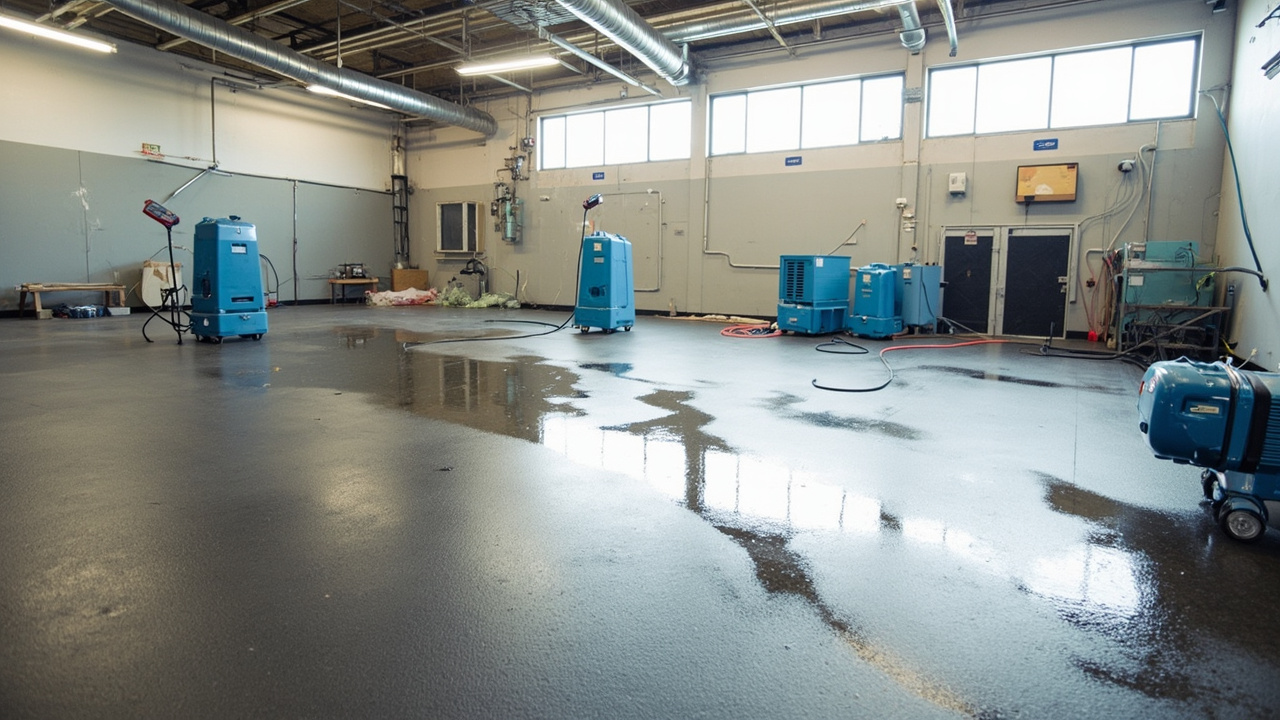
Our Technical Restoration Process for Commercial Gyms
Restoration follows a sequence. We cannot skip steps or compress the timeline without risking secondary damage like mold.
Thermal Imaging Inspection
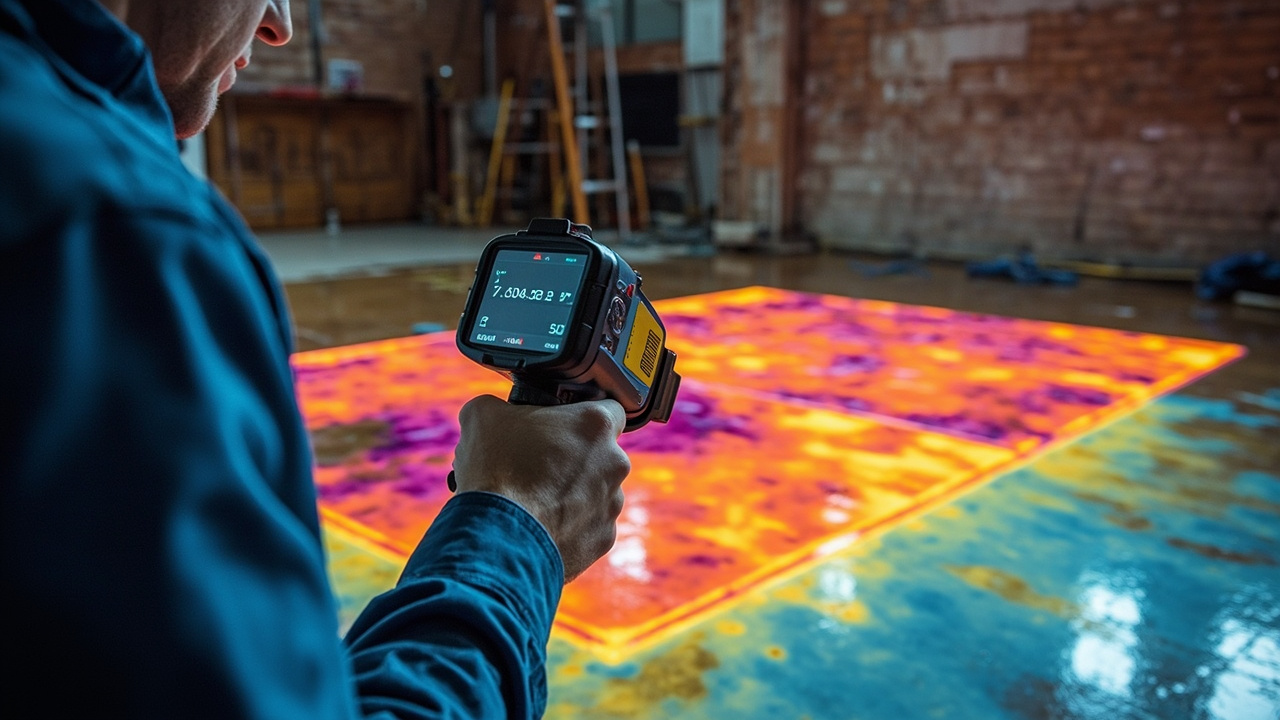
We begin with thermal imaging cameras that show hidden moisture. These cameras detect temperature variations caused by water in the subfloor. The imaging shows us exactly where moisture has spread, even in areas with no visible water damage. We photograph and map these zones to track progress as drying occurs.
Water Extraction and Initial Moisture Mapping
Our crew removes standing water using submersible pumps and extraction equipment. We then take moisture meter readings across the entire floor at multiple depths. For hardwood floors, we measure the surface and the interior by drilling small test holes. For rubber floors, we lift sections and test the subfloor directly.
These readings tell us the baseline. We repeat the measurements every 24 hours to track progress. Most gyms reach acceptable drying within 5 to 7 days for minor water exposure, or 10 to 14 days for significant flooding.
Strategic Rubber Removal and Subfloor Access
For rubber-floored gyms, we carefully remove tiles or sections to expose the subfloor. We photograph the subfloor condition and document any visible mold or damage. We do not remove the entire floor unless moisture testing shows the subfloor is saturated throughout.
Removing rubber flooring temporarily disrupts your gym for two to three weeks. The cost of removal and reinstallation runs significantly less than replacing the entire floor system, which takes six to eight weeks and costs several times more.
High-Capacity Dehumidification and Drying Mats
We position commercial-grade dehumidifiers throughout the gym. LGR, or Low Grain Refrigerant, dehumidifiers remove moisture from the air and the structure simultaneously. These units remove 150 to 200 pounds of water per day, compared to 20 to 30 pounds for standard household units.
We position floor drying mats directly on the subfloor. These mats have channels that push air across the wet surface, accelerating evaporation. For hardwood floors, mats sit beneath the intact flooring to dry the wood from below without exposing the surface.
Air movers push dehumidified air across the floor and walls, promoting evaporation. We monitor humidity levels continuously using data loggers. Once humidity drops to 60% or lower, we begin monitoring for secondary mold growth.
Mold Remediation and IICRC Standards
If we detect mold, we follow IICRC S500 Standards for water damage and mold assessment. We isolate the affected area with negative air pressure equipment to prevent spores from spreading. We remove contaminated materials and treat the subfloor with EPA-approved antimicrobial products.
Mold remediation requires proper containment and disposal. We document the remediation process for your insurance company and for future facility records.
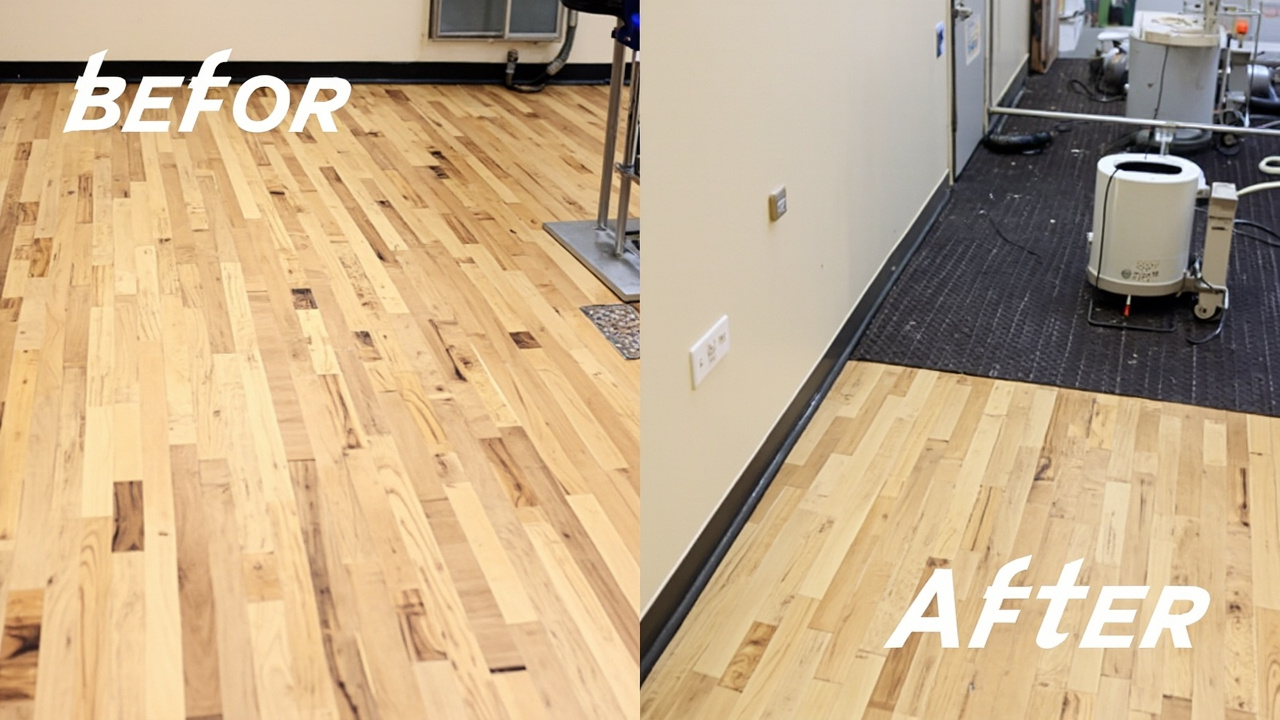
Timeline and Cost Factors for Fulton Market Gyms
Restoration timelines and costs depend on the extent of damage and the flooring type. We provide detailed estimates after the initial inspection.
| Scenario | Water Exposure | Typical Timeline | Cost Factor |
|---|---|---|---|
| Minor surface water on rubber floor | Less than 2 inches for under 24 hours | 3 to 5 days drying | Low. Extraction and dehumidification only |
| Moderate flooding under rubber tiles | 2 to 4 inches for 24 to 48 hours | 7 to 10 days drying with rubber removal | Moderate. Includes subfloor assessment and possible antimicrobial treatment |
| Severe subfloor saturation with mold detection | Over 4 inches or standing water over 48 hours | 14 to 21 days with remediation and structural drying | High. Full floor removal and replacement may be cost-effective versus extended drying |
| Hardwood floor cupping without subfloor damage | 2 to 3 inches for under 24 hours | 10 to 14 days controlled drying | Low to moderate. Sanding and refinishing possible after drying |
| Hardwood floor with swollen or warped subfloor | Over 3 inches or standing water over 48 hours | 21 or more days or partial replacement required | High. May require full floor replacement |
Comparing Drying Versus Replacement
Gym owners often ask whether drying makes sense financially compared to replacing the floor. The answer depends on the damage severity and the age of your current flooring.
| Factor | Professional Drying | Full Replacement |
|---|---|---|
| Timeline to reopen gym | 1 to 3 weeks typical | 5 to 8 weeks for installation and curing |
| Member retention impact | Members return to familiar facility | Extended closure risks membership churn of 20 to 30 percent |
| Upfront cost | Typically 15 to 30 percent of replacement cost | Full replacement cost for complete floor system |
| Success rate if damage is moderate | 95 percent of gyms restore floors successfully | 100 percent new flooring but delays revenue recovery |
| Insurance coverage | Covered as damage mitigation and restoration | Covered but requires longer claim process |
When Drying Works Best
Drying works when water exposure is less than 48 hours and moisture has not yet saturated the subfloor structure. Hardwood and rubber floors respond well to aggressive dehumidification within the first two days. Mold has not colonized the subfloor, and the cost of drying runs 30 to 50 percent less than replacement.
When Replacement Makes Sense
Replacement becomes necessary when water sits for more than 72 hours, the subfloor shows permanent warping or swelling, or mold has spread throughout the subfloor structure. Replacing the floor takes longer but guarantees a clean system without hidden damage. For gyms in high-traffic areas like Fulton Market where downtime costs membership revenue daily, a faster solution may outweigh the extended timeline.
Insurance Claims for Commercial Gym Damage
Commercial water damage claims differ from residential claims. Your business interruption insurance may cover lost revenue during closure. Your property insurance covers the floor damage itself. We handle the documentation that supports both claim types.
We provide detailed loss assessments, photographs, moisture readings, and repair estimates to your insurance adjuster. We explain the technical reasons why certain restoration methods are necessary. This documentation accelerates claim approval and reduces disputes over coverage.
Working with your insurance company during a water damage claim requires documentation and professional expertise that protects your recovery timeline and claim payout. We coordinate directly with adjusters so you can focus on reopening your facility.
Health and Safety Liability for Gym Owners
Mold under your gym floor creates liability. Members with asthma or compromised immune systems may develop respiratory infections after exposure to mold spores circulating in the gym air. Your facility could face lawsuits claiming the gym operated an unsafe environment.
Wet floors create slip and fall liability. An injury claim from a member who slipped on a wet floor can exceed the cost of the floor damage itself.
Documenting that you immediately shut the gym, hired professionals to assess and remediate damage, and operated with full transparency protects your liability position. Insurance companies reward facilities that respond quickly to water damage with lower premiums and faster claim approvals.
Why Response Time Matters in Fulton Market
Fulton Market contains dozens of fitness studios, CrossFit boxes, and boutique gyms in converted warehouses and historic buildings. These structures have unique challenges. Older buildings with concrete subfloors and no vapor barriers allow moisture to wick upward from below. Water can spread rapidly through the concrete into wooden floor systems.
The West Loop near Randolph and Halsted corridors shares similar architectural patterns with older construction and foundation vulnerabilities. We maintain 24/7 emergency response for Fulton Market and all surrounding areas in the West Loop corridor. Our technicians understand the specific architecture of these neighborhoods. We know which buildings have foundation drainage issues and which facilities sit at risk during heavy rains.
We arrive within one hour of your call during business hours and within two to three hours during nights and weekends. Early arrival means we assess damage, begin water extraction, and start dehumidification while the window for salvaging your floor remains open.
Non-Destructive Drying Methods
Modern drying techniques minimize disruption to your gym structure. We use non-invasive moisture testing that requires only small holes for meter probes. We avoid unnecessary demolition of walls or removal of larger floor sections when targeted dehumidification can address the problem.
Injectidry systems inject warm, dry air into wall cavities and subfloor spaces without opening walls. This method works well for gyms where minimal disruption matters. Equipment remains in the space, and members can sometimes return once floors dry, though the facility should remain closed during active dehumidification.
Structural drying uses the building envelope itself as a drying mechanism. We open windows and doors to remove humidity-laden air and allow fresh air to circulate. This method works best in Chicago during fall and winter when outdoor humidity is lower than indoor humidity.
Chicago Building Code Compliance
Gyms in Chicago must meet specific building code requirements for flooring installation and moisture barriers. Chicago Building Code requires proper sub-floor drainage and moisture barriers under athletic flooring. After restoration, your flooring must be reinstalled to code.
We ensure that any replacement materials and installation methods comply with Chicago Building Code. This matters for your certificate of occupancy and for insurance purposes. Non-compliant installations can lead to coverage denial if another loss occurs.
Illinois Flood Resilience and Professional Standards
Illinois has established specific guidelines for commercial building resilience and water damage prevention. The Illinois Department of Natural Resources Flood Management program provides resources for building owners to assess their flood risk and implement preventive measures. Understanding these standards helps you make informed decisions about your facility’s long-term protection.
Professional restoration contractors who follow state and federal flood resilience guidelines offer you the best protection against future loss. We align our processes with these standards to ensure your restored floor meets current regulations and performs optimally.
Preventing Future Floor Damage
After we restore your floor, waterproofing measures reduce the risk of future damage. Sump pump maintenance, perimeter drainage improvements, and humidity monitoring prevent water from affecting your gym again.
- Install or maintain a working sump pump with a backup battery system for power outages during storms.
- Test your sump pump quarterly and replace pump batteries annually.
- Maintain floor drains and ensure they flow freely to prevent standing water.
- Monitor indoor humidity levels continuously. Humidity above 60 percent indicates potential moisture problems developing.
- Inspect your roof, foundation cracks, and window seals annually for water entry points.
- Install a backup water shut-off system that triggers automatically if your main line breaks.
What Gym Owners Need to Know About Water Damage Restoration
How long does it take to restore a flooded rubber gym floor in Chicago? Drying typically takes 5 to 14 days depending on water depth and subfloor condition. We remove standing water immediately, assess moisture depth using meters, and position dehumidifiers and drying mats. The timeline depends on how quickly the subfloor releases moisture. Hardwood floors take longer to dry than rubber because water penetrates deeper into the wood structure.
Will mold grow under my gym floor if I wait to call for help? Yes. Mold can begin germinating within 12 hours in damp conditions. Under a rubber floor where moisture gets trapped, mold grows out of sight for weeks before you smell it. By then, remediation costs exceed drying costs. Call immediately when water enters your gym.
Can I dry my gym floor myself with a dehumidifier? Standard household dehumidifiers remove 20 to 30 pounds of water per day. A commercial gym flooded with water needs commercial dehumidifiers removing 150 or more pounds per day. You cannot dry a gym floor structure fast enough with consumer equipment. Professional-grade equipment, proper air movement, and subfloor access are necessary for success.
Does my insurance cover gym floor water damage? Commercial property insurance typically covers sudden water damage from burst pipes, heavy rain, or sewer backups. It does not cover damage from poor maintenance or gradual leaks. Business interruption insurance covers lost revenue while you repair the floor. Your policy details determine coverage limits. We provide documentation for your adjuster to confirm coverage.
How much does gym floor restoration cost? Costs vary widely based on water extent, flooring type, and subfloor condition. We provide detailed estimates after inspection and testing. Drying costs typically run 15 to 30 percent of replacement costs. Full replacement runs several times higher. Insurance often covers most or all of the restoration costs depending on your policy.
Your Next Step
If water has entered your Fulton Market gym, West Loop location, or anywhere in Chicago, call our emergency response team immediately. We respond 24/7 to water damage in commercial fitness facilities. Our first step is a comprehensive inspection and moisture assessment. We determine whether your floor can be saved and provide a detailed restoration timeline and cost estimate.
Do not close your gym for weeks if drying can have you back in business in days. Do not risk hidden mold spreading through your subfloor while you search for answers. Call Cornerstone Water Damage Restoration now. We arrive quickly, assess accurately, and restore your floor safely.
{
“@context”: “https://schema.org”,
“@type”: “BlogPosting”,
“headline”: “How to Save Your Gym Floor After Flooding in Fulton Market Chicago”,
“description”: “Restore your Fulton Market gym floor after flooding. Fast drying methods save rubber and hardwood floors in 5-14 days. Call 24/7 emergency response.”,
“wordCount”: 3028,
“datePublished”: “2026-05-06T07:28:00.000Z”,
“dateModified”: “2026-05-06T07:28:00.000Z”,
“inLanguage”: “en-US”,
“mainEntityOfPage”: {
“@type”: “WebPage”,
“@id”: “https://cornerstonewaterdamagerestorationchicago.com”
},
“publisher”: {
“@type”: “LocalBusiness”,
“name”: “Cornerstone Water Damage Restoration Chicago”,
“url”: “https://cornerstonewaterdamagerestorationchicago.com”
},
“author”: {
“@type”: “Organization”,
“name”: “Cornerstone Water Damage Restoration Chicago”,
“url”: “https://cornerstonewaterdamagerestorationchicago.com”
},
“image”: {
“@type”: “ImageObject”,
“url”: “https://cornerstonewaterdamagerestorationchicago.com/wp-content/uploads/2026/03/drying-out-rubber-gym-flooring-after-a-flood-in-yo-1.jpg”
}
}
{
“@context”: “https://schema.org”,
“@type”: “LocalBusiness”,
“name”: “Cornerstone Water Damage Restoration Chicago”,
“url”: “https://cornerstonewaterdamagerestorationchicago.com”,
“address”: {
“@type”: “PostalAddress”,
“addressLocality”: “Chicago”
},
“areaServed”: {
“@type”: “City”,
“name”: “Chicago”
}
}
{
“@context”: “https://schema.org”,
“@type”: “BreadcrumbList”,
“itemListElement”: [
{
“@type”: “ListItem”,
“position”: 1,
“name”: “Home”,
“item”: “https://cornerstonewaterdamagerestorationchicago.com”
},
{
“@type”: “ListItem”,
“position”: 2,
“name”: “Blog”,
“item”: “https://cornerstonewaterdamagerestorationchicago.com/blog”
},
{
“@type”: “ListItem”,
“position”: 3,
“name”: “How to Save Your Gym Floor After Flooding in Fulton Market Chicago”
}
]
}
{
“@context”: “https://schema.org”,
“@type”: “Service”,
“serviceType”: “Water Damage Restoration”,
“provider”: {
“@type”: “LocalBusiness”,
“name”: “Cornerstone Water Damage Restoration Chicago”,
“url”: “https://cornerstonewaterdamagerestorationchicago.com”
},
“areaServed”: {
“@type”: “City”,
“name”: “Chicago”
},
“description”: “Restore your Fulton Market gym floor after flooding. Fast drying methods save rubber and hardwood floors in 5-14 days. Call 24/7 emergency response.”
}