



menu

How to Handle Insurance Claims in Chicago – Get Expert Help Filing Your Water Damage Claim Fast

Navigate the water damage insurance claim process with confidence. Our Chicago team documents damage, communicates with adjusters, and helps you secure the coverage you need to restore your property.

Slider Image 1
Slider Image 2
Slider Image 3
Slider Image 4
Slider Image 5
Slider Image 7
Slider Image 8
Slider Image 9
Slider Image 10
Slider Image 11

Why Chicago Water Damage Claims Get Denied or Delayed

Filing a water damage claim in Chicago is not straightforward. Adjusters visit properties across the North Side, South Loop, and western suburbs every day. They know exactly what documentation they need and what language triggers red flags in the claims process.

Most denials happen because homeowners miss critical documentation windows. You discover water in your Lakeview basement on Tuesday. You call a restoration company on Wednesday. By Thursday, the adjuster visits and questions whether the damage was pre-existing or new. Without proper photo documentation, moisture readings, and a detailed timeline, your claim faces scrutiny.

Chicago's freeze-thaw cycles create another complication. Pipes burst during January cold snaps, but damage might not surface until March when ice melts inside wall cavities. Insurance companies challenge these claims routinely, arguing the damage is gradual rather than sudden. Navigating water restoration claims requires understanding how adjusters interpret Chicago's seasonal damage patterns.

The claims process also gets tangled when multiple water sources exist. A burst supply line is covered. A slow leak from an old pipe joint might not be. A backup from the city's combined sewer system during heavy rain requires specific sewer backup coverage. Managing water mitigation claims means identifying the exact cause and matching it to your policy language before the adjuster arrives.

You need someone who speaks both languages: water damage restoration and insurance claim protocols. Generic restoration companies extract water and dry structures. They do not build the paper trail that protects your claim from denial.

Why Chicago Water Damage Claims Get Denied or Delayed
How Proper Documentation Protects Your Water Damage Insurance Claim

How Proper Documentation Protects Your Water Damage Insurance Claim

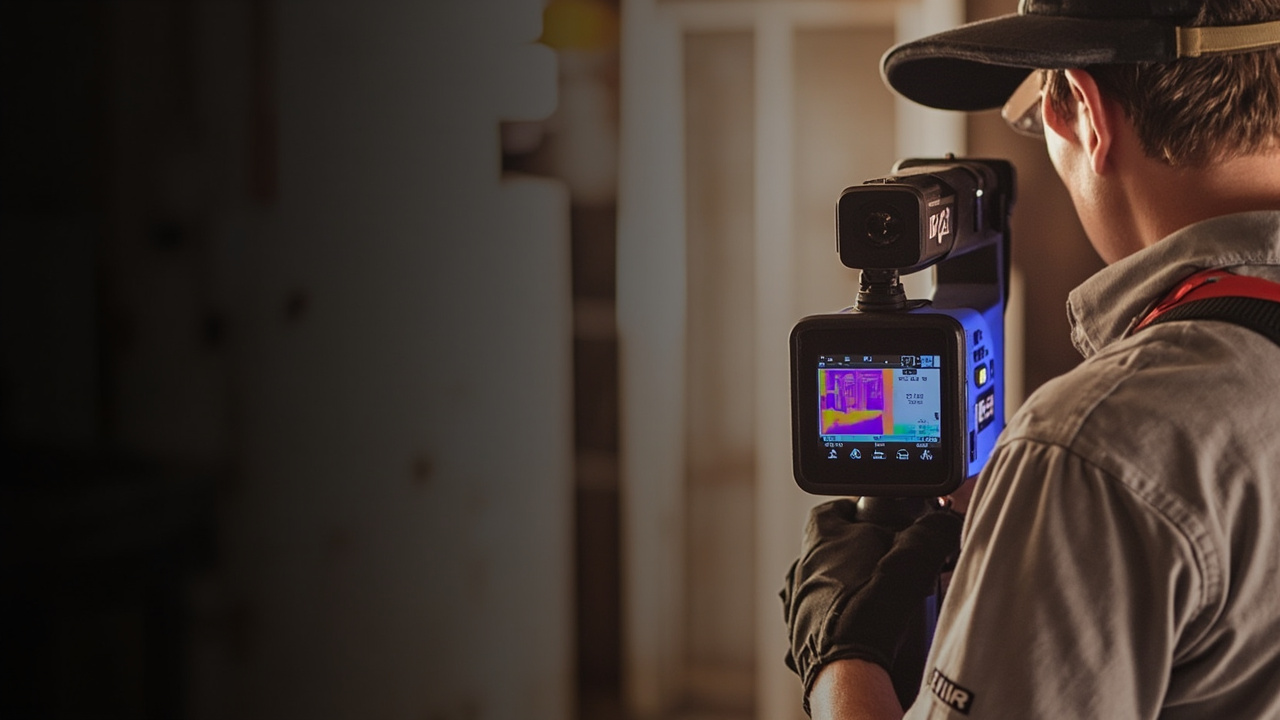
The water damage insurance claim process starts the moment you discover moisture. Before extraction begins, we photograph every affected surface from multiple angles. We document water levels, staining patterns, and the condition of building materials. We take thermal imaging scans to show moisture migration paths through drywall and insulation. This visual evidence establishes the scope before any restoration work begins.

We use calibrated moisture meters to record readings in floors, walls, and ceilings. These measurements create a baseline that proves the extent of saturation. We test again after extraction and daily during drying. This data log shows the adjuster exactly how much moisture existed and how the drying process progressed. It removes guesswork and establishes professional standards were followed.

We identify the water source and document it with photos and written notes. A washing machine supply hose failure looks different from a toilet overflow or a roof leak. Each source has different coverage implications. We note the time of discovery, the likely time of occurrence, and any factors that delayed detection. This timeline matters because policies require prompt notification.

Tips for water damage insurance claims always emphasize communication with your carrier, but most homeowners do not know what adjusters need to hear. We prepare a detailed scope of work that matches industry terminology and pricing structures adjusters recognize. We separate emergency mitigation from reconstruction. We note which materials can be dried in place and which require removal. This clarity speeds approval and prevents disputes over whether work was necessary.

Our documentation becomes your evidence package. When the adjuster questions a line item or disputes the scope, you have professional-grade proof.

Your Insurance Claim Support Timeline

How to Handle Insurance Claims in Chicago – Get Expert Help Filing Your Water Damage Claim Fast
01

Immediate Damage Documentation

We arrive and document conditions before moving any water or materials. Thermal imaging and moisture mapping create a digital record of saturation levels. We photograph the water source, affected materials, and any contents damage. This evidence package gets compiled within hours, ready for your adjuster's review. You receive copies of all documentation immediately so you can file your claim with complete information.
02

Adjuster Communication and Coordination

We communicate directly with your insurance adjuster when requested. We walk them through moisture readings, explain our drying protocol, and provide detailed estimates that match industry standards. We answer technical questions about psychrometrics, structural drying principles, and material restoration versus replacement thresholds. This professional dialogue prevents misunderstandings and reduces claim disputes. We follow up with written summaries of all conversations.
03

Final Documentation and Closeout

After restoration completes, we provide final moisture readings proving all materials returned to dry standard. We document the work performed with before and after photos. We compile an invoice that matches the approved scope with clear line items. This final package gives your adjuster everything needed to close your claim. If disputes arise over billing or scope, we provide additional documentation to support the work performed and industry standards followed.

Why Chicago Property Owners Choose Cornerstone Water Damage Restoration Chicago for Claims Support

We have worked with every major insurance carrier operating in Cook County. We know what State Farm adjusters expect to see versus what Allstate requires. We understand how different carriers interpret policy language around sudden versus gradual damage. This knowledge prevents surprises during the claims process.

Chicago's building stock creates unique documentation challenges. A 1920s brick two-flat in Logan Square has different moisture behavior than a 1980s frame house in Naperville. We know how water migrates through Chicago common brick, how it saturates plaster and lath systems, and how it affects hardwood floors laid over sleepers on concrete slabs. This structural knowledge helps us explain damage patterns to adjusters who might question why water traveled where it did.

We also understand Chicago's municipal water system and how it affects claims. The city's combined sewer system creates backup risks during heavy rain events. We know which neighborhoods have older clay tile laterals prone to root intrusion and failure. We can distinguish between a backup caused by a homeowner's lateral failure versus city main capacity issues. This matters because coverage differs based on the failure point.

Our estimates follow Xactimate pricing, the software most adjusters use. We do not inflate scope or pad line items. We write accurate estimates that reflect real-world restoration costs in the Chicago market. This professional approach builds credibility with adjusters and speeds approvals. When they see our documentation, they know the work is necessary and the pricing is fair.

We also help you understand what your policy covers before work begins. We review your declarations page and explain coverage limits, deductibles, and exclusions. This prevents situations where you authorize work expecting full coverage but later discover policy limitations.

What to Expect When We Help You File Your Water Damage Claim

Response Speed and Availability

We answer calls 24 hours a day because water damage does not wait for business hours. We typically arrive within 90 minutes in the Chicago metro area. Our technicians carry documentation equipment on every truck, including moisture meters, thermal cameras, and tablets loaded with photo documentation software. We start building your evidence package immediately. You do not wait days for an assessment. We provide preliminary scope information within hours so you can file your claim promptly and meet your policy's notification requirements without delay.

Initial Assessment and Claim Strategy

We inspect your property and identify all affected areas, including hidden moisture in wall cavities and subfloors. We review your insurance policy language to understand your coverage. We explain which damage falls under covered perils and which might face scrutiny. We develop a documentation strategy that addresses likely adjuster questions before they arise. This assessment includes a written moisture map, a preliminary scope of work, and recommendations for claim filing. You receive this information in writing so you can submit accurate details to your carrier.

Restoration Quality and Standards

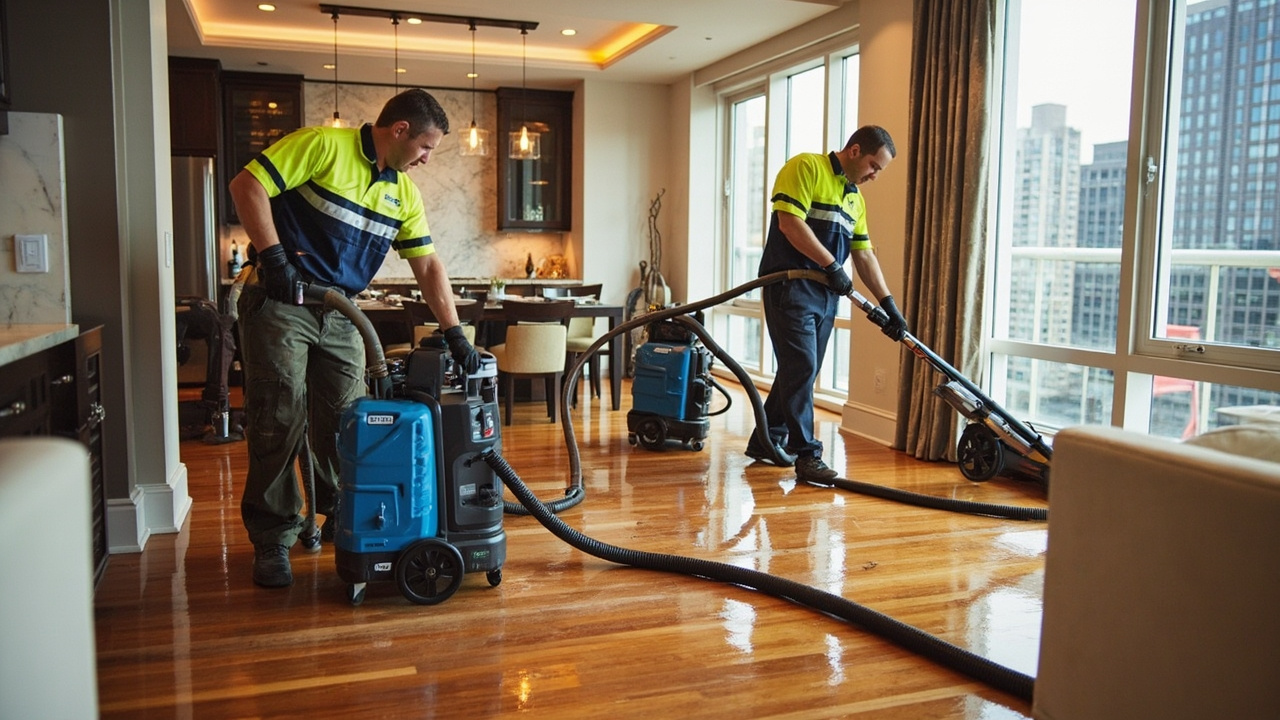
We follow IICRC S500 standards for water damage restoration. Our drying protocol uses commercial dehumidifiers, air movers, and daily moisture monitoring until all materials reach dry standard. We document this process with moisture logs that prove proper drying occurred. We remove materials only when necessary, which keeps costs reasonable and claims straightforward. Our goal is complete restoration to pre-loss condition while maintaining detailed records that satisfy adjuster requirements. You receive documentation showing every phase of work and the standards we followed throughout the process.

Claim Follow-Up and Dispute Resolution

If your adjuster disputes any part of our scope or pricing, we provide additional documentation to support the work. We can reference industry standards, manufacturer guidelines, or code requirements that justify our approach. We attend reinspections when requested and explain our methodology in detail. This follow-up support continues until your claim closes. We have successfully resolved disputes over drying timelines, material replacement thresholds, and pricing in hundreds of Chicago claims. You do not navigate disagreements alone. Our documentation and expertise back your claim every step of the way.

Frequently Asked Questions

You Have Questions,
We Have Answers

What is the insurance claims handling process? +

The insurance claims process starts when you report damage to your insurer. You receive a claim number and an adjuster contacts you within days. The adjuster inspects the damage, documents losses, and estimates repair costs. You submit supporting evidence like photos, repair estimates, and receipts. The insurer reviews your claim against your policy terms and determines coverage. Once approved, you receive payment minus your deductible. In Chicago, winter pipe bursts and basement flooding are common claims. Document everything immediately. Water damage spreads fast in older Chicago homes with aging plumbing and foundation issues.

What not to say during an insurance claim? +

Never say the damage is your fault or admit neglect. Avoid phrases like "I should have fixed that earlier" or "I knew the roof was bad." Do not speculate about causes you are unsure about. Never exaggerate damage or inventory losses. Do not accept the first settlement offer without review. Avoid discussing previous claims or unrelated property issues. In Chicago, where freeze-thaw cycles cause hidden damage, stick to facts you can prove. Let the adjuster determine cause. Your job is to report what happened and document the damage accurately.

What are the 3 D's of insurance claims? +

The 3 D's of insurance claims are Detect, Document, and Decide. Detect means identifying damage early before it worsens. Document requires taking detailed photos, videos, and written records of all losses. Decide involves choosing whether to file a claim based on damage costs versus your deductible and potential rate increases. In Chicago homes, detecting water intrusion early prevents mold growth in humid summers. Document everything before cleanup starts. Decide quickly because water damage escalates in hours. These three steps protect your claim and ensure you receive fair compensation for covered losses.

What is the 80% rule in insurance? +

The 80% rule means you must insure your property for at least 80% of its replacement cost to avoid penalties. If you underinsure, the carrier pays only a proportional amount of the loss. For example, if your Chicago home needs $200,000 to rebuild but you carry only $120,000 coverage, you are underinsured. The insurer reduces your payout accordingly. Chicago property values fluctuate. Review your coverage annually. Rising construction costs and labor shortages mean yesterday's coverage amount may not be enough today. Underinsurance leaves you paying out of pocket for major losses.

What are the 5 P's of insurance? +

The 5 P's of insurance are People, Property, Protection, Price, and Policy. People refers to who is covered under your policy. Property defines what assets are insured. Protection describes the types of risks covered, like water damage or fire. Price is your premium cost and deductible. Policy is the contract detailing terms, exclusions, and limits. In Chicago, where basement flooding is common, understanding what your policy protects is critical. Many homeowners discover too late that standard policies exclude certain water damage. Know your 5 P's before disaster strikes.

What are the 4 phases of the claim process? +

The four phases are Notification, Investigation, Evaluation, and Resolution. Notification happens when you report the loss to your insurer. Investigation involves the adjuster inspecting damage and gathering evidence. Evaluation is when the carrier reviews your claim against policy terms and determines coverage amounts. Resolution is the final payment or denial. In Chicago, winter storm damage claims spike in January and February. Adjusters get backlogged. Expect Investigation and Evaluation phases to take longer during peak seasons. Stay proactive. Follow up weekly. Document all communication. Delays cost you money when repairs are urgent.

What insurance adjusters won't tell you? +

Adjusters will not tell you that initial offers are negotiable. They will not mention that you can hire a public adjuster to represent you. They will not explain that your policy may cover additional living expenses during repairs. They will not disclose that documented pre-existing conditions can work in your favor if you prove new damage. In Chicago, where older homes have layered damage from multiple winters, adjusters may lowball structural claims. You have the right to get independent repair estimates. Your contractor sees what adjusters miss.

What are the three most common mistakes on a claim that will cause denials? +

The three most common mistakes are delayed reporting, incomplete documentation, and accepting settlements too quickly. Delayed reporting gives insurers grounds to deny claims or argue damage worsened due to neglect. Incomplete documentation means you cannot prove the full extent of losses. Accepting quick settlements leaves money on the table. In Chicago, where water damage from frozen pipes can hide behind walls, inadequate documentation costs homeowners thousands. Take detailed photos before cleanup. Get multiple contractor estimates. Never sign releases until repairs are complete and all damage is accounted for.

Why should you never admit fault? +

Admitting fault can void your coverage or reduce your payout. Insurance policies require you to report facts, not assign blame. Admitting fault may also create legal liability if third parties are involved. Let the adjuster and investigators determine cause. In Chicago, where ice dams and frozen pipes cause ambiguous damage scenarios, insurers look for any reason to deny claims. Your admission gives them ammunition. Stick to what you observed. Say "the pipe burst" not "I forgot to winterize." Facts protect you. Fault statements hurt you.

What is the most common claim denial? +

The most common claim denial is damage from lack of maintenance or gradual deterioration. Insurers cover sudden, accidental losses, not neglect. In Chicago, where foundation settling and roof wear occur gradually, carriers deny claims when they find pre-existing conditions. Other common denials include policy exclusions like flood or sewer backup without riders, and late reporting. Read your policy exclusions. Maintain your property with documented repairs. Report damage immediately. If you receive a denial, request a detailed explanation in writing. Many denials can be appealed with proper evidence.

How Chicago's Combined Sewer System Affects Water Damage Insurance Claims

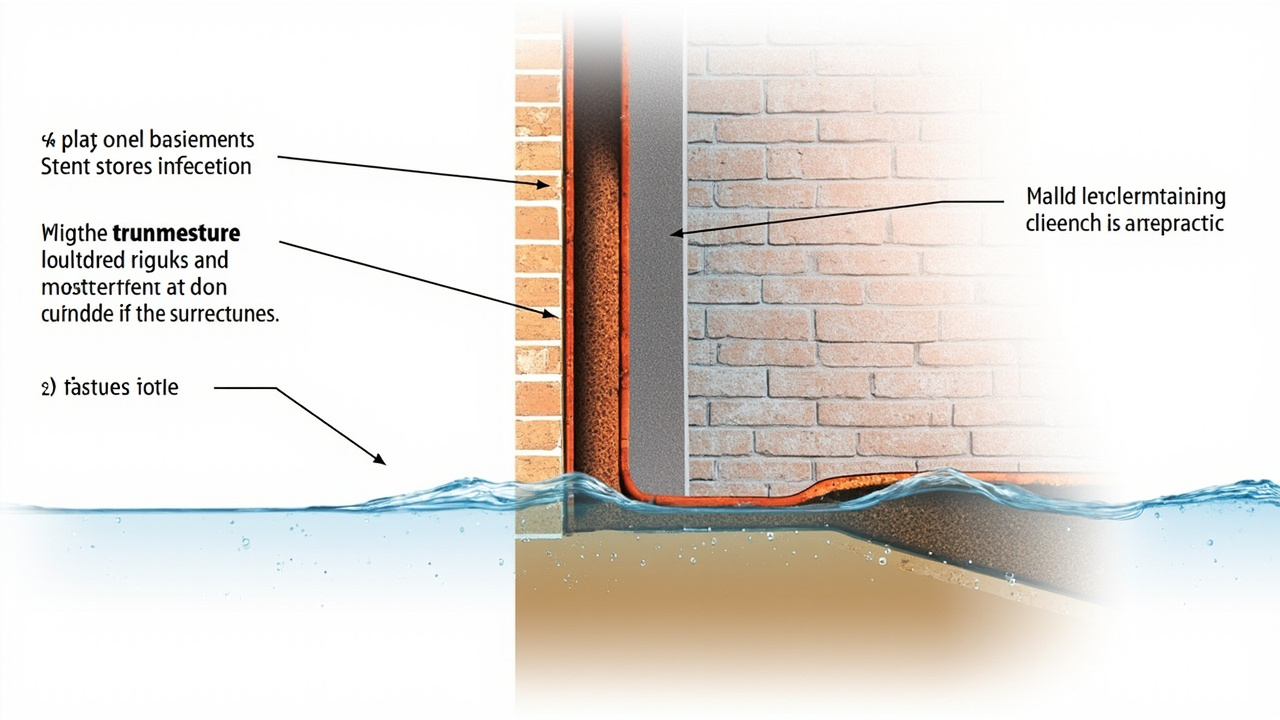
Chicago operates one of the largest combined sewer systems in the country. During heavy rain, the system can exceed capacity and force sewage back into homes through floor drains and toilets. This creates a specific problem for the water damage insurance claim process because standard homeowners policies exclude sewer backup unless you purchased optional coverage. Many Chicago residents discover this gap only after experiencing a backup in their basement during a summer storm. We help you determine whether your damage resulted from a sewer backup, a sump pump failure, or groundwater seepage. Each source triggers different policy provisions. This distinction protects you from denied claims based on misidentified water sources.

Chicago also requires specific permits for foundation waterproofing and overhead sewer installation. When restoration involves permanent fixes to prevent future damage, we know which improvements require permits and how to document them for your claim. Insurance companies sometimes question whether repairs meet code or whether contractors followed proper procedures. Our familiarity with Chicago Department of Buildings requirements and Cook County permit processes gives your claim additional credibility. Adjusters recognize that we operate within local regulatory frameworks, which reduces questions about work quality and compliance. This local expertise matters when thousands of dollars hang on proper documentation and procedural accuracy.
Water Damage Restoration Services in The Chicago Area

Cornerstone proudly serves the entire Chicago area with fast, dependable water damage restoration services. Whether you’re located in downtown, the suburbs, or surrounding neighborhoods, we’re ready to respond to your call—day or night. Use the map below to see our local service coverage and find our nearest team. With mobile units throughout the city, help is never far away. If you’re facing water damage, reach out now and let us show you why homeowners and businesses choose Cornerstone.

Address:
Cornerstone Water Damage Restoration Chicago, 171 N Aberdeen St, Chicago, IL, 60607

Additional Services We Offer

Our news updates

Latest Articles & News from The Blogs

High Humidity and Mold Growth in Chicago Summers What Homeowners Need to Know Your basement smells musty. Your bathroom mirror…

Why high humidity in the Chicago summer makes water damage worse in Calumet Heights

High Humidity and Mold Growth in Chicago Summers What Homeowners Need to Know Your basement smells musty. Your bathroom mirror…

Managing water damage restoration in the high-end luxury builds of the Near North Side

Luxury Home Water Damage Restoration in Chicago's Near North Side A burst pipe at 2 AM in your Gold Coast…

How we use thermal imaging to find hidden leaks in West Ridge homes

Expert Infrared Leak Detection in Chicago Homes and Businesses A hidden pipe leak can destroy your property long before you…

Contact Us

Do not let poor documentation put your insurance claim at risk. Call Cornerstone Water Damage Restoration Chicago now at (872) 266-1616. We respond 24 hours a day and start building your evidence package immediately. Protect your claim with proper documentation from the start.