



menu

How Long Does Drying Take in Chicago? | Expert Timeline Guidance for Complete Water Damage Recovery

Get accurate water damage drying time estimates from certified technicians who understand Chicago's climate challenges and use professional moisture monitoring to prevent mold growth and structural damage.

Slider Image 1
Slider Image 2
Slider Image 3
Slider Image 4
Slider Image 5
Slider Image 7
Slider Image 8
Slider Image 9
Slider Image 10
Slider Image 11

Why Water Damage Drying Time Varies in Chicago Properties

You need to know when your property will be dry and safe again. The answer depends on factors unique to Chicago's environment and your specific situation.

Chicago's humidity levels fluctuate dramatically between seasons. Summer months bring average humidity above 70%, which extends structural drying duration significantly. Winter heating systems create dry indoor air, but frozen pipe bursts introduce large water volumes that saturate building materials deeply. Spring flooding from Lake Michigan weather systems and heavy rainfall overwhelms drainage systems, pushing water into basements and crawl spaces.

The type of water damage matters. Clean water from a supply line leak dries faster than contaminated water from sewage backups or flooding. Category 3 water requires antimicrobial treatment before drying begins, adding time to the water restoration drying timeline.

Building materials absorb water at different rates. Drywall wicks moisture quickly and holds it for days. Hardwood flooring cups and warps if not dried within 48 hours. Concrete foundation walls in Chicago's clay soil areas stay wet for weeks without professional extraction and dehumidification.

The time to dry out water damage ranges from three days for minor surface water to three weeks for severe flooding with structural saturation. You cannot rush this process without risking hidden moisture pockets that breed mold within 72 hours.

Temperature affects evaporation rates. Professional restoration maintains controlled conditions between 70-90 degrees Fahrenheit with humidity below 50% to optimize drying. Chicago's temperature swings require constant monitoring and adjustment.

Why Water Damage Drying Time Varies in Chicago Properties
Our Scientific Approach to Structural Drying Duration

Our Scientific Approach to Structural Drying Duration

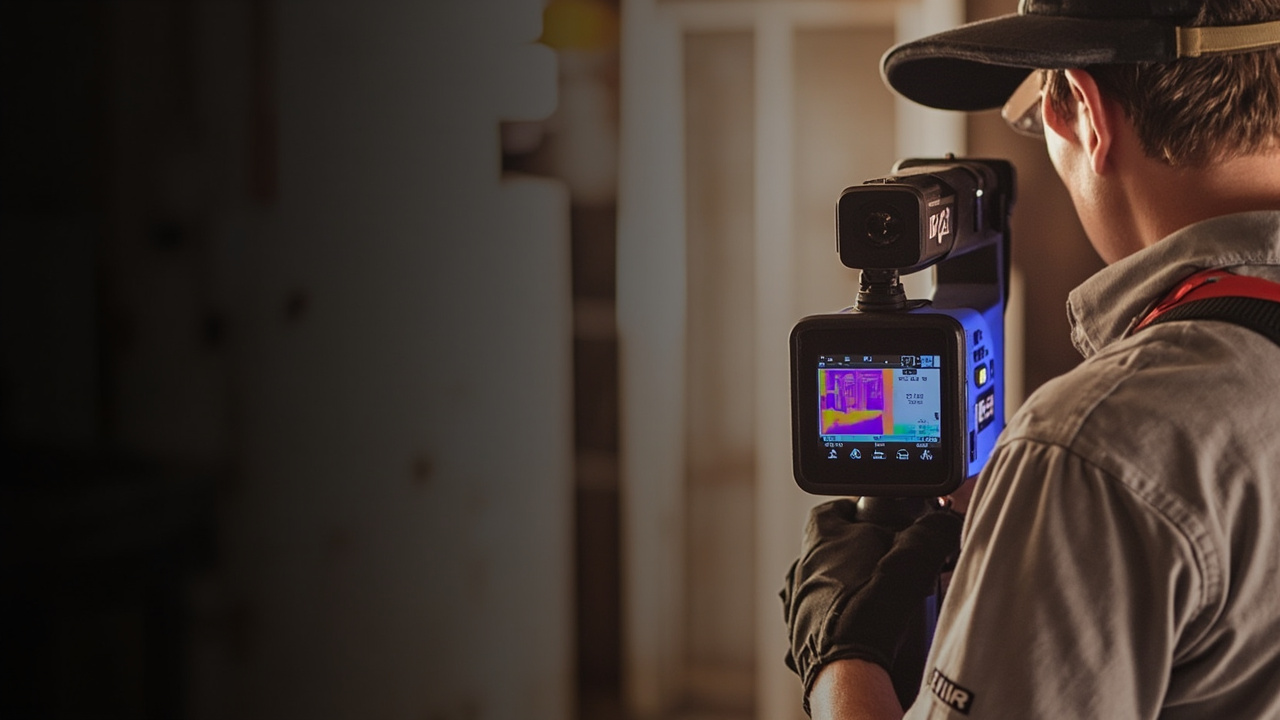
Cornerstone Water Damage Restoration Chicago uses psychrometric calculations and thermal imaging to determine accurate drying timelines before work begins.

We measure moisture content in all affected materials using penetrating pin meters and non-invasive scanning meters. These readings establish baseline saturation levels. We map moisture migration patterns through walls, floors, and ceilings to identify hidden water pockets that extend the drying process length.

Our commercial-grade dehumidifiers remove specific grain weights of moisture per day based on cubic footage and saturation levels. We calculate air changes per hour needed to maintain proper vapor pressure differentials. This is not guesswork. We apply IICRC S500 Standard protocols that define drying goals by material type.

Air movers create turbulent airflow across wet surfaces at calculated velocities. We position equipment to maximize evaporation without causing secondary damage. Too much airflow on hardwood floors causes splitting. Insufficient airflow on drywall allows mold colonization.

We monitor moisture readings twice daily and document progress. When materials reach industry-standard dry goals, typically 15% moisture content or less for wood and 1% for concrete, we verify with multiple readings across the affected area. We do not remove equipment based on time elapsed. We remove equipment when your property reaches documented dry standards.

Our process includes containment barriers that prevent moisture from migrating to unaffected areas. We create negative air pressure in water-damaged zones to protect the rest of your property. This controlled environment accelerates the water restoration drying timeline by focusing all drying power on saturated materials.

What Happens During Your Property's Drying Timeline

How Long Does Drying Take in Chicago? | Expert Timeline Guidance for Complete Water Damage Recovery
01

Initial Assessment and Extraction

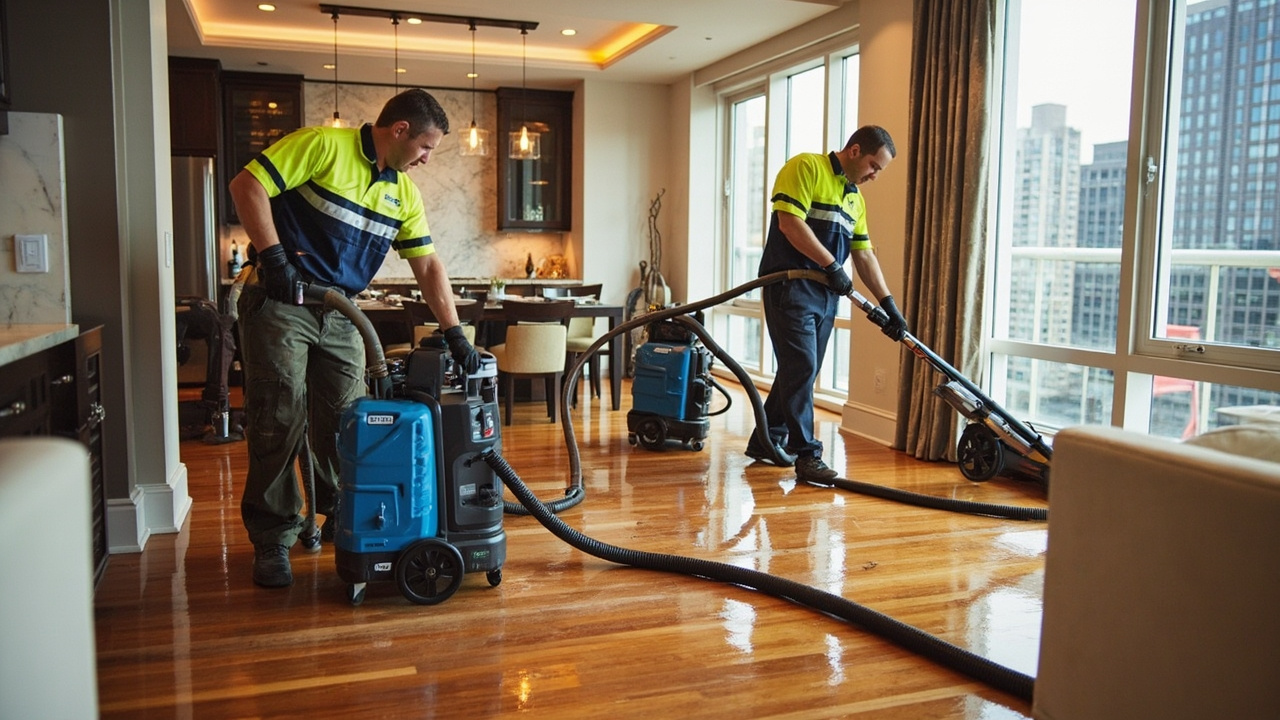
We arrive within 60 minutes to assess damage severity and extract standing water. Our technicians use thermal cameras to identify moisture in walls and subfloors. We take initial moisture readings that establish your baseline saturation levels and provide the first water damage drying time estimate. Truck-mounted extractors remove thousands of gallons quickly. This immediate response reduces overall structural drying duration by removing bulk water before it penetrates deeper into materials.
02

Equipment Placement and Monitoring

We position commercial dehumidifiers and air movers based on psychrometric readings and airflow requirements. Equipment runs continuously with daily moisture monitoring. Our technicians adjust placement and settings as materials dry. We document moisture content changes in floors, walls, and contents. You receive daily updates showing measurable progress. This phase typically runs three to ten days depending on saturation depth and material types affected. We maintain optimal drying conditions throughout this critical period.
03

Verification and Equipment Removal

We verify all materials reach dry standards through comprehensive final moisture mapping. Multiple readings across affected areas confirm complete drying. We document final moisture content for your insurance claim and our quality records. Equipment stays in place until scientific measurements prove drying completion, not arbitrary time limits. You receive certification that your property meets IICRC drying standards. This verification prevents future mold growth and structural problems from hidden moisture.

Why Chicago Property Owners Trust Our Drying Timeline Estimates

Chicago's unique construction styles and environmental factors demand specialized drying knowledge that generic restoration companies lack.

We understand how Chicago's vintage brick buildings with plaster walls require different drying approaches than modern drywall construction. Historic properties in neighborhoods like Lincoln Park and Old Town need slower, controlled drying to prevent plaster cracking. We adjust equipment and timelines accordingly.

Our technicians know Chicago's clay soil causes foundation movement that creates hidden water entry points. We inspect for these Chicago-specific issues during assessment. Missing these factors extends your drying process length unnecessarily and leads to recurring water problems.

We work within Chicago building code requirements for water damage remediation. Our documentation meets standards required by Chicago inspectors for occupancy permits after significant water events. This local code knowledge prevents delays and ensures your property passes inspection.

Insurance companies trust our moisture documentation because we follow IICRC certified protocols. Our detailed moisture mapping and daily logs provide the evidence adjusters need to approve claims quickly. You avoid payment disputes over drying duration because our scientific approach proves work necessity.

We operate 24/7 for water emergencies throughout Cook County. Our equipment inventory handles multiple large-loss projects simultaneously without delays. When storms cause widespread flooding, we have the capacity to respond to your property immediately while other companies maintain waitlists.

Our response time matters in Chicago's temperature extremes. Summer heat and humidity create mold growth within 48 hours. Winter cold causes secondary freeze damage if wet materials are not dried before temperatures drop. We mobilize immediately to prevent these time-sensitive complications.

What to Expect During the Water Damage Drying Process

Drying Timeline and Process Length

Minor water damage affecting single rooms with surface water typically requires three to five days of drying. Moderate damage involving multiple rooms or Category 2 water extends to seven to ten days. Severe flooding with deep structural saturation and contaminated water takes two to three weeks. These timelines assume optimal conditions and immediate response. Delays in starting professional drying add days to the water restoration drying timeline. We provide your specific estimate after initial moisture assessment. Our timeline includes contingencies for Chicago's humidity fluctuations and seasonal temperature variations that affect evaporation rates.

Initial Moisture Assessment Process

Our assessment takes 45 to 90 minutes depending on property size and damage extent. We use thermal imaging to scan walls, ceilings, and floors for hidden moisture. Moisture meters provide exact saturation percentages in all affected materials. We test multiple locations to map water migration patterns. You receive a written assessment detailing moisture levels, affected materials, equipment requirements, and estimated structural drying duration. This documentation serves as your baseline for insurance claims. We identify potential complications like asbestos-containing materials in older Chicago buildings or lead paint that requires special handling during restoration.

Final Drying Results and Standards

Your property reaches industry-standard dryness when moisture content matches unaffected areas or meets material-specific thresholds. Wood materials dry to 15% moisture content or less. Concrete and masonry reach below 1% moisture. Drywall returns to 12-15% depending on Chicago's ambient conditions. We provide final moisture mapping documentation showing measurements across all affected areas. This certification proves complete drying to insurance adjusters and prevents future disputes. Materials dried to proper standards resist mold growth and structural degradation. You can proceed with repairs and reconstruction knowing hidden moisture will not cause problems.

Post-Drying Monitoring and Follow-Up

We recommend moisture checks 48 hours after equipment removal to verify materials remain stable. Chicago's humidity fluctuations can cause moisture reabsorption in porous materials if conditions change. We provide guidance on maintaining proper ventilation during reconstruction. Our documentation helps your contractor understand which materials need replacement versus those that dried successfully. You receive recommendations for preventing future water damage based on issues we identified during restoration. We remain available for questions during your reconstruction phase. If moisture readings increase after drying completion, we return to investigate and address the source at no additional assessment charge.

Frequently Asked Questions

You Have Questions,
We Have Answers

How long is a normal drying time? +

Water damage drying typically takes 3 to 5 days for most residential structures in Chicago. The timeline depends on the extent of water intrusion, materials affected, and humidity levels. Hardwood floors and drywall take longer to dry than tile or concrete. Chicago's fluctuating humidity, especially during summer months near Lake Michigan, can extend drying times. Professional equipment like dehumidifiers and air movers accelerate the process. Standing water must be extracted first, then materials are monitored with moisture meters until readings return to normal. Delaying restoration increases the risk of mold growth, which can begin within 24 to 48 hours.

Is 40 minutes enough for a dryer? +

This question refers to laundry drying, not water damage restoration. For water damage restoration in Chicago, 40 minutes is nowhere near sufficient for structural drying. After a flood, leak, or sewage backup, affected materials require days of continuous dehumidification and air circulation. A standard dryer cycle has nothing to do with restoring water-damaged drywall, insulation, or subflooring. Professional moisture detection equipment tracks drying progress over multiple days. If you are dealing with water damage in your Chicago home or business, contact a certified restoration company immediately to prevent secondary damage and mold contamination.

Is 30 minutes enough to dry clothes? +

This question applies to clothing dryers, not water damage restoration. For structural drying after water intrusion in Chicago properties, 30 minutes is completely inadequate. Water-damaged building materials like drywall, hardwood, and insulation require 3 to 5 days of controlled drying with industrial dehumidifiers and air movers. Moisture penetrates deep into porous materials and wall cavities. Surface drying does not mean the structure is safe. Professionals use thermal imaging and moisture meters to verify complete drying. Incomplete drying leads to mold growth, wood rot, and structural compromise. Do not attempt to dry water damage yourself with household fans.

Is it normal for a dryer to take 4 hours to dry? +

If referring to a clothes dryer, 4 hours is excessive and indicates a maintenance issue. For water damage restoration in Chicago, 4 hours is only the beginning. Structural drying after flooding, pipe bursts, or sewage backups takes multiple days, not hours. High-capacity dehumidifiers and air movers run continuously for 72 to 120 hours or longer. The process cannot be rushed without risking hidden moisture pockets that breed mold. Chicago's older building stock, including brick bungalows and vintage apartment buildings, often requires extended drying times due to dense materials and limited ventilation. Professionals monitor moisture levels daily until the structure returns to pre-loss conditions.

How to speed up drying clothes? +

For water damage restoration in Chicago, you cannot speed up structural drying without professional equipment. Industrial dehumidifiers remove moisture from the air while air movers create airflow across wet surfaces. Increase air circulation by opening interior doors and removing furniture from affected rooms. Remove standing water immediately with extraction equipment. Do not rely on household fans, which lack the power to dry building materials effectively. Chicago's climate requires controlled drying to prevent secondary damage. Running your HVAC system can help, but professionals adjust temperature and humidity to optimize drying speed. Attempting shortcuts risks mold growth and structural damage that costs more to repair later.

Is 2 hours too long for a dryer? +

For clothes drying, 2 hours may indicate an overloaded dryer or clogged vent. For water damage restoration in Chicago properties, 2 hours is meaningless. Structural drying requires days, not hours. Water saturates drywall, insulation, subflooring, and framing lumber. These materials release moisture slowly and require continuous dehumidification. Professional restoration companies monitor moisture content with specialized meters and adjust equipment placement as drying progresses. Chicago homes built with plaster walls or hardwood floors over concrete slabs require longer drying times. Rushing the process traps moisture inside wall cavities and under flooring, creating perfect conditions for mold and wood rot. Patience prevents expensive callbacks.

Is 60 minutes too long for a dryer? +

For laundry, 60 minutes is standard for most loads. For water damage restoration in Chicago buildings, 60 minutes accomplishes nothing. Structural drying after water intrusion requires 3 to 5 days minimum. Commercial-grade dehumidifiers and air movers run around the clock to extract moisture from building materials. A single hour of drying barely affects moisture levels in saturated drywall or hardwood. Chicago's humid summers near Lake Michigan slow evaporation rates. Professionals use moisture mapping to track progress across multiple days. Homeowners who attempt quick fixes with space heaters or fans end up with mold problems weeks later. Trust certified technicians who understand psychrometrics and material science.

How long do 3 loads of laundry take? +

This question pertains to laundry, not water damage restoration. Three loads of laundry take roughly 3 to 6 hours depending on dryer efficiency. For water damage restoration in Chicago, the timeline is measured in days, not loads. A flooded basement requires extraction, demolition of unsalvageable materials, antimicrobial treatment, and controlled drying for 72 to 120 hours. The scope of work depends on water category, affected square footage, and building materials. Chicago properties with finished basements or multiple floors require longer restoration timelines. Each project is unique. Contact a certified restoration company for an accurate assessment and timeline specific to your property damage.

Can a dryer run all night? +

Running a clothes dryer overnight is generally safe if properly maintained with clean lint traps and venting. For water damage restoration equipment in Chicago properties, dehumidifiers and air movers are designed to run continuously, day and night, for multiple days. This is standard protocol. Professional restoration equipment includes safety features like automatic shutoffs and low-amp draw to prevent electrical issues. Technicians monitor equipment daily and adjust placement as drying progresses. Chicago homeowners should never leave household fans or space heaters running unattended, as these pose fire risks. Trust commercial-grade restoration equipment operated by certified technicians who understand safe drying procedures and building science.

What dries really quickly? +

Lightweight fabrics like microfiber and synthetic blends dry quickly in laundry. For water damage restoration in Chicago, materials that dry fastest include non-porous surfaces like tile, metal, and sealed concrete. Drywall, insulation, and hardwood take significantly longer. Professional restoration prioritizes quick-drying materials first, then focuses on porous substrates. Air movers positioned at floor level accelerate evaporation from carpets and baseboards. Dehumidifiers remove airborne moisture to prevent condensation on cooler surfaces. Chicago properties with radiant floor heating dry faster than those with forced air systems. Every material has a different drying profile. Certified technicians adjust strategies based on moisture readings and material density.

How Chicago's Lake Effect Climate Extends Water Damage Drying Time

Chicago's proximity to Lake Michigan creates humidity challenges that extend structural drying duration significantly. Summer dew points regularly exceed 65 degrees, which slows evaporation rates and increases the time to dry out water damage by 30-40% compared to arid climates. Lake effect weather systems dump heavy rainfall that saturates soil and overwhelms drainage systems throughout Cook County. This environmental moisture maintains high ambient humidity inside damaged buildings. Professional dehumidification becomes essential rather than optional. Natural air drying fails in Chicago's humid months. Our equipment removes moisture mechanically regardless of outdoor conditions. We adjust drying parameters daily based on Chicago's weather patterns to maintain optimal conditions.

Cornerstone Water Damage Restoration Chicago has restored properties throughout Lakeview, Lincoln Park, Hyde Park, and the Loop for over a decade. We understand Chicago's construction timeline from pre-fire balloon framing to modern high-rises. Our technicians recognize how different building eras and styles affect water absorption and drying requirements. We maintain relationships with Chicago building inspectors and insurance adjusters who trust our documentation and moisture certification. This local expertise ensures your water restoration drying timeline stays on schedule without delays from code compliance issues or insurance disputes. Chicago property owners choose local restoration specialists who understand regional challenges over national franchises that apply generic protocols regardless of location.
Water Damage Restoration Services in The Chicago Area

Cornerstone proudly serves the entire Chicago area with fast, dependable water damage restoration services. Whether you’re located in downtown, the suburbs, or surrounding neighborhoods, we’re ready to respond to your call—day or night. Use the map below to see our local service coverage and find our nearest team. With mobile units throughout the city, help is never far away. If you’re facing water damage, reach out now and let us show you why homeowners and businesses choose Cornerstone.

Address:
Cornerstone Water Damage Restoration Chicago, 171 N Aberdeen St, Chicago, IL, 60607

Additional Services We Offer

Our news updates

Latest Articles & News from The Blogs

High Humidity and Mold Growth in Chicago Summers What Homeowners Need to Know Your basement smells musty. Your bathroom mirror…

Why high humidity in the Chicago summer makes water damage worse in Calumet Heights

High Humidity and Mold Growth in Chicago Summers What Homeowners Need to Know Your basement smells musty. Your bathroom mirror…

Managing water damage restoration in the high-end luxury builds of the Near North Side

Luxury Home Water Damage Restoration in Chicago's Near North Side A burst pipe at 2 AM in your Gold Coast…

How we use thermal imaging to find hidden leaks in West Ridge homes

Expert Infrared Leak Detection in Chicago Homes and Businesses A hidden pipe leak can destroy your property long before you…

Contact Us

Stop guessing when your property will be dry and safe. Call Cornerstone Water Damage Restoration Chicago at (872) 266-1616 now for immediate assessment and scientific drying timeline estimates. Our certified technicians arrive within 60 minutes with professional moisture detection equipment. We provide written timelines based on your specific situation.