


menu

Hotel & Hospitality Flood Cleanup in Chicago – Minimize Downtime and Protect Revenue with Industrial-Grade Emergency Response

When flooding threatens your hotel operations, every minute of closure impacts your bottom line. Our specialized hospitality flood remediation services deploy commercial-grade extraction equipment and coordinated room-by-room protocols to restore guest spaces fast while maintaining brand standards and meeting Chicago building code requirements.

Slider Image 1
Slider Image 2
Slider Image 3
Slider Image 4
Slider Image 5
Slider Image 7
Slider Image 8
Slider Image 9
Slider Image 10
Slider Image 11

Why Chicago Hotels Face Escalating Flood Risks

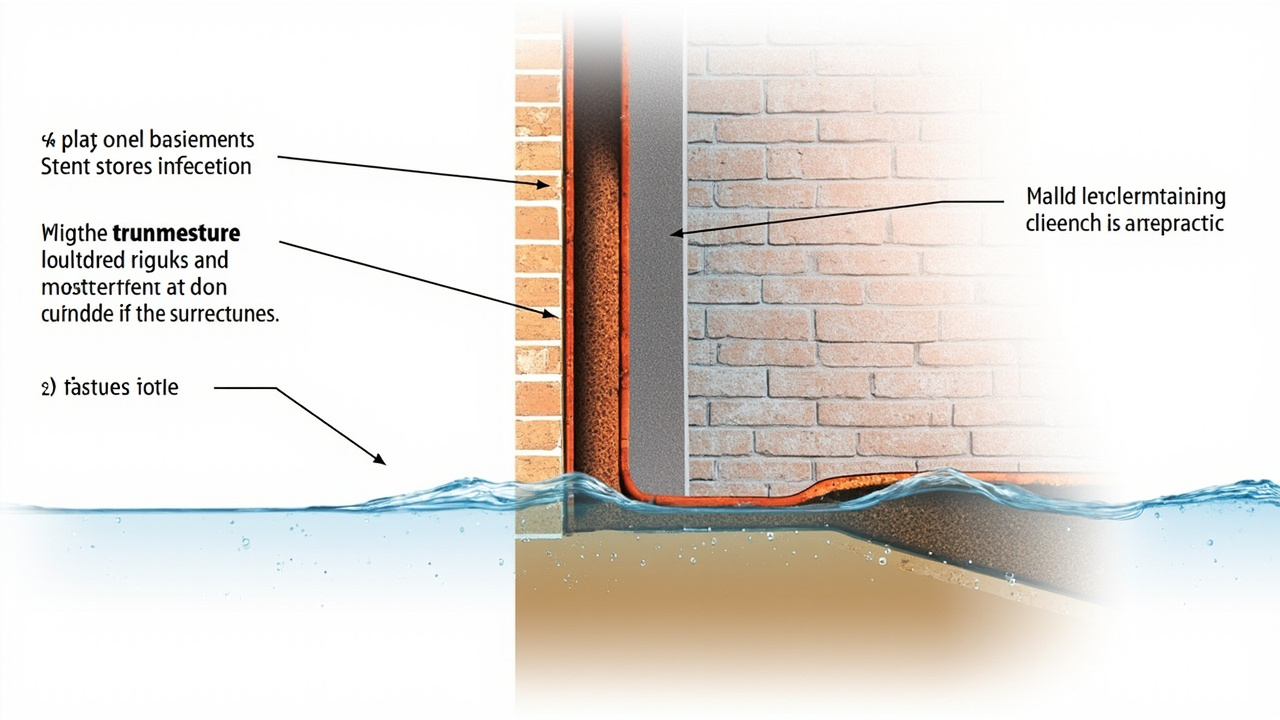
Chicago's hospitality sector operates under constant threat from multiple water intrusion vectors. The city's combined sewer system, serving over 2.3 million residents, regularly overwhelms during heavy rainfall events. When storm sewers back up, basement-level hotel facilities (laundry rooms, mechanical spaces, storage areas) flood first.

Lake Michigan's proximity creates additional humidity loads that stress aging HVAC condensate systems. A single failed condensate pump on an upper floor can cascade water through multiple guest rooms before detection. Chicago's freeze-thaw cycles crack foundation walls in older hospitality buildings, particularly in the Loop and Near North neighborhoods where many hotels occupy structures built before modern waterproofing standards.

Commercial hotel flood cleanup demands speed that residential work does not. A flooded hotel loses room revenue immediately. Guest relocations trigger compensation costs. Online reviews documenting water damage erode future bookings for months. Hospitality water removal requires coordinated staging to isolate affected floors while maintaining operations in unaffected areas.

The risk intensifies during convention season when occupancy peaks. A pipe burst during a sold-out weekend does not just flood rooms. It creates liability exposure, threatens vendor relationships, and jeopardizes your reputation with corporate travel planners who control block bookings. Chicago hotels cannot afford extended closures. You need hotel emergency water extraction that understands hospitality operations, not just water removal.

Building management companies and franchise operators face additional pressure. Corporate quality standards require documented remediation protocols. Insurance carriers demand third-party verification of proper drying procedures to avoid mold exclusions.

Why Chicago Hotels Face Escalating Flood Risks
Commercial-Scale Extraction and Sanitization Protocols

Commercial-Scale Extraction and Sanitization Protocols

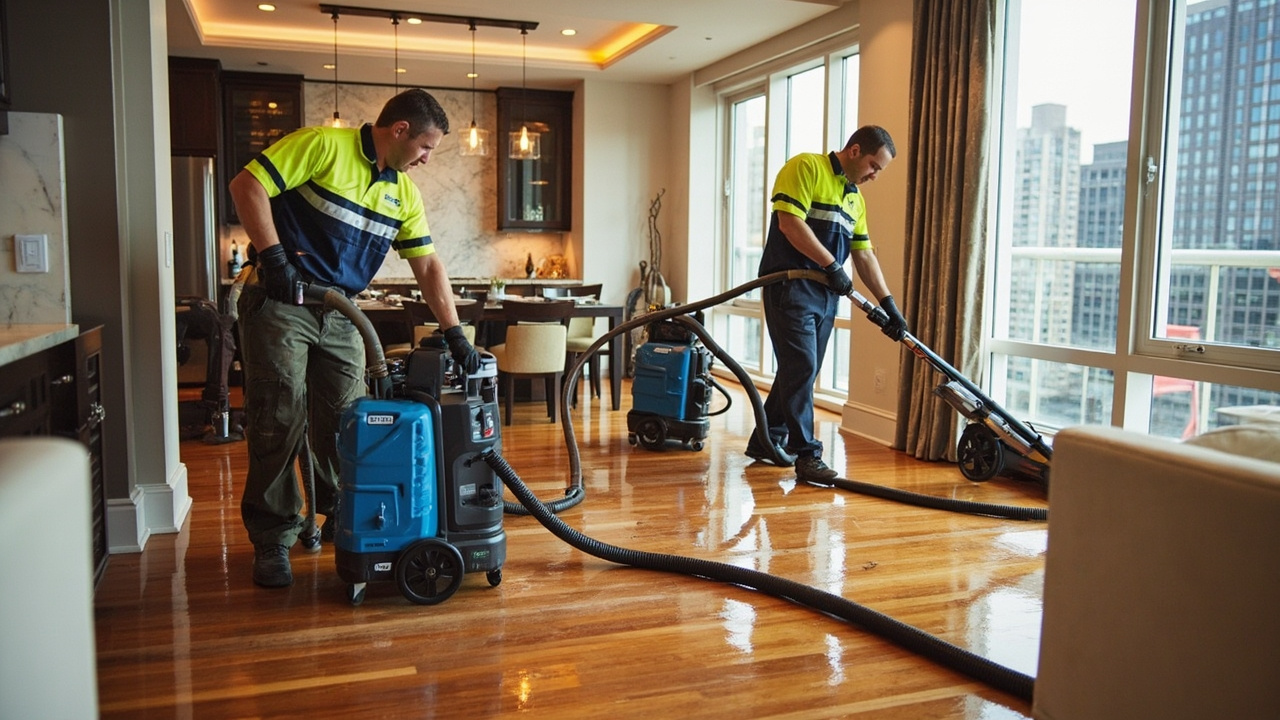
Hotel water damage restoration requires equipment capacity beyond residential capability. We deploy truck-mounted extraction units that pull 200 gallons per minute, clearing flooded corridors and ballrooms in hours, not days. Portable generators maintain power to drying equipment when electrical systems fail, eliminating delays waiting for utility restoration.

Our approach compartmentalizes affected zones using negative air pressure containment. This isolates odors and humidity from operating guest floors, preventing cross-contamination that forces unnecessary room closures. We install industrial dehumidifiers rated for 150-pint daily moisture removal per unit, positioned strategically to maintain drying momentum in carpeted hallways and multi-room suites where air circulation naturally stagnates.

Water categorization drives our sanitization protocols. Category 1 water (clean supply line breaks) requires extraction and structural drying. Category 2 water (appliance overflows, condensate failures) demands antimicrobial treatment of porous materials. Category 3 water (sewage backups, external flooding) triggers removal of contaminated drywall, baseboards, and carpeting to one foot above the visible water line, per IICRC S500 standards.

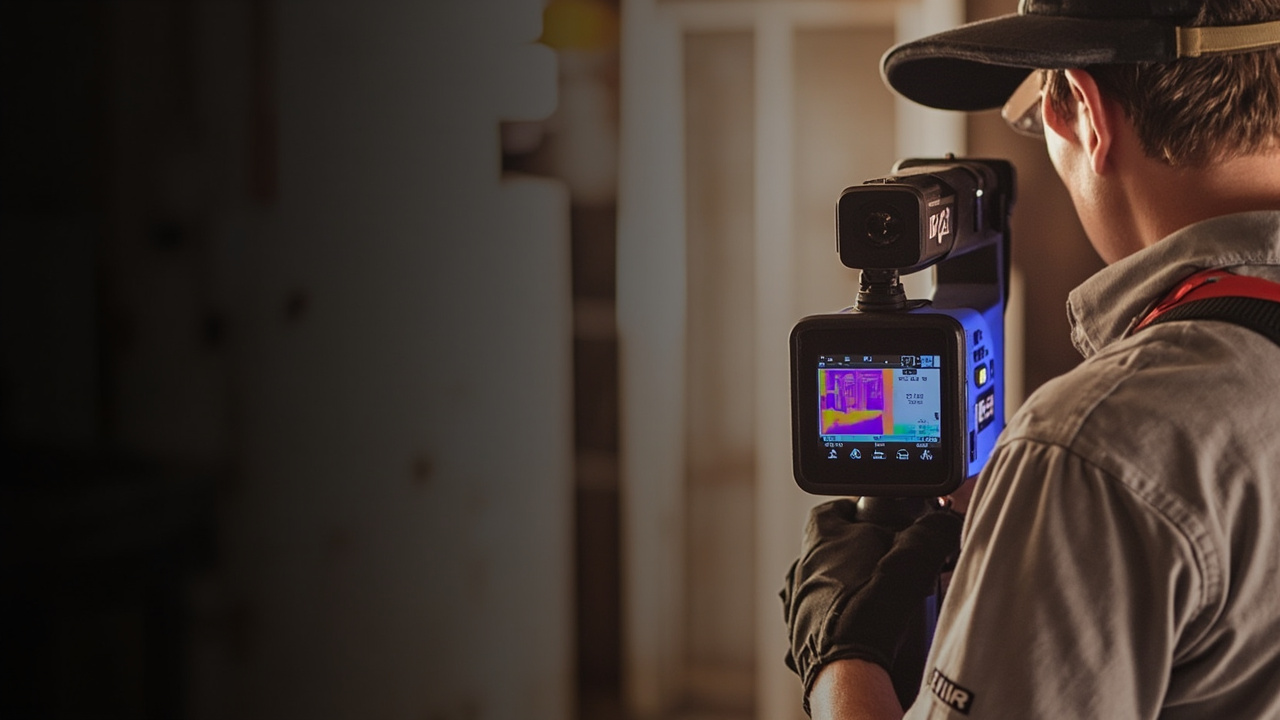
We document moisture mapping using thermal imaging and penetrating moisture meters. This creates defensible records for your insurance adjuster and corporate risk management team. Each affected room receives individual tracking, noting initial moisture readings, equipment placement, and daily progress measurements until materials reach equilibrium moisture content.

Chicago's commercial building codes require permits for structural modifications during restoration. We coordinate inspections when flood damage necessitates drywall replacement or mechanical system repairs, preventing code violations that delay certificate of occupancy reinstatement.

How We Execute Multi-Floor Hotel Flood Recovery

Hotel & Hospitality Flood Cleanup in Chicago – Minimize Downtime and Protect Revenue with Industrial-Grade Emergency Response
01

Immediate Damage Assessment

Our project manager arrives on-site within 90 minutes to map the full scope of intrusion. We identify the water source, isolate affected building systems, and determine Category classification. You receive a floor-by-floor impact report with preliminary room closure counts and estimated restoration duration before we begin extraction. This lets you immediately communicate accurate timelines to guests and corporate stakeholders.
02

Coordinated Water Extraction

We stage equipment deliveries through service elevators and loading docks to avoid disrupting guest areas. Extraction crews work in rotating shifts to maintain continuous operation. Floor supervisors coordinate with your front desk to manage room access, ensuring we clear and return guest spaces systematically. High-velocity air movers and desiccant dehumidifiers deploy immediately after extraction to prevent secondary moisture migration into walls and subfloors.
03

Verification and Reopening

Before releasing rooms back to inventory, we conduct final moisture verification using non-invasive meters to confirm structural materials meet dry standards. You receive documentation packages for each room, including before and after readings, equipment logs, and antimicrobial treatment records. This satisfies corporate compliance requirements and provides insurance carriers the third-party verification they demand to process claims without depreciation penalties or coverage disputes.

Why Chicago Hospitality Operators Choose Cornerstone Water Damage Restoration Chicago

Chicago hospitality properties demand restoration partners who understand operational complexity. We have restored flooded spaces in hotels ranging from boutique properties in Wicker Park to convention center hotels in McCormick Place. Our crews understand that hotel emergency water extraction happens on your schedule, not ours. We work overnight shifts and coordinate around housekeeping rotations to minimize guest disruption.

Local building code knowledge matters. Chicago amended its plumbing code in recent years to require backflow preventers on certain commercial applications. When flooding damages below-grade mechanical rooms, we know which systems trigger permit requirements and which repairs fall under routine maintenance exemptions. This prevents delays caused by unnecessary permitting or code violations discovered during insurance inspections.

We maintain relationships with commercial insurance adjusters who specialize in hospitality claims. When your property suffers extensive damage, we provide preliminary estimates in formats your carrier expects, accelerating approval for emergency services and preventing cash flow interruptions while you wait for claim settlement. Our documentation standards meet the requirements of national hospitality brands, so franchise operators avoid compliance issues during corporate quality audits.

Equipment inventory matters during large-scale events. Chicago's spring flood season often overwhelms restoration companies who lack commercial-grade capacity. We maintain dedicated truck-mounted extraction units and trailer-mounted generators, so your property does not wait in queue behind residential jobs. When a water main break floods your lower-level conference space hours before an event, we have the capacity to respond immediately with adequate equipment to meet your timeline.

Cornerstone Water Damage Restoration Chicago understands that hotel flooding is not a maintenance issue. It is a revenue protection emergency.

What to Expect During Hotel Flood Restoration

Emergency Response Timeline

We maintain 24/7 dispatch specifically for commercial hospitality emergencies. When you call, you speak with a project manager who understands hotel operations, not an answering service. Our average on-site arrival time for Chicago properties is 90 minutes from initial contact. Equipment trucks arrive within three hours of assessment completion. For properties experiencing active flooding, we can deploy portable pumps and extraction crews immediately while larger equipment stages. Convention hotels and branded properties receive priority scheduling during peak occupancy periods when room revenue loss compounds hourly.

Detailed Facility Assessment

Our initial assessment maps water migration patterns using thermal imaging to identify hidden moisture in wall cavities and ceiling plenums. We test affected materials for moisture content using penetrating meters that measure wood framing, drywall, and concrete substrates. You receive a written scope document identifying affected rooms by number, water category classification, and recommended remediation protocol for each space. This assessment includes preliminary cost estimates broken down by room type, so you can immediately notify your insurance carrier with accurate loss projections. We photograph all affected areas for claim documentation.

Restored Guest Spaces

Rooms return to inventory only after passing final moisture verification. We do not rely on surface drying. Our technicians measure moisture levels in wall studs, subfloors, and baseboards to confirm structural materials have reached equilibrium. Guest rooms receive professional cleaning after equipment removal. We coordinate with your housekeeping team to ensure rooms meet brand standards before release. Common areas like hallways and meeting spaces are restored to pre-loss condition, including carpet reinstallation or hard surface flooring replacement when flooding requires material removal. You receive completion documentation for corporate records.

Post-Restoration Monitoring

Hotel water damage often reveals underlying maintenance issues. After restoration, we provide recommendations for preventing future incidents, such as installing water detection systems in mechanical rooms or upgrading aging supply lines in guest bathroom walls. For properties that experience sewage backups from combined sewer overflows, we can connect you with licensed plumbers who install backwater valves to meet Chicago plumbing code requirements. We offer optional moisture monitoring services for high-risk areas, using wireless sensors that alert your maintenance team to leaks before they become flooding events.

Frequently Asked Questions

You Have Questions,
We Have Answers

How Combined Sewers Make Chicago Hotels Vulnerable to Basement Flooding

Chicago operates one of the oldest combined sewer systems in the country, serving the Loop, River North, and Near West Side where many hotels concentrate. During heavy rainfall, these sewers carry both stormwater and sanitary waste. When system capacity is exceeded, backups push sewage into basement-level hotel facilities through floor drains and lower-level plumbing fixtures. This creates Category 3 contamination requiring immediate extraction and disposal of porous materials. Hotels in the Magnificent Mile corridor and Streeterville neighborhoods face particular risk due to aging infrastructure and high water table proximity to Lake Michigan.

Hospitality flood remediation in Chicago requires familiarity with Department of Buildings permit requirements and Health Department sanitization standards for food service areas affected by sewage contamination. Our crews maintain Illinois Department of Public Health training for commercial facility restoration, ensuring compliance when flooding impacts hotel kitchens, bars, or banquet food preparation areas. We understand Chicago's inspection protocols and can expedite permit approvals when structural repairs require building department sign-off before you can reopen affected spaces to guests.
Water Damage Restoration Services in The Chicago Area

Cornerstone proudly serves the entire Chicago area with fast, dependable water damage restoration services. Whether you’re located in downtown, the suburbs, or surrounding neighborhoods, we’re ready to respond to your call—day or night. Use the map below to see our local service coverage and find our nearest team. With mobile units throughout the city, help is never far away. If you’re facing water damage, reach out now and let us show you why homeowners and businesses choose Cornerstone.

Address:
Cornerstone Water Damage Restoration Chicago, 171 N Aberdeen St, Chicago, IL, 60607

Additional Services We Offer

Our news updates

Latest Articles & News from The Blogs

High Humidity and Mold Growth in Chicago Summers What Homeowners Need to Know Your basement smells musty. Your bathroom mirror…

Why high humidity in the Chicago summer makes water damage worse in Calumet Heights

High Humidity and Mold Growth in Chicago Summers What Homeowners Need to Know Your basement smells musty. Your bathroom mirror…

Managing water damage restoration in the high-end luxury builds of the Near North Side

Luxury Home Water Damage Restoration in Chicago's Near North Side A burst pipe at 2 AM in your Gold Coast…

How we use thermal imaging to find hidden leaks in West Ridge homes

Expert Infrared Leak Detection in Chicago Homes and Businesses A hidden pipe leak can destroy your property long before you…

Contact Us

Every hour of delayed response extends room closures and compounds revenue loss. Call Cornerstone Water Damage Restoration Chicago now at (872) 266-1616 for immediate dispatch. Our commercial hospitality teams are standing by 24/7 to protect your property and your reputation.