



menu

Hidden Moisture Detection in Chicago – Stopping Invisible Water Damage Before It Destroys Your Property

Using infrared thermal imaging and professional-grade moisture meters, our Hidden Moisture Detection service finds trapped water in walls, ceilings, and floors before mold spreads and structural rot sets in across Chicago homes and buildings.

Slider Image 1
Slider Image 2
Slider Image 3
Slider Image 4
Slider Image 5
Slider Image 7
Slider Image 8
Slider Image 9
Slider Image 10
Slider Image 11

Why Hidden Water Is Chicago's Silent Property Killer

You smell something musty in your Lincoln Park brownstone. Your water bill jumped 40 percent last month in your Wicker Park condo. Your Loop office building has warped baseboards on the third floor. No visible leak. No wet spots. Just a nagging suspicion something is wrong.

Chicago's brutal freeze-thaw cycles crack foundation walls. Snow melt seeps through mortar joints in century-old brick buildings across Pilsen and Logan Square. Summer humidity condenses inside walls when air conditioning meets poor ventilation. Water finds microscopic entry points, then spreads horizontally through wall cavities and under flooring systems. You cannot see it. You cannot smell it until mold colonies establish themselves weeks later.

Detecting invisible leaks requires technology that sees beyond surface conditions. Locating concealed dampness means understanding how water moves through Chicago's diverse building stock, from Queen Anne homes in Old Town to mid-century walk-ups in Rogers Park to modern high-rises along the Lakefront. Finding trapped water before it causes catastrophic damage separates a minor repair bill from a five-figure structural remediation project.

Your eyes show you wet drywall and standing water. They miss the saturated insulation, the soaked floor joists, the moisture wicking up studs inside walls. Identifying unseen water intrusion prevents the secondary damage that insurance companies fight over and contractors underestimate. Spotting hidden water damage in the first 48 hours stops mold growth, saves building materials, and protects your investment.

The problem is real. The solution exists. But you need the right equipment and the expertise to interpret what that equipment reveals.

Why Hidden Water Is Chicago's Silent Property Killer
How Professional Moisture Detection Actually Works

How Professional Moisture Detection Actually Works

Cornerstone Water Damage Restoration Chicago uses a three-tool methodology that maps moisture intrusion with surgical precision.

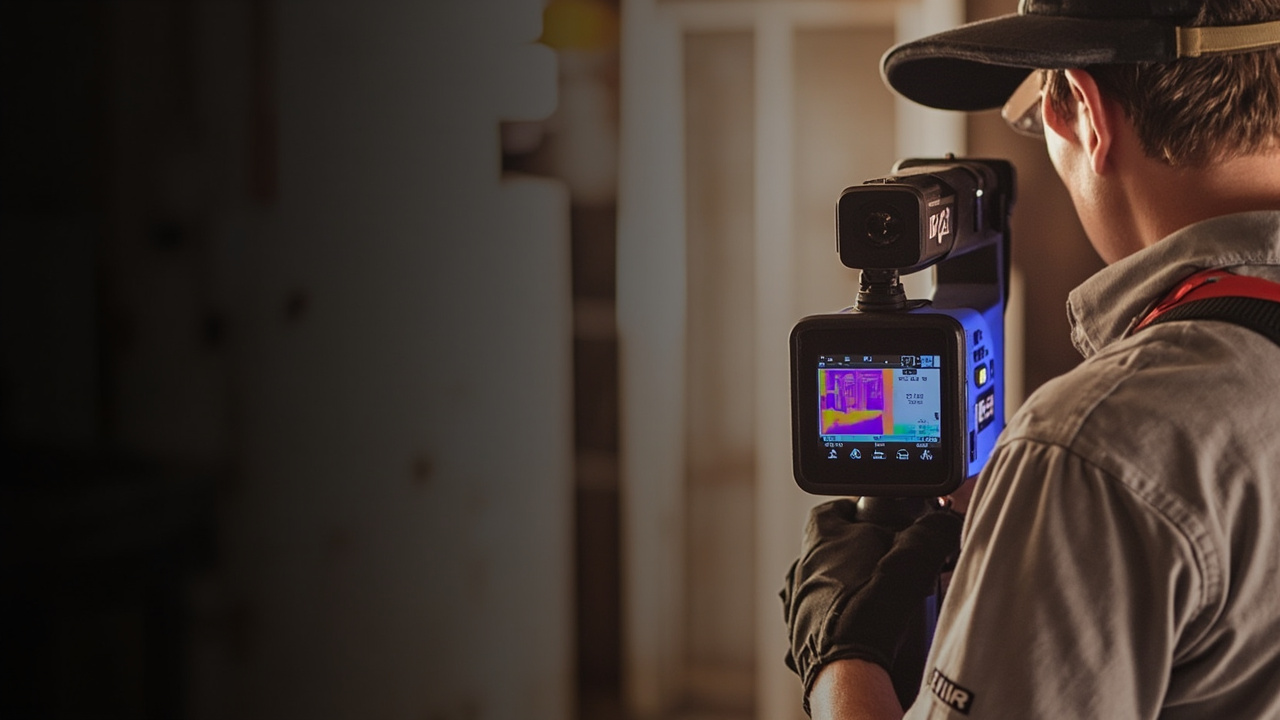
We start with FLIR thermal imaging cameras that detect temperature differentials as small as 0.1 degrees Fahrenheit. Wet building materials appear as cold spots because evaporating water draws heat from surfaces. This technology locates moisture behind ceramic tile, under hardwood flooring, and inside drywall without demolition. We scan entire rooms in minutes, creating thermal maps that show exactly where water has traveled.

Next, we deploy pin-type and pinless moisture meters calibrated for different building materials. Pin meters measure electrical resistance between two probes driven into wood, drywall, or insulation. Wet materials conduct electricity better than dry materials. Pinless meters use electromagnetic signals to scan larger surface areas without leaving probe holes. We cross-reference readings from both meter types to confirm moisture presence and quantify saturation levels.

Finally, we use hygrometers to measure relative humidity inside wall cavities and enclosed spaces. Elevated humidity indicates ongoing moisture intrusion even when surfaces feel dry. We drill small inspection holes, insert humidity probes, and monitor readings over time to determine if the moisture source is active or residual.

This is not guesswork. We document every reading, photograph every thermal anomaly, and map moisture progression through your structure. You get a written moisture assessment that identifies the water source, quantifies the affected area, and outlines the drying protocol required to return your property to pre-loss condition. Insurance adjusters respect documented evidence. Building owners make informed decisions with accurate data.

What Happens During Your Moisture Detection Inspection

Hidden Moisture Detection in Chicago – Stopping Invisible Water Damage Before It Destroys Your Property
01

Initial Assessment and Scanning

Our technician walks through the affected area while you describe symptoms, timeline, and concerns. We conduct thermal imaging scans room by room, marking anomalies with painter's tape. This visual inspection identifies obvious damage and guides deeper investigation. We document building construction type, materials present, and HVAC system configuration because these factors affect moisture migration patterns and drying strategies.
02

Detailed Moisture Mapping

We take moisture meter readings at multiple points across walls, floors, and ceilings. Readings are recorded on a floor plan diagram showing exact measurement locations and corresponding moisture content percentages. We probe suspect areas identified during thermal scanning, compare readings against manufacturer dry standards for each material, and trace moisture migration paths. This creates an evidence-based moisture map that reveals the full scope of water intrusion.
03

Source Identification and Reporting

Using moisture mapping data, we trace water back to its entry point. Is it a leaking supply line, condensation, groundwater seepage, or roof penetration? We verify the source, photograph conditions, and compile findings into a detailed inspection report. You receive moisture readings, thermal images, source identification, and recommended next steps within 24 hours. This report supports insurance claims and guides restoration planning with objective, measurable evidence.

Why Chicago Properties Demand Local Moisture Detection Expertise

Chicago's building diversity requires specialized knowledge that out-of-town restoration companies lack. A brick three-flat in Avondale built in 1920 has different moisture vulnerabilities than a frame bungalow in Portage Park or a concrete high-rise in Streeterville. We understand how Chicago's specific construction methods affect water intrusion patterns.

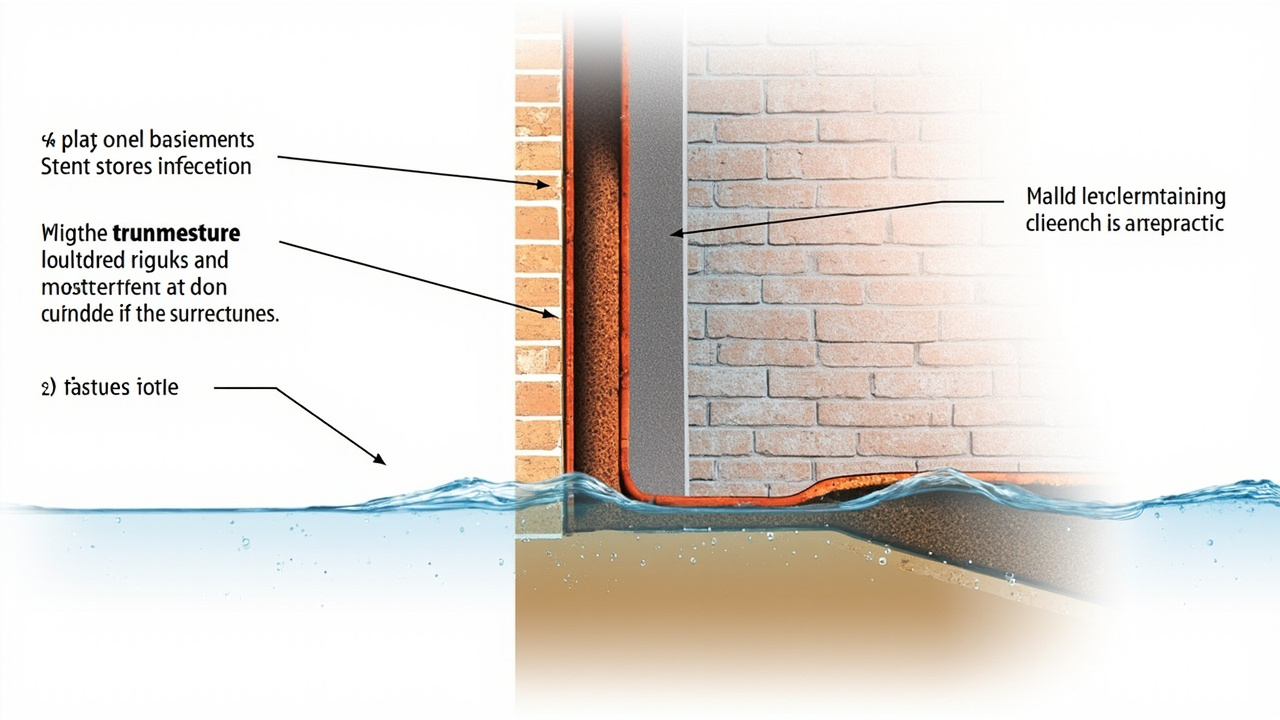
The city's historic greystone and brick buildings use lime mortar that absorbs water differently than modern Portland cement. Balloon-frame construction in older neighborhoods creates vertical cavities where water travels between floors. Garden apartments and English basements common across the Northwest Side sit partially below grade, making them vulnerable to hydrostatic pressure and capillary action through foundation walls.

We know how Lake Michigan humidity affects drying times in summer. We factor in how radiant floor heating systems in newer construction create different moisture readings than forced-air systems. We recognize how flat roofs on Chicago's commercial buildings collect water in ways pitched roofs do not.

Cornerstone Water Damage Restoration Chicago has mapped moisture intrusion in every building type across every neighborhood from Hegewisch to Edison Park. Our technicians hold IICRC Water Damage Restoration certification and complete ongoing training in building science and moisture control. We calibrate our equipment monthly against NIST standards. We document findings in formats insurance adjusters and building engineers respect.

Local codes matter. Chicago requires permits for certain demolition work. We know when exploratory openings need permits and when they do not. We understand how the city's aggressive mold disclosure requirements affect property transactions. Our reports include the technical language and data granularity that satisfy both residential homeowners and commercial property managers reviewing contractor proposals.

What You Get With Professional Moisture Detection

Rapid Response and Scheduling

We dispatch technicians within two hours for emergency moisture detection requests across Chicago. Suspected ongoing leaks and recent flooding events qualify for emergency response because water damage compounds exponentially each day. Standard inspections are scheduled within 24 hours of your call. Most inspections take 60 to 90 minutes for single-family homes and up to three hours for multi-unit buildings or commercial spaces. You receive preliminary findings on-site before we leave. We work around tenant schedules for rental properties and coordinate with property management for access to common areas or adjacent units.

Comprehensive Moisture Assessment

Your moisture assessment includes thermal imaging of all suspect areas, moisture meter readings logged to a floor plan diagram, source identification when possible, material-specific moisture content percentages, and relative humidity measurements. We photograph conditions throughout the inspection. You receive a written report with thermal images, moisture readings mapped to your floor plan, interpretation of findings, and recommended remediation steps. The report documents pre-existing moisture conditions for insurance purposes and establishes baseline readings for monitoring drying progress after we extract water and place drying equipment. Commercial clients receive reports formatted for engineering review and building management documentation requirements.

Accurate Damage Scope Documentation

Insurance claims require documented evidence of damage extent. Our moisture mapping eliminates disputes about what materials need removal and replacement. Adjusters trust our readings because we follow IICRC S500 water damage restoration standards and document findings with calibrated equipment. You avoid under-remediation that leaves hidden moisture to cause future mold growth. You also avoid over-remediation where contractors tear out dry materials to pad invoices. Our reports specify exactly which wall cavities contain elevated moisture, which flooring sections need removal, and which materials can be dried in place. This precision protects your interests whether you are filing a claim or paying out of pocket.

Post-Remediation Verification Testing

Moisture detection does not end when drying equipment shuts off. We return after remediation to verify all affected materials have returned to dry standard before reconstruction begins. Post-remediation verification prevents callbacks and mold claims. We take final moisture readings at the same locations tested during initial assessment, compare current readings against baseline documentation, and certify the structure is dry and ready for repairs. This final clearance protects you from contractors who remove equipment prematurely or skip verification testing. Commercial property managers receive certification documentation for tenant files and building records. Residential clients receive peace of mind that hidden moisture will not cause problems after walls close and floors reinstall.

Frequently Asked Questions

You Have Questions,
We Have Answers

Why does my phone say moisture detected when there is no moisture? +

Your phone triggers the moisture sensor when lint, dust, or residue builds up in the charging port. This is a safety feature to prevent short circuits. Try these fixes: power off your phone, gently blow compressed air into the port, and wipe the charging cable with a dry cloth. If the warning persists after the port dries completely, the sensor may be faulty. Chicago's humid summers can cause condensation in pockets and bags, so keep your device in a dry case. If the error continues for 24 hours, you need a professional phone repair technician.

Is there a tool to detect moisture in walls? +

Yes. Moisture meters are the primary tool for detecting water in walls. Pin-type meters insert probes into drywall to measure electrical resistance. Pinless meters use electromagnetic signals to scan without damage. Thermal imaging cameras reveal temperature differences caused by evaporation, showing wet areas as cool spots. These tools are critical in Chicago homes where old plaster walls and brick exteriors hide leaks from freeze-thaw cycles. Professionals use multiple devices together for accuracy. You can buy basic meters at hardware stores, but interpreting readings correctly requires training to avoid false positives from metal studs or wiring.

How to find where moisture is coming from in a house? +

Start at the highest point where you notice stains, odor, or damage. Water flows downward, so ceiling stains often mean roof leaks or upper-floor plumbing failures. Check around windows and doors for failed caulking. In Chicago, ice dams from heavy snowfall push water under shingles. Inspect basement walls for groundwater seepage, common in older neighborhoods with clay soil that shifts and cracks foundations. Use a moisture meter to trace wet spots back to the source. Check under sinks, behind toilets, and near water heaters. Sometimes the entry point is far from visible damage.

Do moisture Readers really work? +

Yes, when used correctly. Moisture meters provide objective data that helps locate hidden water damage. They measure moisture content as a percentage or use relative scales. Pin-type meters are accurate but leave small holes. Pinless meters scan larger areas quickly but can miss narrow leak zones. Cheap models give inconsistent readings. Professional-grade meters account for material type, temperature, and density. In Chicago's variable climate, meters help confirm if a damp basement wall is active seepage or just seasonal condensation. The tool works, but the user must understand calibration, material science, and how to interpret results.

How do I fix a moisture detected glitch? +

First, verify actual moisture is gone. Remove the charging cable and power off your device. Use compressed air to clean the port, removing lint or debris. Let the phone sit in a dry, warm room for one hour. Do not use rice, which leaves starch residue. If the warning persists, try a different cable. Sometimes the cable itself retains water. For Android devices, clear the USB settings cache in system settings. If the sensor remains stuck after 24 hours in dry conditions, the port may need replacement. Chicago humidity can trigger false positives, so store devices away from bathrooms and kitchens.

How to get rid of Samsung moisture Warning? +

Turn off your Samsung phone completely. Remove any case and charging cable. Use a dry, lint-free cloth to wipe the USB port. Gently blow compressed air into the port to remove trapped moisture or debris. Leave the phone in a dry, room-temperature area for at least 30 minutes. Do not use a hairdryer, which can damage internal components. If the warning continues, try enabling USB settings developer mode and toggling moisture detection off temporarily. This is a last resort. Chicago's lake-effect humidity can cause persistent false alarms. If the error lasts beyond 48 hours, the port likely needs professional cleaning or replacement.

How to tell if water is behind drywall? +

Look for these signs: discoloration or yellow-brown staining, bubbling or peeling paint, soft spots when you press the surface, and a musty odor. Use a moisture meter with pinless scanning to detect water without creating holes. Tap the wall and listen for a dull thud instead of a hollow sound, indicating saturation. In Chicago homes with old plaster and lath construction, water often travels horizontally before showing visible damage. Check baseboards for warping or separation from the wall. Thermal imaging reveals cool spots where evaporation occurs. Catching wall moisture early prevents mold growth and structural decay.

How long can drywall be wet before mold? +

Mold can start growing on wet drywall within 24 to 48 hours if conditions are right. Chicago's humid summers accelerate growth. Temperature between 60 and 80 degrees and relative humidity above 60 percent create ideal conditions. Porous drywall paper provides food for mold spores. If water damage happens, you have a narrow window to dry materials completely. Use fans, dehumidifiers, and remove wet insulation immediately. After 48 hours, assume mold colonization has begun even if not visible. Professional drying equipment and antimicrobial treatment become necessary. Speed matters. Delay risks health problems and expensive remediation.

What do home inspectors use to detect moisture? +

Home inspectors use moisture meters, thermal imaging cameras, and visual assessment. Pin-type meters test specific spots like window frames and basement walls. Pinless meters scan large wall sections quickly. Infrared cameras detect temperature differences caused by evaporating water, showing leaks invisible to the eye. In Chicago, inspectors focus on basements prone to groundwater seepage and attics where ice dams cause leaks. They check crawl spaces, around HVAC systems, and under sinks. These tools identify problems before you buy a home. Inspectors document moisture levels in reports, giving you leverage for repairs or price negotiation.

What are the first signs of damp in a house? +

Early damp signs include musty odors, condensation on windows, and dark spots on walls or ceilings. You may notice peeling wallpaper, bubbling paint, or white chalky deposits on basement walls called efflorescence. In Chicago homes, damp often appears first in basements due to high water tables and clay soil. Check for warped baseboards, rusty nails popping through drywall, and increased allergy symptoms from mold spores. Feel walls for coolness or moisture. Look for standing water in crawl spaces. Catching damp early prevents expensive structural damage, mold remediation, and health issues. Address the source immediately.

How Chicago's Freeze-Thaw Cycles Create Hidden Water Intrusion Points

Chicago experiences an average of 38 freeze-thaw cycles each winter. Water penetrates foundation cracks, brick mortar joints, and concrete porch slabs when temperatures hover around 32 degrees. That water expands when it freezes, widening existing cracks and creating new pathways for moisture intrusion. When temperatures rise, melting snow and ice flow through these compromised areas into basements, crawl spaces, and wall cavities. Identifying unseen water intrusion from freeze-thaw damage requires understanding how seasonal ground movement and building settlement patterns affect older Chicago structures. The water does not appear immediately. It wicks through masonry and saturates insulation over weeks, appearing as mysterious damp spots long after the weather warms.

Chicago's building code requires specific drainage and waterproofing standards for structures built after 1987. Properties constructed before that date often lack proper exterior waterproofing, foundation drainage systems, and vapor barriers. Cornerstone Water Damage Restoration Chicago knows which vintage construction methods create moisture vulnerabilities and where to look for trapped water in buildings from different eras. We understand how the clay soil common throughout Cook County shrinks and swells with moisture changes, creating foundation movement that cracks waterproofing membranes. Our local expertise means faster source identification and more accurate moisture mapping for detecting invisible leaks in Chicago's diverse building stock.
Water Damage Restoration Services in The Chicago Area

Cornerstone proudly serves the entire Chicago area with fast, dependable water damage restoration services. Whether you’re located in downtown, the suburbs, or surrounding neighborhoods, we’re ready to respond to your call—day or night. Use the map below to see our local service coverage and find our nearest team. With mobile units throughout the city, help is never far away. If you’re facing water damage, reach out now and let us show you why homeowners and businesses choose Cornerstone.

Address:
Cornerstone Water Damage Restoration Chicago, 171 N Aberdeen St, Chicago, IL, 60607

Additional Services We Offer

Our news updates

Latest Articles & News from The Blogs

High Humidity and Mold Growth in Chicago Summers What Homeowners Need to Know Your basement smells musty. Your bathroom mirror…

Why high humidity in the Chicago summer makes water damage worse in Calumet Heights

High Humidity and Mold Growth in Chicago Summers What Homeowners Need to Know Your basement smells musty. Your bathroom mirror…

Managing water damage restoration in the high-end luxury builds of the Near North Side

Luxury Home Water Damage Restoration in Chicago's Near North Side A burst pipe at 2 AM in your Gold Coast…

How we use thermal imaging to find hidden leaks in West Ridge homes

Expert Infrared Leak Detection in Chicago Homes and Businesses A hidden pipe leak can destroy your property long before you…

Contact Us

Water you cannot see is destroying your property right now. Call Cornerstone Water Damage Restoration Chicago at (872) 266-1616 for same-day moisture detection across the Chicago metro area. We document the damage, identify the source, and give you a plan to stop the problem.