
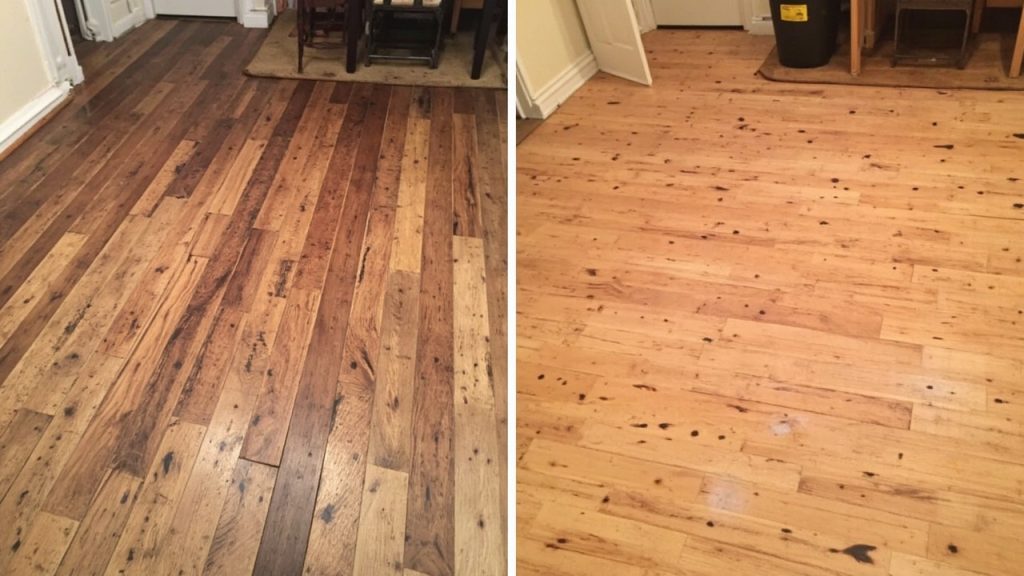
Hardwood Floor Water Damage Repair in Chicago Emergency Restoration Services
A burst pipe during Chicago’s polar vortex or a sump pump failure during spring rains can destroy your hardwood floors in hours. The difference between saving your flooring and replacing it entirely comes down to speed and expertise. When water saturates hardwood, every minute matters. Your floors can recover with proper mitigation if you act within the first 24 hours. After that window closes, the wood begins cupping, crowning, and buckling beyond repair.
Cornerstone Water Damage Restoration has spent 15 years rescuing hardwood floors across Chicago neighborhoods from Lincoln Park to Wicker Park, Oak Park to Rogers Park. We know the specific challenges your floors face in this climate. Chicago’s high humidity, Lake Michigan’s seasonal moisture swings, and our clay-heavy soil create conditions where water damage spreads fast and deep. This guide shows you exactly what we do to save your hardwood and why it works.
Immediate Actions Within the First 24 Hours
The moment water touches your hardwood, you face a critical window. Your first actions determine whether the floor survives or requires complete replacement. Do not wait for an estimate or call multiple contractors. Time is your enemy here.
Start by stopping the water source immediately. If a pipe burst, shut off the main water valve. If the damage came from a roof leak or window failure, use tarps or plywood to block further entry. Close doors to isolate water to the affected room whenever possible. Open windows to increase air circulation, but avoid direct fans on wet hardwood at this stage.
Next, remove standing water with a wet-vac or pump if you can do so safely. Do not use regular household vacuums. These will damage the motor and create electrical hazards. Extract water from under the flooring if accessible from a basement or crawl space. Chicago’s basements in Lincoln Park bungalows and West Loop lofts often have subfloor access that lets us pull water from beneath before it saturates the wood itself.
Pull up floor vents and remove any rugs or furniture. Document the damage with photos and video for your insurance claim. This visual record becomes critical when adjusters evaluate the damage. Then call Cornerstone immediately. We operate 24/7 and can have a technician on-site in most Chicago neighborhoods within two hours.
Signs Your Hardwood Has Water Damage
Hardwood shows distinct damage patterns when exposed to water. Learning these signs helps you understand what happened and whether restoration is possible. Some damage occurs immediately. Other damage develops over days as moisture penetrates deeper into the wood structure.
Cupping appears as boards that bow upward at the edges while the center sits lower. This happens when the bottom of the board absorbs more moisture than the top surface. The bottom swells while the top stays relatively dry, creating that distinctive cup shape. Cupping is reversible in the early stages if we dry the wood quickly and evenly from all sides.
Crowning is the opposite of cupping. The center of the board rises above the edges. Crowning often develops after cupping if drying is uneven or happens too fast. The top dries before the bottom, causing the center to pull up. Crowning is harder to reverse and often requires sanding and refinishing.
Buckling occurs when boards lift away from the subfloor entirely. This represents severe water saturation that has swollen the wood beyond recovery. Buckled floors require replacement in almost all cases. The wood fibers have expanded so much that they cannot return to their original state.
Soft spots in the floor signal subfloor damage. Press your foot on wet areas. If the floor feels spongy or moves when you step, the subfloor has absorbed water and begun to rot. Subfloor damage typically cannot be repaired. That section must be replaced.
Discoloration and water rings show where water contacted the wood surface. These stains can range from light to dark depending on the water source. Clean water from a burst pipe creates minimal staining. Sewage or floodwater creates dark, stubborn stains that may not fully disappear even after restoration.
Our Chicago Restoration Process Step by Step
Restoration differs from replacement. Replacement means ripping out your existing hardwood and installing new flooring. Restoration means saving the wood you have through controlled drying, moisture mapping, and selective refinishing. Restoration costs less, preserves the character of your floors, and maintains your home’s historical integrity. In Wicker Park bungalows and Rogers Park vintage homes, saving original hardwood often matters more than cost savings.
- Initial Moisture Assessment
Our IICRC-certified technician arrives with IICRC certification credentials and moisture meters and thermal imaging equipment. We measure moisture content in the wood itself, the subfloor, and the surrounding air. Wood should read between 6 and 12 percent moisture content when dry. Water-damaged wood often reads 25 to 40 percent or higher. Thermal imaging shows us wet areas that are not visible to the eye. This mapping tells us the true extent of the damage and which areas can be saved.
- Water Extraction and Surface Drying
We remove all standing water using industrial extractors and pumps. These are not household wet-vacs. Industrial equipment pulls water faster and more completely. For floors with accessible subfloors, we focus significant effort on extracting water from beneath the surface. Chicago’s basements give us access that many other cities lack. Pulling water from below prevents the subfloor from wicking moisture back up into the hardwood.
- Subfloor Inspection and Treatment
Once standing water is gone, we inspect the subfloor closely. In properties across Arlington Heights, Naperville, and the suburbs, older homes often have wood subfloors that are vulnerable to saturation and rot. We use moisture meters to determine if the subfloor can be saved or needs replacement. If the subfloor shows moisture above 20 percent, it requires replacement. If it remains below that threshold, we treat it with antimicrobial compounds to prevent mold growth and apply sealers to stabilize moisture levels.
- Industrial Dehumidification Setup
This step separates professional restoration from DIY attempts. We deploy LGR dehumidifiers (low grain refrigerant units) and Injectdry systems into the damaged space. LGR dehumidifiers remove massive amounts of moisture from the air. A single unit can pull 20 to 40 gallons of water per day from the environment. Injectdry systems inject conditioned air directly into cavities within and beneath the flooring. These systems force air through the wood itself, drying from the inside out. We also use HEPA air scrubbers to capture mold spores and dust throughout the drying process.
- Continuous Moisture Monitoring
Drying is not a set-it-and-forget-it process. We monitor moisture levels daily using meters at multiple points in the floor and subfloor. Moisture content must drop gradually and evenly. Rapid drying from the top can cause crowning. Slow drying can allow mold to colonize. We adjust dehumidifier placement and settings based on daily readings. The drying process typically takes 7 to 14 days for residential hardwood, depending on the extent of water saturation and current humidity levels in Chicago.
- Sanding and Moisture Equalization
Once moisture content returns to normal ranges, we inspect the wood surface. Swelling will have subsided. Cupping will have flattened or reversed if we caught the damage early. We sand the floor to smooth any remaining warping and to prepare the surface for refinishing. Sanding removes the stained surface layer and reveals fresh wood underneath. For hardwoods like the red oak and maple common in Chicago homes, sanding restores their natural appearance.
- Refinishing with Moisture Barriers
The final step applies new polyurethane or similar finish to protect the wood. This finish serves two purposes. It restores the appearance of your floor and it creates a moisture barrier that helps prevent future water damage. We apply finishes in controlled humidity conditions. Chicago’s summers bring high humidity near Lake Michigan, and our winters create dry indoor air. Temperature and humidity swings can affect how finish cures. We time the refinishing process to match current seasonal conditions.
Why Chicago’s Climate Makes Hardwood Vulnerable
Chicago homeowners face unique hardwood challenges that contractors in drier climates simply do not encounter. Understanding these risks helps you prevent future damage.
Chicago Blue Clay dominates our soil composition. This heavy, water-dense clay does not drain. When rain falls or snow melts, water stays in the soil near your foundation. Hydrostatic pressure builds against basement walls and foundation seams. Combined sewer systems in neighborhoods like the Loop and parts of North Side can back up during heavy rain, sending sewage through floor drains and into your home.
Lake Michigan humidity affects homes near Lakeview, Rogers Park, and Lincoln Park more than inland neighborhoods. Moisture-laden air enters through cracks, windows, and ventilation systems. This sustained high humidity creates ideal conditions for cupping even without active water damage. Hardwood naturally absorbs and releases moisture with seasonal changes. In Chicago, those swings are extreme. Data from NOAA weather monitoring shows Chicago experiences significant seasonal moisture fluctuations that stress wood floors year-round.
Winter brings the polar vortex and freeze-thaw cycles. Burst pipes are common from December through February. The Deep Tunnel Project and other Chicago infrastructure improvements help manage stormwater, yet older neighborhoods still experience basement flooding during spring rains. Sump pump failures often occur during the exact storms that create the most need.
All of these factors mean your hardwood in Chicago faces more moisture challenges than floors in Arizona or California. Proper drying technique and ongoing moisture management are not optional. They are essential.
Damage Classification and Restoration Feasibility
Not every water-damaged floor can be saved. Knowing when to restore and when to replace saves you money and prevents future problems. Use this framework to understand your situation.
| Damage Severity | Moisture Content | Visible Damage | Restoration Possible | Typical Timeline |
| Mild | 15-20% | No cupping, slight discoloration | Yes, high success rate | 7-10 days drying, 2-3 days finishing |
| Moderate | 21-35% | Light cupping, significant stains | Yes, moderate success rate | 10-14 days drying, 3-5 days finishing |
| Severe | 36-50% | Heavy cupping or crowning | Maybe, depends on wood type | 14+ days, high risk of failure |
| Critical | 50%+ | Buckling, soft spots, mold | No, replacement required | Full removal and replacement |
In our experience across Chicago, water damage to less than 30 percent of your floor almost always succeeds with proper restoration. Damage affecting more than 60 percent usually requires replacement of those sections. The middle range depends on wood species, subfloor condition, and how quickly you called for help.
Working With Your Insurance Company
Most homeowner policies cover sudden water damage from burst pipes, storms, or sump pump failures. Intentional flooding or gradual leaks are typically excluded. Our team works directly with adjusters from State Farm, Allstate, and other major carriers common in Illinois. According to Insurance Information Institute data, water damage claims represent a significant portion of homeowner insurance payouts, making proper documentation critical.
We provide detailed moisture readings and thermal images that document the damage extent. Adjusters understand these reports and use them to calculate payouts. We also use Xactimate pricing, the industry standard for damage assessment, so your estimate aligns with what the insurance company expects to pay. This eliminates surprises and rejection letters.
Many homeowners worry about deductibles eroding the insurance benefit. After accounting for deductibles, insurance usually covers the majority of restoration costs. In cases where damage is severe and extends to the subfloor, replacement costs often exceed insurance limits. We help you understand what your policy covers and what you will pay from your own pocket. Strategic timing of claims can sometimes apply multiple incidents to different coverage periods, maximizing your benefit while minimizing your deductible exposure.
We handle direct billing to insurance companies in most cases. You do not pay out of pocket and wait for reimbursement. This reduces stress during an already difficult time.
Professional Drying Equipment and Function
Generic water damage companies might rent a consumer dehumidifier and hope for the best. Professional restoration requires industrial-grade equipment designed for structural drying.
| Equipment Type | What It Does | Why It Matters for Hardwood |
| LGR Dehumidifier | Removes 20-40 gallons water per day from air | Lowers ambient humidity below 50%, stopping mold growth and slowing wood cupping |
| Injectdry System | Injects conditioned air into floor cavities | Dries the underside of hardwood and subfloor from within, preventing moisture wicking |
| Moisture Meter | Measures wood moisture content to 0.1 percent | Tells us exactly when wood has dried to safe levels for refinishing |
| Thermal Imaging Camera | Shows temperature and moisture patterns invisible to eyes | Reveals wet areas under flooring and in walls that would be missed otherwise |
| HEPA Air Scrubber | Filters mold spores and dust from air | Prevents mold colonization during the long drying phase |
| Industrial Extractor | Removes standing water at 100+ gallons per minute | Speeds initial water removal, critical for early-stage damage control |
Each piece of equipment serves a specific function in the restoration chain. Skipping any one step compromises results. Budget contractors skip equipment they think is unnecessary. Professional restoration skips nothing.
Local Neighborhoods and Water Damage Patterns
Different Chicago neighborhoods face different water damage risks based on their architecture, infrastructure, and geography. Understanding your neighborhood’s vulnerabilities helps you prepare.
Wicker Park bungalows and West Loop lofts often have original hardwood in living areas with unfinished basements below. These homes benefit most from subfloor extraction. Lincoln Park brownstones and older two-flats in Rogers Park have tight floor joists and limited under-floor access. These require different drying strategies that focus more on surface and air-based drying.
Properties near Lake Michigan in Lakeview and Evanston experience higher ambient humidity year-round. Hardwood in these neighborhoods cupping from normal humidity swings is common. Water damage accelerates this process dramatically. Communities further south and west like Beverly and Hyde Park sit on slightly higher elevation and drain better. Flood risk is lower, but when floods do occur, the water often carries more debris and contamination.
Suburbs like Arlington Heights, Naperville, and Schaumburg have more varied architecture but often better soil drainage than central Chicago. Water damage restoration in Arlington Heights often progresses faster because groundwater does not linger as long. Communities like Joliet and Bolingbrook face increased risk during spring thaws when the Des Plaines River and other drainage systems can overflow.
For commercial properties and multi-unit buildings, commercial water damage restoration requires coordination across multiple floors and tenants. This complexity demands expertise in building codes and tenant rights that general contractors lack.
Mold Prevention During Drying
Mold is the hidden danger in wet hardwood. Mold can begin growing within 24 to 48 hours of water exposure. The spores are invisible and travel through the air. If your drying process is too slow or humidity remains high, mold will colonize the wet wood and subfloor. Once mold is established, you face health risks and additional remediation costs.
Keeping ambient humidity below 50 percent is critical. Our dehumidifiers and air scrubbers maintain these conditions throughout the drying period. We also apply antimicrobial treatments to the wood surface and subfloor to prevent mold even if moisture levels briefly rise. These treatments are rated safe for living spaces and break down naturally over time.
Do not attempt to accelerate drying with fans blowing directly on the floor. This can cause surface drying while moisture remains trapped beneath. We use strategic air movement that circulates without pushing moisture deeper into the wood.
Cost Factors and Timelines
Water damage restoration costs depend on several variables. The size of the damaged area, severity of water saturation, subfloor condition, and how quickly restoration begins all affect the final cost. Insurance coverage also determines what you pay from pocket.
Mild damage affecting 100 square feet typically costs less than moderate damage affecting 500 square feet. Subfloor replacement costs significantly more than surface restoration. Sewage damage requires additional decontamination steps and antimicrobial treatment beyond fresh water damage.
Timeline varies from 10 days for mild damage to 30+ days for severe cases involving subfloor replacement. We provide written timelines upfront based on our initial assessment. We also provide daily progress updates so you know the status without constant calling.
Why Cornerstone Outperforms Other Contractors
Cornerstone’s team combines IICRC certifications with 15 years of hands-on Chicago experience. We understand the specific building styles, soil conditions, and climate challenges that define this region. Generic franchises and national chains use standardized playbooks developed in other climates. Chicago demands localized expertise.
We own our equipment rather than rent it. This means equipment is always available immediately and properly maintained. Rental companies often deliver equipment with delays that cost you precious drying time. We also train every technician in both mitigation and restoration. Most companies specialize in one or the other. We handle the complete process from emergency extraction through final finishing.
Our partnership approach to insurance claims removes obstacles. Adjusters know us, trust our documentation, and process claims faster. We handle direct billing so you face minimal out-of-pocket costs during crisis situations.
We also handle related restoration services. If mold grows or drywall becomes saturated, we manage that remediation. If your basement needs waterproofing to prevent future incidents, we provide that expertise. This comprehensive approach means you work with one trusted partner instead of juggling multiple contractors.
Frequently Asked Questions
Can hardwood floors be saved if they have been wet for several days?
The answer depends on moisture content and subfloor condition. If moisture remains below 35 percent and the subfloor is still sound, restoration is possible. Beyond that threshold or with soft subfloor spots, replacement becomes likely. We use meters to determine this on-site.
How long does the drying process actually take?
Drying takes 7 to 14 days for mild to moderate damage with proper equipment. We do not skip this phase. Rushing drying causes crowning and other permanent damage. We monitor daily and adjust strategies based on moisture readings.
Will my insurance cover hardwood floor restoration?
Most homeowner policies cover sudden water damage from burst pipes, storms, or sump pump failures. Slow leaks and neglected maintenance are typically excluded. We review your policy and explain coverage during our initial assessment.
What about the smell that comes with water damage?
Our HEPA air scrubbers and antimicrobial treatments address odors. If the smell persists after drying, additional odor removal services may be needed. We include odor evaluation in our restoration plan.
Do I need to move out of my home during restoration?
No. We contain drying equipment to the affected area. You can continue living in unaffected parts of your home. We ask that you keep doors closed to the drying zone to maintain humidity control.
Schedule Your Free Moisture Assessment Today
If you have experienced water damage to hardwood floors anywhere in the Chicago area, including Water Damage Restoration Naperville and surrounding communities, contact Cornerstone immediately. Our 24/7 emergency line connects you to a technician who can dispatch help within two hours in most Chicago neighborhoods.
Do not wait for damage to worsen. Do not attempt DIY drying. Do not contact multiple contractors and spend days getting estimates. Every hour matters when your hardwood is wet.
Call Cornerstone Water Damage Restoration right now at your local number. Tell us your address and the extent of water damage. We will schedule a free moisture assessment and damage evaluation with zero obligation. We will provide a detailed restoration plan with clear timelines and transparent pricing. We will work directly with your insurance company to maximize your coverage. We will save your hardwood if it can be saved. We understand that deductibles affect your out-of-pocket costs, and we structure our approach to help you make strategic decisions about claims and timing. You have a narrow window to act. Use it now to protect your investment.
Your hardwood floors are part of your home’s character and value. Let the local experts who understand Chicago’s climate and your neighborhood’s specific challenges handle the restoration. Cornerstone has been saving Chicago hardwood for over 15 years. Your floors are in expert hands.
{
“@context”: “https://schema.org”,
“@type”: “BlogPosting”,
“headline”: “Hardwood Floor Water Damage Repair in Chicago Emergency Restoration Services”,
“description”: “Chicago hardwood floor water damage repair. IICRC-certified emergency restoration within 24 hours. Save your floors before permanent damage occurs.”,
“wordCount”: 3296,
“datePublished”: “2026-02-16T06:58:00.000Z”,
“dateModified”: “2026-02-16T06:58:00.000Z”,
“inLanguage”: “en-US”,
“mainEntityOfPage”: {
“@type”: “WebPage”,
“@id”: “https://cornerstonewaterdamagerestorationchicago.com”
},
“publisher”: {
“@type”: “LocalBusiness”,
“name”: “Cornerstone Water Damage Restoration Chicago”,
“url”: “https://cornerstonewaterdamagerestorationchicago.com”
},
“author”: {
“@type”: “Organization”,
“name”: “Cornerstone Water Damage Restoration Chicago”,
“url”: “https://cornerstonewaterdamagerestorationchicago.com”
},
“image”: {
“@type”: “ImageObject”,
“url”: “https://cornerstonewaterdamagerestorationchicago.com/wp-content/uploads/2026/03/how-we-save-water-damaged-hardwood-floors-in-wicke-1.jpg”
}
}
{
“@context”: “https://schema.org”,
“@type”: “LocalBusiness”,
“name”: “Cornerstone Water Damage Restoration Chicago”,
“url”: “https://cornerstonewaterdamagerestorationchicago.com”,
“address”: {
“@type”: “PostalAddress”,
“addressLocality”: “Chicago”
},
“areaServed”: {
“@type”: “City”,
“name”: “Chicago”
}
}
{
“@context”: “https://schema.org”,
“@type”: “FAQPage”,
“mainEntity”: [
{
“@type”: “Question”,
“name”: “Can hardwood floors be saved if they have been wet for several days?”,
“acceptedAnswer”: {
“@type”: “Answer”,
“text”: “The answer depends on moisture content and subfloor condition. If moisture remains below 35 percent and the subfloor is still sound, restoration is possible. Beyond that threshold or with soft subfloor spots, replacement becomes likely. We use meters to determine this on-site.”
}
},
{
“@type”: “Question”,
“name”: “How long does the drying process actually take?”,
“acceptedAnswer”: {
“@type”: “Answer”,
“text”: “Drying takes 7 to 14 days for mild to moderate damage with proper equipment. We do not skip this phase. Rushing drying causes crowning and other permanent damage. We monitor daily and adjust strategies based on moisture readings.”
}
},
{
“@type”: “Question”,
“name”: “Will my insurance cover hardwood floor restoration?”,
“acceptedAnswer”: {
“@type”: “Answer”,
“text”: “Most homeowner policies cover sudden water damage from burst pipes, storms, or sump pump failures. Slow leaks and neglected maintenance are typically excluded. We review your policy and explain coverage during our initial assessment.”
}
},
{
“@type”: “Question”,
“name”: “What about the smell that comes with water damage?”,
“acceptedAnswer”: {
“@type”: “Answer”,
“text”: “Our HEPA air scrubbers and antimicrobial treatments address odors. If the smell persists after drying, additional odor removal services may be needed. We include odor evaluation in our restoration plan.”
}
},
{
“@type”: “Question”,
“name”: “Do I need to move out of my home during restoration?”,
“acceptedAnswer”: {
“@type”: “Answer”,
“text”: “No. We contain drying equipment to the affected area. You can continue living in unaffected parts of your home. We ask that you keep doors closed to the drying zone to maintain humidity control.”
}
}
]
}
{
“@context”: “https://schema.org”,
“@type”: “HowTo”,
“name”: “How to Restore Water-Damaged Hardwood Floors in Chicago”,
“step”: [
{
“@type”: “HowToStep”,
“position”: 1,
“name”: “Initial Moisture Assessment”,
“text”: “Our IICRC-certified technician arrives with IICRC certification credentials and moisture meters and thermal imaging equipment. We measure moisture content in the wood itself, the subfloor, and the surrounding air. Wood should read between 6 and 12 percent moisture content when dry. Water-damaged wood often reads 25 to 40 percent or higher. Thermal imaging shows us wet areas that are not visible to the eye. This mapping tells us the true extent of the damage and which areas can be saved.”
},
{
“@type”: “HowToStep”,
“position”: 2,
“name”: “Water Extraction and Surface Drying”,
“text”: “We remove all standing water using industrial extractors and pumps. These are not household wet-vacs. Industrial equipment pulls water faster and more completely. For floors with accessible subfloors, we focus significant effort on extracting water from beneath the surface. Chicago’s basements give us access that many other cities lack. Pulling water from below prevents the subfloor from wicking moisture back up into the hardwood.”
},
{
“@type”: “HowToStep”,
“position”: 3,
“name”: “Subfloor Inspection and Treatment”,
“text”: “Once standing water is gone, we inspect the subfloor closely. In properties across Arlington Heights, Naperville, and the suburbs, older homes often have wood subfloors that are vulnerable to saturation and rot. We use moisture meters to determine if the subfloor can be saved or needs replacement. If the subfloor shows moisture above 20 percent, it requires replacement. If it remains below that threshold, we treat it with antimicrobial compounds to prevent mold growth and apply sealers to stabilize moisture levels.”
},
{
“@type”: “HowToStep”,
“position”: 4,
“name”: “Industrial Dehumidification Setup”,
“text”: “This step separates professional restoration from DIY attempts. We deploy LGR dehumidifiers (low grain refrigerant units) and Injectdry systems into the damaged space. LGR dehumidifiers remove massive amounts of moisture from the air. A single unit can pull 20 to 40 gallons of water per day from the environment. Injectdry systems inject conditioned air directly into cavities within and beneath the flooring. These systems force air through the wood itself, drying from the inside out. We also use HEPA air scrubbers to capture mold spores and dust throughout the drying process.”
},
{
“@type”: “HowToStep”,
“position”: 5,
“name”: “Continuous Moisture Monitoring”,
“text”: “Drying is not a set-it-and-forget-it process. We monitor moisture levels daily using meters at multiple points in the floor and subfloor. Moisture content must drop gradually and evenly. Rapid drying from the top can cause crowning. Slow drying can allow mold to colonize. We adjust dehumidifier placement and settings based on daily readings. The drying process typically takes 7 to 14 days for residential hardwood, depending on the extent of water saturation and current humidity levels in Chicago.”
},
{
“@type”: “HowToStep”,
“position”: 6,
“name”: “Sanding and Moisture Equalization”,
“text”: “Once moisture content returns to normal ranges, we inspect the wood surface. Swelling will have subsided. Cupping will have flattened or reversed if we caught the damage early. We sand the floor to smooth any remaining warping and to prepare the surface for refinishing. Sanding removes the stained surface layer and reveals fresh wood underneath. For hardwoods like the red oak and maple common in Chicago homes, sanding restores their natural appearance.”
},
{
“@type”: “HowToStep”,
“position”: 7,
“name”: “Refinishing with Moisture Barriers”,
“text”: “The final step applies new polyurethane or similar finish to protect the wood. This finish serves two purposes. It restores the appearance of your floor and it creates a moisture barrier that helps prevent future water damage. We apply finishes in controlled humidity conditions. Chicago’s summers bring high humidity near Lake Michigan, and our winters create dry indoor air. Temperature and humidity swings can affect how finish cures. We time the refinishing process to match current seasonal conditions.”
}
],
“image”: “https://cornerstonewaterdamagerestorationchicago.com/wp-content/uploads/2026/03/how-we-save-water-damaged-hardwood-floors-in-wicke-1.jpg”
}
{
“@context”: “https://schema.org”,
“@type”: “BreadcrumbList”,
“itemListElement”: [
{
“@type”: “ListItem”,
“position”: 1,
“name”: “Home”,
“item”: “https://cornerstonewaterdamagerestorationchicago.com”
},
{
“@type”: “ListItem”,
“position”: 2,
“name”: “Blog”,
“item”: “https://cornerstonewaterdamagerestorationchicago.com/blog”
},
{
“@type”: “ListItem”,
“position”: 3,
“name”: “Hardwood Floor Water Damage Repair in Chicago Emergency Restoration Services”
}
]
}
{
“@context”: “https://schema.org”,
“@type”: “Service”,
“serviceType”: “Water Damage Restoration”,
“provider”: {
“@type”: “LocalBusiness”,
“name”: “Cornerstone Water Damage Restoration Chicago”,
“url”: “https://cornerstonewaterdamagerestorationchicago.com”
},
“areaServed”: {
“@type”: “City”,
“name”: “Chicago”
},
“description”: “Chicago hardwood floor water damage repair. IICRC-certified emergency restoration within 24 hours. Save your floors before permanent damage occurs.”
}