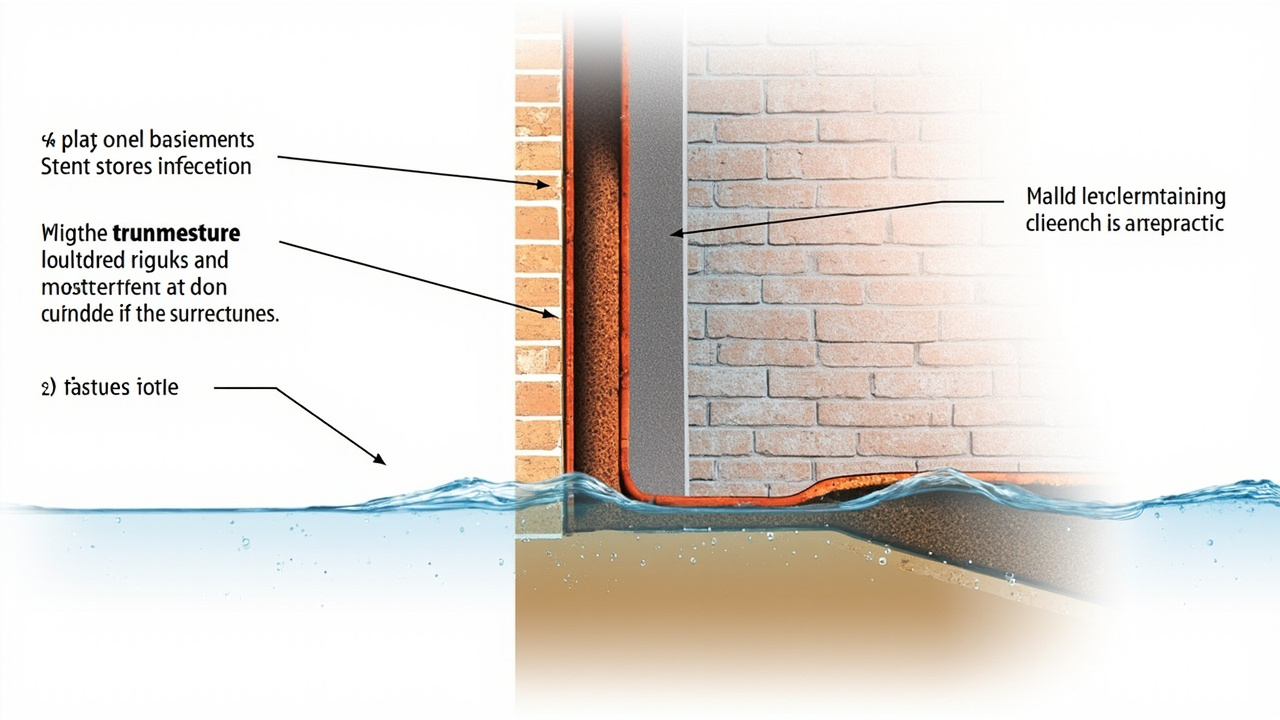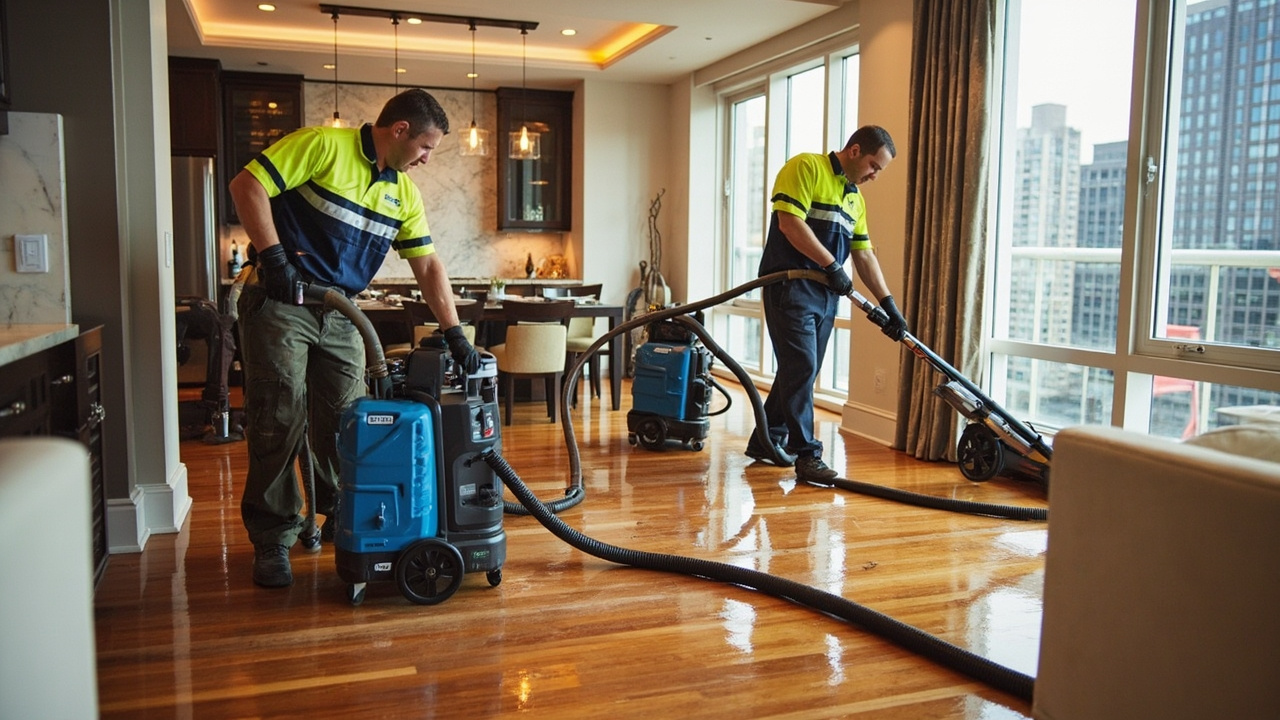






Chicago winters freeze the ground solid. When March arrives, that frozen soil thaws and groundwater floods basements across the North Side and Northwest Side. Older homes in neighborhoods like Portage Park and Irving Park were built before modern waterproofing standards existed. When groundwater rises, it seeps through foundation cracks and saturates hardwood floors from below. You will not see pooling water, but moisture meters will show saturation levels climbing in the subfloor and joists. Spring thaw is the peak season for wet hardwood flooring emergencies in Chicago.
Local building codes in Chicago require moisture barriers under new flooring installations, but homes built before 1980 rarely have them. If your home is in a historic district like Wicker Park or Andersonville, you may be dealing with original hardwood that has survived decades without proper moisture protection. We understand the construction methods used in different eras and how to dry these floors without damaging original craftsmanship. National restoration companies do not know the difference between a 1920s oak floor and modern engineered wood. We do, and it determines the drying strategy we use.