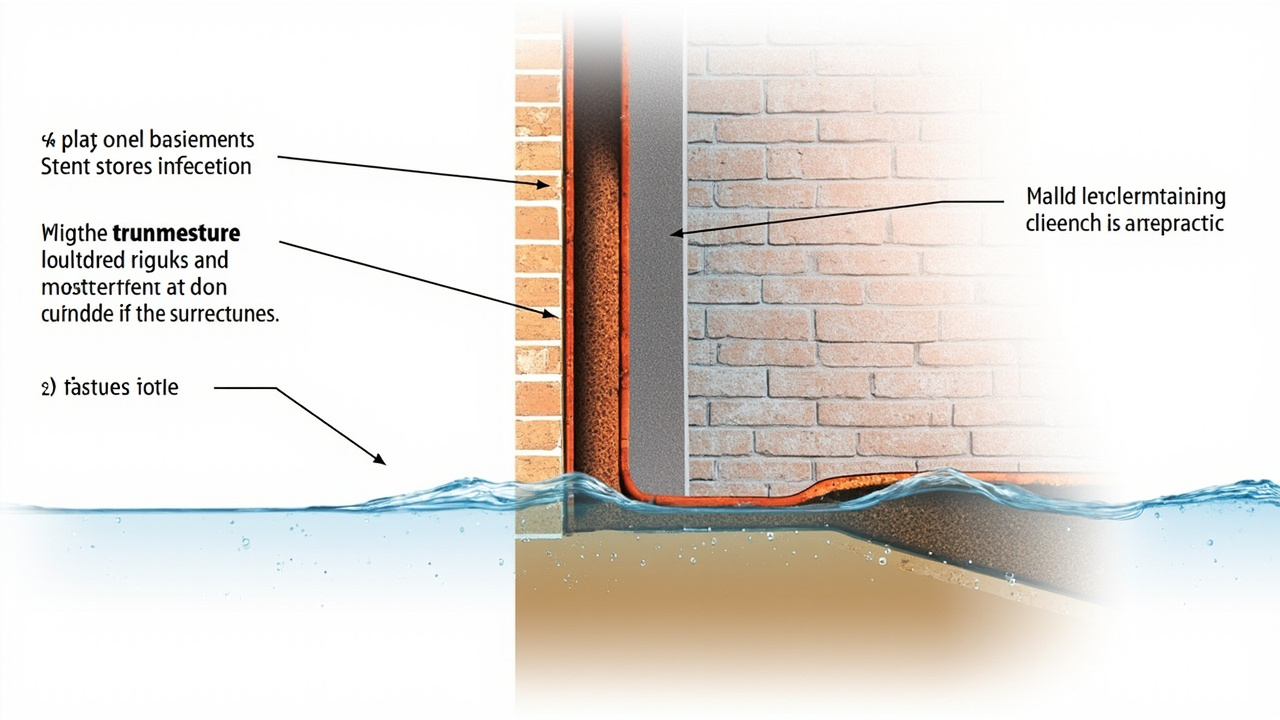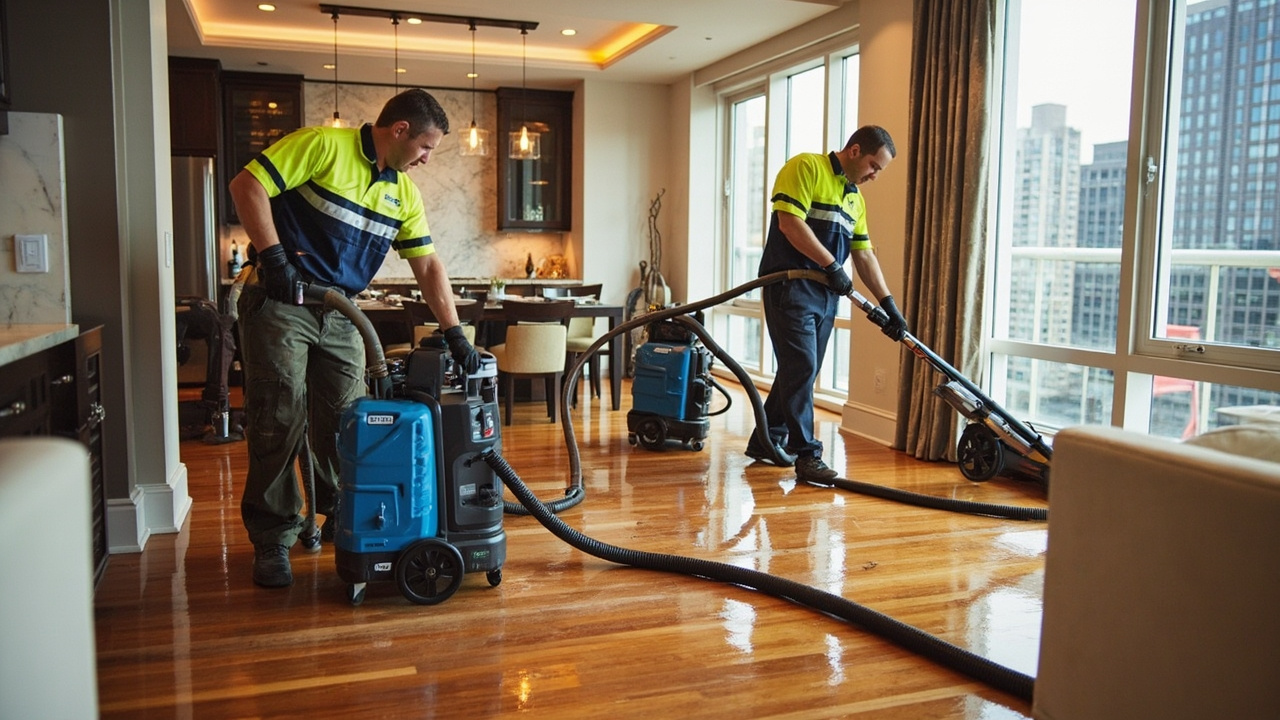






Chicago experiences some of the most extreme temperature swings in the country. A week of subzero wind chills followed by a sudden warm front creates the perfect storm for pipe failures. Water freezes inside pipes during cold snaps, then expands and cracks the pipe wall. When temperatures rise, the ice melts and water floods out through the fracture. This cycle repeats all winter, weakening pipes incrementally until they fail catastrophically. Homes built before 1970, especially brick bungalows and two-flats in neighborhoods like Pilsen and Logan Square, often have exposed pipes in exterior walls or uninsulated basements. Those are the first to freeze and burst. Emergency burst pipe water removal becomes critical because delays allow water to soak into lath-and-plaster walls, which hold moisture longer than modern drywall.
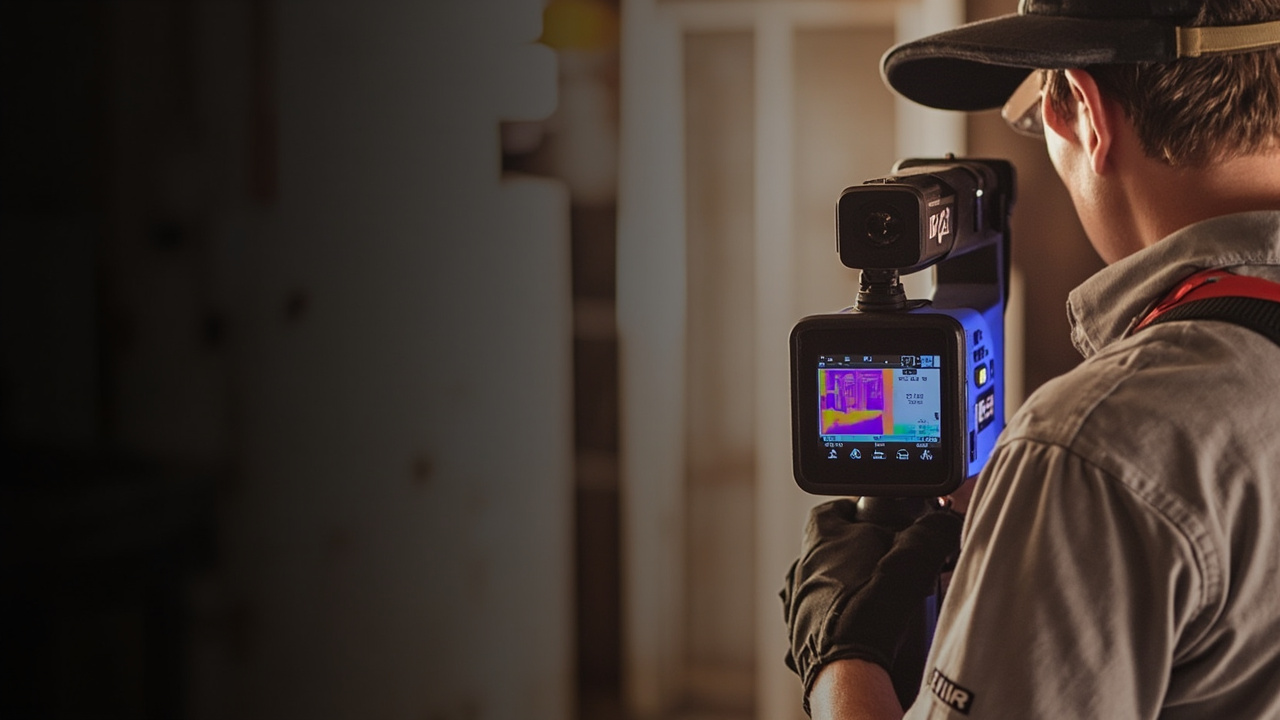
Chicago building codes require proper insulation around plumbing, but older properties were grandfathered in. That means thousands of homes and small commercial buildings still have vulnerable pipe runs. Local contractors who understand these construction patterns know where to check for hidden damage during frozen pipe burst remediation. We have worked with Chicago insurance adjusters for years, and they trust our documentation because we follow IICRC standards and provide detailed moisture maps. Choosing a local water damage restoration team means faster claim approvals and fewer disputes over coverage. We know what your adjuster expects to see, and we deliver it the first time.