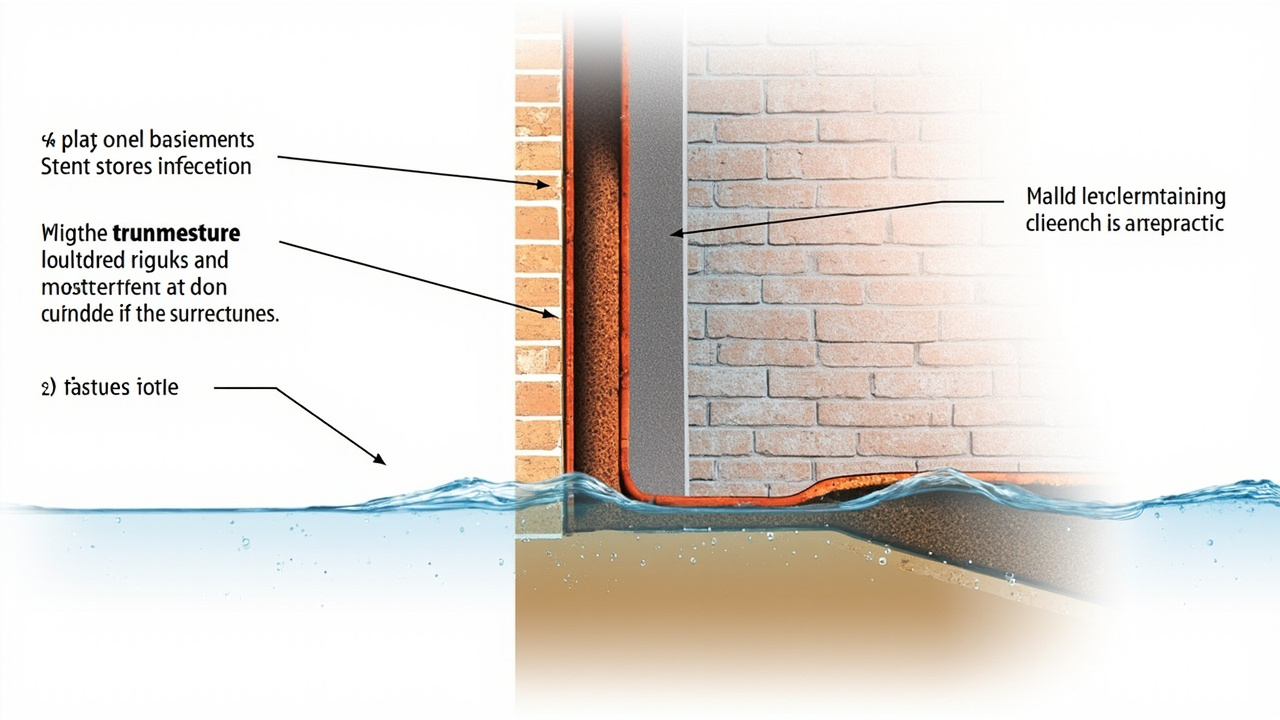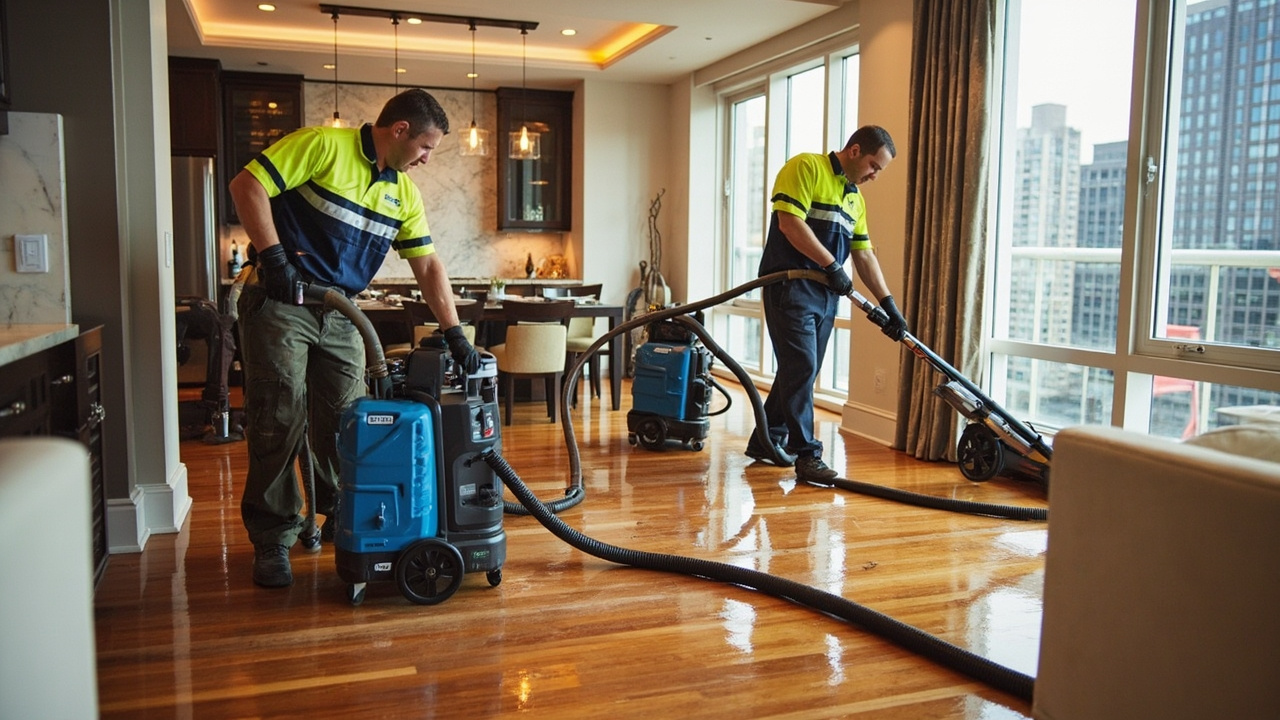






Chicago combines stormwater runoff and sanitary sewage in the same underground pipes across much of the city. During heavy rain events, this system overflows and backs up into basements through floor drains and toilets. The floodwater is not clean rainwater. It contains raw sewage, street chemicals, and bacteria that make every surface it touches a biohazard. Emergency water extraction must treat this as category 3 contaminated water requiring antimicrobial treatment and controlled demolition of porous materials. The city's flat grade and high water table mean this water sits in basements for extended periods, giving pathogens time to penetrate deep into concrete and wood framing. Standard cleaning is not enough. Water mitigation services must follow infectious waste protocols.
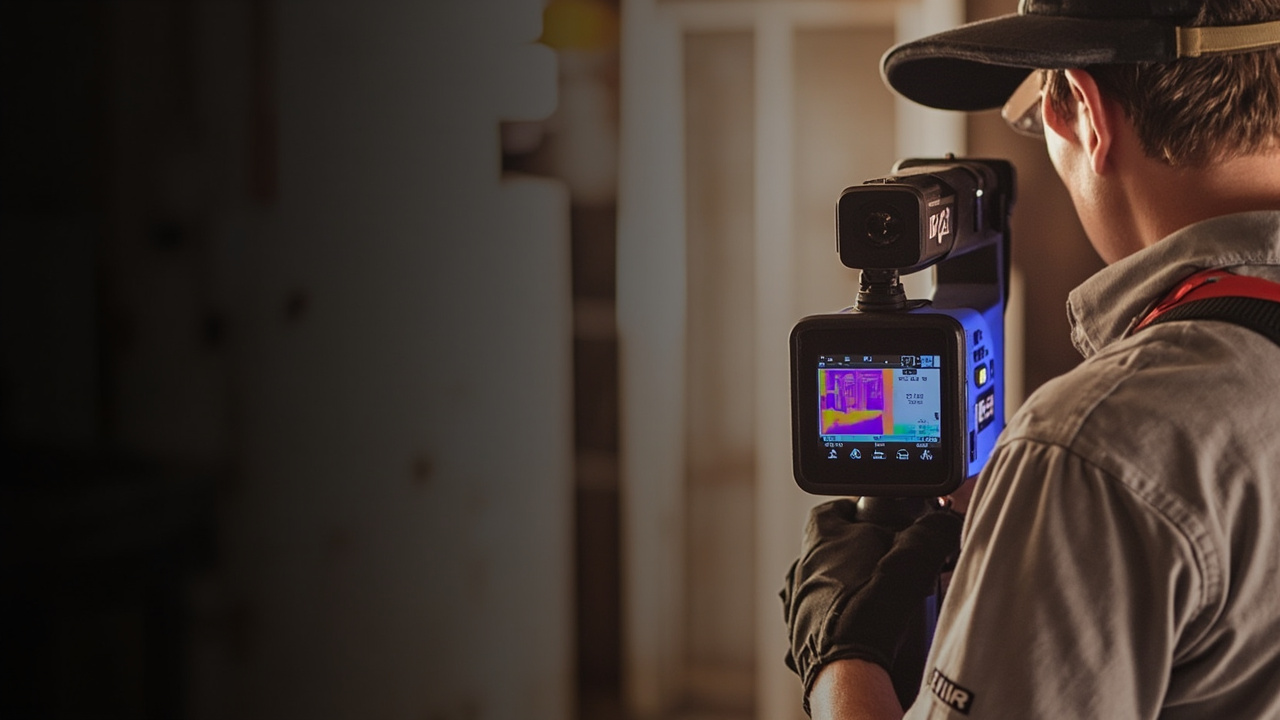
Chicago contractors who specialize in flood damage restoration understand the difference between a broken pipe and a sewer backup. We coordinate with the city's Department of Water Management to determine if the backup resulted from public infrastructure failure or private lateral problems. This distinction determines insurance coverage and liability. We document everything for both your homeowner's policy and potential claims against the city. Our teams train specifically on Chicago's plumbing codes and the unique challenges of restoring properties connected to combined sewer systems. We know which neighborhoods flood first, which streets have chronic backup problems, and how to install preventive systems that protect your property during the next storm.