



menu

Fire Sprinkler Water Cleanup in Chicago – Immediate Emergency Response 24/7/365

When fire suppression systems discharge unexpectedly, every minute counts. Our emergency sprinkler water removal teams arrive within 60 minutes across Chicago, preventing catastrophic structural damage and mold growth before they start.

Slider Image 1
Slider Image 2
Slider Image 3
Slider Image 4
Slider Image 5
Slider Image 7
Slider Image 8
Slider Image 9
Slider Image 10
Slider Image 11

Why Fire Sprinkler Discharges Cause Severe Damage in Chicago Buildings

A single activated fire sprinkler head releases 15 to 25 gallons of water per minute. In Chicago's older commercial buildings and high-rises, that water cascades through multiple floors, saturating drywall, insulation, and wood framing in minutes.

You're standing in your office or warehouse, staring at water pouring from the ceiling. The sprinkler head was bumped during a forklift operation, or the system malfunctioned during our brutal freeze-thaw cycles. Chicago's extreme temperature swings stress fire suppression systems year-round, especially in buildings along the Lake Michigan corridor where moisture penetration weakens pipe joints.

The problem extends beyond visible water. Fire suppression system water extraction must address hidden moisture that migrates into wall cavities and subfloors. Chicago's high humidity levels during summer months compound the problem. Within 24 to 48 hours, mold colonies establish in damp building materials. Within 72 hours, structural wood begins to warp and delaminate.

Accidental sprinkler discharge cleanup demands immediate action. Water from fire suppression systems often contains rust particles, biofilm, and sediment that sat in pipes for years. This contaminated water stains finishes and corrodes metal components faster than clean water.

Business owners in the Loop, River North, and industrial corridors near the Stevenson Expressway face additional pressure. Every hour of downtime costs revenue. Employees cannot work in flooded spaces. Insurance adjusters need documentation before you can begin repairs.

The first 60 minutes determine whether you face a manageable cleanup or a six-figure reconstruction project. Burst fire sprinkler flood remediation requires industrial-grade extraction equipment, commercial dehumidifiers, and structural drying expertise that most property managers don't keep on hand.

Why Fire Sprinkler Discharges Cause Severe Damage in Chicago Buildings
Our Fire Sprinkler Water Damage Restoration Process

Our Fire Sprinkler Water Damage Restoration Process

We treat fire sprinkler water damage differently than standard flooding because the variables change. The water source matters. Sprinkler water sits stagnant in pipes, often for years, collecting rust scale and bacterial growth. Our emergency sprinkler water removal protocol addresses both the volume and the contamination.

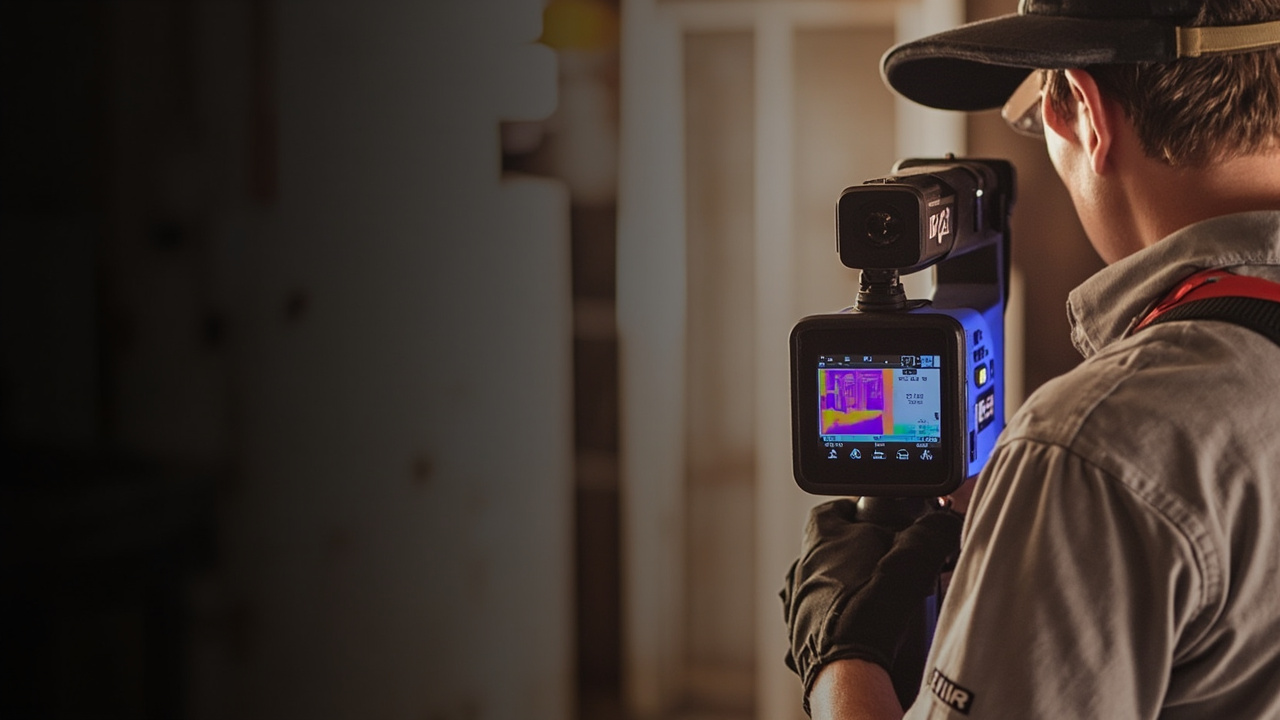
Our trucks carry truck-mounted extraction units that pull 150 gallons per minute. We deploy them first, removing standing water before it saturates additional materials. Gravity works against you in multi-story Chicago buildings. Water travels downward through floor penetrations, elevator shafts, and utility chases. We map the water migration path using thermal imaging cameras that detect moisture you cannot see.

Next, we address the hidden damage. Fire suppression system water extraction involves opening wall cavities at strategic points to confirm moisture levels. We use penetrating moisture meters that measure water content deep in wood studs and concrete. Chicago's masonry buildings present unique challenges. Water absorbed into brick and mortar takes longer to dry than wood-frame construction.

Our commercial dehumidifiers create negative pressure environments that force moisture out of building materials. We measure grain depression, the difference between ambient humidity and material moisture content. This tells us when drying is actually complete, not when surfaces feel dry to touch.

We document everything with photo evidence and moisture readings. Your insurance adjuster needs this data. We've worked with every major carrier operating in Chicago and understand their documentation requirements.

Temperature control matters during drying. We maintain spaces between 70 and 90 degrees Fahrenheit to optimize evaporation rates. Too cold, and drying stalls. Too hot, and you risk damaging finishes.

The final phase involves antimicrobial treatment on all affected surfaces. Even if mold hasn't appeared yet, we treat areas where fire sprinkler water damage restoration work occurred to prevent future growth.

What Happens During Emergency Sprinkler Water Removal

Fire Sprinkler Water Cleanup in Chicago – Immediate Emergency Response 24/7/365
01

Immediate Water Extraction

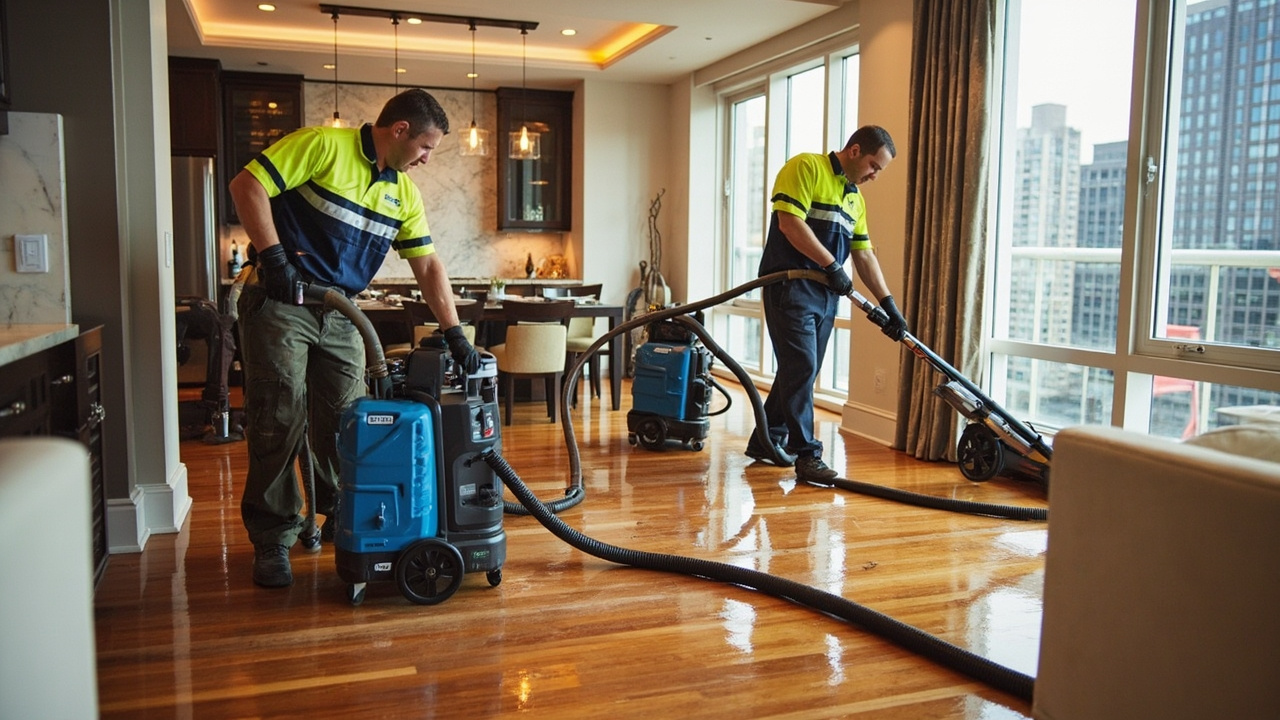
Our teams arrive with truck-mounted extractors and portable pumps capable of removing thousands of gallons per hour. We extract standing water first, then use weighted extraction tools on carpets and upholstery. This immediate response prevents water from wicking up walls and saturating additional materials. We photograph moisture patterns and document affected areas for your insurance claim before beginning extraction work.
02

Structural Moisture Mapping

After surface water removal, we use thermal imaging and penetrating moisture meters to find hidden water in wall cavities, subfloors, and ceiling plenums. Chicago's concrete and masonry construction hides moisture that standard meters miss. We mark affected areas with tape and take baseline readings at multiple depths. This data guides our drying equipment placement and helps us track progress throughout the restoration process.
03

Complete Structural Drying

We position commercial dehumidifiers and air movers based on moisture mapping data, creating optimal airflow patterns across wet surfaces. Our technicians return daily to take new moisture readings and adjust equipment as materials dry. We continue drying until moisture content returns to pre-loss levels, typically five to seven days for most structures. You receive a final moisture report confirming your building is dry and ready for reconstruction.

Why Chicago Property Managers Choose Cornerstone for Sprinkler Emergencies

Fire sprinkler systems are mandatory in Chicago buildings over 80 feet tall and in most commercial occupancies under the Illinois Fire Safety Code. We've responded to accidental discharges in high-rises along Wacker Drive, warehouse facilities in the Fulton Market District, and medical buildings in Streeterville. Our teams understand Chicago's building stock.

The city's construction timeline matters. Buildings erected before 1980 often have galvanized steel sprinkler pipes that corrode from the inside out. We've extracted rusty, discolored water from systems that haven't been flushed in decades. Newer buildings use CPVC or black steel pipes, but freeze damage remains common in parking garages and loading docks during January cold snaps.

Our response time beats national averages because we stage equipment throughout Cook County. We maintain trucks near O'Hare, in the South Loop, and along the I-294 corridor. When you call, the nearest available team rolls immediately. No waiting for crews to drive across the metro area.

We work directly with Chicago's commercial insurance adjusters. Many have our contact information saved because they know we document losses properly. We understand Xactimate estimating software and write scopes that match industry standards. This eliminates the back-and-forth delays that slow down other restoration companies.

Building code compliance matters during restoration. We coordinate with the Chicago Department of Buildings when necessary and understand permit requirements for reconstruction work. If structural repairs are needed, we connect you with licensed contractors who specialize in commercial restoration.

Our crews hold IICRC certifications in water damage restoration and applied structural drying. These aren't optional certifications. They represent hundreds of hours of training in psychrometry, moisture science, and proper drying protocols. You're not getting a crew with shop vacs and box fans. You're getting trained technicians with industrial equipment.

We also understand the pressure you're under. Tenants are calling. Your boss wants answers. The insurance company needs documentation. We provide updates throughout the process so you can manage expectations and keep stakeholders informed.

What to Expect During Fire Sprinkler Water Cleanup

60-Minute Emergency Response

We answer emergency calls 24 hours a day, 365 days per year. When you call our dispatch line at (872) 266-1616, you speak with a live person who gathers essential information and dispatches the nearest available crew. Our average response time across Chicago is under 60 minutes. For life-safety emergencies or situations involving critical infrastructure, we often arrive faster. Our trucks carry everything needed to begin water extraction immediately upon arrival. No waiting for equipment or return trips to the warehouse.

Comprehensive Damage Assessment

Before beginning restoration work, our project manager walks the entire affected area with you. We identify all damaged materials, test moisture levels in walls and floors, and check for potential safety hazards like compromised electrical systems. You receive a detailed scope of work that outlines what we'll do, how long it will take, and what areas require monitoring. We photograph everything and create floor plans showing moisture readings. This documentation supports your insurance claim and provides a baseline for measuring our progress throughout the drying process.

Complete Structural Drying

Our goal is returning your building to pre-loss condition. We don't stop drying when surfaces look dry. We continue until moisture meters confirm that wood framing, concrete, and other structural materials have returned to normal moisture content levels. You receive daily updates on drying progress and can review our moisture logs at any time. When drying is complete, we provide a certificate of completion that documents final moisture readings. This protects you if questions arise later about whether the building was properly dried.

Post-Restoration Monitoring

After completing structural drying, we offer optional follow-up inspections at 30 and 60 days. These visits confirm that no hidden moisture issues developed after equipment removal. While rare, some building materials in Chicago's humid climate can show delayed moisture problems. These follow-up inspections catch issues early, before they become expensive problems. We also provide recommendations for preventing future sprinkler system issues, including proper winterization procedures for buildings with unheated spaces and maintenance schedules for older fire suppression systems.

Frequently Asked Questions

You Have Questions,
We Have Answers

Is fire sprinkler water clean? +

No. Fire sprinkler water is not clean. It sits stagnant in pipes for months or years, collecting rust, bacteria, sediment, and biofilm. When sprinklers discharge, this contaminated water spreads across your Chicago property. The water often smells foul and appears black or brown. It can stain surfaces, damage electronics, and pose health risks. Wet building materials absorb this dirty water quickly, creating mold growth within 24 to 48 hours. You need professional extraction and antimicrobial treatment immediately. Do not attempt cleanup yourself. Call a certified water damage restoration company now to prevent secondary contamination and structural damage.

What is the 3 times rule for fire sprinklers? +

The 3 times rule states you need three times the water supply duration for effective fire suppression. For example, if your system requires 500 gallons per minute for 30 minutes, you need water available for 90 minutes total. This safety margin ensures continuous protection during firefighting operations. In Chicago high-rises and commercial buildings, this rule becomes critical during cold weather when municipal water pressure drops or pipes freeze. Building inspectors enforce this code requirement strictly. If your system discharged accidentally, restoration teams must verify the water source capacity during repairs to maintain code compliance and insurance coverage.

How often do sprinkler systems need to be flushed? +

Fire sprinkler systems require annual flushing at minimum, per NFPA 25 standards. Chicago commercial properties often flush quarterly due to older pipe infrastructure and sediment buildup from Lake Michigan water sources. High-rise buildings may flush more frequently. Flushing removes rust, scale, and bacterial growth that clogs sprinkler heads and contaminates discharge water. If your system discharged accidentally and released black water, sediment buildup was excessive. After water damage cleanup, schedule immediate system inspection and flushing. Neglected maintenance creates worse contamination during the next discharge. Ask your restoration company about coordinating with fire protection contractors for post-cleanup system servicing.

How to drain water from a fire sprinkler system? +

Draining a fire sprinkler system requires a licensed fire protection contractor in Chicago. Technicians close the main valve, open drain valves at the system's lowest point, and use air compressors to blow remaining water from pipes. You cannot drain it yourself. Improper draining leaves your property unprotected and violates fire codes. If your sprinklers discharged accidentally, call emergency water removal services first. Restoration crews extract standing water from floors and walls while contractors address the system. Both teams must work quickly in Chicago winters to prevent freeze damage in drained pipes. Never leave your system drained longer than necessary.

Why does fire sprinkler water smell bad? +

Fire sprinkler water smells terrible because it stagnates in pipes for years. Bacteria, rust, hydrogen sulfide gas, and decomposing biofilm create a rotten egg or sewage-like odor. Chicago buildings with older cast iron pipes produce especially foul-smelling discharge. The smell penetrates porous materials like drywall, insulation, and wood quickly. Standard cleaning cannot remove the odor. You need professional deodorization using hydroxyl generators or thermal fogging after water extraction. The smell also signals contamination requiring antimicrobial treatment. Do not ignore it. Call a water damage restoration company immediately to address both odor and contamination before mold amplifies the problem.

How long does it take to get 1 inch of water from a sprinkler? +

This question does not apply to fire sprinkler water cleanup emergencies. Fire sprinklers discharge approximately 15 to 30 gallons per minute per head, flooding spaces in minutes, not hours. If your Chicago property experienced accidental sprinkler discharge, you face rapid water accumulation requiring immediate professional extraction. One activated head can release hundreds of gallons before shutoff. Every minute delays mold growth, electrical hazards, and structural damage. Stop reading and call emergency water removal services now. Restoration teams arrive within 60 minutes, extract water, and begin drying to prevent total loss. Speed determines whether you repair or rebuild.

How Chicago's Building Age Affects Fire Sprinkler Water Damage

Chicago's commercial building stock predates modern fire suppression standards. The city's 1871 Great Fire led to aggressive sprinkler requirements, but many systems installed in the 1960s and 1970s are now reaching end-of-life. Galvanized pipes corrode internally, creating rust scale that contaminates discharge water. Buildings in the Loop and River North districts often have original sprinkler systems with 50-plus years of sediment buildup. When these systems discharge, the contaminated water creates staining problems that clean water doesn't cause. Emergency sprinkler water removal in older Chicago buildings requires specialized filtration during extraction to prevent spreading rust particles across surfaces.

Cornerstone Water Damage Restoration Chicago maintains relationships with commercial property management firms throughout Cook County. We understand the specific challenges facing Chicago building owners, from freeze protection requirements in parking structures to humidity control in Lake Michigan-adjacent properties. Our teams have cleared water from landmark buildings downtown and handled burst fire sprinkler flood remediation in industrial facilities near Midway Airport. We're familiar with Chicago Department of Buildings procedures and work efficiently with local code officials when restoration work requires permits or inspections.
Water Damage Restoration Services in The Chicago Area

Cornerstone proudly serves the entire Chicago area with fast, dependable water damage restoration services. Whether you’re located in downtown, the suburbs, or surrounding neighborhoods, we’re ready to respond to your call—day or night. Use the map below to see our local service coverage and find our nearest team. With mobile units throughout the city, help is never far away. If you’re facing water damage, reach out now and let us show you why homeowners and businesses choose Cornerstone.

Address:
Cornerstone Water Damage Restoration Chicago, 171 N Aberdeen St, Chicago, IL, 60607

Additional Services We Offer

Our news updates

Latest Articles & News from The Blogs

High Humidity and Mold Growth in Chicago Summers What Homeowners Need to Know Your basement smells musty. Your bathroom mirror…

Why high humidity in the Chicago summer makes water damage worse in Calumet Heights

High Humidity and Mold Growth in Chicago Summers What Homeowners Need to Know Your basement smells musty. Your bathroom mirror…

Managing water damage restoration in the high-end luxury builds of the Near North Side

Luxury Home Water Damage Restoration in Chicago's Near North Side A burst pipe at 2 AM in your Gold Coast…

How we use thermal imaging to find hidden leaks in West Ridge homes

Expert Infrared Leak Detection in Chicago Homes and Businesses A hidden pipe leak can destroy your property long before you…

Contact Us

Every minute of delay increases damage and recovery costs. Call Cornerstone Water Damage Restoration Chicago at (872) 266-1616 right now. Our emergency crews are standing by 24/7 with industrial extraction equipment ready to deploy across Chicago.