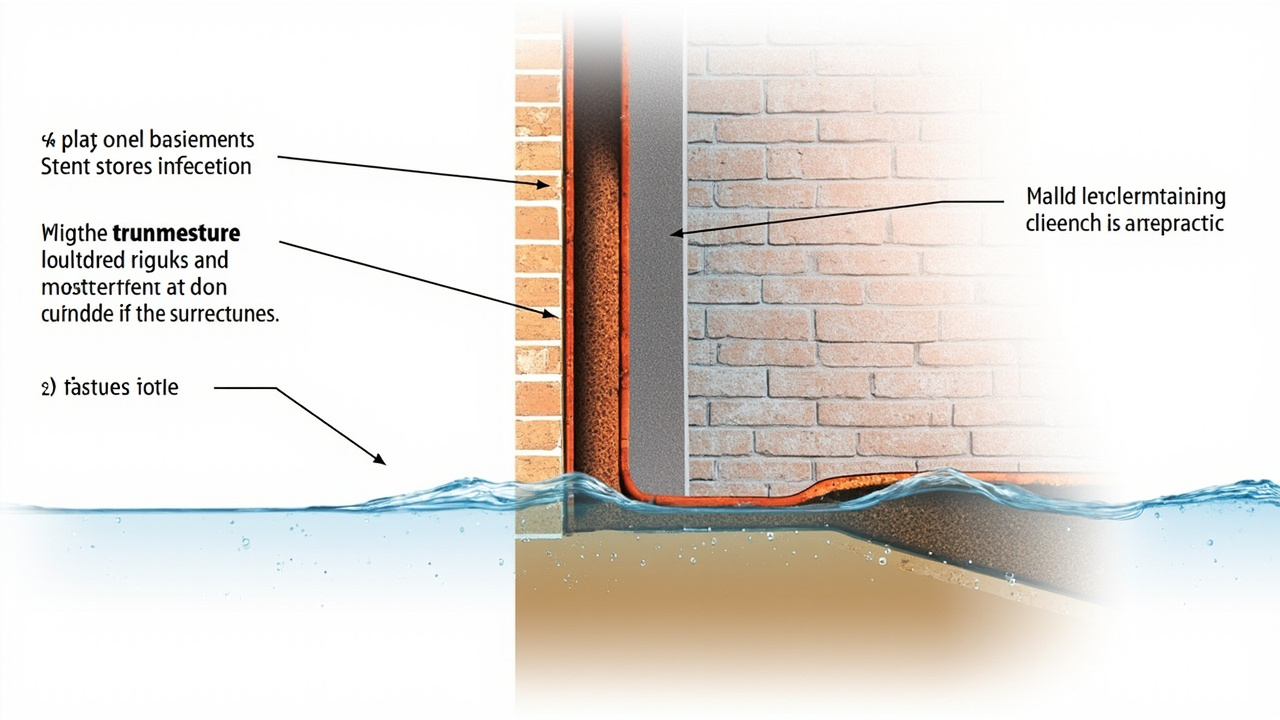






Chicago contains over 70,000 buildings constructed before 1940, many featuring balloon-frame construction that creates vertical channels from basement to attic. During a fire, these open wall cavities act as chimneys, pulling smoke and heat gases upward through multiple floors. A basement fire can deposit soot in third-floor closets through these hidden pathways. Older homes also used natural materials like horsehair plaster, cotton insulation, and jute carpet backing that absorb and retain smoke odors far more stubbornly than modern synthetic materials. These vintage construction methods require specialized fire restoration services that understand how smoke travels through historic buildings and which cleaning techniques will not damage irreplaceable architectural features.
The city's Department of Buildings enforces strict requirements for fire damage repairs in landmark districts and buildings over 80 years old. Restoration work must preserve original materials whenever possible, match historic finishes, and maintain architectural integrity while meeting current safety codes. Contractors lacking local experience often suggest demolition when proper cleaning and restoration would preserve historic value and avoid lengthy permit battles with the Landmarks Commission. Our teams work regularly with Chicago preservation architects and understand exactly which repairs require special permits, which materials qualify as period-appropriate replacements, and how to document restoration work to satisfy both insurance companies and city inspectors.