


menu

Emergency Sewage Cleanup in Chicago – Immediate Response Teams Deployed Within 60 Minutes

When raw sewage floods your property, every minute counts. Our certified emergency sewage removal crews arrive fast across Chicago's neighborhoods with truck-mounted extraction equipment and EPA-approved disinfectants to stop contamination before it spreads.

Slider Image 1
Slider Image 2
Slider Image 3
Slider Image 4
Slider Image 5
Slider Image 7
Slider Image 8
Slider Image 9
Slider Image 10
Slider Image 11

Why Sewage Backups Happen So Often in Chicago

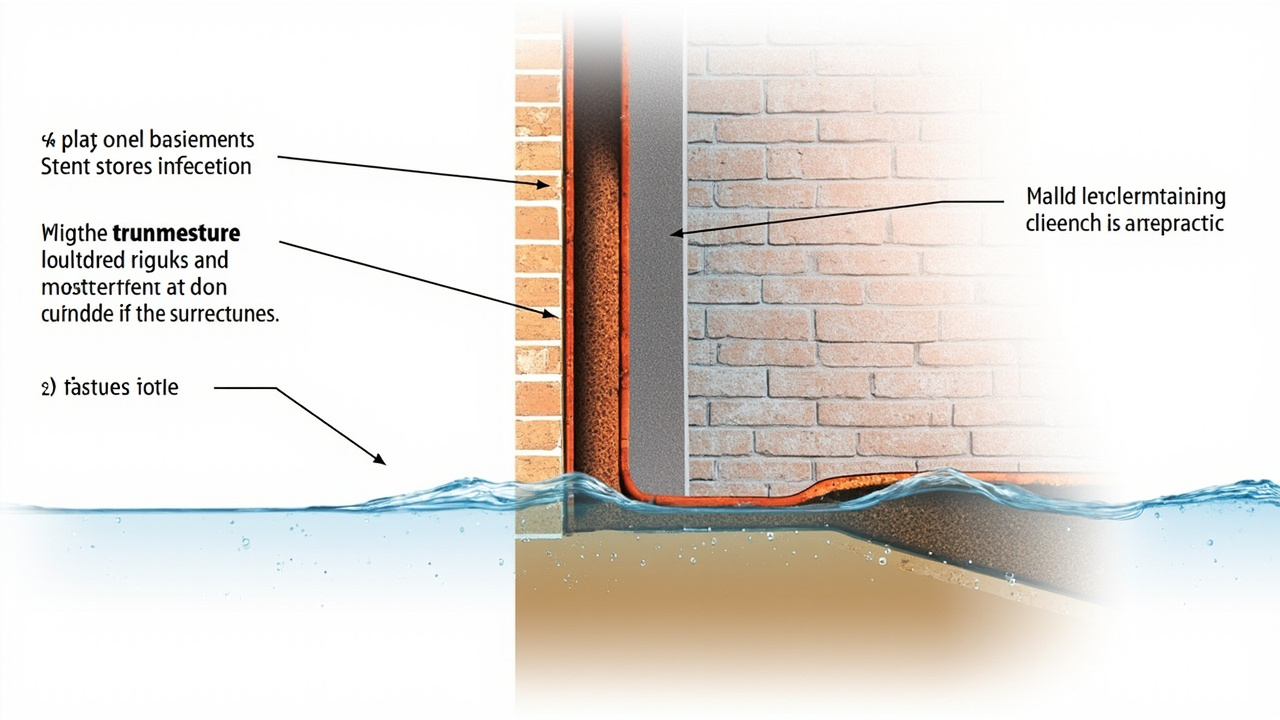
Chicago's combined sewer system, built over a century ago, was not designed for today's population density. When heavy rains overwhelm the system, sewage backs up through floor drains, toilets, and basement fixtures. It happens in Logan Square, Bucktown, and Near West Side basements every spring and fall.

The aging clay pipes beneath Chicago streets crack from freeze-thaw cycles. Tree roots from the city's mature parkway elms and maples infiltrate these cracks, creating blockages. When you flush or run water, it has nowhere to go but back into your property.

Raw sewage carries Category 3 contaminants. That means bacteria, viruses, and parasites that cause serious illness. E. coli, hepatitis A, and salmonella thrive in wastewater. You cannot clean this yourself with a mop and bleach. The contamination penetrates porous materials like drywall, wood framing, and concrete.

You need urgent sewer water cleanup the moment you see dark water or smell foul odors. Sewage backup cleanup requires negative air pressure containment, antimicrobial treatments, and proper disposal protocols. The longer contaminated water sits, the deeper it soaks into your subflooring and wall cavities.

Chicago's Department of Water Management does not cover interior damage from sewer backups. Your homeowner's policy may require a separate rider. Either way, you need 24 hour sewage extraction before mold colonizes in 48 hours and before pathogens spread to living areas where your family sleeps and eats.

Why Sewage Backups Happen So Often in Chicago
How Professional Raw Sewage Remediation Actually Works

How Professional Raw Sewage Remediation Actually Works

Emergency sewage removal starts with containment. We seal off the affected area with polyethylene barriers and establish negative air pressure using HEPA-filtered air scrubbers. This prevents airborne pathogens from migrating to clean zones.

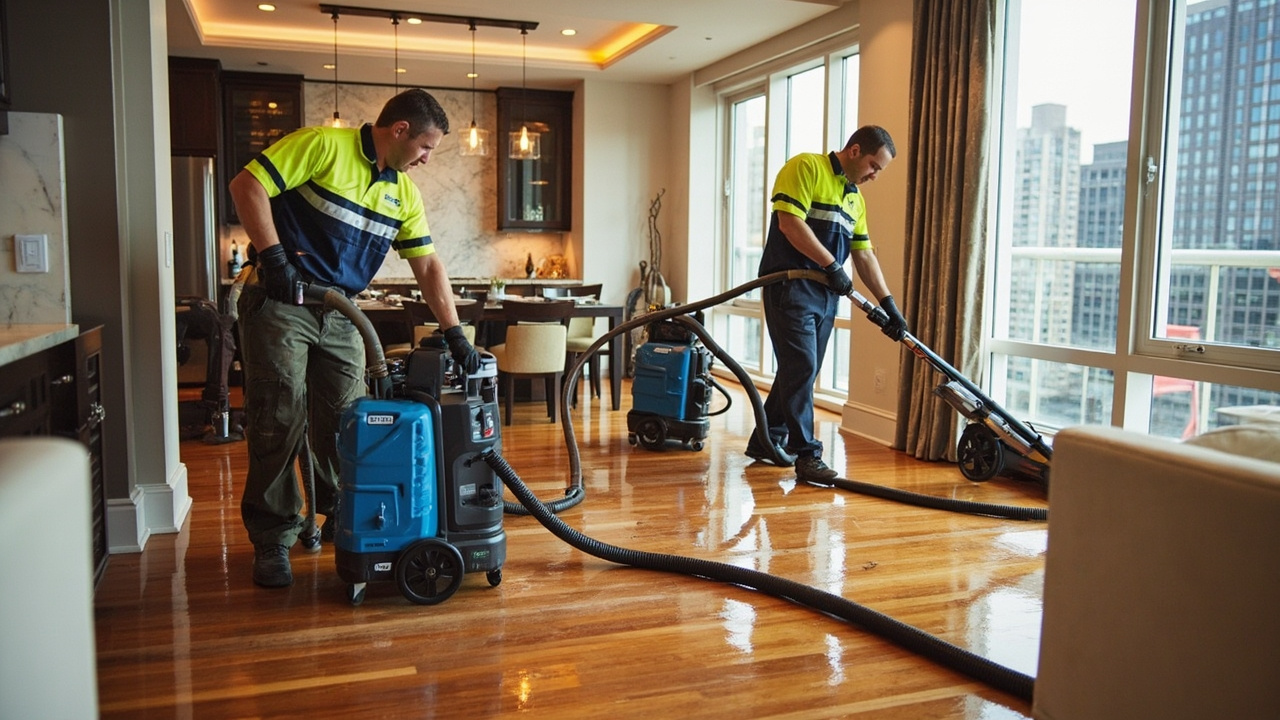
Our truck-mounted extractors remove standing sewage and sludge. These machines generate enough vacuum force to pull contaminated water from carpet padding, subflooring gaps, and concrete pores. We do not use shop vacs or sump pumps. Those spread contamination and lack proper filtration.

After extraction, we apply hospital-grade antimicrobial agents. These are EPA-registered disinfectants proven effective against sewage-borne pathogens. We fog all exposed surfaces, including wall cavities opened for inspection. The treatment kills bacteria on contact and provides residual protection during the drying phase.

We remove non-salvageable materials according to IICRC S500 standards. Drywall that contacted sewage gets cut 12 inches above the waterline. Carpet and padding go to the curb. Insulation inside walls gets pulled. Wood framing gets treated and tested before we allow it to stay.

High-velocity air movers and commercial dehumidifiers run for three to five days. We monitor moisture levels in framing and concrete with penetrating meters. Drying is not complete until readings match unaffected areas. Cutting corners here guarantees mold growth and structural rot within weeks.

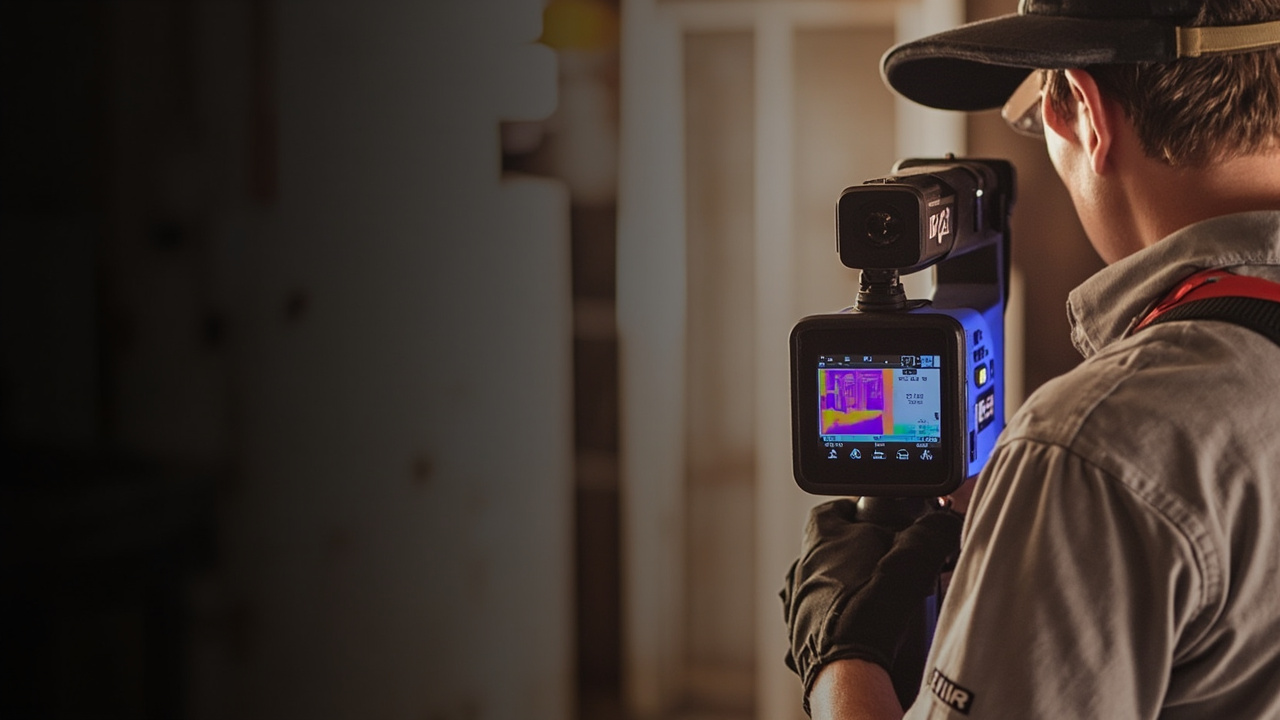
Cornerstone Water Damage Restoration Chicago uses thermal imaging to find hidden moisture pockets behind tile, under cabinets, and inside wall assemblies. We document everything for your insurance claim with photos, moisture logs, and equipment placement diagrams.

What Happens When You Call for Sewage Backup Cleanup

Emergency Sewage Cleanup in Chicago – Immediate Response Teams Deployed Within 60 Minutes
01

Dispatch and Containment

Our emergency line routes you to a crew supervisor, not an answering service. We ask about the water source, affected area size, and any safety hazards. A team typically arrives within 60 minutes across Chicago neighborhoods. Upon arrival, we cut power to affected circuits, establish containment barriers, and start extraction immediately to limit contamination spread.
02

Extraction and Disinfection

We remove all visible sewage using truck-mounted vacuums that filter and contain waste properly. After extraction, technicians apply EPA-registered antimicrobial treatments to all contaminated surfaces. We open wall cavities where moisture meters detect saturation. Non-salvageable materials get documented, removed, and disposed of according to Illinois EPA guidelines. Air scrubbers with HEPA filters run continuously during this phase.
03

Drying and Verification

Commercial-grade dehumidifiers and air movers run until moisture readings return to normal. We check levels twice daily and adjust equipment placement based on readings. Before leaving, we provide a detailed moisture map showing all areas returned to dry standard. You receive a completion certificate with before and after documentation for your insurance carrier and permanent records.

Why Chicago Property Owners Choose Cornerstone for Sewage Emergencies

Chicago's building stock is old. Most residential structures in Avondale, Pilsen, and Bridgeport were built between 1890 and 1940. These homes have galvanized pipes, clay sewer lines, and rubble foundations. Generic restoration companies treat every job the same. We understand how Chicago buildings are constructed and where sewage hides.

We know that Chicago's combined sewer system means your backup could contain street runoff and industrial waste, not just household sewage. That changes our disinfection protocols. We use stronger antimicrobials and longer contact times than companies trained in cities with separated sanitary systems.

Our crews carry containment materials, extraction equipment, and antimicrobial agents on every truck. We do not need to go back to a warehouse for supplies. When you call at 2 AM because your Lakeview basement is flooding with sewage, we arrive ready to work.

We work directly with Chicago-area insurance adjusters who know us by name. They trust our documentation because we follow IICRC protocols exactly. That means faster claim approval and fewer disputes over covered damages. We send moisture readings, thermal images, and itemized loss inventories within 24 hours of starting work.

Cornerstone Water Damage Restoration Chicago has cleaned sewage backups in Chicago homes and businesses for years. We have handled calls in every neighborhood from Rogers Park to Hegewisch. We know which streets flood during heavy rains. We know how old interceptor sewers fail. We know what Chicago's Department of Buildings expects during post-loss inspections. That local knowledge prevents mistakes that delay your recovery.

What to Expect During Emergency Sewage Cleanup

Arrival Time and Immediate Action

We dispatch crews within 15 minutes of your call. Most Chicago properties get service within 60 minutes, depending on traffic and weather. Our trucks carry everything needed to start work immediately. No waiting for equipment rentals or supply runs. The crew supervisor walks you through the plan before starting, explains safety precautions, and answers questions. We begin extraction and containment within minutes of arrival. Speed matters because sewage contamination worsens exponentially with time.

Damage Assessment and Scope

After initial containment, we inspect all affected areas with moisture meters and thermal cameras. We check inside walls, under cabinets, and beneath flooring. You get a written scope of work detailing what stays, what goes, and why. We document everything with photos and measurements. This assessment feeds directly into your insurance claim. We explain which materials are salvageable and which must be removed for health safety. You make the final decision, but we give you the facts.

Completion Standards and Results

We do not leave until moisture levels match unaffected areas. That takes three to five days for most basements. You receive daily updates showing progress with actual meter readings, not guesses. Before final walkthrough, we verify all contaminated materials are removed, all surfaces are disinfected, and no hidden moisture remains. You get a certificate of completion with documentation proving the space is safe for reconstruction. No odors, no contamination, no hidden problems.

Insurance Support and Documentation

We communicate directly with your insurance adjuster if you want. Our estimates include line-item descriptions, industry-standard pricing, and photographic evidence. Most claims close faster because we provide exactly what adjusters need. We have worked with every major carrier operating in Illinois. If your claim gets disputed, we provide additional documentation at no charge. We also offer direct billing options so you do not front thousands of dollars while waiting for claim approval.

Frequently Asked Questions

You Have Questions,
We Have Answers

What is considered a sewer emergency? +

A sewer emergency is any raw sewage backup or overflow into your Chicago home. This includes sewage rising through toilets, floor drains, or basement fixtures. Sewage contains dangerous pathogens and bacteria that threaten your family's health. Any visible wastewater inside living spaces demands immediate action. Chicago's aging combined sewer system can overwhelm during heavy storms, pushing raw sewage into homes. If you see water pooling with foul odor near drains, evacuate the area and call professionals immediately. Do not touch sewage water. Time matters because Category 3 contaminated water spreads harmful bacteria across surfaces within hours.

How much does sewage backup cleanup cost? +

Sewage cleanup costs vary based on contamination extent, affected square footage, and structural damage. Small bathroom backups typically cost less than flooded basements. Factors include water extraction volume, antimicrobial treatment needs, disposal fees, and material removal. Chicago's older housing stock often requires extensive structural drying. Most homeowners pay based on affected rooms and restoration complexity. Insurance often covers sudden backups if you have sewage backup coverage. Do not attempt DIY cleanup. Category 3 water requires professional protocols and equipment. Request detailed estimates from licensed restoration contractors before work begins. Cost should never delay emergency containment.

Does insurance cover sewage cleanup? +

Standard homeowners insurance does not automatically cover sewage backups. You need specific sewer backup or water backup coverage, typically a rider added to your policy. This optional coverage protects against drain or sewer backups into your Chicago home. Many insurers require separate endorsements for underground piping failures. Review your policy immediately. If you have coverage, document everything with photos before cleanup begins. Many policies cap payouts at specific limits. Sump pump failures may fall under separate coverage. Contact your insurance agent immediately after a sewage emergency to start your claim and clarify your coverage limits.

How to clean up backed up sewage? +

Never attempt sewage cleanup yourself. Raw sewage contains E. coli, hepatitis, and other pathogens requiring professional protocols. Evacuate the area immediately. Shut off electricity to affected areas if safe to access the panel. Do not touch contaminated water or materials. Call a certified sewage cleanup company operating 24/7 in Chicago. Professionals use commercial extractors, antimicrobial treatments, air scrubbers, and proper disposal methods. They follow IICRC standards for Category 3 water damage. DIY cleanup risks serious illness and inadequate decontamination. Insurance adjusters expect professional documentation. Speed matters because sewage spreads bacteria rapidly across porous surfaces.

How Chicago's Aging Infrastructure Makes Sewage Backups a Recurring Threat

Chicago maintains over 4,400 miles of sewer lines. Most were installed before 1950. The Metropolitan Water Reclamation District has documented over 15,000 catch basin failures and countless lateral line collapses in the past decade. When spring rains hit or when rapid snowmelt overwhelms the system, sewage pushes backward through the path of least resistance. That path is usually your basement floor drain. Neighborhoods near the Chicago River and branches of the North Shore Channel see the highest backup rates because they sit lowest in the drainage basin.

Chicago building codes require backwater valves on new construction, but most homes were built long before that mandate. Cornerstone Water Damage Restoration Chicago understands how Chicago's combined sewer overflows work and where high-risk properties sit. We have responded to backups in the same Portage Park and Jefferson Park blocks multiple times because the infrastructure simply cannot handle peak flows. Choosing a sewage cleanup company that knows Chicago geography and sewer districts means faster response and better preparation for future events.
Water Damage Restoration Services in The Chicago Area

Cornerstone proudly serves the entire Chicago area with fast, dependable water damage restoration services. Whether you’re located in downtown, the suburbs, or surrounding neighborhoods, we’re ready to respond to your call—day or night. Use the map below to see our local service coverage and find our nearest team. With mobile units throughout the city, help is never far away. If you’re facing water damage, reach out now and let us show you why homeowners and businesses choose Cornerstone.

Address:
Cornerstone Water Damage Restoration Chicago, 171 N Aberdeen St, Chicago, IL, 60607

Additional Services We Offer

Our news updates

Latest Articles & News from The Blogs

High Humidity and Mold Growth in Chicago Summers What Homeowners Need to Know Your basement smells musty. Your bathroom mirror…

Why high humidity in the Chicago summer makes water damage worse in Calumet Heights

High Humidity and Mold Growth in Chicago Summers What Homeowners Need to Know Your basement smells musty. Your bathroom mirror…

Managing water damage restoration in the high-end luxury builds of the Near North Side

Luxury Home Water Damage Restoration in Chicago's Near North Side A burst pipe at 2 AM in your Gold Coast…

How we use thermal imaging to find hidden leaks in West Ridge homes

Expert Infrared Leak Detection in Chicago Homes and Businesses A hidden pipe leak can destroy your property long before you…

Contact Us

Sewage contamination spreads fast. Do not wait. Our emergency crews are ready to respond right now. Call Cornerstone Water Damage Restoration Chicago at (872) 266-1616. We answer 24 hours a day, every day. Fast response limits damage, reduces costs, and protects your family from dangerous pathogens.