




menu

Emergency Mold Containment in Chicago – 24/7 Rapid Response Teams Dispatched in Under 60 Minutes

When toxic mold threatens your property, immediate mold mitigation saves your health and structure. Our emergency mold abatement crews deploy across Chicago with industrial containment barriers and HEPA filtration within the hour, stopping spore spread before it escalates.

Slider Image 1
Slider Image 2
Slider Image 3
Slider Image 4
Slider Image 5
Slider Image 7
Slider Image 8
Slider Image 9
Slider Image 10
Slider Image 11

Why Mold Spreads Fast in Chicago Properties

Chicago's climate creates perfect conditions for explosive mold growth. The humid summers along Lake Michigan combine with freeze-thaw cycles that crack foundations and rooflines, letting moisture penetrate basements, attics, and wall cavities. When a pipe bursts or a roof leaks during those brutal winter storms, you have 24 to 48 hours before mold colonies establish themselves.

You smell the musty odor. You see the black patches spreading across drywall. You feel the panic rising because you know mold releases mycotoxins that trigger respiratory distress, skin irritation, and chronic headaches. Your family is breathing contaminated air right now.

Urgent mold isolation matters because airborne spores travel through HVAC systems and settle in every room. What starts as a basement problem becomes a whole-house crisis in days. Chicago's older housing stock, particularly in neighborhoods like Logan Square and Pilsen, features balloon framing and plaster walls that hide moisture problems until mold growth explodes.

The longer you wait, the deeper mold penetrates porous materials. Drywall absorbs spores like a sponge. Wood framing becomes structurally compromised. Insulation turns into a breeding ground. You need immediate mold mitigation before remediation costs skyrocket and health risks multiply.

Rapid mold containment services stop the spread by creating negative air pressure barriers and removing contaminated materials before cross-contamination occurs. Every hour counts when protecting your property and the people inside it.

Why Mold Spreads Fast in Chicago Properties
How We Execute Emergency Mold Abatement Under Pressure

How We Execute Emergency Mold Abatement Under Pressure

We deploy advanced containment protocols the moment we arrive. Our teams establish physical barriers using six-mil polyethylene sheeting sealed with commercial-grade tape, creating isolated work zones that prevent spore migration. Negative air machines equipped with HEPA filters generate pressure differentials that pull air inward, trapping particles as small as 0.3 microns.

The containment area becomes a controlled environment. We shut down HVAC systems to stop air circulation, then install air scrubbers that cycle room air through multi-stage filtration. This creates what the industry calls a negative pressure envelope, an engineering control that makes cross-contamination physically impossible.

Our technicians wear full personal protective equipment including respirators, Tyvek suits, and nitrile gloves. We remove affected materials using HEPA vacuum attachments that capture particles during demolition. Contaminated drywall, insulation, and porous materials get double-bagged in heavy-duty disposal bags before removal through containment exits that prevent hallway exposure.

We apply antimicrobial solutions to remaining structural surfaces after material removal. These EPA-registered treatments penetrate wood framing and concrete, killing remaining spores and preventing regrowth. The chemistry matters. We use quaternary ammonium compounds for porous surfaces and sodium hypochlorite solutions for non-porous materials.

Air quality testing verifies clearance before we dismantle containment barriers. We measure airborne spore counts against outdoor baseline samples, documenting that indoor levels match or fall below exterior concentrations. This data proves your property is safe for reoccupation and provides documentation for insurance claims and future buyers.

What Happens During Your Emergency Mold Containment

Emergency Mold Containment in Chicago – 24/7 Rapid Response Teams Dispatched in Under 60 Minutes
01

Immediate Site Lockdown

Our crew arrives with containment materials and begins isolating the affected area within minutes. We seal doorways, close vents, and shut down air handlers to stop spore circulation. You see physical barriers go up immediately, creating separation between contaminated and clean zones. This rapid mold containment prevents the problem from spreading while we prepare for extraction work.
02

Controlled Material Removal

Inside the containment zone, technicians remove mold-damaged materials using HEPA-filtered equipment that captures particles during cutting and demolition. Wet wiping techniques keep dust suppressed. Contaminated materials move through dedicated exits into sealed bags, never touching clean areas. You watch systematic extraction that follows IICRC S520 standards for mold remediation, the industry protocol that ensures thorough removal.
03

Verified Clean Environment

After antimicrobial treatment and HEPA vacuuming, we conduct clearance testing using surface samples and air quality measurements. The data confirms spore counts have dropped to safe levels. We provide documentation showing your property passed post-remediation verification, giving you proof for insurance adjusters and peace of mind for your family. The containment barriers come down only after environmental testing proves the space is clean.

Why Chicago Properties Need Local Mold Containment Experts

Mold emergencies demand teams who understand Chicago's building characteristics. We work daily in the brick two-flats of Bridgeport, the vintage bungalows of Norwood Park, and the high-rises along the Magnificent Mile. Each structure type presents different containment challenges.

Chicago's older buildings have hidden cavities where mold spreads unseen. We know how to trace moisture through balloon-framed walls and locate colonies in crawl spaces above drop ceilings. That local knowledge prevents incomplete remediation that leads to recurring growth.

We navigate Chicago's municipal requirements for mold remediation. The city requires proper disposal of contaminated materials at approved facilities, and we maintain relationships with licensed waste haulers who handle asbestos and mold-affected debris. Your project stays compliant with local environmental regulations.

Our warehouse stocks industrial containment equipment year-round. When other companies wait for equipment rentals, we roll with negative air machines, HEPA air scrubbers, and professional-grade moisture meters already loaded in our trucks. That preparedness translates to faster response during peak demand periods when summer storms flood basements across the South Side.

We coordinate with Chicago-area industrial hygienists who provide independent clearance testing. These third-party labs give you unbiased verification that remediation succeeded, documentation that protects your property value and satisfies skeptical insurance adjusters.

Cornerstone Water Damage Restoration Chicago maintains relationships with local restoration contractors who handle reconstruction after we complete containment and remediation. You get seamless transitions from emergency response through final repairs, all coordinated by teams who communicate effectively because we work together regularly.

What to Expect During Emergency Mold Containment

Response Time and Availability

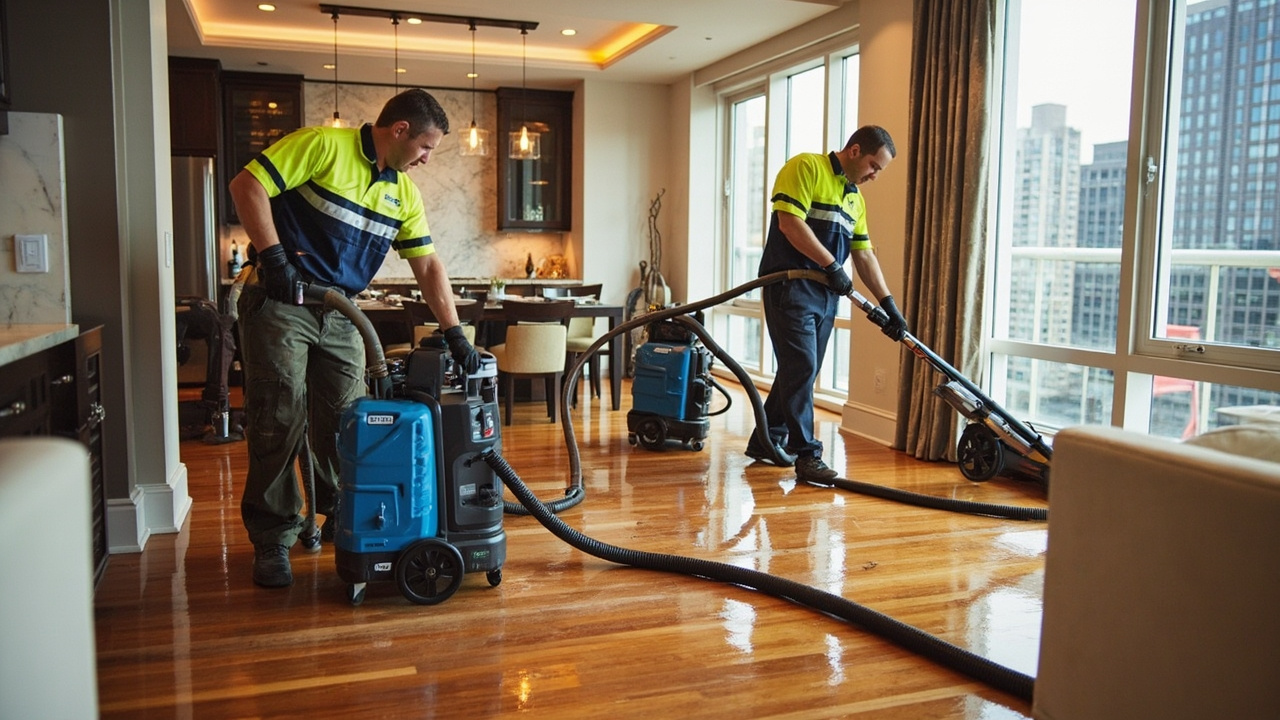
We answer emergency calls immediately, with technicians dispatched within 30 to 60 minutes across Chicago and surrounding suburbs. Our 24/7 mold damage containment means you get help at 2 AM on Sunday just as fast as Tuesday afternoon. The truck arrives with containment materials already loaded. Setup begins within minutes of arrival because we pre-stage equipment for rapid deployment. You see progress immediately, not hours of assessment before action starts. Night and weekend response carries no premium charges because mold growth does not respect business hours.

Initial Assessment and Containment Planning

Our lead technician walks the property with moisture meters and thermal imaging cameras, mapping the full extent of water intrusion and mold growth. You receive a clear explanation of what we found, where containment barriers will go, and which materials need removal. We document conditions with photos and measurements, creating records for insurance claims. The assessment takes 20 to 45 minutes depending on property size. You approve the containment plan before we seal the work area, so you understand exactly what happens next and why each step matters.

Containment Quality and Air Safety

Professional containment creates visible physical barriers you can see and air quality improvements you can feel. The musty odor stops spreading within hours as negative air machines pull contaminated air through HEPA filters. You notice cleaner air in adjacent rooms because our pressure differentials prevent spore migration. We use calibrated manometers to measure pressure differences, maintaining the negative pressure that keeps contamination locked inside work zones. After material removal and antimicrobial treatment, independent lab testing verifies spore counts match outdoor baseline levels before we remove barriers.

Post-Containment Documentation and Support

You receive comprehensive documentation including pre-remediation photos, moisture readings, materials removed, antimicrobial products applied, and post-remediation clearance test results. This paperwork supports insurance claims and provides disclosure documentation if you sell your property. We coordinate with your insurance adjuster, providing technical explanations and industry-standard justifications for the work performed. If follow-up questions arise months later, we maintain project files and remain available to discuss the remediation work. You get support that extends beyond the emergency response phase.

Frequently Asked Questions

You Have Questions,
We Have Answers

What is the proper containment for mold? +

Proper mold containment involves sealing the affected area with plastic sheeting and using negative air pressure to prevent spore spread. Professionals install HEPA-filtered air scrubbers to trap airborne spores while they work. All HVAC vents get sealed to stop contamination from traveling through your ductwork. In Chicago's older homes with basements and crawlspaces, containment becomes critical due to moisture issues from Lake Michigan humidity and aging infrastructure. Technicians create airlock entries and use zipper doors to move equipment safely. This physical barrier stops mold from reaching clean areas while remediation work happens. Do not attempt containment yourself during active growth.

What plant removes 78% of airborne mold? +

The English ivy plant removes approximately 78% of airborne mold spores in controlled laboratory conditions according to NASA studies. While this sounds promising, understand that houseplants cannot replace professional mold remediation. A plant works slowly and only affects a small area. Active mold growth in Chicago basements or attics requires immediate containment and removal, not botanical solutions. English ivy also requires humidity to thrive, which can worsen moisture problems in your home. If you have visible mold, call a certified remediation company immediately. Plants can help maintain air quality after professional removal, not replace it.

Does FEMA pay for mold remediation? +

FEMA does not typically pay for mold remediation unless the mold resulted directly from a federally declared disaster like flooding. Even then, coverage is limited and requires documentation proving the mold came from the disaster event, not pre-existing conditions. Chicago homeowners who experienced flooding during declared emergencies may qualify, but you must apply quickly and provide evidence. FEMA assistance is a grant, not a loan, but amounts are usually modest. Your homeowner's insurance is your first option for mold coverage. Many policies exclude mold unless it resulted from a covered peril like a burst pipe or storm damage.

Is mold an OSHA violation? +

Yes, mold can trigger OSHA violations if workplace exposure exceeds safe limits or employers fail to protect workers. OSHA does not have a specific mold standard, but it enforces general duty clauses requiring safe work environments. Chicago commercial properties with visible mold growth must address it or risk citations, especially in warehouses, offices, or industrial spaces near the Chicago River or lakefront where humidity is higher. Employers must provide respiratory protection and containment procedures during remediation. If workers report respiratory issues or allergic reactions from mold exposure, OSHA can investigate and issue penalties for inadequate response.

What kills mold spores instantly? +

Nothing kills mold spores instantly in real-world applications. Bleach, hydrogen peroxide, and commercial biocides kill surface mold quickly but require contact time, usually 10 to 15 minutes. Bleach works on non-porous surfaces like tile but cannot penetrate porous materials like drywall or wood common in Chicago homes. Heat above 140 degrees Fahrenheit kills mold, but you cannot safely apply that to most building materials. Professional remediation uses EPA-registered antimicrobials combined with physical removal. The key is removing the mold and fixing the moisture source. Killing spores without removal leaves dead spores that still trigger allergies.

How long are mold spores airborne after cleaning? +

Mold spores can remain airborne for 24 to 48 hours after cleaning, depending on air movement and ventilation. In Chicago's humid climate, especially during summer months, spores settle slower due to moisture in the air. Proper containment with HEPA air scrubbers captures spores during and after cleaning. Without containment, disturbed spores spread throughout your home and resettle on clean surfaces. This is why professional remediation runs air scrubbers for 24 to 72 hours after physical removal. Opening windows during cleaning seems helpful but can spread spores to other rooms or neighboring units in Chicago's dense residential areas.

What pulls mold out of the air? +

HEPA-filtered air scrubbers and purifiers pull mold spores from the air. HEPA filters trap 99.97% of particles 0.3 microns or larger, which includes most mold spores. Professional remediation teams use industrial air scrubbers that process hundreds of cubic feet per minute. Consumer-grade HEPA purifiers help maintain air quality but lack the power for active remediation. In Chicago homes with forced-air systems, upgrading to HEPA furnace filters helps between professional cleanings. Negative air machines create pressure differences that pull contaminated air out of sealed containment areas. Regular HVAC filters do not capture mold spores effectively.

Is it true that English ivy absorbs mold? +

Yes, English ivy absorbs airborne mold spores according to research, but this does not mean it removes mold infestations. The plant filters air slowly in small spaces under ideal conditions. Chicago homeowners with basement mold or attic contamination need professional containment and removal, not houseplants. English ivy requires high humidity to thrive, which can worsen the moisture conditions that caused your mold problem. Plants cannot access mold growing inside walls, under flooring, or in HVAC ducts. Use English ivy as part of healthy indoor air maintenance after professional remediation, not as a substitute for proper containment and removal.

What plant does NASA use to clean air? +

NASA research highlights several air-cleaning plants including peace lilies, spider plants, and snake plants. The 1989 Clean Air Study tested plants in sealed chambers for pollution removal. Peace lilies ranked high for removing mold spores, formaldehyde, and benzene. However, NASA tested plants in space station conditions, not real homes. Chicago homeowners need dozens of plants per room to match NASA results. If you have active mold growth from basement flooding, roof leaks, or plumbing failures, plants cannot replace professional remediation. Use air-cleaning plants after you fix moisture problems and remove existing mold.

What to do if I can't afford mold removal? +

If you cannot afford professional mold removal, address the moisture source immediately to stop growth. Fix leaking pipes, improve ventilation, and use dehumidifiers to drop humidity below 50%. Small surface mold on non-porous materials like tile can be cleaned with detergent and water. Chicago residents can contact the city's housing department for assistance with code violations. Some homeowner's insurance policies cover mold from sudden water damage. Apply for payment plans with remediation companies. For health concerns, prioritize containment in one room and seal it off until you can afford removal. Do not ignore widespread growth in living spaces.

How Lake Michigan Humidity Accelerates Mold Growth in Chicago Properties

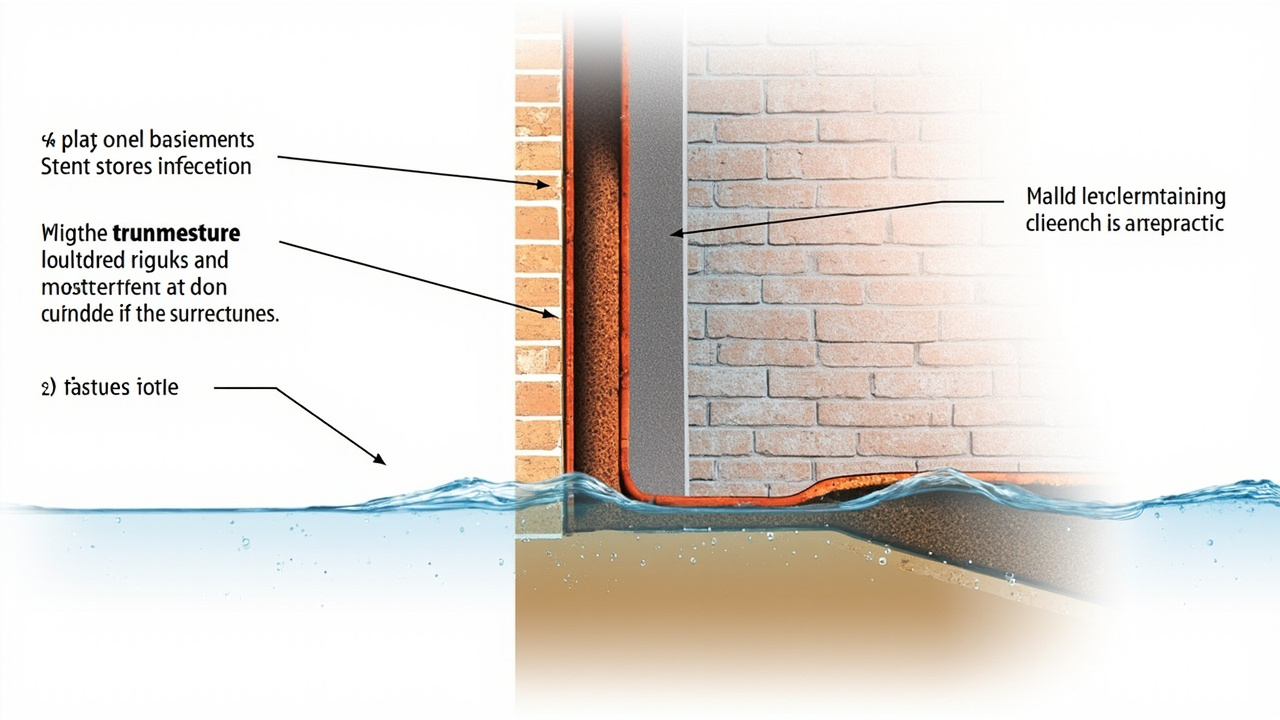
Chicago's proximity to Lake Michigan creates elevated humidity levels that fuel rapid mold colonization after water intrusion. Summer dew points regularly exceed 65 degrees, maintaining indoor relative humidity above 60 percent in properties without aggressive dehumidification. When basements flood during those intense July thunderstorms or pipes burst during February deep freezes, spores germinate within 24 hours in these humid conditions. The lake effect intensifies moisture problems in neighborhoods from Edgewater to Hyde Park, where older buildings lack vapor barriers and modern moisture control systems. Emergency mold containment becomes critical because Chicago's climate allows mold to establish colonies faster than in drier regions.

Our teams understand Chicago's building code requirements for mold remediation and the permit processes specific to Cook County. We work regularly with city inspectors who verify containment protocols on commercial projects, and we maintain the documentation standards they expect. Chicago property owners benefit from our relationships with local environmental testing labs who provide fast turnaround on clearance samples, often within 24 to 48 hours rather than the week-long waits common with out-of-state labs. That local infrastructure means faster project completion and quicker return to normal operations. When you choose Cornerstone Water Damage Restoration Chicago for urgent mold isolation, you get teams who navigate local regulations efficiently because we work in this city every single day.
Water Damage Restoration Services in The Chicago Area

Cornerstone proudly serves the entire Chicago area with fast, dependable water damage restoration services. Whether you’re located in downtown, the suburbs, or surrounding neighborhoods, we’re ready to respond to your call—day or night. Use the map below to see our local service coverage and find our nearest team. With mobile units throughout the city, help is never far away. If you’re facing water damage, reach out now and let us show you why homeowners and businesses choose Cornerstone.

Address:
Cornerstone Water Damage Restoration Chicago, 171 N Aberdeen St, Chicago, IL, 60607

Additional Services We Offer

Our news updates

Latest Articles & News from The Blogs

High Humidity and Mold Growth in Chicago Summers What Homeowners Need to Know Your basement smells musty. Your bathroom mirror…

Why high humidity in the Chicago summer makes water damage worse in Calumet Heights

High Humidity and Mold Growth in Chicago Summers What Homeowners Need to Know Your basement smells musty. Your bathroom mirror…

Managing water damage restoration in the high-end luxury builds of the Near North Side

Luxury Home Water Damage Restoration in Chicago's Near North Side A burst pipe at 2 AM in your Gold Coast…

How we use thermal imaging to find hidden leaks in West Ridge homes

Expert Infrared Leak Detection in Chicago Homes and Businesses A hidden pipe leak can destroy your property long before you…

Contact Us

Every hour increases health risks and remediation costs. Call (872) 266-1616 now for immediate dispatch. Our emergency mold containment teams deploy across Chicago 24/7 with industrial barriers and HEPA filtration. We answer immediately and arrive fast.