



menu

Emergency Dehumidifier Rental in Chicago – Delivered in 2 Hours or Less

When water invades your property, every minute counts. We deliver commercial and industrial dehumidifiers 24/7 across Chicago, with rapid dispatch to stop mold, prevent structural damage, and get you back online fast.

Slider Image 1
Slider Image 2
Slider Image 3
Slider Image 4
Slider Image 5
Slider Image 7
Slider Image 8
Slider Image 9
Slider Image 10
Slider Image 11

Water Damage in Chicago Does Not Wait for Business Hours

Chicago's proximity to Lake Michigan creates year-round moisture challenges. High humidity in summer combines with freeze-thaw cycles in winter to create the perfect conditions for rapid water intrusion. When your basement floods at 2 AM, when a burst pipe soaks your warehouse on Sunday, or when a roof leak saturates your office during a holiday weekend, you need a commercial dehumidifier rental immediately.

Waiting until morning costs you. Mold begins colonizing within 24 hours. Hardwood floors buckle. Drywall loses structural integrity. Inventory becomes unsalvageable. Every hour of delay multiplies your loss.

You need industrial drying equipment on-site now. Not tomorrow. Not when the rental center opens Monday. Now.

Chicago's older building stock, especially in neighborhoods like Lincoln Park, Wicker Park, and Hyde Park, features dense plaster walls and solid masonry that trap moisture. Standard box fans from the hardware store will not cut it. You need industrial dehumidifier for rent equipment rated for commercial water extraction, capable of pulling 150 to 300 pints per day.

This is not a DIY situation. You need 24 hour dehumidifier rental with proper CFM ratings, proper placement strategy, and proper moisture monitoring. You need flood dehumidifier rental backed by certified water damage technicians who understand psychrometrics, not just equipment drop-off.

Cornerstone Water Damage Restoration Chicago keeps commercial drying equipment rental units staged across the metro for immediate deployment. We do not make you wait.

Water Damage in Chicago Does Not Wait for Business Hours
How Professional Dehumidifier Rental Stops Damage Fast

How Professional Dehumidifier Rental Stops Damage Fast

We do not just drop off a machine and leave. Emergency water damage requires precision equipment placement, airflow management, and continuous monitoring to prevent secondary damage.

First, we assess the water classification. Clean water from a supply line requires different drying protocols than gray water from a washing machine overflow or black water from a sewer backup. We measure ambient temperature, relative humidity, and material moisture content using thermo-hygrometers and moisture meters. This tells us exactly how many dehumidifiers you need and where to place them.

Next, we calculate the grain depression required. Chicago's summer humidity can sit at 70 to 80 percent. To create effective drying, we need to drop the grains per pound in the air low enough to pull moisture from saturated materials. This requires staged dehumidification, not random equipment placement.

We deploy low-grain refrigerant dehumidifiers for standard water damage or desiccant dehumidifiers for deep drying in cold basements or when materials are below 60 degrees. We pair dehumidifiers with air movers to create proper circulation and prevent condensation on cold surfaces.

We monitor drying progress daily. Moisture meters track structural drying. If readings plateau, we adjust equipment placement or add capacity. The goal is complete drying, not just surface drying.

You get detailed moisture logs for your insurance claim. You get a drying timeline based on real data. You get equipment swapped or pulled when the job is done, not when the rental period expires. This is industrial water damage mitigation, not a consumer rental transaction.

What Happens When You Call for Emergency Equipment

Emergency Dehumidifier Rental in Chicago – Delivered in 2 Hours or Less
01

Immediate Dispatch

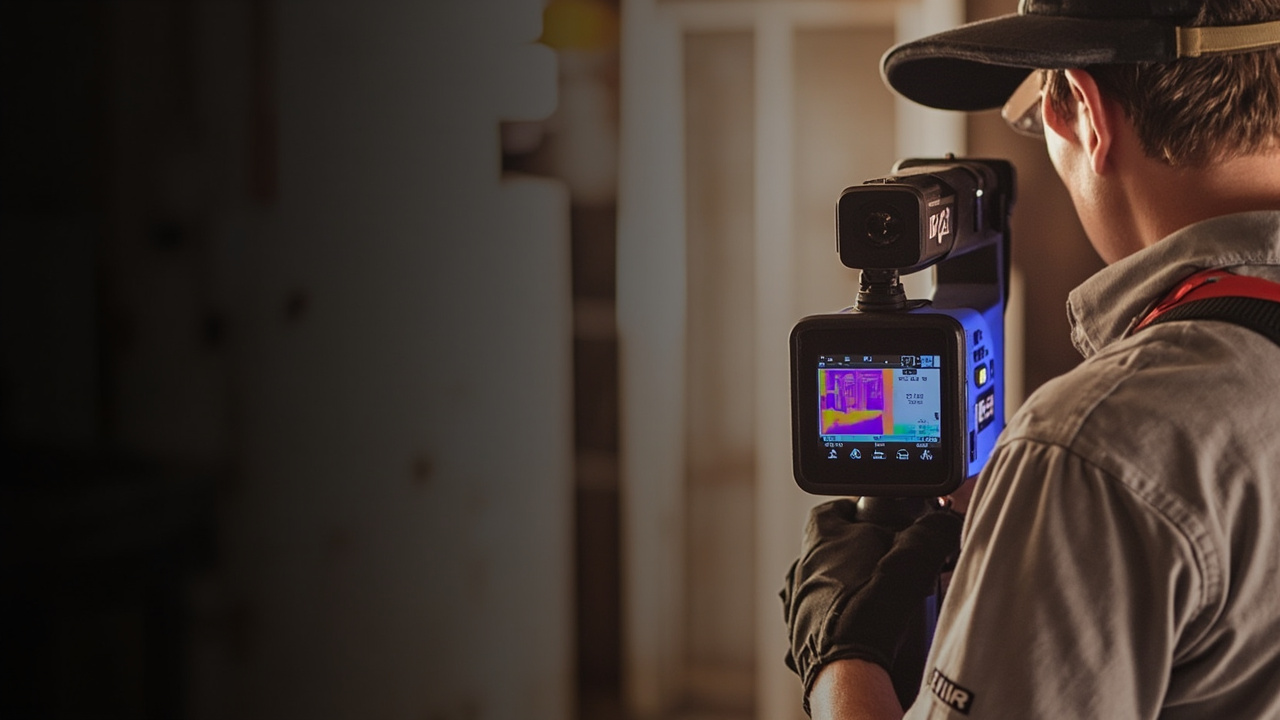
When you call, we deploy a technician and equipment within two hours. We keep commercial dehumidifiers staged in Chicago, so there is no waiting for inventory transfers. You get an ETA immediately. The technician arrives with moisture meters, thermal imaging cameras, and the first round of drying equipment. We start extraction and dehumidification the moment we walk through the door.
02

Equipment Staging and Monitoring

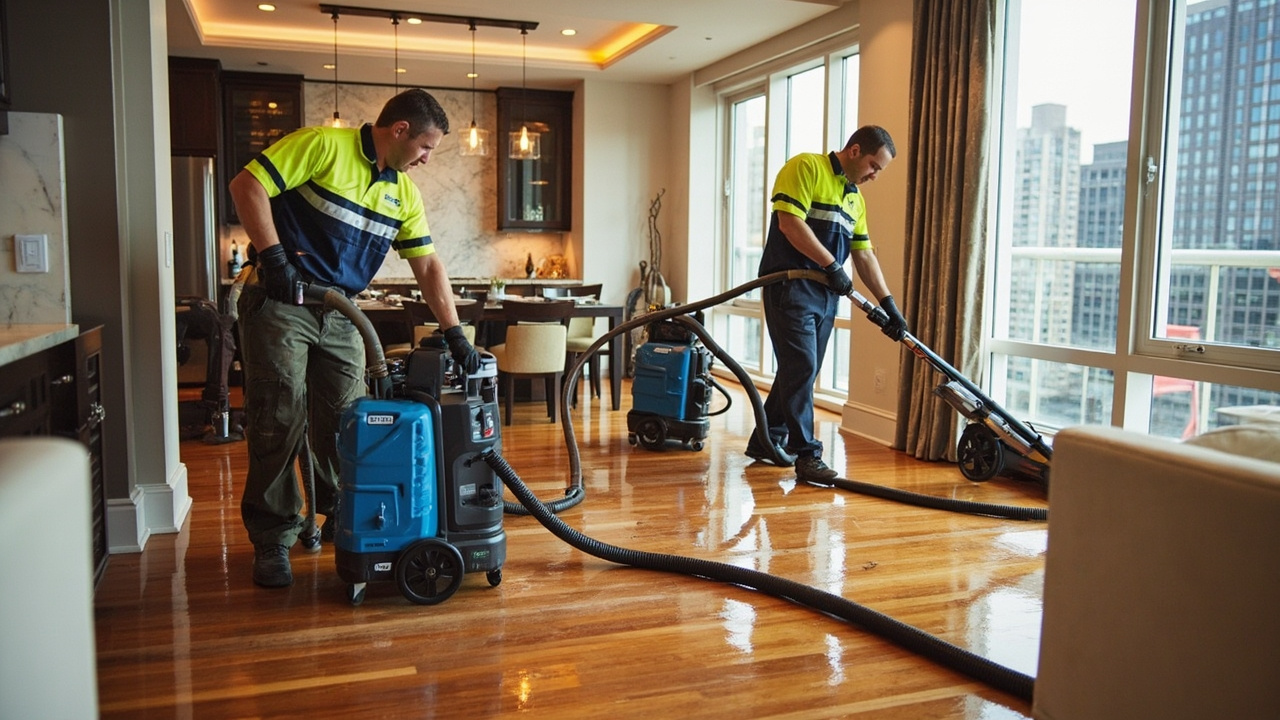
We calculate your drying chamber size and place dehumidifiers strategically to maximize airflow and moisture removal. Air movers create circulation. Dehumidifiers pull moisture from the air. We seal off unaffected areas to concentrate drying power. We take initial moisture readings and document them for your insurance adjuster. Equipment runs continuously. We return daily to check progress and adjust placement as materials dry.
03

Verification and Equipment Retrieval

When moisture readings hit acceptable levels, we document the final readings and pull the equipment. You get a complete drying log showing daily progress. This proves to your insurance company that drying was done correctly. We do not leave equipment running longer than necessary. You do not pay rental fees after the job is done. The space is dry, documented, and ready for reconstruction.

Why Chicago Properties Need Local Water Damage Experts

Chicago is not Phoenix. Chicago is not Miami. The drying protocols that work in dry climates or subtropical climates fail here. Chicago has cold winters, humid summers, and older construction that requires specific drying strategies.

Brick two-flats in neighborhoods like Pilsen and Bridgeport have solid masonry walls. Water migrates through brick and plaster differently than through drywall. You cannot just point a fan at the wall and call it done. You need controlled drying to prevent efflorescence, spalling, and structural compromise.

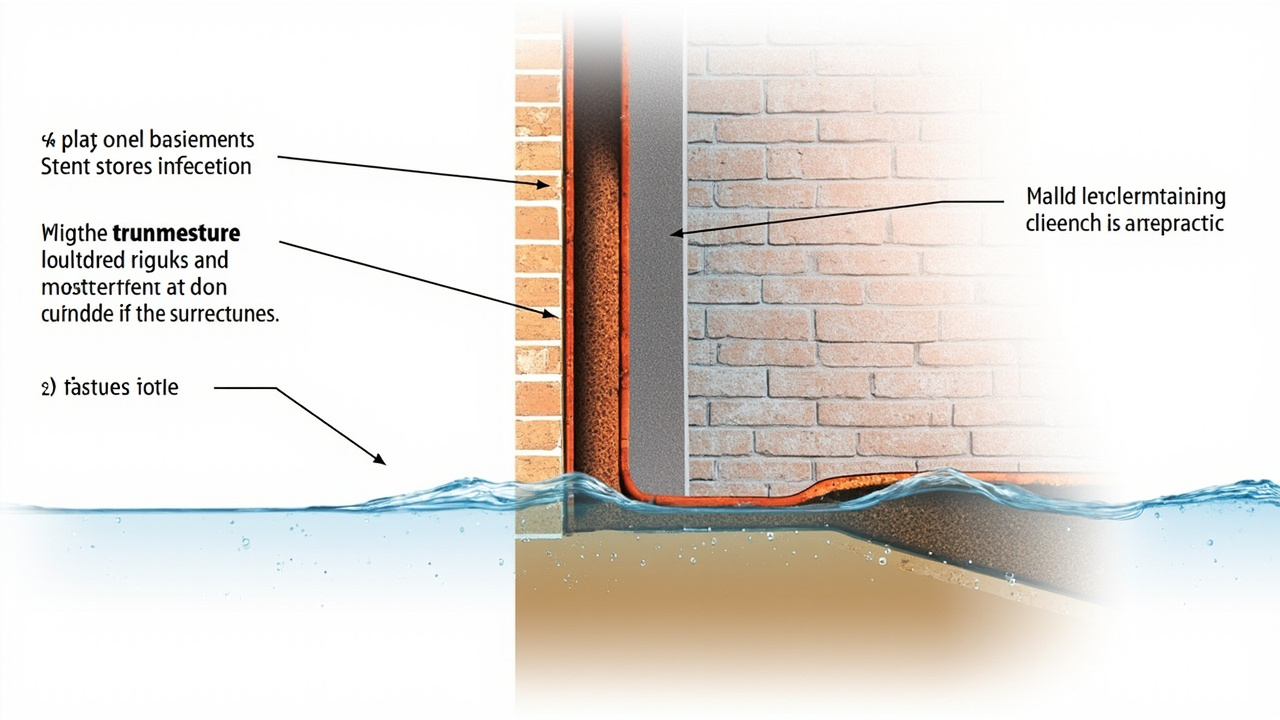
Chicago's freeze-thaw cycles mean basement walls absorb ground moisture during spring thaw. Lake effect weather brings sudden heavy rains. The Clay soil under much of Chicago expands and contracts, creating hydrostatic pressure against foundation walls. When water enters a Chicago basement, it is not a simple surface issue. It is often a structural moisture problem that requires industrial dehumidification combined with proper drainage solutions.

Cornerstone Water Damage Restoration Chicago operates here. We know which buildings have cast iron stacks prone to failure. We know which neighborhoods have combined sewers that back up during heavy rains. We know the Chicago building code requirements for basement waterproofing and egress. We know which insurance adjusters require IICRC documentation.

We are not a national franchise reading from a script. We respond to Chicago properties every day. We know the local building inspectors. We work with Chicago plumbers, electricians, and mold remediators. When you need emergency drying equipment, you need someone who knows how Chicago buildings are built and how Chicago weather attacks them.

What You Get with Emergency Dehumidifier Service

Two-Hour Response Time

We do not make you wait until morning. When you call, we dispatch immediately. Equipment arrives within two hours, anywhere in Chicago or the surrounding metro. Our technicians carry commercial dehumidifiers, air movers, and moisture detection tools in every truck. We start mitigation the moment we arrive. You do not lose a full day waiting for equipment delivery. The clock stops on water damage the second we plug in the first dehumidifier. This is true emergency response, not next-day service marketed as urgent.

Professional Moisture Assessment

We do not guess how many dehumidifiers you need. We measure. Thermal imaging cameras show us hidden moisture in walls and ceilings. Moisture meters give us exact readings in wood, drywall, and concrete. We calculate the cubic footage of your drying chamber and the grain depression required to dry it. You get a written drying plan with target moisture levels and an estimated timeline. This documentation satisfies insurance requirements and gives you a clear picture of what to expect. No surprises.

Complete Structural Drying

Surface drying is not enough. We dry materials to their original moisture content. Hardwood floors must hit 6 to 9 percent moisture. Drywall must drop below 1 percent. Concrete slabs must reach acceptable levels before you install new flooring. We monitor daily and adjust equipment placement to ensure even drying. You get industrial-grade dehumidifiers, not consumer units. You get proper airflow management, not random fan placement. The result is complete drying with no hidden moisture pockets that cause mold growth or material failure later.

Insurance Documentation and Support

Your insurance company requires proof that drying was done correctly. We provide it. You get daily moisture logs, photos, and thermal imaging documentation. We write detailed scope-of-loss reports that adjusters understand. If your adjuster disputes the equipment count or rental duration, we provide the psychrometric calculations that justify every dehumidifier and every day of drying. We work directly with adjusters to streamline your claim. You do not fight with your insurance company alone. We have done this hundreds of times in Chicago.

Frequently Asked Questions

You Have Questions,
We Have Answers

Is it possible to rent a dehumidifier? +

Yes, you can rent commercial-grade dehumidifiers for water damage emergencies in Chicago. Rental dehumidifiers remove moisture fast after flooding, burst pipes, or sewage backups. Professional restoration companies provide industrial units with higher CFM ratings than store models. They deliver, set up, and monitor equipment to prevent mold growth. In Chicago's humid summers and damp basements, rental units handle large-scale moisture removal that standard dehumidifiers cannot. Most companies offer 24/7 emergency delivery across Cook County. Renting ensures you get the right capacity for your square footage without buying expensive equipment you will only use once.

What can I use instead of a dehumidifier? +

Air movers, fans, and open windows provide temporary moisture control but cannot replace dehumidifiers during water emergencies. Fans circulate air but do not extract moisture from the air. In Chicago's humid climate, opening windows often introduces more moisture. Desiccants like DampRid absorb small amounts but fail in flooded areas. If you face active water damage, nothing substitutes professional dehumidification. Delaying proper moisture removal invites mold within 24 to 48 hours. Makeshift solutions waste critical time. For basement flooding or burst pipe scenarios common in Chicago homes, industrial dehumidifiers paired with air movers provide the only effective solution.

Is it worth renting a dehumidifier? +

Absolutely. Renting prevents thousands in secondary damage costs. Water intrusion leads to mold, structural rot, and ruined belongings if moisture lingers. Chicago's clay soil and high water tables make basement flooding common. A 24-hour delay allows mold spores to colonize drywall and framing. Rental costs range from daily to weekly rates, far cheaper than replacing flooring, drywall, or treating mold remediation. Insurance often covers equipment rental for covered losses. Professional-grade units dry spaces in days, not weeks. You avoid buying equipment that sits unused after the emergency. When facing active water damage, renting is not optional. It is damage control.

Can I rent a dehumidifier at Home Depot? +

Home Depot offers small residential dehumidifier rentals at some Chicago-area locations, but these units lack the capacity for true water damage emergencies. Their consumer-grade models remove 50 to 70 pints per day, insufficient for flooded basements or multi-room water intrusion. They do not provide 24/7 delivery, moisture monitoring, or expert setup. For minor dampness, Home Depot rentals work. For burst pipes, sewage backups, or storm flooding common in Chicago, you need commercial restoration equipment with 150-plus pint capacity, paired with air movers. Restoration companies deliver and monitor equipment around the clock, ensuring proper drying and preventing mold growth.

Will mold grow in 60% humidity? +

Yes. Mold grows at humidity levels above 55%. At 60% relative humidity, mold spores colonize porous materials like drywall, wood framing, and insulation within 24 to 48 hours. Chicago's humid summers push indoor humidity higher, especially in basements with poor ventilation. After water damage, humidity often exceeds 70%, creating ideal mold conditions. You need industrial dehumidifiers to drop levels below 50% and hold them there during drying. Mold is not just cosmetic. It damages structure and triggers respiratory issues. If your hygrometer reads 60% post-flooding, you are in the danger zone. Act immediately to prevent contamination and costly remediation.

Does Home Depot rent wet dry vacs? +

Yes, Home Depot rents wet dry vacuums at Chicago locations. These units extract standing water from floors and carpets but do not remove moisture from the air or building materials. Wet vacs are step one after flooding. You vacuum pooled water, then deploy dehumidifiers and air movers to dry hidden moisture in walls, subfloors, and insulation. Stopping at water extraction leaves your home vulnerable to mold. Chicago's humid climate accelerates microbial growth in damp cavities. Professional water damage restoration combines extraction, dehumidification, and air movement. Wet vacs alone do not complete the job. Use them as an initial response, not the solution.

How to dry out a room without a dehumidifier? +

Open windows if outdoor humidity is lower than indoor levels, but in Chicago summers, this often backfires. Run exhaust fans in bathrooms and kitchens to vent moisture outside. Increase air circulation with box fans aimed at wet surfaces. Remove wet materials like rugs, cushions, and cardboard immediately. Turn on your HVAC system to cycle air, but avoid recirculating damp air. These methods help minor dampness but fail during water damage emergencies. Without active moisture extraction, drying takes weeks, and mold colonizes within 48 hours. For flooded basements or pipe bursts, you need commercial dehumidifiers. DIY methods cannot match industrial CFM ratings.

How to make a makeshift dehumidifier? +

Fill a bucket with rock salt or calcium chloride and place it in the damp area. The desiccant absorbs airborne moisture slowly. Replace the salt when it liquefies. This approach works only for small closets or cabinets with minor humidity issues. It cannot handle water damage from flooding, leaks, or Chicago's notorious basement seepage. Makeshift dehumidifiers remove ounces of water per day. Industrial units extract gallons per hour. After a water emergency, homemade solutions waste precious time while mold takes hold. Use DIY tricks for storage spaces, not emergencies. If you face active water intrusion, skip the experiments and rent professional equipment immediately.

What pulls moisture out of a room? +

Dehumidifiers extract moisture by condensing water vapor from air. Air movers accelerate evaporation from wet surfaces into the air, where dehumidifiers capture it. Exhaust fans vent humid air outside. Desiccants like silica gel or calcium chloride absorb small amounts chemically. In Chicago's climate, HVAC systems help but were not designed for flood recovery. After water damage, you need equipment engineered for rapid moisture extraction. Industrial dehumidifiers paired with air movers create the airflow and condensation needed to dry structures fast. Passive methods like opening windows fail in humid conditions. Professional equipment removes moisture efficiently, preventing mold and secondary damage.

What are signs you need a dehumidifier? +

You see condensation on windows, walls, or pipes. Musty odors signal hidden mold. Peeling paint or bubbling wallpaper indicates trapped moisture. Wet spots on ceilings or floors suggest leaks. Visible mold growth on grout, drywall, or wood requires immediate action. Allergy symptoms worsen indoors due to elevated spore counts. Chicago basements often show efflorescence, white mineral deposits from moisture migration. High humidity readings above 55% on a hygrometer confirm the need. After flooding, burst pipes, or sewage backups, dehumidifiers are non-negotiable. Ignoring these signs invites structural damage and health hazards. Act within 24 hours to prevent mold colonization and protect your property.

Why Lake Michigan Weather Makes Emergency Drying Critical in Chicago

Chicago sits on Lake Michigan. That proximity creates humidity levels that complicate water damage recovery. Summer dew points regularly hit 65 to 75 degrees. When indoor air is saturated from flooding and outdoor air is also saturated, natural evaporation slows to a crawl. You cannot open windows and hope for the best. You need commercial dehumidifiers that mechanically remove moisture regardless of outdoor conditions. Chicago's winter cold creates another challenge. Basements drop below 60 degrees, which slows evaporation and makes refrigerant dehumidifiers less effective. You need desiccant dehumidifiers or heated drying chambers to maintain proper drying rates in cold conditions. This is not guesswork. This is science applied to Chicago's specific climate.

Chicago's building codes and older housing stock demand local expertise. Many Chicago properties were built before modern waterproofing standards. Brick buildings in Logan Square and Humboldt Park lack vapor barriers. Basements in Ravenswood and Lincoln Square have limestone foundations that wick moisture. When you hire a water damage company, you need technicians who understand Chicago construction, not a national franchise applying generic protocols. Cornerstone Water Damage Restoration Chicago works in these buildings every week. We know which materials dry quickly and which require extended drying. We know which insurance companies operate in Illinois and what documentation they require. Local knowledge prevents mistakes that cost you time and money.
Water Damage Restoration Services in The Chicago Area

Cornerstone proudly serves the entire Chicago area with fast, dependable water damage restoration services. Whether you’re located in downtown, the suburbs, or surrounding neighborhoods, we’re ready to respond to your call—day or night. Use the map below to see our local service coverage and find our nearest team. With mobile units throughout the city, help is never far away. If you’re facing water damage, reach out now and let us show you why homeowners and businesses choose Cornerstone.

Address:
Cornerstone Water Damage Restoration Chicago, 171 N Aberdeen St, Chicago, IL, 60607

Additional Services We Offer

Our news updates

Latest Articles & News from The Blogs

High Humidity and Mold Growth in Chicago Summers What Homeowners Need to Know Your basement smells musty. Your bathroom mirror…

Why high humidity in the Chicago summer makes water damage worse in Calumet Heights

High Humidity and Mold Growth in Chicago Summers What Homeowners Need to Know Your basement smells musty. Your bathroom mirror…

Managing water damage restoration in the high-end luxury builds of the Near North Side

Luxury Home Water Damage Restoration in Chicago's Near North Side A burst pipe at 2 AM in your Gold Coast…

How we use thermal imaging to find hidden leaks in West Ridge homes

Expert Infrared Leak Detection in Chicago Homes and Businesses A hidden pipe leak can destroy your property long before you…

Contact Us

Water damage does not wait. Neither do we. Call Cornerstone Water Damage Restoration Chicago now at (872) 266-1616. We answer 24/7. Equipment is already staged and ready to deploy across Chicago. Stop the damage before it becomes a total loss.