




menu

Efflorescence on Concrete in Chicago | Expert Diagnosis and Permanent Repair Solutions

Stop guessing about those white powder deposits on your concrete. Our team identifies the root moisture source causing efflorescence and fixes it permanently, protecting your Chicago property from recurring crystalline buildup.

Slider Image 1
Slider Image 2
Slider Image 3
Slider Image 4
Slider Image 5
Slider Image 7
Slider Image 8
Slider Image 9
Slider Image 10
Slider Image 11

Why Chicago Concrete Shows White Powder and Salt Deposits

You walk into your basement and notice white residue on concrete walls. Maybe it looks like chalk dust or small crystal formations spreading across the surface. That white powder on concrete is efflorescence, and it is a direct signal that water is moving through your concrete.

Chicago's freeze-thaw cycles make this problem worse. When temperatures drop below freezing in winter, water trapped in concrete expands. When it thaws, that water carries dissolved salts to the surface. The water evaporates, leaving behind mineral salts on concrete that form visible crystalline deposits on concrete surfaces.

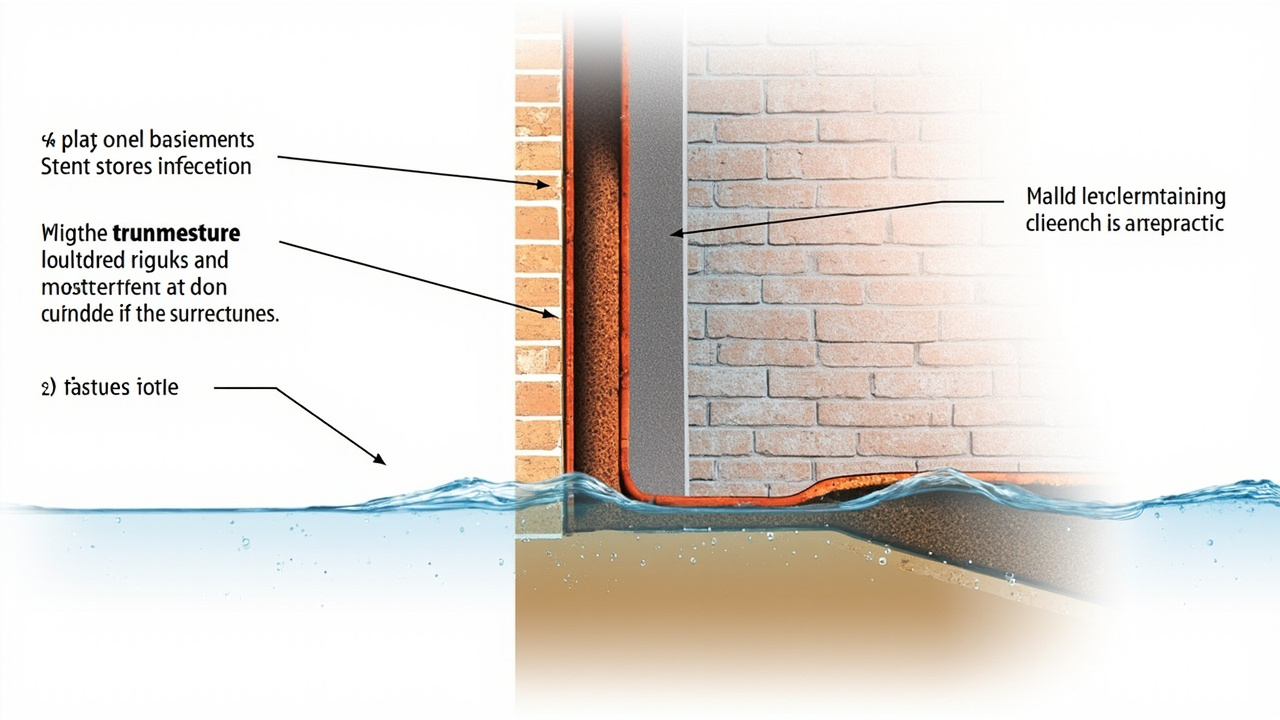
The real problem is not the white powder itself. Efflorescence is a symptom. The actual threat is the ongoing moisture intrusion causing it. Water moving through your foundation brings hydrostatic pressure, which weakens concrete over time. Left unchecked, this leads to cracks, spalling, and structural damage.

Older Chicago homes with brick and stone foundations see this frequently. The porous masonry allows groundwater to wick through, especially after heavy rain or spring snowmelt. Newer poured concrete foundations can also develop efflorescence if waterproofing fails or drainage systems clog.

You might see concrete salt deposits near floor drains, along basement walls, or on garage floors. The pattern tells you where water is entering. A vertical line of white residue on concrete indicates water seeping through a crack. A horizontal band near the floor suggests groundwater pressure. Scattered patches often point to condensation or poor ventilation combining with minor moisture intrusion.

Do not ignore efflorescence. The deposits themselves are harmless, but the water causing them will damage your property.

Why Chicago Concrete Shows White Powder and Salt Deposits
How We Diagnose and Eliminate Moisture Causing Efflorescence

How We Diagnose and Eliminate Moisture Causing Efflorescence

Removing the white powder is pointless if you do not fix the moisture source. We start by identifying where water enters and why it is moving through your concrete.

Our technicians use moisture meters to measure concrete moisture content at multiple depths. Surface readings tell us about ambient humidity and condensation. Deep readings reveal active water intrusion from outside sources. We map the entire affected area to trace moisture pathways.

Next, we inspect your drainage systems. Clogged gutters, broken downspouts, and failing sump pumps are common culprits in Chicago properties. We check exterior grading to confirm water flows away from your foundation. Negative grading sends water straight into basement walls.

We examine your concrete for structural issues. Hairline cracks allow capillary action to pull groundwater through. Settlement cracks from Chicago's clay soil create direct water entry points. Honeycombing in poured concrete acts like a sponge, absorbing moisture from the ground.

Inside, we evaluate ventilation and humidity levels. Poor airflow traps moisture against concrete surfaces. High indoor humidity from laundry rooms or bathrooms condenses on cool concrete, creating localized efflorescence even without external water intrusion.

After diagnosis, we address the root cause. This might include exterior waterproofing, installing or repairing drainage systems, sealing cracks with hydraulic cement or epoxy injection, improving ventilation, or applying crystalline waterproofing compounds that penetrate concrete and block moisture transmission.

We also remove existing efflorescence properly. Scrubbing or pressure washing alone pushes salts deeper into the concrete. We use acidic cleaners formulated to dissolve mineral deposits without damaging the concrete substrate. Then we neutralize and seal the surface.

The goal is stopping water movement permanently, not just hiding the symptom.

Our Efflorescence Investigation and Repair Process

Efflorescence on Concrete in Chicago | Expert Diagnosis and Permanent Repair Solutions
01

Moisture Source Identification

We inspect your property inside and out to pinpoint where moisture enters. Using calibrated moisture meters, thermal imaging, and visual inspection, we trace water pathways through your concrete. We document drainage issues, grading problems, crack locations, and ventilation deficiencies. This diagnostic phase determines which repairs will actually solve the problem rather than mask symptoms.
02

Targeted Moisture Mitigation

Based on our findings, we implement the correct waterproofing strategy for your situation. This might include exterior excavation and membrane application, interior drainage system installation, crack injection with polyurethane or epoxy, or vapor barrier placement. We also repair or install gutters, downspouts, and sump pumps if needed. Each repair targets the specific moisture pathway causing your efflorescence.
03

Surface Restoration and Prevention

After stopping moisture intrusion, we clean existing crystalline deposits using appropriate chemical treatments. We neutralize the concrete surface, then apply penetrating sealers or crystalline waterproofing compounds that react with concrete to form permanent moisture barriers. We verify the repair with follow-up moisture readings and provide guidance on maintaining dry conditions. The efflorescence will not return if the moisture source stays eliminated.

Why Chicago Property Owners Trust Our Efflorescence Solutions

Efflorescence repair requires understanding both concrete chemistry and Chicago-specific moisture challenges. We have repaired white powder issues in every type of Chicago foundation, from 1920s brick basements in Lincoln Park to modern poured concrete in new construction throughout the metro.

We know how Chicago's clay soil behaves. The expansive clay common throughout Cook County absorbs water during spring rains, then shrinks during dry summer months. This movement creates hydrostatic pressure against foundations and opens settlement cracks that invite water intrusion. Generic waterproofing approaches fail because they do not account for this soil behavior.

Our technicians understand local building methods. Older Chicago homes often have rubble stone foundations with lime mortar joints. These require different waterproofing strategies than modern concrete block or poured walls. We match our repair methods to your specific foundation type and construction era.

We also recognize patterns specific to Chicago weather. The freeze-thaw cycles here are brutal. Water in concrete pores freezes, expands, and spalls the surface. This creates more pathways for moisture to enter, accelerating efflorescence formation. Our repairs account for this cycle, using materials rated for Chicago's temperature extremes.

Cornerstone Water Damage Restoration Chicago focuses on permanent solutions, not temporary fixes. We trace moisture to its source and eliminate it there. That might mean excavating around your foundation to install proper drainage, not just painting over the white residue with a cosmetic sealer.

We also work directly with insurance companies when water damage causes your efflorescence. Whether it is a foundation crack from ground movement or a plumbing leak that saturated your concrete, we document the damage properly and help you navigate the claims process.

You get straight answers about what is causing your efflorescence and what it takes to fix it permanently.

What to Expect When You Call Us About Efflorescence

Fast Response Time

We schedule your inspection within 24 to 48 hours of your call. Efflorescence indicates active moisture intrusion, which gets worse with time. The sooner we identify the source, the less damage your concrete sustains. Our technicians arrive on time with the diagnostic equipment needed to trace moisture pathways. You get a written assessment the same day, outlining the moisture source and recommended repairs. We do not drag out the process or schedule multiple visits to upsell services.

Thorough Moisture Investigation

Our inspection covers both the interior space showing efflorescence and the exterior conditions causing it. We check your foundation perimeter, grading, drainage systems, downspouts, and window wells. Inside, we measure concrete moisture content, document crack patterns, and evaluate ventilation. We use thermal imaging to identify hidden moisture pockets and trace water movement through walls. You receive photos documenting all findings, so you see exactly what we see and understand why specific repairs are necessary.

Permanent Repair Results

When we complete your efflorescence repair, the white powder does not come back because we eliminated the moisture source. You get dry concrete that stays dry. We verify this with post-repair moisture readings and provide documentation showing the difference. The crystalline deposits are removed properly without damaging your concrete surface. If your repair includes waterproofing or drainage work, we confirm proper function before closing out the job. You have confidence that the problem is actually solved.

Follow-Up and Maintenance Guidance

After your repair, we provide specific guidance on maintaining dry conditions in your space. This includes recommended humidity levels, ventilation improvements, and seasonal maintenance tasks like keeping gutters clear and checking sump pump operation. We schedule a follow-up inspection three to six months after major waterproofing work to verify ongoing effectiveness. If new efflorescence appears, which is rare when repairs are done correctly, we investigate at no charge to determine whether it is related to our work or a separate issue.

Frequently Asked Questions

You Have Questions,
We Have Answers

Is efflorescence on concrete a problem? +

Efflorescence itself is not a structural problem. It is a cosmetic symptom of moisture moving through your concrete. The white, chalky deposits you see are salts left behind when water evaporates. However, the moisture causing efflorescence can be a red flag. In Chicago basements, persistent efflorescence often signals hydrostatic pressure, poor drainage, or foundation leaks. If left unchecked, the moisture can lead to mold growth, spalling concrete, and weakened structural integrity. Address the water source first. Efflorescence is your warning light.

How to fix efflorescence in concrete? +

Remove efflorescence by dry brushing the surface with a stiff bristle brush. For stubborn deposits, use a diluted vinegar solution or a commercial efflorescence cleaner. Scrub, rinse with clean water, and let the concrete dry completely. This fixes the cosmetic issue. However, you must identify and stop the moisture source or efflorescence will return. In Chicago, this often means improving exterior grading, sealing foundation cracks, or installing interior drainage systems. Fixing the symptom without addressing the cause is wasted effort. Focus on moisture control first.

Can you seal concrete over efflorescence? +

Never seal concrete over efflorescence. Sealer traps moisture and salts beneath the surface, causing the concrete to flake, peel, or spall. You must remove all visible efflorescence and allow the slab to dry completely before sealing. If moisture continues to migrate through the concrete after sealing, pressure builds and pushes the sealer off. In Chicago basements with high groundwater or poor drainage, sealing without fixing the moisture problem creates bigger damage. Clean the surface, solve the water issue, then seal. Order matters.

Should efflorescence be removed? +

Yes, remove efflorescence before applying sealers, coatings, or flooring. The salt deposits prevent proper adhesion and trap moisture beneath finishes. Efflorescence also signals an active moisture problem that requires attention. In Chicago, where freeze-thaw cycles and clay soil create hydrostatic pressure, ignoring efflorescence means ignoring potential foundation damage. Dry brush or wash the deposits away, then investigate why water is moving through your concrete. Removing efflorescence is quick. Fixing the underlying moisture issue takes more effort but protects your investment long-term.

How do professionals remove efflorescence? +

Professionals start by identifying the moisture source using moisture meters and visual inspection. They remove efflorescence with commercial-grade cleaners, pressure washing, or mechanical abrasion depending on severity. After cleaning, they address the root cause by sealing foundation cracks, installing vapor barriers, or adding drainage systems like sump pumps or French drains. In Chicago, professionals understand clay soil expansion and freeze-thaw damage. They fix grading issues and waterproof exterior walls to stop water intrusion. Removing the white deposits is simple. Stopping future efflorescence requires expertise in waterproofing and foundation repair.

What is the 20/30/40 rule in concrete? +

The 20/30/40 rule is an outdated concrete mix guideline. It suggests limiting cement paste to 20 percent, aggregate to 30 percent, and water to 40 percent by volume. Modern concrete science focuses on water-to-cement ratio instead. A lower ratio creates stronger, denser concrete that resists water penetration and efflorescence. In Chicago, where freeze-thaw cycles stress concrete, using a proper water-to-cement ratio improves durability. This rule is less relevant today. Focus on proper mix design, curing, and waterproofing to prevent moisture problems and efflorescence in basements and foundations.

Does efflorescence indicate water damage? +

Yes, efflorescence is a direct indicator of water movement through concrete. The white deposits appear when water dissolves salts inside the concrete and carries them to the surface. As water evaporates, salts crystallize and leave visible residue. In Chicago, efflorescence in basements often signals hydrostatic pressure from high groundwater, poor exterior drainage, or foundation cracks. While efflorescence itself does not mean structural damage, the moisture causing it can lead to mold, wood rot, and concrete deterioration. Treat efflorescence as a diagnostic clue. Find and fix the water source immediately.

How do I stop efflorescence from coming back? +

Stop efflorescence by eliminating the moisture source. Improve exterior grading so water drains away from your foundation. Clean gutters and extend downspouts at least six feet from the house. Seal foundation cracks with hydraulic cement or epoxy injections. Install interior drainage systems or sump pumps if groundwater is the issue. In Chicago, clay soil expands when wet and creates hydrostatic pressure against basement walls. Exterior waterproofing membranes and proper drainage prevent this pressure. Once moisture stops moving through the concrete, efflorescence stops forming. Focus on water control, not just surface cleaning.

Should I buy a house with efflorescence? +

Efflorescence alone is not a dealbreaker, but you must investigate the cause before buying. It signals moisture intrusion, which could mean foundation cracks, poor drainage, or high groundwater. In Chicago, many older homes have basement efflorescence due to clay soil and inadequate waterproofing. Hire a qualified home inspector to assess the foundation and moisture sources. Factor repair costs into your offer. Efflorescence is fixable, but unresolved water problems lead to mold, structural damage, and costly repairs. Do not ignore the warning. Get a professional evaluation before closing.

Does Drylok stop efflorescence? +

Drylok and similar masonry waterproofers do not stop efflorescence. They trap moisture and salts behind the coating, which causes peeling, bubbling, and spalling. If you apply Drylok over efflorescence, it fails quickly. You must remove all deposits, let the concrete dry, and fix the moisture source first. In Chicago basements, Drylok alone cannot handle hydrostatic pressure from clay soil or groundwater. It works as a temporary vapor barrier on dry walls, but it is not a substitute for proper exterior waterproofing or drainage systems. Fix the water problem first.

How Chicago's Clay Soil and Freeze-Thaw Cycles Accelerate Efflorescence Formation

Chicago sits on clay-heavy soil that expands dramatically when wet and contracts when dry. This constant movement creates hydrostatic pressure against foundation walls, forcing groundwater through concrete pores. When water carries dissolved minerals through your foundation and evaporates on the interior surface, you see white powder on concrete. The problem intensifies during spring thaw when snowmelt saturates the ground. Older neighborhoods like Logan Square, Bridgeport, and Beverly see this frequently because their foundations predate modern waterproofing standards. Even newer construction in expanding suburbs experiences efflorescence when builders cut corners on drainage systems or use inadequate waterproofing membranes.

Our team works throughout Cook County and knows which foundation types are most vulnerable to moisture intrusion. We understand Chicago building codes for foundation waterproofing and drainage requirements. When we repair efflorescence, we follow the same standards commercial contractors use for new construction, adapted to your existing structure. This local expertise matters because generic moisture solutions fail in Chicago conditions. We match our repair strategy to your specific foundation construction, soil conditions, and the severity of freeze-thaw exposure in your neighborhood.
Water Damage Restoration Services in The Chicago Area

Cornerstone proudly serves the entire Chicago area with fast, dependable water damage restoration services. Whether you’re located in downtown, the suburbs, or surrounding neighborhoods, we’re ready to respond to your call—day or night. Use the map below to see our local service coverage and find our nearest team. With mobile units throughout the city, help is never far away. If you’re facing water damage, reach out now and let us show you why homeowners and businesses choose Cornerstone.

Address:
Cornerstone Water Damage Restoration Chicago, 171 N Aberdeen St, Chicago, IL, 60607

Additional Services We Offer

Our news updates

Latest Articles & News from The Blogs

High Humidity and Mold Growth in Chicago Summers What Homeowners Need to Know Your basement smells musty. Your bathroom mirror…

Why high humidity in the Chicago summer makes water damage worse in Calumet Heights

High Humidity and Mold Growth in Chicago Summers What Homeowners Need to Know Your basement smells musty. Your bathroom mirror…

Managing water damage restoration in the high-end luxury builds of the Near North Side

Luxury Home Water Damage Restoration in Chicago's Near North Side A burst pipe at 2 AM in your Gold Coast…

How we use thermal imaging to find hidden leaks in West Ridge homes

Expert Infrared Leak Detection in Chicago Homes and Businesses A hidden pipe leak can destroy your property long before you…

Contact Us

Stop living with white powder on your concrete. Call Cornerstone Water Damage Restoration Chicago at (872) 266-1616 for a professional moisture investigation. We identify the water source causing your efflorescence and fix it permanently so the problem does not return.