




menu

Does Insurance Cover Mold in Chicago? Expert Guide to Understanding Your Homeowners Policy

Get clear answers about homeowners insurance mold coverage, when policies pay for remediation, and how to navigate mold-related claims in Chicago's high-humidity climate.

Slider Image 1
Slider Image 2
Slider Image 3
Slider Image 4
Slider Image 5
Slider Image 7
Slider Image 8
Slider Image 9
Slider Image 10
Slider Image 11

Why Chicago Homeowners Face Mold Coverage Confusion

You discover mold in your basement. Your first thought is whether homeowners insurance mold coverage will pay for cleanup. The answer is complicated, and Chicago's climate makes it more urgent to understand.

Chicago's summer humidity levels regularly exceed 70%, while Lake Michigan creates moisture zones that penetrate homes through foundation walls and crawl spaces. Add winter freeze-thaw cycles that crack foundations, and you have a city where mold grows fast.

Most standard homeowners policies in Illinois cover mold only if it results from a sudden, accidental water event. A burst pipe qualifies. A slow leak from a toilet seal does not. The distinction matters because mold remediation often exceeds $3,000 for a moderate infestation.

Insurance companies classify mold as either covered or excluded based on the water source. Is mold damage covered by insurance? Yes, if the water damage was sudden and unforeseeable. No, if the mold resulted from long-term neglect or maintenance issues.

Property insurance mold coverage typically includes a sublimit, often $10,000 or less, even when the mold qualifies as covered. This sublimit applies separately from your primary dwelling coverage. Many Chicago homeowners discover this limit only after filing a claim.

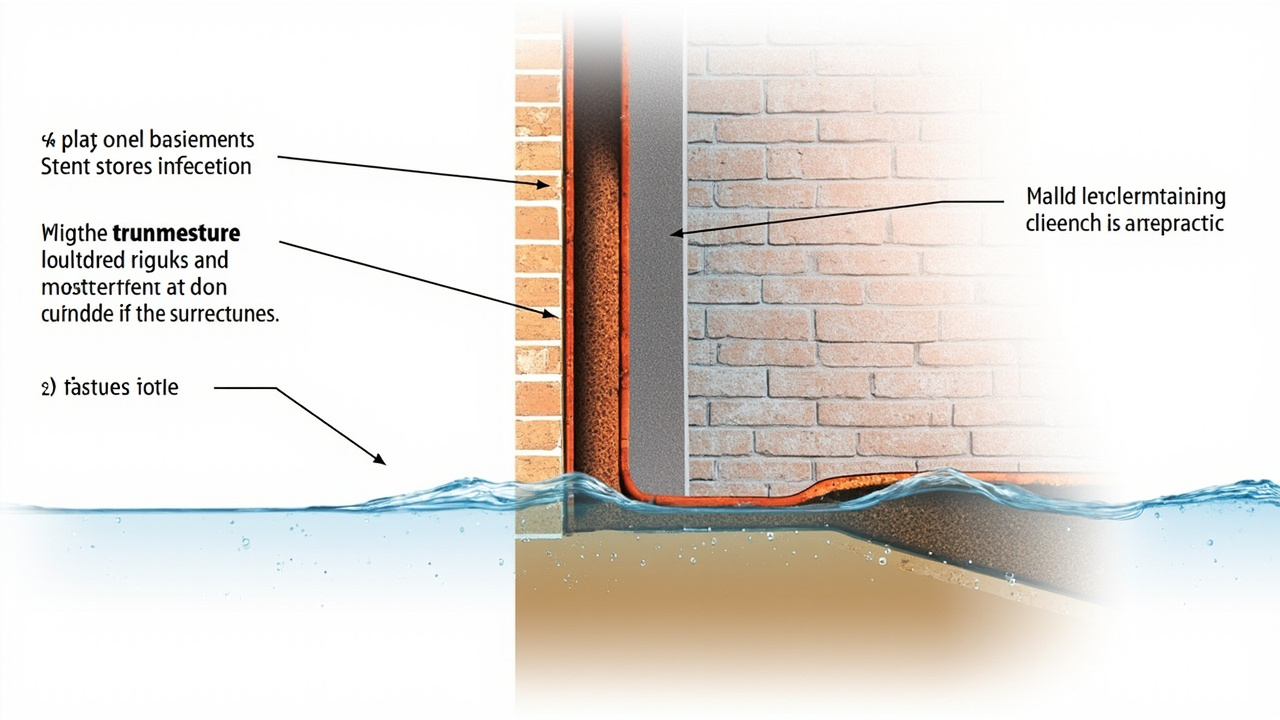
Flood-related mold is never covered under standard policies. If water from the Chicago River or a sewer backup causes mold, you need separate flood insurance or sewer backup endorsements. Does home insurance pay for mold removal from groundwater seepage through foundation walls? No. That falls under maintenance, not sudden loss.

Understanding mold remediation insurance claims starts with reading your declarations page and knowing what triggered the mold growth.

Why Chicago Homeowners Face Mold Coverage Confusion
How Insurance Companies Evaluate Mold Claims

How Insurance Companies Evaluate Mold Claims

Insurance adjusters follow a strict protocol when evaluating whether homeowners insurance mold coverage applies to your situation. They investigate the timeline, the water source, and your response to the initial damage.

The adjuster first identifies the proximate cause. If a supply line failed and flooded your laundry room, and mold appeared within 72 hours, the claim likely qualifies. If mold grew because you ignored a dripping faucet for six months, the claim fails.

Adjusters review moisture readings, photograph affected areas, and document the extent of microbial growth. They distinguish between surface mold and structural contamination. Surface mold on drywall costs less to treat than mold inside wall cavities, which requires demolition.

Illinois requires insurers to respond to claims within specific timeframes, but mold claims often involve disputes over causation. The insurer may approve water damage cleanup but deny the mold remediation portion if they argue you delayed reporting the loss.

Cornerstone Water Damage Restoration Chicago works directly with adjusters to provide detailed documentation. We photograph moisture intrusion points, measure humidity levels with thermal imaging, and produce reports that clarify whether the mold resulted from a covered peril or long-term neglect.

The difference between approval and denial often comes down to evidence. We collect air samples, document the mold species, and establish a timeline that shows sudden water damage led directly to microbial growth. This documentation supports your position during the claims process.

Property insurance mold coverage depends on proving the mold was a direct result of covered water damage, not a separate maintenance issue. We help you build that case with forensic-level detail that adjusters respect.

What Happens During a Mold Insurance Claim

Does Insurance Cover Mold in Chicago? Expert Guide to Understanding Your Homeowners Policy
01

Initial Damage Documentation

You contact your insurance company immediately after discovering water damage and visible mold. The insurer assigns an adjuster who schedules an inspection. Before the adjuster arrives, we document the damage with photos, moisture meters, and detailed notes that establish the timeline. This evidence protects your claim from disputes about when the mold appeared or whether you took reasonable steps to prevent further damage.
02

Adjuster Inspection and Evaluation

The adjuster inspects the property, identifies the water source, and determines whether the mold qualifies as a covered loss. They review your policy's mold sublimit and calculate covered amounts. We attend this inspection to provide technical insight into the remediation scope. Our presence ensures the adjuster understands the full extent of contamination, including hidden mold behind walls or under flooring that visual inspection alone might miss.
03

Claim Approval and Remediation

Once the insurer approves the claim, we begin containment and removal using IICRC S520 protocols. We coordinate directly with your adjuster to ensure work stays within approved scope. If the insurer denies the claim or disputes the scope, we provide additional documentation to support your appeal. Our detailed reports often reverse initial denials by clarifying the cause and demonstrating that remediation falls within policy terms.

Why Chicago Property Owners Choose Local Mold Insurance Experts

Chicago's insurance landscape differs from other markets. Illinois law requires specific disclosures about mold coverage limits, and local insurers apply different standards when evaluating is mold damage covered by insurance.

Cornerstone Water Damage Restoration Chicago knows how Chicago-area insurers handle mold remediation insurance claims. We understand which carriers require pre-approval for containment, which accept moisture readings as sufficient evidence, and which demand air quality testing before approving payment.

We work with adjusters from State Farm, Allstate, Farmers, and regional carriers that dominate the Chicago market. This familiarity speeds claim resolution because we speak the same language as the adjuster and provide documentation in the format they expect.

Chicago's building codes influence what qualifies as proper remediation. The city requires permits for extensive mold removal that involves structural demolition. We handle permitting and ensure all work complies with Chicago Department of Buildings standards, which protects your claim from denial based on code violations.

Our local relationships matter. When an adjuster disputes the scope of work, we can arrange a meeting at the property to walk through the damage and explain why certain steps are necessary. This face-to-face interaction resolves disputes faster than phone calls or emails.

We also understand Chicago's housing stock. Mold in a 1920s brick bungalow spreads differently than in a modern condo tower. Older homes have plaster walls and balloon framing that allow mold to migrate vertically through wall cavities. We explain these structural factors to adjusters unfamiliar with Chicago architecture, which helps justify more extensive remediation when necessary.

Choosing a local expert means choosing someone who understands both the insurance process and the physical characteristics that make Chicago properties vulnerable to mold.

What to Expect When Filing a Mold Claim

Response Time and Initial Assessment

Most Chicago insurers assign an adjuster within 24 to 48 hours of your claim. The adjuster schedules an inspection within three to five business days, though emergency water damage may trigger faster response. We coordinate with your adjuster to ensure we conduct our assessment simultaneously, which eliminates delays. Our team arrives within hours of your call to begin documentation and containment, even before the adjuster visits. This immediate response prevents mold from spreading while your claim processes, which protects both your property and your coverage eligibility.

Coverage Determination and Scope Approval

The adjuster determines whether does home insurance pay for mold removal based on policy language and the loss circumstances. Standard policies cover mold up to the sublimit when it results from sudden water damage. The adjuster reviews your policy declarations, identifies your mold sublimit, and approves a remediation scope. This process takes one to two weeks for straightforward claims. Disputed claims require additional documentation, which we provide through detailed reports, lab results, and expert opinions. We advocate for full coverage by demonstrating the mold directly resulted from a covered peril.

Remediation Quality and Clearance Testing

We follow IICRC S520 standards for all mold remediation, which ensures work meets both insurance requirements and Chicago health department guidelines. Remediation includes containment with negative air pressure, HEPA filtration, removal of contaminated materials, antimicrobial treatment, and structural drying. After removal, we conduct clearance testing to verify air quality meets safe levels. Most insurers require this clearance report before closing the claim. We provide detailed post-remediation documentation that proves your home is safe and the work was completed to professional standards. This documentation protects you from future disputes.

Ongoing Prevention and Moisture Monitoring

Insurance covers the immediate remediation but rarely pays for long-term prevention. We identify the moisture source that allowed mold to grow, whether it was a plumbing leak, foundation seepage, or condensation issue. Fixing the underlying problem prevents recurrence, which protects your home and avoids future claims that insurers may deny as repeat losses. We provide recommendations for humidity control, improved ventilation, and waterproofing that address Chicago's climate challenges. These preventive measures keep your property mold-free and preserve your insurability for future claims.

Frequently Asked Questions

You Have Questions,
We Have Answers

Should I tell my insurance company about mold? +

Yes, you should report mold to your insurance company as soon as you discover it, especially if it results from a covered peril like a burst pipe or storm damage. In Chicago, where freezing winters cause frequent pipe failures, timely reporting is critical. Document the mold with photos and note the date you found it. Delaying notification can give insurers grounds to deny your claim, arguing you failed to mitigate damage. Review your policy first to understand your coverage limits and exclusions. If the mold stems from long-term neglect or maintenance issues, your claim may be denied.

Can you claim on house insurance for mold? +

You can claim house insurance for mold, but only if it results from a sudden, covered event. Most Chicago homeowners policies cover mold removal when caused by burst pipes, roof leaks from storm damage, or appliance malfunctions. Standard policies exclude mold from gradual issues like poor ventilation, chronic basement seepage, or neglected maintenance. Chicago's humid summers and wet spring seasons create prime mold conditions, so insurers scrutinize claims closely. Review your policy's mold sublimit, which often caps coverage at $5,000 to $10,000. Document the water source and remediation timeline to strengthen your claim.

What types of mold does insurance cover? +

Insurance does not distinguish between mold types like black mold, Stachybotrys, or Aspergillus. Coverage depends on the water damage cause, not the mold species. If a covered peril like a storm or plumbing failure caused the moisture that led to mold growth, your policy may cover remediation. Chicago homes, especially older bungalows and two-flats with dated plumbing, face higher risk from sudden water events. Insurers focus on whether the water intrusion was sudden and accidental or gradual. Mold from flooding, sewer backups, or deferred maintenance is typically excluded unless you purchased separate endorsements.

What is an example of a mold claim? +

A common mold claim example involves a frozen pipe bursting in a Chicago home during January. The homeowner is away for a weekend, and water floods the basement before discovery. After emergency water extraction, mold grows on drywall within 48 hours due to high humidity. The homeowner files a claim, providing photos, plumber invoices, and remediation estimates. The insurer covers water removal, structural drying, and mold remediation up to the policy sublimit. However, if the homeowner ignored prior small leaks or failed to heat the home adequately, the claim could be partially denied.

How expensive is mold removal? +

Mold removal costs vary widely based on the affected area and contamination severity. Small projects in Chicago homes, like treating a bathroom corner, may run a few hundred dollars. Extensive infestations requiring drywall removal, HVAC cleaning, and structural drying can reach several thousand dollars. Basements in older Chicago neighborhoods often require aggressive remediation due to moisture from clay soil and inadequate waterproofing. Professional assessment includes air quality testing and moisture mapping. Insurance may cover part of the expense if mold resulted from a covered water event, but sublimits often restrict total payouts significantly.

Will my rates go up if I file a mold claim? +

Filing a mold claim may increase your homeowners insurance rates, depending on your insurer and claims history. In Chicago, where water damage claims are common due to harsh winters and aging infrastructure, insurers view multiple claims as higher risk. A single mold claim tied to a covered event like a burst pipe may not trigger a rate hike immediately, but repeat claims within three to five years often do. Some insurers may non-renew your policy after multiple water-related claims. Weigh the claim payout against potential premium increases before filing, especially for smaller losses.

What are my rights if my insurance denies a mold claim? +

If your insurer denies a mold claim, you have several options. Request a written explanation detailing the denial reason. Review your policy for exclusions and compare them to your claim circumstances. In Chicago, you can file a complaint with the Illinois Department of Insurance if you believe the denial is unjust. Hire a public adjuster to reassess the damage and negotiate on your behalf. Consider consulting an attorney experienced in insurance disputes, especially for large claims. Document all communications and maintain records of the water event, remediation efforts, and expenses to support an appeal.

What are the signs of mold in a house? +

Mold signs in a Chicago home include visible black, green, or white patches on walls, ceilings, or basement surfaces. You may notice a musty, earthy odor, especially in poorly ventilated areas. Water stains, peeling paint, or warped drywall indicate moisture problems that fuel mold growth. Residents may experience increased allergies, respiratory irritation, or coughing when indoors. Chicago's humid summers and wet basements create ideal mold conditions. Check crawl spaces, under sinks, around windows, and near HVAC systems. If you see or smell mold, address the moisture source immediately to prevent spread.

How much compensation can I get for mold? +

Compensation for mold depends on your policy's mold sublimit and the damage scope. Most Chicago homeowners policies cap mold coverage between $5,000 and $10,000, even if total damage exceeds that amount. If mold results from a covered peril like a burst pipe, you may receive funds for remediation, structural repairs, and temporary relocation if the home is uninhabitable. High-value homes or policies with mold endorsements may offer higher limits. Compensation excludes mold from neglect or flooding without separate flood insurance. Document all damage and remediation costs to maximize your payout.

How to get homeowners insurance to pay for mold? +

To get homeowners insurance to pay for mold, act fast after discovering water damage. Immediately stop the water source, document the scene with photos, and contact your insurer within 24 hours. In Chicago, where winter pipe bursts are common, show the event was sudden and accidental. Hire a licensed water restoration company to dry the area and prevent mold spread. Keep all receipts, invoices, and remediation reports. Prove you maintained your home and did not ignore prior leaks. File a detailed claim with supporting evidence, and follow up regularly to expedite processing and approval.

How Chicago's Lake Effect Humidity Impacts Mold Insurance Claims

Chicago's proximity to Lake Michigan creates year-round humidity that accelerates mold growth. Summer humidity often exceeds 70%, while lake-effect moisture penetrates basements through porous concrete foundations common in pre-1980 homes. This ambient humidity means mold can appear within 48 hours of water intrusion, faster than in drier climates. Insurers know this, which is why they scrutinize Chicago mold claims carefully. They want to confirm the mold resulted from sudden damage, not from chronic humidity that proper ventilation should have controlled. Understanding this local dynamic helps you frame your claim correctly and provide evidence that satisfies skeptical adjusters.

Cornerstone Water Damage Restoration Chicago has worked with hundreds of local homeowners through the insurance claims process. We understand how Chicago adjusters evaluate property insurance mold coverage and what documentation they demand. Our relationships with local insurance offices mean we can often resolve disputes with a phone call rather than a prolonged appeals process. We know which carriers require specific testing protocols and which accept visual evidence for smaller claims. This local expertise speeds your claim resolution and increases the likelihood of full coverage approval. When you work with a company that knows Chicago's insurance landscape, you get better outcomes faster.
Water Damage Restoration Services in The Chicago Area

Cornerstone proudly serves the entire Chicago area with fast, dependable water damage restoration services. Whether you’re located in downtown, the suburbs, or surrounding neighborhoods, we’re ready to respond to your call—day or night. Use the map below to see our local service coverage and find our nearest team. With mobile units throughout the city, help is never far away. If you’re facing water damage, reach out now and let us show you why homeowners and businesses choose Cornerstone.

Address:
Cornerstone Water Damage Restoration Chicago, 171 N Aberdeen St, Chicago, IL, 60607

Additional Services We Offer

Our news updates

Latest Articles & News from The Blogs

High Humidity and Mold Growth in Chicago Summers What Homeowners Need to Know Your basement smells musty. Your bathroom mirror…

Why high humidity in the Chicago summer makes water damage worse in Calumet Heights

High Humidity and Mold Growth in Chicago Summers What Homeowners Need to Know Your basement smells musty. Your bathroom mirror…

Managing water damage restoration in the high-end luxury builds of the Near North Side

Luxury Home Water Damage Restoration in Chicago's Near North Side A burst pipe at 2 AM in your Gold Coast…

How we use thermal imaging to find hidden leaks in West Ridge homes

Expert Infrared Leak Detection in Chicago Homes and Businesses A hidden pipe leak can destroy your property long before you…

Contact Us

Wondering if your mold qualifies for coverage? Call Cornerstone Water Damage Restoration Chicago at (872) 266-1616 for a free insurance consultation. We review your policy, assess your damage, and help you file a claim that gets approved.