



menu

Document Drying & Restoration in Chicago | Minimize Downtime with Industrial-Grade Document Recovery Services

Cornerstone Water Damage Restoration Chicago deploys vacuum freeze drying technology and specialized wet document salvage protocols to recover critical business records, archives, and legal files with minimal operational disruption across the Chicago metro.

Slider Image 1
Slider Image 2
Slider Image 3
Slider Image 4
Slider Image 5
Slider Image 7
Slider Image 8
Slider Image 9
Slider Image 10
Slider Image 11

Water Events Threaten Your Critical Records Every Day

Chicago businesses operate in a high-risk environment for document damage. The city experiences severe spring flooding from rapid snowmelt, summer storms that overwhelm aging combined sewer systems, and winter freeze-thaw cycles that rupture pipes in older commercial buildings throughout the Loop and surrounding districts. High humidity from Lake Michigan creates persistent moisture issues in basement storage areas where many companies keep decades of paper records, contracts, and regulatory files.

When water hits your archive room, file cabinets, or records center, the clock starts immediately. Paper begins to warp within minutes. Ink bleeds. Mold spores activate within 24 to 48 hours. Legal documents lose evidentiary value. Compliance records become unreadable. Insurance claims stall. Operations freeze.

You cannot afford downtime. A law firm loses billable hours when case files are compromised. A medical practice faces HIPAA violations when patient records deteriorate. A municipality risks regulatory penalties when tax records or building permits are destroyed. Generic water extraction crews will vacuum your floors, but they lack the specialized equipment and protocols required for professional document recovery services.

Water damaged records restoration demands precision. You need vacuum freeze drying documents technology, controlled environment chambers, and technicians trained in wet document salvage techniques. You need a provider who understands that your paper assets carry legal weight, financial value, and operational necessity. Chicago businesses cannot treat archive drying services as an afterthought.

Water Events Threaten Your Critical Records Every Day
How Professional Document Recovery Prevents Permanent Data Loss

How Professional Document Recovery Prevents Permanent Data Loss

We stabilize wet documents immediately using techniques that preserve structural integrity and prevent further degradation. The methodology differs completely from standard water damage work.

First, we assess moisture content using non-invasive hygrometers to determine saturation levels without causing additional damage. Different paper stocks, binding methods, and ink types require different handling protocols. A leather-bound ledger from 1920 cannot be treated the same way as a laser-printed contract from last week.

For lightly saturated materials, we deploy desiccant dehumidification and air drying in controlled chambers. Temperature stays between 60 and 70 degrees. Humidity drops to 30 percent. Air movement remains gentle to prevent tearing fragile pages.

For heavily saturated archives or coated paper stock, we use vacuum freeze drying documents technology. This process sublimates water directly from ice to vapor, bypassing the liquid phase that causes ink bleeding and page adhesion. The document enters a vacuum chamber at sub-zero temperatures. Pressure drops. Ice crystals vaporize. Pages separate cleanly without mechanical intervention.

We handle bound volumes, blueprints, photographs, microfilm, magnetic media, and electronic storage devices. Each material type follows specific recovery protocols. Coated paper requires immediate freezing to prevent permanent blocking. Thermal paper needs rapid drying to preserve image retention. Parchment and vellum demand humidity-controlled chambers to prevent brittleness.

Throughout the process, we maintain chain of custody documentation for legal and regulatory compliance. You receive detailed inventory logs, condition reports, and photographic evidence of recovery outcomes. This documentation supports insurance claims and satisfies audit requirements.

What Happens During Emergency Document Salvage

Document Drying & Restoration in Chicago | Minimize Downtime with Industrial-Grade Document Recovery Services
01

Rapid Containment and Triage

Our crew arrives within two hours of your call. We stabilize the affected area by stopping active water intrusion, isolating damaged materials from clean inventory, and creating controlled micro-environments using portable dehumidifiers and air movers. High-value records get prioritized immediately. We photograph everything for documentation and insurance purposes. Temperature and humidity readings establish baseline conditions before any materials leave your facility.
02

Specialized Drying Protocols

Materials move to our climate-controlled processing facility equipped with vacuum freeze drying chambers, desiccant systems, and sterile work areas. We separate documents by saturation level, paper type, and recovery priority. Heavily saturated bound volumes enter freeze drying chambers. Lightly wet loose sheets undergo desiccant air drying. Photographs and coated papers receive specialized treatment to prevent emulsion loss or permanent blocking between pages.
03

Quality Verification and Return

After drying completes, we inspect every item for legibility, structural integrity, and usability. Documents get re-boxed in clean archival containers with detailed inventory lists. You receive condition reports that document pre-loss state versus post-recovery outcomes. We coordinate delivery timing to minimize business disruption. For ongoing litigation or regulatory reviews, we provide sworn affidavits confirming proper chain of custody throughout the entire recovery process.

Why Chicago Businesses Trust Local Document Recovery Expertise

Chicago operates under specific municipal codes and state regulations that affect how businesses must handle records retention, especially after water events. Illinois Supreme Court Rules dictate retention periods for legal documents. HIPAA and state privacy laws govern medical records. Municipal code enforcement requires contractors to understand these compliance frameworks, not just dry paper.

Cornerstone Water Damage Restoration Chicago maintains relationships with local records management consultants, forensic document examiners, and legal discovery specialists. When you face litigation holds or regulatory audits during recovery, we coordinate with your legal counsel to ensure proper handling. We understand Cook County court filing requirements. We know Illinois State Archives preservation standards. We work within Chicago Department of Public Health guidelines for mold remediation in healthcare facilities.

Our facility sits within the metro area, which matters when you need daily updates or want to inspect materials mid-process. You can visit our processing center. You can photograph specific documents for immediate business needs while full recovery continues. Remote providers ship your records out of state, creating chain of custody gaps and communication delays.

We have processed water damaged records for law firms in the Loop, medical practices in Lincoln Park, municipal offices in Hyde Park, and manufacturing facilities in Pilsen. Each sector has different priorities. Attorneys need case files immediately. Doctors need patient charts for continuity of care. Building departments need permit records for ongoing inspections. Manufacturers need quality control documentation for ISO audits.

Local expertise means we anticipate your specific industry pressures. We know the difference between expedited recovery for active litigation versus standard processing for historical archives. That knowledge determines equipment allocation, workflow prioritization, and delivery timing.

What Your Business Should Expect During Document Recovery

Response Time and Mobilization Speed

We dispatch within two hours of initial contact, 24 hours per day, seven days per week. Our crews carry portable stabilization equipment to prevent additional damage while we assess full recovery requirements. Initial containment happens on-site immediately. Transport to our processing facility occurs within four to six hours for emergency situations. Standard projects begin processing within 12 hours. You receive a preliminary recovery timeline within 24 hours based on material volume, saturation levels, and business priorities. Rush processing is available for litigation holds, regulatory deadlines, or operational emergencies.

Assessment and Recovery Planning

Our initial assessment documents material types, saturation extent, contamination levels, and business criticality. You participate in prioritization decisions. We photograph representative samples and provide condition reports before any processing begins. The recovery plan specifies which materials enter vacuum freeze drying, which undergo desiccant air drying, and which require specialized treatment. We identify items with pre-existing damage versus new water impact. You receive cost estimates broken down by recovery method, material volume, and processing timeline. Insurance documentation packages include detailed inventories and photographic evidence supporting your claim.

Quality Standards and Deliverables

Recovered documents return to you in clean archival boxes with detailed folder-level inventories. We provide condition reports comparing pre-loss state to post-recovery outcomes, including legibility assessments and structural integrity ratings. Materials that could not be fully recovered get flagged with recommendations for digital imaging or professional conservation services. You receive all chain of custody documentation, processing logs, and environmental monitoring data. For legal matters, we provide sworn affidavits confirming proper handling protocols. Digital scans of critical documents are available during processing to maintain business continuity while physical recovery continues.

Post-Recovery Support and Prevention

After materials return, we provide recommendations for improved storage conditions to prevent future damage. This includes humidity control specifications, shelving configurations, and leak detection systems. We coordinate with your facilities team to address underlying water intrusion sources. For businesses with high-value archives, we offer annual environmental monitoring and disaster preparedness planning. Emergency response protocols get documented and stored off-site so your team knows exactly who to call and what steps to take during the critical first 30 minutes of a water event. Ongoing relationships mean faster response and better outcomes during future incidents.

Frequently Asked Questions

You Have Questions,
We Have Answers

How much does document restoration cost? +

Document restoration costs vary based on volume, damage severity, and urgency. Water damage to business records typically ranges from bulk freeze-drying for high-volume files to individual restoration for critical contracts or legal documents. Chicago businesses face unique challenges from flooding, burst pipes in older buildings, and basement storage vulnerabilities. Cost factors include document type, contamination level, and turnaround requirements. Prioritize mission-critical documents to control expenses. Most commercial projects are billed per box or cubic foot for large volumes, with itemized pricing for specialized restoration. Request a detailed scope assessment to align restoration efforts with business continuity priorities and budget constraints.

What is the best way to dry documents? +

Commercial document drying requires professional freeze-drying or vacuum thermal drying for best results. Air-drying works only for small quantities but risks mold growth within 24 to 48 hours, especially in Chicago's humid summers. For business records, contracts, or legal files, freeze-drying stabilizes documents immediately and prevents microbial contamination. This method removes moisture without heat, preserving ink integrity and paper structure. Vacuum thermal drying offers faster turnaround for urgent recoveries. Avoid consumer-grade methods like fans or dehumidifiers for anything beyond a few pages. Professional equipment and controlled environments protect document integrity and reduce liability exposure from incomplete drying or contamination.

Where can I get an old document restored? +

Professional document restoration facilities handle old documents damaged by water, fire, mold, or age-related deterioration. In Chicago, you need a provider experienced with commercial volumes and compliance requirements for records retention. Look for facilities with controlled climate environments, HIPAA compliance for medical records, and chain-of-custody protocols for legal documents. Many restoration firms serve businesses across the greater Chicago metro, including suburbs and surrounding counties. Evaluate turnaround times, security protocols, and experience with your document type. Law firms, healthcare organizations, and financial institutions require specialized handling. Verify the provider can meet regulatory standards specific to your industry before releasing sensitive materials.

Can faded documents be restored? +

Faded documents can often be restored through digital enhancement and careful physical stabilization. Water damage, sunlight exposure, and chemical reactions cause fading. Professional restoration uses high-resolution scanning and image processing to recover faded text and signatures on contracts, blueprints, or historical records. Physical treatments may include deacidification to halt further deterioration. For Chicago businesses storing documents in basements or warehouses, humidity and temperature fluctuations accelerate fading. Digital restoration creates usable copies while preserving fragile originals. The success rate depends on ink type, paper quality, and damage extent. Prioritize critical business documents, legal files, or archival materials requiring long-term retention and legibility.

How to restore old paper documents? +

Restoring old paper documents requires assessment, stabilization, and controlled intervention. Begin with professional evaluation to identify damage type, paper composition, and historical value. Surface cleaning removes dirt and particulates without abrading fibers. Deacidification neutralizes acids causing brittleness and discoloration. Humidity and temperature control prevent further degradation. For Chicago businesses with archived records in older buildings, environmental factors accelerate deterioration. Professional restoration includes flattening, mending tears with archival materials, and encapsulation for protection. Digital conversion creates accessible copies while preserving originals. Avoid DIY methods that introduce moisture, heat, or pressure without proper training. Professional intervention extends document lifespan and maintains legal admissibility for business records.

Is there a difference between an art conservator and an art restorer? +

Yes. Art conservators focus on preservation, stabilizing artworks and preventing further deterioration using reversible, documented techniques. They follow strict ethical guidelines and scientific methods. Art restorers perform interventions to return artworks closer to original appearance, sometimes using irreversible techniques. Conservation emphasizes minimal intervention and historical integrity. Restoration may prioritize aesthetic outcomes. For document restoration in commercial contexts, the distinction matters less. Business records require functional recovery, not museum-grade conservation. Chicago businesses need practical solutions that restore usability and meet compliance requirements. Document restoration professionals apply conservation principles but prioritize accessibility, legibility, and business continuity over purely historical preservation. Choose providers based on your specific recovery goals.

Can water damaged paper be restored? +

Yes. Water damaged paper can be restored through immediate stabilization and professional drying techniques. Success depends on response time, water type, and contamination level. Clean water damage offers better outcomes than sewage or chemical exposure. Chicago's aging infrastructure and basement flooding create frequent water damage scenarios for stored business records. Professional restoration uses freeze-drying or vacuum thermal drying to prevent mold growth and ink bleeding. Documents may require flattening, deodorization, and digitization after drying. Act within 24 to 48 hours to minimize permanent damage. Contaminated documents need sanitization protocols. Critical contracts, legal files, and compliance records warrant professional intervention to maintain business operations and reduce liability exposure.

What is the best way to preserve old paper documents? +

Preserve old paper documents in stable, cool, dry environments with controlled temperature and humidity. Ideal conditions are 65 to 70 degrees Fahrenheit with 30 to 40 percent relative humidity. Chicago's temperature swings and humidity extremes require climate control, especially in basements or warehouses. Use acid-free folders, boxes, and enclosures to prevent chemical migration. Store documents flat or upright, never folded. Avoid direct sunlight, fluorescent lighting, and contact with metals or acidic materials. For critical business records, implement digital backups and off-site redundancy. Regular inspection catches early deterioration. Professional archival storage facilities offer secure environments for high-value or compliance-driven documents requiring long-term retention.

How to get rid of paper documents without shredding? +

Destroy paper documents without shredding through pulping services, incineration, or secure destruction facilities. For businesses with compliance requirements, use certified document destruction vendors that provide certificates of destruction and chain-of-custody documentation. Pulping dissolves paper into slurry, ensuring complete destruction. Incineration offers secure disposal for highly sensitive materials. Many Chicago-area providers offer mobile destruction services for on-site witnessed destruction. Avoid burning documents yourself due to air quality regulations and incomplete combustion risks. For water damaged or contaminated documents, professional disposal ensures proper handling of biohazards or chemical residues. Verify vendor certifications meet HIPAA, FACTA, or industry-specific regulations before releasing sensitive business records.

How to restore a damaged document? +

Restore damaged documents through professional assessment, stabilization, and targeted intervention. Water damage requires immediate freeze-drying or vacuum thermal drying within 24 to 48 hours. Fire damage needs soot removal, deodorization, and structural stabilization. Mold contamination demands sanitization in controlled environments. Chicago businesses face basement flooding, burst pipes, and building-related water intrusion damaging stored records. Professional restoration includes digital conversion for accessibility, physical repair for structural integrity, and encapsulation for protection. Prioritize mission-critical documents like contracts, legal files, and compliance records. DIY methods introduce additional risks. Professional facilities provide climate-controlled processing, contamination containment, and documentation for insurance claims or regulatory audits.

How Chicago's Combined Sewer System Increases Document Damage Risk

Chicago operates one of the oldest combined sewer systems in the United States, where stormwater and sanitary waste share the same pipes. During heavy rain events, the system overwhelms and backs up into basement-level storage areas throughout downtown and older commercial districts. This creates Category 3 contamination scenarios where sewage-affected water contacts business records. Standard drying is insufficient. Contaminated materials require disinfection protocols before vacuum freeze drying begins. Many Chicago businesses store archives in below-grade spaces originally designed as coal storage or mechanical rooms, making them particularly vulnerable to sewer backups and foundation seepage during spring thaw periods.

Cook County building codes and Chicago municipal ordinances impose specific requirements for commercial water damage response, particularly in historic districts where older buildings house professional offices, legal firms, and financial institutions. Our familiarity with local inspection processes and code compliance requirements ensures your document recovery work satisfies both insurance carriers and municipal authorities. We maintain relationships with Chicago-area attorneys, records management consultants, and preservation specialists who understand Illinois-specific retention laws and evidence handling protocols. Local expertise matters when regulatory compliance and legal defensibility depend on proper documentation throughout the recovery process.
Water Damage Restoration Services in The Chicago Area

Cornerstone proudly serves the entire Chicago area with fast, dependable water damage restoration services. Whether you’re located in downtown, the suburbs, or surrounding neighborhoods, we’re ready to respond to your call—day or night. Use the map below to see our local service coverage and find our nearest team. With mobile units throughout the city, help is never far away. If you’re facing water damage, reach out now and let us show you why homeowners and businesses choose Cornerstone.

Address:
Cornerstone Water Damage Restoration Chicago, 171 N Aberdeen St, Chicago, IL, 60607

Additional Services We Offer

Our news updates

Latest Articles & News from The Blogs

High Humidity and Mold Growth in Chicago Summers What Homeowners Need to Know Your basement smells musty. Your bathroom mirror…

Why high humidity in the Chicago summer makes water damage worse in Calumet Heights

High Humidity and Mold Growth in Chicago Summers What Homeowners Need to Know Your basement smells musty. Your bathroom mirror…

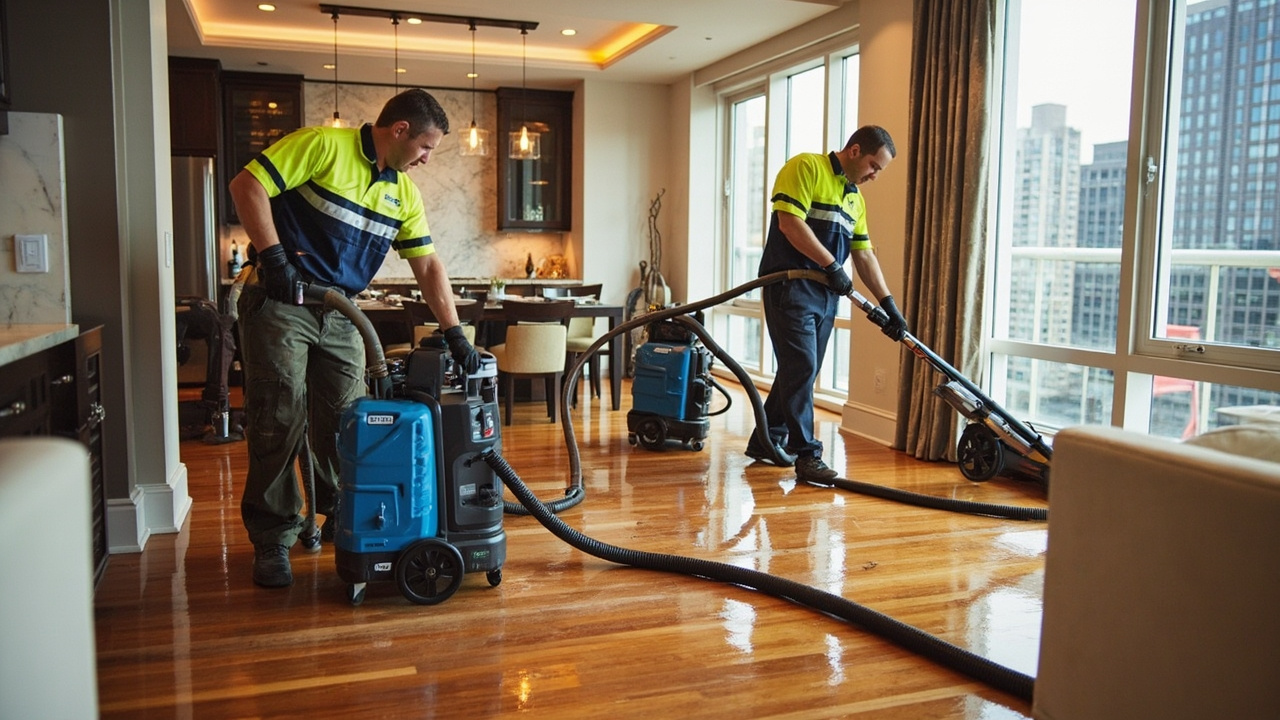
Managing water damage restoration in the high-end luxury builds of the Near North Side

Luxury Home Water Damage Restoration in Chicago's Near North Side A burst pipe at 2 AM in your Gold Coast…

How we use thermal imaging to find hidden leaks in West Ridge homes

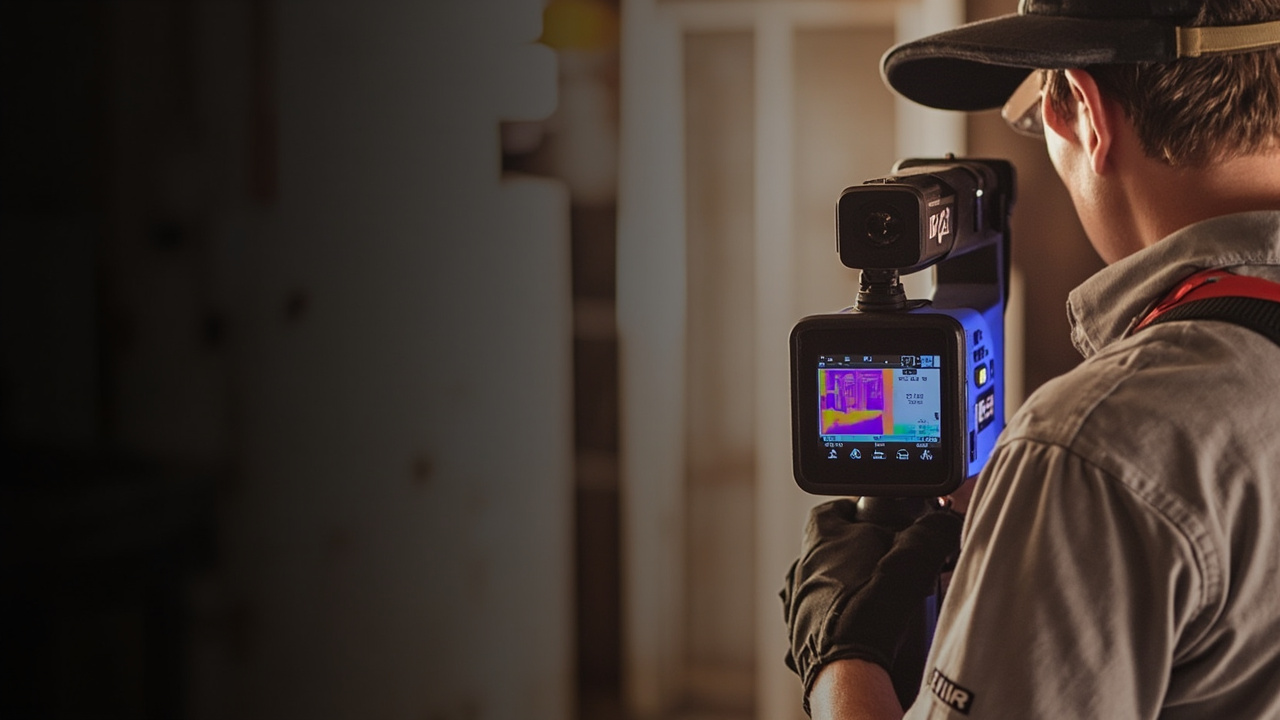
Expert Infrared Leak Detection in Chicago Homes and Businesses A hidden pipe leak can destroy your property long before you…

Contact Us

Every hour of delay increases the risk of permanent document damage, mold growth, and data loss. Call Cornerstone Water Damage Restoration Chicago now at (872) 266-1616. Our document recovery specialists are standing by 24/7 to stabilize your critical records and begin professional restoration immediately.