



menu

Disaster Recovery Planning in Chicago – Protect Your Business from Catastrophic Water Damage and Operational Downtime

Cornerstone Water Damage Restoration Chicago delivers comprehensive disaster recovery planning that protects your commercial facility from water damage events, ensuring rapid response protocols, documented restoration procedures, and minimal business interruption across the greater Chicago metro.

Slider Image 1
Slider Image 2
Slider Image 3
Slider Image 4
Slider Image 5
Slider Image 7
Slider Image 8
Slider Image 9
Slider Image 10
Slider Image 11

Why Chicago Commercial Properties Need Pre-Loss Planning Before Water Disaster Strikes

Water damage does not wait for convenient timing. Chicago's infrastructure challenges create specific vulnerabilities for commercial properties. The city's aging pipe systems, combined with freeze-thaw cycles that stress building envelopes, mean your facility faces constant risk from burst pipes, roof infiltration, and groundwater intrusion.

Without documented disaster recovery planning, your business faces extended downtime. Most commercial operations lose between $8,000 and $25,000 per hour during unplanned closures. When water breaches your facility at 3 AM on a Saturday, your response time determines whether you open Monday morning or remain closed for weeks.

Business continuity planning addresses this gap. A comprehensive pre-loss plan documents your facility's critical systems, prioritizes restoration sequences, and establishes clear vendor contact protocols. You need mapped shut-off valve locations, documented equipment inventories, and pre-negotiated restoration agreements before an event occurs.

Chicago facilities without commercial emergency response planning typically face 72-hour delays while scrambling to coordinate emergency services. Properties with documented facility contingency planning restore operations in 24 to 48 hours because decisions have been made in advance, not during crisis mode.

Your insurance adjuster moves faster when you present a documented restoration plan. Your team executes efficiently when everyone knows their role. Your customers experience minimal disruption when you have planned for the worst before it happens.

Why Chicago Commercial Properties Need Pre-Loss Planning Before Water Disaster Strikes
How Professional Disaster Restoration Planning Protects Your Chicago Operation

How Professional Disaster Restoration Planning Protects Your Chicago Operation

Effective disaster restoration planning starts with comprehensive facility assessment. We walk your property with your operations manager, documenting every water source, drainage system, and vulnerable area. We map incoming water lines, identify critical equipment that cannot tolerate moisture exposure, and photograph baseline conditions for insurance documentation.

Our planning process includes psychrometric profiling of your space. We measure typical humidity levels, identify areas with poor air circulation, and document materials that require specialized drying protocols. A warehouse with concrete floors requires different planning than a medical office with sensitive electronic equipment.

We develop customized response protocols based on your specific operations. A 24-hour manufacturing facility needs different contingency planning than a retail space that closes at night. We document after-hours contact procedures, establish decision-making hierarchies, and create communication templates for notifying employees, customers, and vendors.

Your plan includes pre-negotiated service agreements. When water damage occurs, you do not waste time getting quotes or checking references. Your restoration partner arrives with equipment already sized for your facility, familiar with your layout, and authorized to begin mitigation immediately.

We integrate your disaster recovery planning with your insurance requirements. Most commercial policies require specific documentation and response timelines. Your plan ensures compliance with policy provisions while protecting your coverage. We coordinate with your broker to verify your planning meets underwriter expectations and qualifies for any available premium reductions for proactive risk management.

Our Three-Phase Approach to Commercial Disaster Recovery Planning

Disaster Recovery Planning in Chicago – Protect Your Business from Catastrophic Water Damage and Operational Downtime
01

Facility Risk Assessment

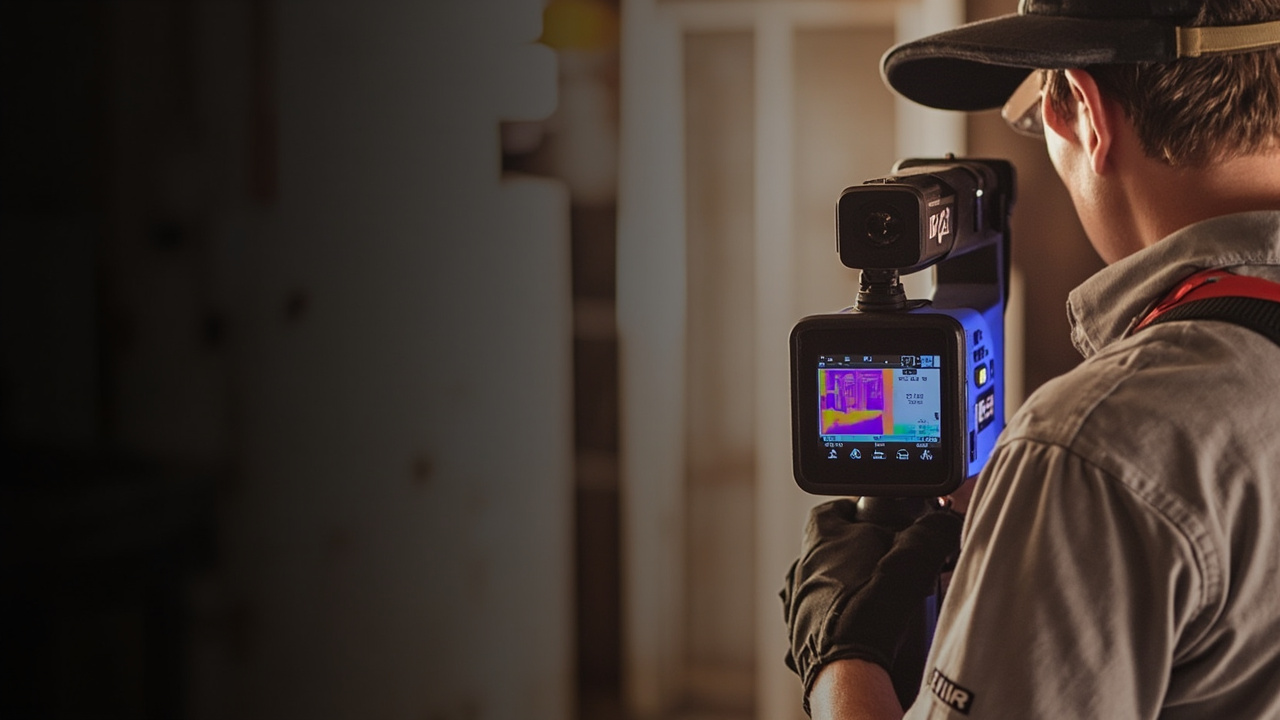
We conduct an on-site vulnerability analysis of your Chicago property, documenting all water sources, drainage systems, and moisture-sensitive areas. This includes thermal imaging to identify hidden leaks, moisture meter baseline readings, and photographic documentation of current conditions. We map utility shut-offs, identify critical operations that cannot be interrupted, and evaluate your building envelope for potential intrusion points during severe weather events.
02

Response Protocol Development

We create detailed action plans specifying exactly who does what when water damage occurs. This includes emergency contact hierarchies, equipment staging locations, and decision trees for different damage scenarios. Your plan documents required notifications to building management, insurance carriers, and regulatory agencies. We establish communication protocols for employees and customers, and create equipment inventories with replacement cost documentation for insurance claims.
03

Plan Activation and Maintenance

We deliver your completed disaster recovery plan in both digital and physical formats, with laminated quick-reference cards for key personnel. We conduct annual plan reviews to update contact information, adjust protocols for facility changes, and ensure new staff understand their roles. Your plan includes our direct emergency line with guaranteed two-hour response across the Chicago metro, and pre-authorized work orders that eliminate delays when minutes matter.

Why Chicago Businesses Choose Cornerstone for Pre-Loss Planning

Chicago's commercial real estate faces unique challenges that generic disaster plans miss. The city's position on Lake Michigan creates high humidity conditions that accelerate microbial growth after water events. Buildings in the Loop and River North face combined sewer systems that can backup during heavy rain. Properties near the Chicago River or in low-lying areas risk flood intrusion that standard plans do not address.

We understand Chicago's commercial building stock. The city's mix of historic masonry structures and modern high-rises requires different planning approaches. A pre-war building with plaster walls and wood framing needs different drying protocols than a steel-frame structure with drywall partitions. We document these specifics in your plan so response teams deploy correct equipment immediately.

Our familiarity with Chicago building codes ensures your recovery plan maintains compliance during restoration. The city requires specific permits for certain structural drying operations. Your plan includes pre-identified permit requirements and expedited approval procedures to avoid regulatory delays during time-sensitive restoration work.

We maintain relationships with specialized contractors across Chicago's industrial corridors. When your facility needs temporary power, emergency HVAC, or structural shoring during restoration, we have vetted partners ready to deploy. Your plan includes these pre-negotiated agreements, eliminating the need to find qualified vendors during an emergency.

Cornerstone delivers business continuity planning that protects your bottom line. We have helped Chicago manufacturers maintain production during building repairs, kept retail locations serving customers despite roof leaks, and preserved sensitive medical equipment through controlled drying procedures. Your disaster recovery planning receives the same expertise we apply during actual restoration projects.

What Your Disaster Recovery Plan Includes

Rapid Plan Development Timeline

Most Chicago facilities receive completed disaster recovery plans within 10 to 14 business days from initial assessment. We schedule facility walkthroughs during off-hours to avoid disrupting operations. Complex properties with multiple buildings or specialized operations may require three weeks for comprehensive documentation. Your timeline includes stakeholder interviews, technical assessments, and plan review sessions with your management team. We deliver draft plans for your feedback before finalizing documentation, ensuring the finished product matches your operational requirements and risk tolerance.

Comprehensive Facility Documentation

Your plan includes detailed facility maps showing water sources, shut-off valves, electrical panels, and HVAC systems. We document square footage by area, building materials, contents inventories, and equipment specifications. Thermal imaging identifies potential problem areas before they fail. Moisture mapping establishes baseline readings for comparison during events. We photograph critical areas and equipment for insurance documentation. Your plan includes vendor lists, insurance policy summaries, and regulatory compliance checklists. Each section receives color-coded priority ratings so response teams know what to protect first during water damage events.

Actionable Response Protocols

Your disaster recovery plan delivers clear decision frameworks, not vague guidelines. Each water damage scenario includes specific action steps with assigned responsibilities. Contact lists include primary and backup personnel with multiple phone numbers. Equipment staging plans specify where to position drying equipment for maximum effectiveness with minimum operational disruption. Communication templates provide pre-written notifications for employees, customers, and vendors. Insurance claim procedures walk your team through documentation requirements and adjuster coordination. Your plan eliminates guesswork and confusion when every minute of downtime costs money.

Annual Reviews and Updates

Disaster recovery planning requires ongoing maintenance to remain effective. We conduct annual plan reviews to update contact information, adjust protocols for facility modifications, and incorporate lessons from recent events across Chicago. Staff turnover means new employees need training on emergency procedures. Building improvements change equipment locations and utility configurations. Insurance policy changes may affect coverage requirements. Your annual review includes facility re-inspection to identify new vulnerabilities, updated vendor agreements, and refresher training for key personnel. Plans that sit on shelves fail during emergencies. Regular updates keep your documentation current and actionable.

Frequently Asked Questions

You Have Questions,
We Have Answers

What are the 5 steps of disaster recovery planning? +

The five steps are assessment, planning, implementation, testing, and maintenance. First, assess risks specific to your Chicago facility, including flooding from Lake Michigan, frozen pipes during harsh winters, and power grid failures. Second, document recovery protocols and assign roles. Third, implement backup systems, offsite data storage, and emergency vendor agreements. Fourth, run tabletop exercises and simulate realistic scenarios. Fifth, update your plan quarterly as your business evolves. Chicago's climate extremes demand regular reviews. Each step protects business continuity and reduces downtime when disaster strikes your commercial property.

What is disaster and recovery planning? +

Disaster and recovery planning is the documented process that defines how your business responds to and recovers from disruptive events. It covers data backup, critical system restoration, emergency communication protocols, and vendor coordination. For Chicago businesses, planning accounts for regional risks like water main breaks in aging infrastructure, severe winter storms, and basement flooding. The plan identifies critical functions, establishes recovery time objectives, and assigns responsibility across your team. It minimizes financial loss and operational downtime when equipment fails or property damage occurs. Effective planning separates businesses that recover quickly from those that shut down permanently.

What are the 4 pillars of disaster recovery? +

The four pillars are preparation, mitigation, response, and recovery. Preparation includes risk assessment and resource allocation before incidents occur. Mitigation reduces vulnerability through redundant systems and protective measures against Chicago-specific threats like sub-zero temperatures damaging HVAC systems. Response covers immediate actions when disaster strikes, including emergency communication and damage containment. Recovery focuses on restoring normal operations and reviewing what failed. Chicago businesses face unique challenges with extreme weather and older building stock. Each pillar supports business continuity and protects your bottom line when infrastructure fails or environmental damage impacts your facility.

What's the difference between DRP and BCP? +

A Disaster Recovery Plan focuses on restoring IT systems, data, and technology infrastructure after an incident. It covers server recovery, data backup retrieval, and network restoration timelines. A Business Continuity Plan is broader, addressing all business functions including staffing, vendor relationships, customer communication, and operational workarounds. For Chicago commercial properties, your BCP might detail how employees work remotely during a blizzard, while your DRP specifies how quickly you restore cloud access. You need both. DRP handles technology recovery. BCP keeps your entire business functional during disruptions. They work together to minimize revenue loss.

What are the 4 C's of disaster recovery? +

The four C's are communication, coordination, command, and continuity. Communication ensures all stakeholders receive accurate, timely updates during and after an incident. Coordination aligns internal teams, vendors, and emergency services for efficient response. Command establishes clear decision-making authority and eliminates confusion during crisis moments. Continuity maintains critical business functions throughout disruption. Chicago businesses must coordinate with multiple city departments and navigate strict commercial building codes during recovery. Strong command prevents costly delays. Clear communication reduces liability. These four elements determine whether your business recovers in days or remains shuttered for weeks after property damage occurs.

What are the 5 Rs of recovery? +

The five R's are relocate, rehost, replatform, refactor, and retire. These terms apply to IT system migration during disaster recovery. Relocate moves workloads to alternate sites or cloud infrastructure. Rehost performs lift-and-shift migrations without redesigning applications. Replatform makes minimal optimizations during migration. Refactor rebuilds applications for cloud-native environments. Retire eliminates obsolete systems. For Chicago businesses facing property damage, relocate proves most critical. You move operations offsite quickly while your facility undergoes restoration. Understanding these options lets you make fast decisions when water damage or fire shuts down your primary location.

What is a DRP checklist? +

A DRP checklist is a step-by-step document that guides your team through disaster response and recovery actions. It includes contact lists for emergency vendors, insurance carriers, and key personnel. It details data backup locations, system recovery sequences, and critical equipment specifications. For Chicago commercial properties, your checklist should reference local restoration contractors familiar with city permitting processes and seasonal challenges like frozen pipe mitigation. The checklist eliminates guesswork during high-stress situations. It assigns specific tasks to specific people. It reduces recovery time by preventing overlooked steps. Update it quarterly as vendors and systems change.

What does a good disaster recovery plan look like? +

A good plan is documented, tested, and role-specific. It identifies critical business functions and establishes recovery time objectives for each. It includes vendor contracts with 24-hour response guarantees and offsite data backup verification. Chicago-specific plans account for seasonal risks, aging infrastructure, and local building code requirements during restoration. The plan assigns clear responsibilities, eliminating confusion about who handles what during crisis moments. It includes communication templates for employees, clients, and insurers. Most important, you test it annually through realistic simulations. Plans that sit on shelves fail. Plans you practice and revise protect your business when disaster strikes.

What is DRR planning? +

DRR stands for Disaster Risk Reduction. DRR planning identifies vulnerabilities before disasters occur and implements measures to reduce potential damage and loss. It differs from disaster recovery planning, which addresses response after incidents happen. For Chicago businesses, DRR includes upgrading sump pumps before spring flooding, insulating pipes before winter freezes, and reinforcing roofs before severe storms. It involves facility audits, infrastructure upgrades, and policy changes that minimize exposure. DRR planning is proactive investment. It reduces insurance premiums and prevents costly emergency repairs. Smart businesses prioritize DRR alongside traditional recovery planning.

What are the 5 P's of disaster management? +

The five P's are prevention, preparedness, protection, people, and property. Prevention reduces risk before disasters strike through facility maintenance and infrastructure upgrades. Preparedness includes training, drills, and documented protocols. Protection involves physical safeguards like backup generators and flood barriers. People focuses on employee safety and communication during incidents. Property covers asset protection and recovery procedures. Chicago businesses face distinct challenges with extreme temperature swings and aging commercial buildings. Each P requires specific attention. Neglecting any single element increases downtime and liability when disasters impact your facility. Balanced planning across all five areas protects business continuity.

How Chicago's Infrastructure Age and Climate Extremes Make Commercial Disaster Planning Critical

Chicago's commercial buildings face accelerated water damage risk from the city's aging infrastructure and severe weather swings. Many properties in the Loop and surrounding neighborhoods operate with water mains installed before 1950. These cast iron pipes corrode from inside, creating sudden failure points that flood basements and first floors without warning. Winter temperatures that swing from 10 degrees to 40 degrees in 24 hours stress building envelopes, cracking masonry and opening pathways for water intrusion. The city's combined sewer system overwhelms during heavy rain, backing up through floor drains in older buildings. Commercial properties without facility contingency planning lose days of operation waiting for emergency services while competitors with pre-loss planning restore business within hours.

Chicago businesses require disaster restoration planning that accounts for local conditions and regulatory requirements. The city's Department of Buildings enforces specific codes for commercial restoration work, particularly in historic districts where preservation standards apply. Properties in flood zones near the Chicago River or Lake Michigan face additional insurance documentation requirements that must be addressed in emergency response protocols. Cornerstone maintains relationships with Chicago building inspectors and understands permit requirements that affect restoration timelines. Our commercial emergency response planning integrates with your insurance broker and risk management team, ensuring your documentation meets both carrier requirements and municipal code compliance for faster claims processing and restoration approvals.
Water Damage Restoration Services in The Chicago Area

Cornerstone proudly serves the entire Chicago area with fast, dependable water damage restoration services. Whether you’re located in downtown, the suburbs, or surrounding neighborhoods, we’re ready to respond to your call—day or night. Use the map below to see our local service coverage and find our nearest team. With mobile units throughout the city, help is never far away. If you’re facing water damage, reach out now and let us show you why homeowners and businesses choose Cornerstone.

Address:
Cornerstone Water Damage Restoration Chicago, 171 N Aberdeen St, Chicago, IL, 60607

Additional Services We Offer

Our news updates

Latest Articles & News from The Blogs

High Humidity and Mold Growth in Chicago Summers What Homeowners Need to Know Your basement smells musty. Your bathroom mirror…

Why high humidity in the Chicago summer makes water damage worse in Calumet Heights

High Humidity and Mold Growth in Chicago Summers What Homeowners Need to Know Your basement smells musty. Your bathroom mirror…

Managing water damage restoration in the high-end luxury builds of the Near North Side

Luxury Home Water Damage Restoration in Chicago's Near North Side A burst pipe at 2 AM in your Gold Coast…

How we use thermal imaging to find hidden leaks in West Ridge homes

Expert Infrared Leak Detection in Chicago Homes and Businesses A hidden pipe leak can destroy your property long before you…

Contact Us

Your facility cannot afford unplanned downtime. Contact Cornerstone Water Damage Restoration Chicago at (872) 266-1616 to schedule your disaster recovery planning assessment. We deliver comprehensive pre-loss planning that protects your operations, accelerates insurance claims, and ensures rapid restoration when water damage occurs.