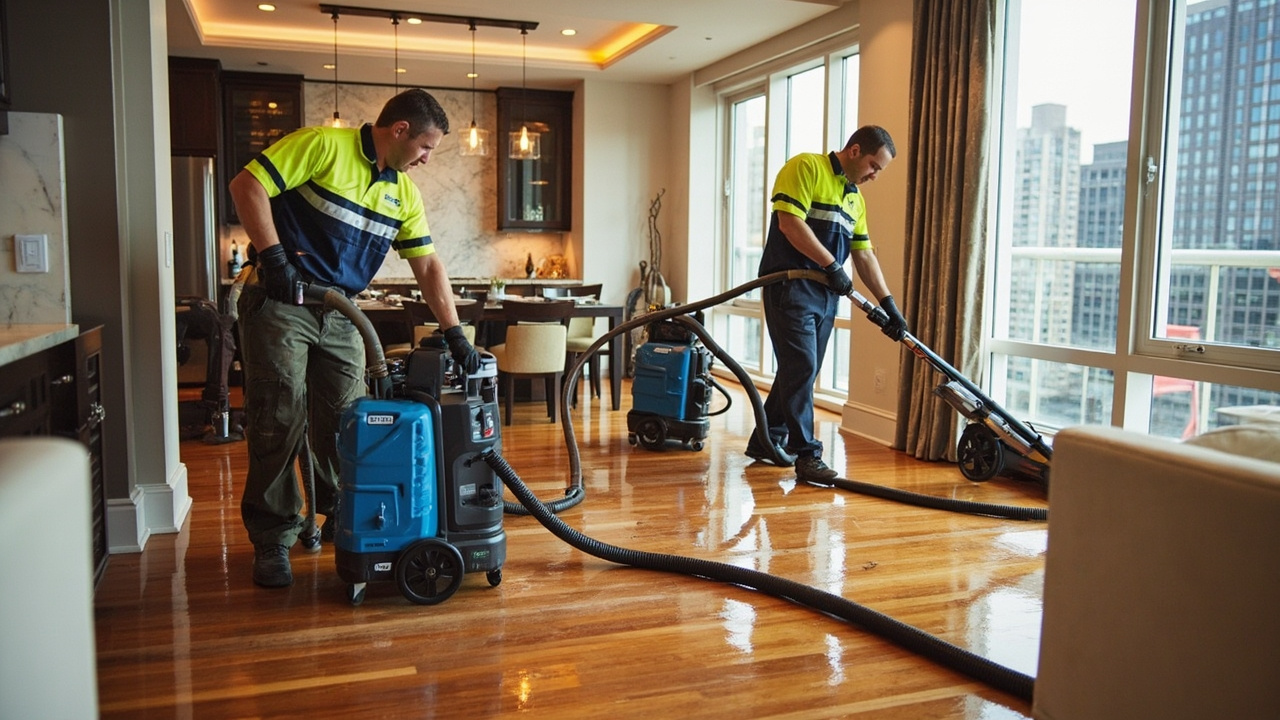






Chicago swings from subzero winters to 90-degree summers with 80 percent humidity. Your hardwood expands and contracts through a six-inch range annually. That movement is normal, but it stresses boards installed without proper acclimation or expansion gaps. When a water event hits during a humid July, the wood is already near maximum expansion. Additional moisture pushes it past the breaking point, causing lifting floorboards and peaking hardwood joints within hours. Winter leaks are equally destructive because forced-air heating dries the wood too quickly, creating checks and splits as the wet core contracts against a dry surface. Timing matters. The season determines how aggressively we dry and whether we add humidity back into the air to prevent secondary cracking.
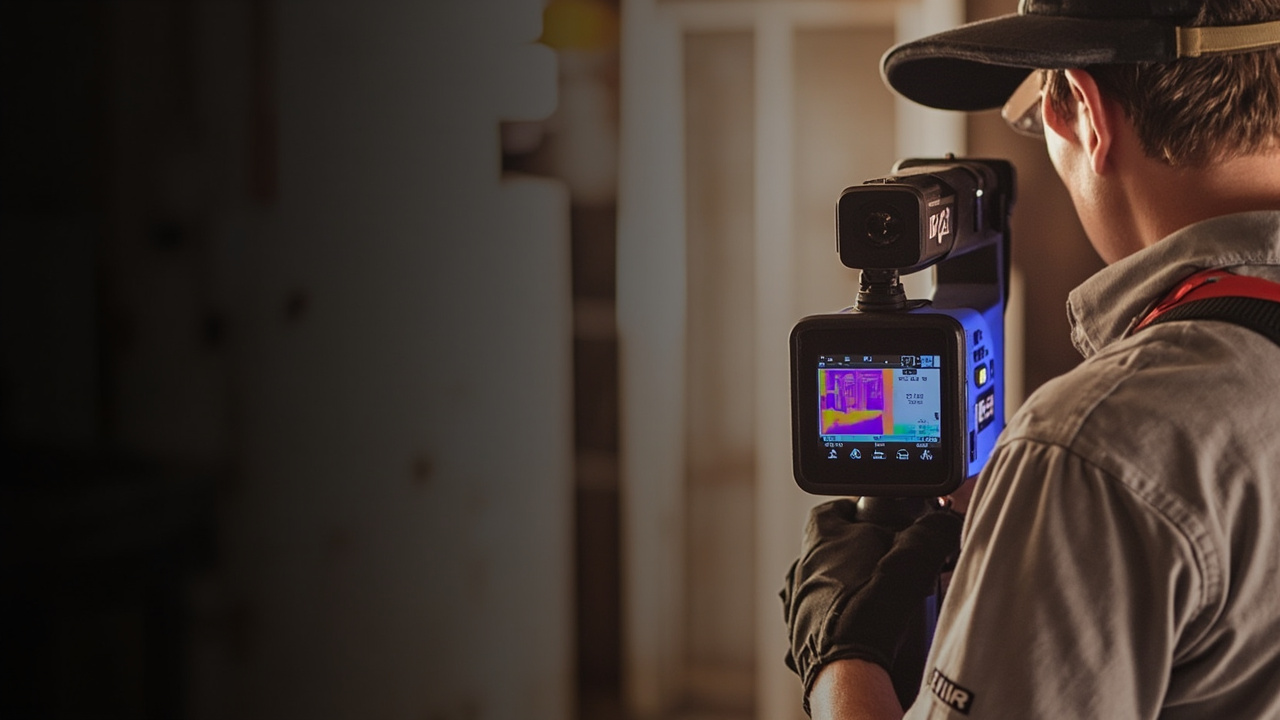
Chicago property owners face strict timelines when filing water damage claims. Most carriers require mitigation to begin within 48 hours or they deny coverage for secondary damage like mold and permanent wood distortion. We provide the documentation local adjusters expect, including moisture maps that meet IICRC standards and drying logs that prove we followed manufacturer protocols. Our crews train specifically on Chicago's older housing stock, where plaster walls, radiator heat, and original hardwood require different handling than modern construction. You need a restoration company that understands local building methods, insurance requirements, and the environmental factors that make Chicago floors uniquely vulnerable to moisture damage.