



menu

Crawl Space Cleanup & Encapsulation in Chicago – Eliminate Moisture, Mold, and Foundation Threats Permanently

Professional crawl space remediation and vapor barrier installation protect your Chicago home from humidity damage, structural decay, and indoor air quality problems caused by below-grade moisture intrusion.

Slider Image 1
Slider Image 2
Slider Image 3
Slider Image 4
Slider Image 5
Slider Image 7
Slider Image 8
Slider Image 9
Slider Image 10
Slider Image 11

Why Chicago Crawl Spaces Fail Without Professional Encapsulation

Chicago's climate creates the perfect storm for crawl space failure. Heavy precipitation, fluctuating temperatures, and high water tables combine to turn unprotected crawl spaces into breeding grounds for mold, wood rot, and structural damage.

The freeze-thaw cycles Chicago experiences each year cause ground movement that cracks foundation walls and allows groundwater seepage. During summer months, humidity levels spike, and your crawl space becomes a moisture trap. That damp air rises into your living spaces through the stack effect, carrying mold spores, musty odors, and elevated humidity that makes your HVAC system work harder.

Many Chicago homes built before the 1980s have crawl spaces with bare dirt floors and inadequate ventilation. These outdated designs were based on the mistaken belief that venting crawl spaces would dry them out. The opposite happens. Humid outdoor air enters through vents, condenses on cool surfaces, and creates standing water.

You might notice sagging floors, increased allergy symptoms, higher energy bills, or that distinctive musty smell. These are warning signs that moisture is degrading your crawl space and threatening your home's structural integrity. Crawl space waterproofing and sealing services address the root cause, not just the symptoms.

Without proper crawl space restoration, you face compounding damage. Wood joists absorb moisture and lose load-bearing capacity. Metal HVAC components corrode. Insulation becomes waterlogged and ineffective. The longer you wait, the more expensive the repair becomes.

Chicago's clay-heavy soils retain water and create hydrostatic pressure against foundation walls. This pressure forces water through any crack or gap. Standard crawl space remediation is not enough. You need comprehensive encapsulation that isolates your home from ground moisture completely.

Why Chicago Crawl Spaces Fail Without Professional Encapsulation
The Science Behind Effective Crawl Space Encapsulation

The Science Behind Effective Crawl Space Encapsulation

Crawl space encapsulation transforms your below-grade area into a controlled environment that blocks moisture at every entry point. This is not about adding ventilation or throwing down plastic sheeting. This is engineered moisture control.

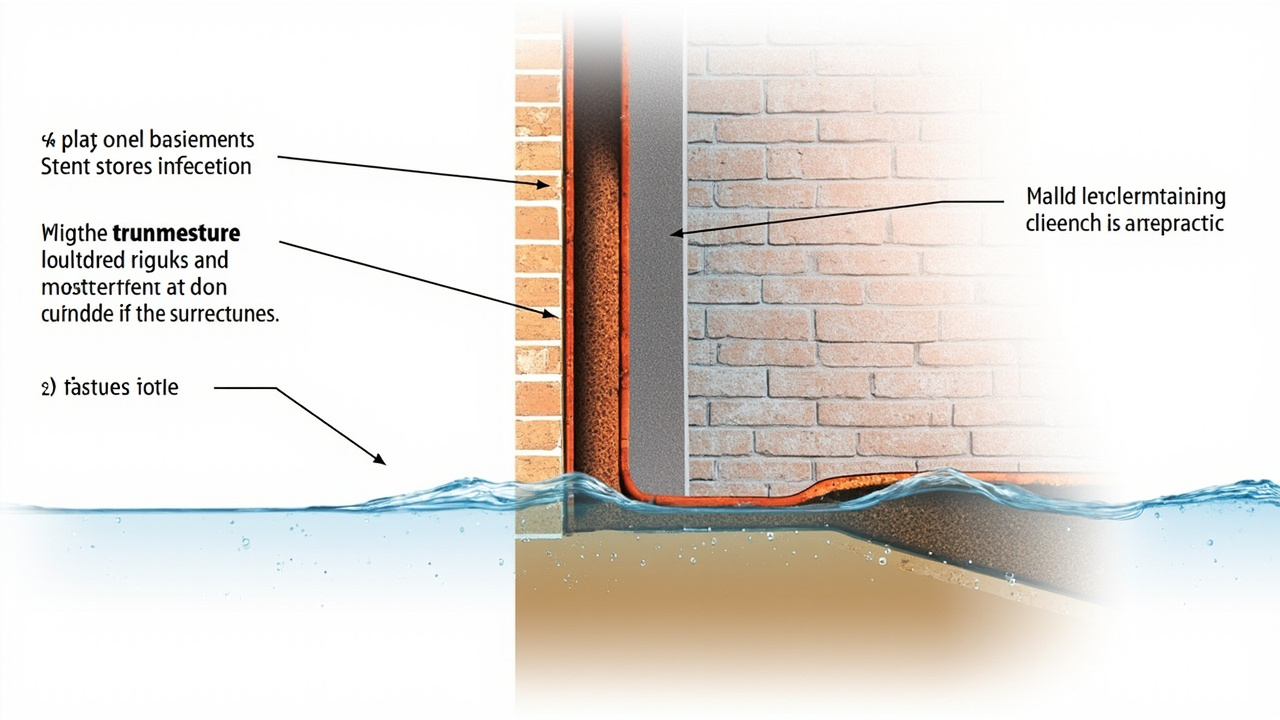
We start by addressing active water intrusion. Any standing water gets extracted, and we identify the source: groundwater seepage, plumbing leaks, or foundation cracks. If groundwater is the culprit, we install a perimeter drainage system that intercepts water before it enters the crawl space. A sump pump then evacuates collected water away from your foundation.

Next comes surface preparation. We remove contaminated insulation, debris, and any material showing mold growth or decay. The crawl space gets cleaned to bare surfaces so the vapor barrier system adheres properly and creates a complete seal.

The vapor barrier installation uses heavy-duty polyethylene sheeting, typically 12 to 20 mils thick. This barrier covers the entire floor and extends up foundation walls. All seams get sealed with specialized tape, and the barrier mechanically fastens to walls above the flood line. This creates a continuous moisture barrier that stops ground vapor transmission.

We seal all crawl space vents permanently. Vented crawl spaces introduce humid air and create temperature differentials that cause condensation. A sealed crawl space maintains consistent temperature and humidity levels year-round.

The final step addresses air quality and humidity control. We install a crawl space dehumidifier sized specifically for your space's cubic footage. This unit maintains relative humidity below 60 percent, the threshold where mold growth and wood decay accelerate.

Some projects require supplemental insulation on foundation walls to improve energy efficiency and prevent condensation. We use closed-cell spray foam or rigid foam board that resists moisture and provides an R-value appropriate for Chicago's climate zone.

What Happens During Your Crawl Space Transformation

Crawl Space Cleanup & Encapsulation in Chicago – Eliminate Moisture, Mold, and Foundation Threats Permanently
01

Comprehensive Moisture Assessment

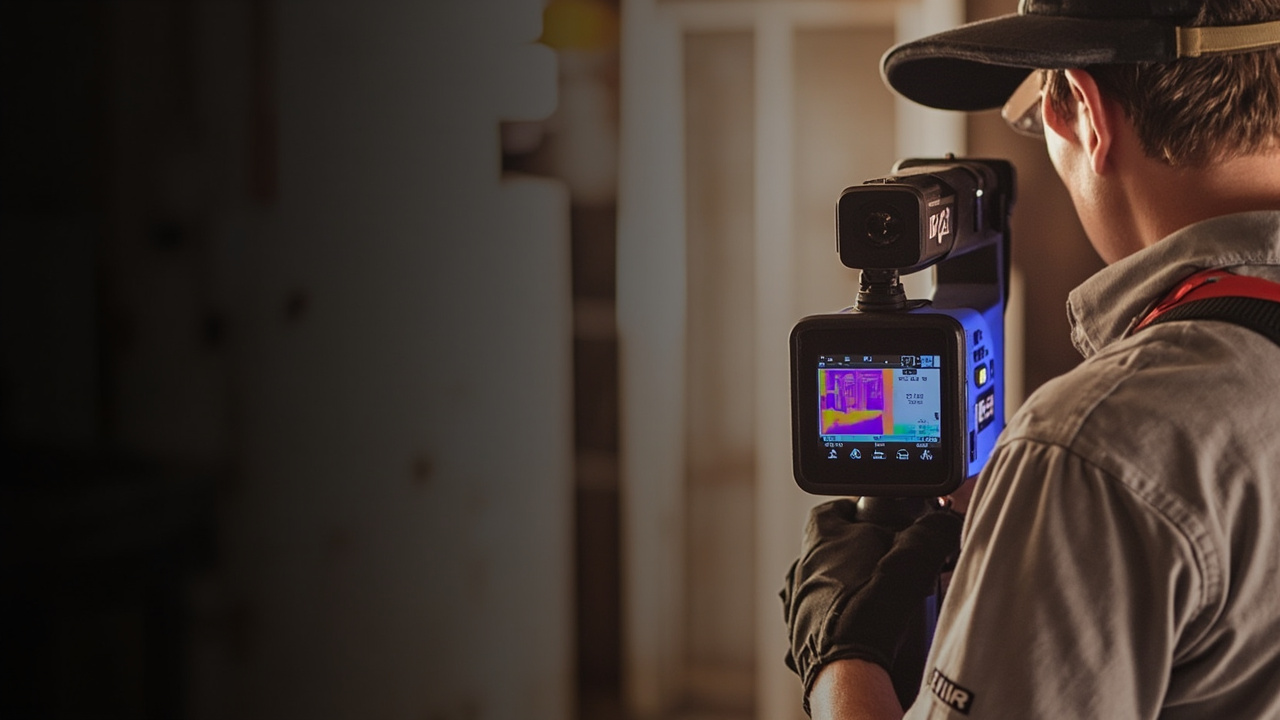
Our technicians inspect every corner of your crawl space with moisture meters, thermal imaging cameras, and air quality monitors. We identify all water entry points, evaluate structural damage, test for mold presence, and measure humidity levels. This diagnostic phase determines whether you need drainage upgrades, structural repairs, or mold remediation before encapsulation begins. You receive a detailed report with photos and specific recommendations for your property.
02

Water Control and Space Preparation

We eliminate all moisture sources before sealing your crawl space. Active leaks get repaired, drainage systems get installed if needed, and standing water gets extracted. Contaminated materials are removed following containment protocols to prevent cross-contamination with your living areas. Foundation cracks get sealed with hydraulic cement or epoxy injection. The space gets treated with antimicrobial solutions on affected surfaces. This phase creates the clean, dry baseline required for long-term encapsulation success.
03

Vapor Barrier and Climate Control

We install the vapor barrier system with precision, ensuring complete coverage and sealed transitions at all penetrations, posts, and wall junctions. Vents get sealed with rigid foam inserts and exterior-grade caulk. The crawl space dehumidifier gets positioned for optimal air circulation and plumbed to drain automatically. You get a digital hygrometer to monitor conditions and verify the system maintains target humidity levels. Your crawl space becomes a clean, dry asset instead of a liability.

Why Chicago Homeowners Trust Local Crawl Space Experts

Chicago's building characteristics require specialized knowledge. The city's housing stock includes homes from every decade of the past century, each with different foundation types and construction methods. Bungalows in neighborhoods like Portage Park have shallow crawl spaces with limited access. Older homes near the lakefront deal with high water tables. Properties built on former wetlands face unique drainage challenges.

We understand how Chicago's clay soils behave. We know which neighborhoods flood during heavy rain events. We recognize the signs of foundation movement caused by soil expansion and contraction. This local knowledge shapes every recommendation we make.

Building codes matter. Chicago requires permits for certain crawl space modifications. We handle all permitting and inspections, ensuring your encapsulation meets code requirements. This protects your investment and prevents complications if you sell your home.

The relationship continues after installation. We offer post-encapsulation inspections to verify system performance and address any concerns. Your dehumidifier needs periodic maintenance, filter changes, and occasional repairs. We provide ongoing support so your encapsulation system delivers decades of protection.

Many crawl space companies operate from out of state, send subcontractors, and disappear after the job. You are working with a Chicago-based team that responds quickly and stands behind our work. If a problem develops, you can reach us immediately.

Crawl space sealing services require investment. You deserve transparent information about what you are buying. We explain exactly what materials we use, why we recommend specific solutions, and what results you should expect. No pressure tactics or artificial urgency. Just honest guidance based on what your home needs.

Chicago homeowners face enough challenges maintaining older homes. Your crawl space should not be one of them. Professional encapsulation solves the problem permanently.

What to Expect From Professional Crawl Space Services

Project Timeline and Scheduling

Most crawl space encapsulation projects take two to four days, depending on square footage, access limitations, and required prep work. We schedule around your availability and work efficiently to minimize disruption. The initial assessment takes about 90 minutes. You receive a detailed proposal within 24 hours outlining scope, timeline, and investment required. Projects requiring drainage systems or extensive mold remediation take longer. We provide realistic timeframes upfront and communicate immediately if conditions change during work.

Thorough Initial Evaluation

Your consultation begins with a complete crawl space inspection. Our technician enters the space with professional equipment and evaluates every factor affecting moisture levels. We measure relative humidity, check wood moisture content, inspect foundation integrity, assess drainage, photograph damage, and test for mold. You receive a written report explaining current conditions and recommended solutions. We answer all questions and explain why specific interventions make sense for your situation. This evaluation costs nothing and creates no obligation. You get expert information to make informed decisions about your home.

Lasting Results You Can Measure

A properly encapsulated crawl space maintains relative humidity between 45 and 55 percent year-round. You will notice immediate improvements in air quality, reduced musty odors, and lower HVAC costs. Floors above the crawl space feel warmer in winter because you are no longer losing heat to cold, damp air below. Allergy symptoms often improve as mold spore counts drop. The digital monitoring system lets you verify performance anytime. Most homeowners see energy savings of 10 to 20 percent during peak heating and cooling months. Your home's resale value increases because buyers recognize the protection encapsulation provides.

Ongoing Protection and Support

The vapor barrier itself requires no maintenance and lasts for decades. Your dehumidifier needs filter changes every six months and periodic cleaning to maintain efficiency. We offer annual maintenance contracts that include system inspection, filter replacement, and performance verification. This preventive maintenance extends equipment life and ensures your crawl space stays protected. If issues arise between visits, you call us directly for rapid response. We keep detailed records of your installation, making future service efficient. Many components carry manufacturer warranties we help you access if needed. Your investment is protected long-term.

Frequently Asked Questions

You Have Questions,
We Have Answers

What is the average cost to encapsulate a crawl space? +

Crawl space encapsulation costs vary based on square footage, existing moisture damage, and system complexity. In Chicago, expect pricing to reflect foundation type, current insulation condition, and whether mold remediation is needed first. Costs increase if you need vapor barriers, dehumidifiers, sump pumps, or structural repairs. Homes in flood-prone neighborhoods near the Chicago River or lakefront areas often require more extensive moisture control systems. Size, accessibility, and the severity of existing water intrusion drive final pricing. Get a detailed inspection to understand what your specific crawl space needs before committing to any service.

Is it worth it to encapsulate a crawlspace? +

Yes, encapsulation is worthwhile for Chicago homeowners facing freeze-thaw cycles, high humidity, and seasonal flooding. Unencapsulated crawl spaces allow moisture infiltration that damages floor joists, promotes mold growth, and increases heating costs during brutal Midwest winters. Properly encapsulated crawl spaces prevent wood rot, improve indoor air quality, and reduce energy bills by creating a conditioned space. Homes in older Chicago neighborhoods with stone or brick foundations see the biggest benefit. Encapsulation protects your structural investment and makes basements more usable. The upfront cost pays off through lower utility bills and avoided foundation repairs.

Is it worth it to clean a crawl space? +

Crawl space cleaning is essential if you have standing water, mold, pest infestations, or damaged insulation. Chicago homes with older foundations often accumulate debris, rodent nests, and moisture damage over decades. Cleaning removes contaminated materials that compromise air quality throughout your home. If you smell musty odors, notice sagging floors, or see visible mold, cleaning is necessary before encapsulation. Skipping this step traps existing problems under new vapor barriers. Clean crawl spaces also allow proper inspection of floor joists and foundation walls for structural issues common in Chicago's clay soil conditions.

What does crawl space encapsulation include? +

Complete crawl space encapsulation includes moisture barrier installation, sealed vents, insulated walls, and dehumidification systems. The process starts with debris removal and mold remediation if needed. Contractors install heavy-duty vapor barriers across floors and up foundation walls, sealing all seams and penetrations. Wall insulation prevents thermal bridging during Chicago winters. Dehumidifiers maintain optimal humidity levels year-round. Many systems include sump pumps for water removal and foundation crack sealing. Proper encapsulation transforms your crawl space into a conditioned area that protects structural components and improves whole-home energy efficiency.

Will insurance cover crawl space encapsulation? +

Standard homeowners insurance rarely covers crawl space encapsulation because insurers view it as preventive maintenance, not sudden damage repair. However, if water damage from a covered peril like burst pipes or sewer backup necessitates encapsulation, you may receive partial coverage for cleanup and restoration. Insurance typically covers acute incidents, not long-term moisture problems or deferred maintenance. In Chicago, policies may cover storm-related flooding only if you carry separate flood insurance. Review your policy carefully and document any sudden water events. Encapsulation done proactively to prevent future damage remains your financial responsibility.

How much does it cost to insulate a 1500 square-foot house crawl space? +

Insulating a 1500 square foot crawl space depends on insulation type, existing condition, and installation method. Chicago homes benefit most from closed-cell spray foam on foundation walls or rigid foam board systems that handle moisture and thermal demands. Homes in neighborhoods like Lincoln Park or Wicker Park with older foundations need careful moisture assessment first. Costs increase if contractors must remove failing fiberglass batts or address ventilation issues. Proper insulation paired with vapor barriers creates an effective thermal envelope that reduces heating costs during Chicago winters. Get multiple quotes specifying insulation R-value and moisture resistance.

What are the negatives of encapsulation? +

Encapsulation drawbacks include upfront costs, ongoing dehumidifier maintenance, and potential installation errors that trap moisture. Poorly executed encapsulation without proper drainage can worsen moisture problems. Chicago homeowners must maintain dehumidifiers and monitor humidity levels year-round. If vapor barriers tear or seams fail, moisture gets trapped against wood framing. Encapsulation also limits future access for plumbing repairs or foundation inspections. Homes with active groundwater intrusion need drainage solutions before encapsulation, adding complexity. Choose experienced contractors who understand Chicago soil conditions and seasonal moisture patterns to avoid these issues.

Can I write off crawl space encapsulation? +

Crawl space encapsulation may qualify as a tax-deductible home improvement under specific conditions. Energy-efficient upgrades sometimes qualify for federal tax credits if they meet efficiency standards. Medical necessity deductions apply if encapsulation addresses mold or air quality issues prescribed by a doctor. Rental property owners can depreciate encapsulation as a capital improvement. For primary residences, encapsulation typically does not qualify unless tied to documented medical needs or energy credits. Consult a tax professional familiar with Illinois regulations and current federal incentives. Keep all receipts and contractor documentation for potential claims.

What are the drawbacks of crawlspace encapsulation? +

The main drawbacks of crawl space encapsulation include installation costs, maintenance requirements, and the need for professional expertise. Improperly sealed systems can trap moisture against foundation walls, accelerating deterioration. Chicago's freeze-thaw cycles demand precise installation to prevent failure. Dehumidifiers require electricity and periodic filter changes. If groundwater issues exist without proper drainage, encapsulation alone fails. Limited contractor access after installation complicates future plumbing or electrical work. Homes with significant structural damage need repairs first, increasing total investment. Weigh these factors against long-term benefits like improved air quality and energy savings.

What is the average cost to clean a 2000 sq ft house? +

Cleaning a 2000 square foot house involves different services than crawl space work. If you mean crawl space cleaning under a 2000 square foot home, costs depend on debris amount, mold presence, insulation removal, and structural repairs needed. Chicago homes with standing water, rodent infestations, or failing vapor barriers require more extensive work. Cleaning includes debris hauling, mold treatment, insulation removal, and surface sanitization. Homes near flood-prone areas or with poor drainage need additional moisture remediation. Always get a detailed inspection identifying specific contamination issues before accepting quotes for your Chicago property.

How Chicago's Lake Effect Humidity Accelerates Crawl Space Damage

Chicago sits on Lake Michigan's southwestern shore, creating microclimates with elevated humidity levels that persist from spring through fall. Lake effect weather patterns push moist air inland, where it settles in below-grade spaces. Your crawl space acts as a condensation chamber when warm, humid air contacts cool foundation walls and soil. This continuous moisture exposure drives mold growth faster than in drier climates. Properties within three miles of the lake face the most aggressive moisture conditions. Effective crawl space waterproofing must account for these sustained humidity levels that ventilation alone cannot control.

Chicago's Department of Buildings has updated codes regarding crawl space construction, but many existing homes predate these standards. We stay current with all local regulations and work directly with city inspectors to ensure compliance. Our familiarity with Chicago's permitting process speeds approvals and prevents delays. We also understand the insurance implications of water damage and mold in Chicago properties. Many carriers now require proof of moisture control in crawl spaces for coverage renewals. Professional encapsulation provides documentation that satisfies these requirements and protects your insurability long-term.
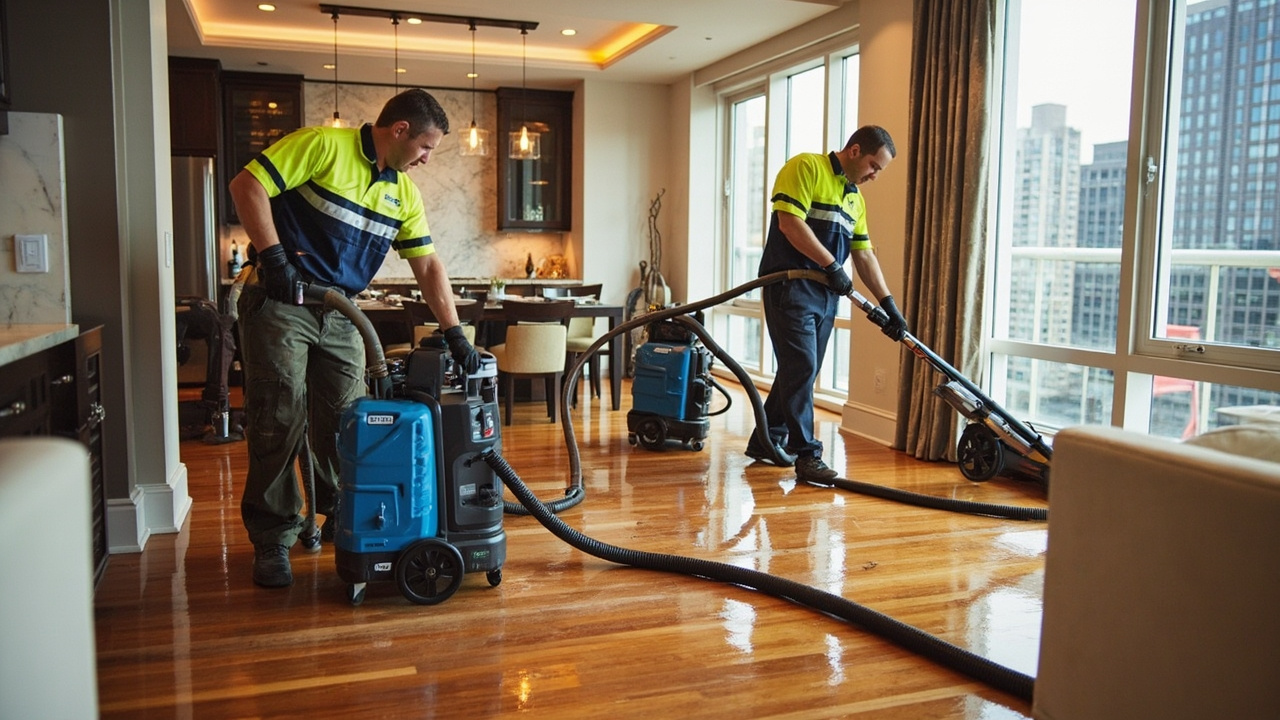
Water Damage Restoration Services in The Chicago Area

Cornerstone proudly serves the entire Chicago area with fast, dependable water damage restoration services. Whether you’re located in downtown, the suburbs, or surrounding neighborhoods, we’re ready to respond to your call—day or night. Use the map below to see our local service coverage and find our nearest team. With mobile units throughout the city, help is never far away. If you’re facing water damage, reach out now and let us show you why homeowners and businesses choose Cornerstone.

Address:
Cornerstone Water Damage Restoration Chicago, 171 N Aberdeen St, Chicago, IL, 60607

Additional Services We Offer

Our news updates

Latest Articles & News from The Blogs

High Humidity and Mold Growth in Chicago Summers What Homeowners Need to Know Your basement smells musty. Your bathroom mirror…

Why high humidity in the Chicago summer makes water damage worse in Calumet Heights

High Humidity and Mold Growth in Chicago Summers What Homeowners Need to Know Your basement smells musty. Your bathroom mirror…

Managing water damage restoration in the high-end luxury builds of the Near North Side

Luxury Home Water Damage Restoration in Chicago's Near North Side A burst pipe at 2 AM in your Gold Coast…

How we use thermal imaging to find hidden leaks in West Ridge homes

Expert Infrared Leak Detection in Chicago Homes and Businesses A hidden pipe leak can destroy your property long before you…

Contact Us

Stop crawl space moisture from damaging your Chicago home. Call (872) 266-1616 now for a comprehensive evaluation and customized encapsulation plan. We respond within 24 hours and provide clear answers about your options and investment required.