



menu

Condensation on Windows & Walls in Chicago – Expert Diagnosis Stops Hidden Damage Before It Spreads

When window sweating and moisture buildup on walls appear in your Chicago property, you need accurate diagnosis and fast intervention. Our certified water damage restoration specialists identify the root cause and prevent costly structural damage.

Slider Image 1
Slider Image 2
Slider Image 3
Slider Image 4
Slider Image 5
Slider Image 7
Slider Image 8
Slider Image 9
Slider Image 10
Slider Image 11

Why Chicago Properties Battle Chronic Condensation Problems

You wake up to weeping window panes. Again. By afternoon, damp drywall patches appear near the baseboards. The problem returns every winter, and now you smell mildew.

This is not normal wear. This is a moisture intrusion event in progress.

Chicago's climate creates perfect conditions for interior glass condensation and moisture buildup on walls. The city sits in a humid continental zone where winter temperatures regularly drop below freezing while indoor heating systems run at full capacity. This temperature differential between cold exterior surfaces and warm interior air creates condensation points throughout your property.

Lake Michigan's proximity adds another variable. Properties within ten miles of the lake experience elevated humidity levels year-round. When cold air from the lake meets heated indoor spaces, moisture condenses on the coldest surfaces first: windows, exterior wall sections, and corners where insulation gaps exist.

Window sweating is the visible symptom. The real damage happens inside your walls.

Older Chicago properties face additional risk. Homes built before 1980 often lack proper vapor barriers. The brick and stone construction common in neighborhoods like Lincoln Park and Hyde Park holds moisture differently than modern materials. Without proper ventilation, that trapped moisture migrates inward, appearing as damp drywall patches that spread slowly across interior walls.

You cannot fix condensation problems with a dehumidifier alone. You need to identify where exterior air infiltration occurs, where insulation has failed, and whether hidden water damage already exists behind your walls. That requires diagnostic equipment and experience with Chicago's specific building stock.

The longer window condensation persists, the higher your risk for mold growth, wood rot, and structural deterioration.

Why Chicago Properties Battle Chronic Condensation Problems
How Professional Moisture Diagnosis Identifies the Real Problem

How Professional Moisture Diagnosis Identifies the Real Problem

When you call about condensation, we do not guess. We measure.

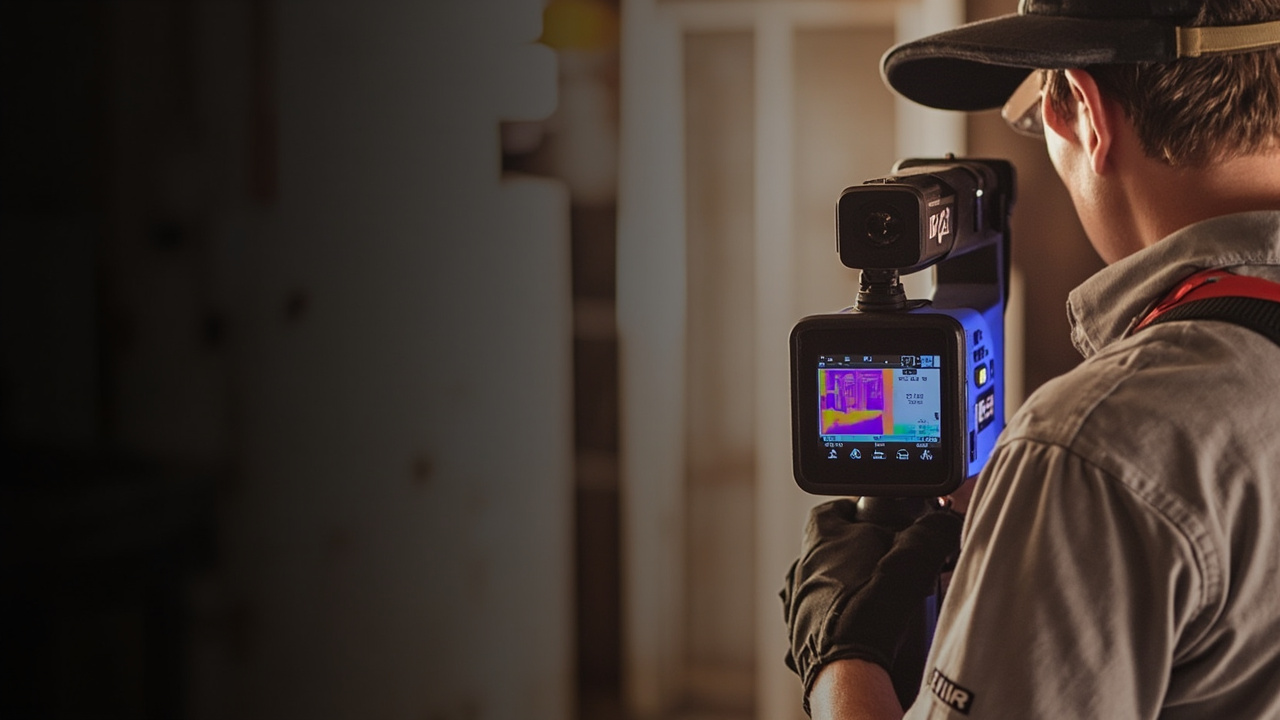
Our diagnostic process starts with thermal imaging. We use infrared cameras to scan every exterior wall, window frame, and ceiling junction in the affected areas. Cold spots visible in thermal scans indicate insulation voids, air leaks, or active moisture intrusion behind finished surfaces. This technology shows us problems your eyes cannot see.

We then deploy moisture meters with pin and non-invasive sensors. Pin meters penetrate drywall to measure moisture content at various depths. Non-invasive scanners detect moisture presence without creating holes. We take readings at multiple heights and locations to map moisture distribution patterns throughout the space.

Relative humidity readings come next. We measure ambient humidity levels in each room, then compare those numbers to outdoor conditions and your HVAC system's performance. High indoor humidity combined with cold surface temperatures creates condensation. If your humidity levels exceed 50 percent during winter, you have a ventilation or dehumidification problem contributing to window sweating.

We inspect every window assembly. Poor installation, failed weatherstripping, and single-pane glass all contribute to interior glass condensation. We check for gaps between window frames and rough openings where uninsulated air spaces allow cold transfer. We examine weep holes that should drain condensation from window tracks but often become clogged with debris.

Our inspection extends to your attic and crawl space. Inadequate attic ventilation traps moisture that migrates downward into living spaces. Crawl spaces without proper vapor barriers release ground moisture upward through floor assemblies. Both conditions worsen damp drywall patches on interior walls.

After collecting data, we provide a written report that identifies every moisture source, rates severity, and outlines the correct remediation sequence. You get facts, not sales pitches.

What Happens During Your Condensation Assessment

Condensation on Windows & Walls in Chicago – Expert Diagnosis Stops Hidden Damage Before It Spreads
01

On-Site Evaluation

We arrive with thermal cameras, moisture meters, and hygrometers. Our technician conducts a room-by-room scan of all areas showing window sweating or moisture buildup on walls. We photograph thermal anomalies and document moisture readings in a digital report. This initial assessment takes 60 to 90 minutes depending on property size and identifies all active moisture intrusion points.
02

Source Identification

After collecting data, we analyze patterns to determine root causes. Is condensation caused by poor ventilation, failed insulation, air leakage, or a combination of factors? We check HVAC system operation, inspect window installations, and examine building envelope integrity. This diagnostic phase separates surface symptoms from underlying structural or mechanical failures that require different repair approaches.
03

Action Plan Delivery

You receive a detailed report with thermal images, moisture readings, and prioritized recommendations. We explain which repairs stop active damage, which improvements prevent recurrence, and what timeline makes sense for your situation. If hidden water damage exists, we outline extraction and drying procedures. You get a clear roadmap with no pressure, just professional guidance based on measurable data.

Why Chicago Properties Need Local Water Damage Expertise

National franchise technicians follow scripts. Local specialists understand how Chicago buildings fail.

Cornerstone Water Damage Restoration Chicago has assessed condensation problems in every type of structure this city offers. We have diagnosed moisture issues in Greystones along the boulevards, brick two-flats in Logan Square, high-rise condos downtown, and vintage bungalows on the Southwest Side. Each building type has specific vulnerability points where moisture intrusion occurs.

Chicago's freeze-thaw cycles create unique challenges. When temperatures swing from 10 degrees to 40 degrees within 48 hours, building materials expand and contract. This movement opens gaps in mortar joints, window caulking, and flashing details. Those gaps allow air infiltration that creates cold spots where condensation forms. We know where to look because we have seen these failure patterns repeatedly across thousands of local properties.

We understand Chicago's building codes and permit requirements. If your condensation problem requires wall cavity access, window replacement, or HVAC modifications, we know which work triggers permit requirements and how to coordinate inspections. We work with local building inspectors regularly, which speeds approval processes and prevents compliance issues.

Our response time matters when condensation indicates active leaks. We dispatch from our Chicago location, not a suburban warehouse 40 miles away. When you discover damp drywall patches spreading across a wall, you need someone on-site within hours, not tomorrow afternoon.

We also maintain relationships with the specialized contractors who fix what we find. If thermal imaging reveals insulation voids that require remediation, we refer you to insulation contractors who understand Chicago construction methods. If window assemblies need replacement, we connect you with installers experienced in historical district requirements and modern energy codes.

You get honest diagnosis focused on fixing problems correctly, not selling unnecessary services. We succeed when your condensation stops and does not return.

What You Can Expect From Our Condensation Assessment Service

Rapid Response Availability

We schedule most assessments within 24 to 48 hours of your call. If you report sudden moisture buildup suggesting an active leak, we prioritize emergency response and can often arrive same-day. Our diagnostic equipment stays loaded in service vehicles, ready to deploy. You do not wait days while damp drywall patches expand or window sweating creates mold conditions. We understand that moisture problems worsen quickly, and early intervention prevents expensive damage. Call us at (872) 266-1616 to schedule your assessment at a time that works with your schedule.

Comprehensive Moisture Mapping

Our assessment covers every area where moisture intrusion might occur. We scan exterior walls, interior walls, ceilings, floors, window assemblies, and door frames. Thermal imaging reveals temperature differentials indicating insulation gaps or air leakage paths. Moisture meters quantify water content in building materials. Hygrometers measure relative humidity levels in each room. We create a complete picture of moisture behavior throughout your property. You receive documentation showing exactly where problems exist and how severe each condition rates. This data-driven approach eliminates guesswork and prevents misdiagnosis.

Clear Remediation Guidance

After completing diagnostics, we explain findings in plain language. You learn what causes your condensation, what damage has already occurred, and what steps will resolve the problem permanently. We prioritize recommendations based on urgency and effectiveness. Stop-gap measures that provide temporary relief get labeled as such. Permanent solutions that address root causes receive detailed explanations. If your situation requires specialized contractors beyond water damage restoration scope, we tell you that honestly. Our goal is accurate information that helps you make informed decisions about your property.

Ongoing Monitoring Support

Condensation problems often require staged repairs and follow-up verification. After initial assessment, we can schedule return visits to verify that implemented solutions actually stop moisture intrusion. We re-scan treated areas with thermal imaging and take new moisture readings to confirm drywall has dried properly. If condensation returns after repairs, we investigate whether new moisture sources have developed or if additional work is needed. This monitoring service ensures that your investment in repairs delivers lasting results. We remain available for questions and concerns long after the initial assessment concludes.

Frequently Asked Questions

You Have Questions,
We Have Answers

How to stop condensation on windows and walls? +

Stop condensation by increasing ventilation and controlling indoor humidity. Run exhaust fans during cooking and showering. Crack open windows for 10-15 minutes daily, even in Chicago winters. Keep your thermostat consistent, aiming for 68-72°F. Use a dehumidifier to keep relative humidity between 30-50%. Move furniture away from exterior walls to improve airflow. Check that dryer vents exhaust outside. Repair leaky pipes or roof damage that adds moisture. If condensation persists after these fixes, you may have insulation gaps or air leaks that need professional sealing.

Should I be worried about condensation on windows? +

Occasional morning condensation is normal in Chicago's humid summers and cold winters. Worry when you see persistent moisture, puddles on sills, or condensation appearing daily. Chronic window condensation signals excess indoor humidity that can trigger mold growth within 24-48 hours. Watch for musty odors, peeling paint, or water stains near windows. These indicate moisture has penetrated drywall or framing. Heavy condensation between double-pane glass means the seal failed and the window needs replacement. Address persistent condensation quickly to prevent structural damage and mold issues.

Should you wipe condensation off windows? +

Wipe condensation off windows immediately to prevent water damage. Use a towel or squeegee to remove moisture from glass, frames, and sills. Water sitting on wood sills causes rot. Moisture trapped in frame channels leads to mold and corrosion. Wiping is a temporary fix, not a solution. You must identify why condensation forms. Chicago's temperature swings between seasons create prime condensation conditions. If you wipe windows daily, you have a ventilation or humidity problem that needs correction. Fix the root cause or you will face ongoing damage.

Why am I getting condensation on my walls? +

Wall condensation happens when warm, humid indoor air contacts cold wall surfaces. Chicago's freezing winters make exterior walls cold. If your insulation is inadequate or missing, wall surfaces drop below the dew point. Moisture in the air then condenses directly on the wall. Common causes include poor insulation, air leaks, high indoor humidity from cooking or showering, and blocked ventilation. Basement walls are especially prone due to cold concrete and poor airflow. Wall condensation is serious because it soaks into drywall and insulation, creating hidden mold and rot.

What to put on walls to stop condensation? +

Do not put anything on walls to stop condensation. Covering the symptom does not fix the problem. You must reduce indoor humidity and improve insulation. Vapor barriers belong inside wall cavities during construction, not on finished surfaces. Adding insulation to exterior walls raises the interior surface temperature above the dew point. Use mold-resistant paint only after you solve the moisture source. In Chicago homes, focus on sealing air leaks around windows and outlets. Run exhaust fans and dehumidifiers. If condensation continues, hire a professional to assess insulation gaps and ventilation issues.

Does condensation mean my house is too cold? +

Condensation does not mean your house is too cold. It means you have a temperature differential between indoor air and cold surfaces. Chicago winters create extreme temperature gaps. When warm, humid indoor air hits a cold window or wall, moisture condenses. Your thermostat setting matters less than the surface temperature of walls and glass. Poor insulation allows exterior cold to penetrate, chilling interior surfaces. Raising your thermostat without fixing insulation wastes energy and may not stop condensation. The solution is better insulation and controlled humidity, not higher heat.

Does condensation on windows mean poor insulation? +

Window condensation often signals poor insulation, but not always. Single-pane windows and old double-pane units with broken seals condensate easily in Chicago's cold winters because glass temperatures drop drastically. Even well-insulated windows show condensation if indoor humidity is excessive. Check for drafts around window frames. Feel the glass. If it feels ice-cold, you have insulation or air sealing problems. Condensation forming only on windows may mean the windows need replacement. Condensation on walls and windows together indicates broader insulation failure. Address both humidity control and insulation gaps.

What are signs of excessive condensation? +

Excessive condensation shows up as daily water buildup on windows, wet patches on walls or ceilings, and puddles on windowsills. You may see black mold spots in corners or around frames. Peeling paint and wallpaper signal moisture penetration. Musty odors indicate hidden mold growth inside walls. In Chicago basements, watch for damp concrete walls and efflorescence, a white powdery deposit from moisture. Warped wood trim and soft drywall are advanced signs. If you notice any of these, act immediately. Prolonged moisture causes structural damage and health risks.

Will a dehumidifier stop condensation on windows? +

A dehumidifier helps reduce condensation by lowering indoor humidity levels. In Chicago's humid summers, dehumidifiers are effective. However, they are not a complete fix. If you have air leaks, poor insulation, or ventilation problems, condensation may continue. Run your dehumidifier in basements and main living areas. Aim for 30-50% relative humidity. Empty the reservoir daily or use a drain hose. Dehumidifiers work best when combined with exhaust fans, proper ventilation, and insulation improvements. They treat the symptom but do not address underlying structural issues causing condensation.

Does condensation always indicate a problem? +

Minor condensation on windows during Chicago's coldest mornings is normal. It does not always indicate a serious problem. Worry when condensation is persistent, heavy, or spreads to walls and ceilings. Seasonal condensation during extreme temperature swings is common in older homes. The issue becomes a problem when moisture causes mold, rot, peeling paint, or musty odors. If you see condensation daily or year-round, you have a ventilation, insulation, or humidity issue that needs correction. Do not ignore chronic condensation. It leads to expensive structural damage and health risks over time.

How Lake Effect Humidity Amplifies Condensation Damage in Chicago Properties

Chicago's position on Lake Michigan creates moisture conditions rare in inland cities. During winter, the lake effect drives cold, humid air masses into the metro area. When this moisture-laden air enters heated buildings, relative humidity spikes. That excess moisture seeks cold surfaces to condense upon, which is why window sweating intensifies after lake effect weather systems move through. Properties in lakefront neighborhoods from Rogers Park south to Hyde Park experience these conditions most severely. The closer you sit to the shoreline, the more frequently interior glass condensation appears. Older buildings with single-pane windows and inadequate ventilation cannot manage the moisture load, resulting in persistent damp drywall patches that spread throughout winter months.

Chicago's building inspection department enforces strict moisture control requirements in rehabilitation projects, but many existing properties predate modern vapor barrier standards. Our team stays current with Chicago's residential and commercial building codes, including ventilation requirements and insulation specifications updated in recent energy code revisions. We understand how local inspectors evaluate moisture remediation work, which matters if your condensation problem requires permit-level repairs. This local regulatory knowledge ensures that any recommended solutions comply with city requirements and pass inspection without delays. When you work with specialists who understand both moisture science and Chicago's enforcement practices, you avoid costly mistakes and failed inspections.
Water Damage Restoration Services in The Chicago Area

Cornerstone proudly serves the entire Chicago area with fast, dependable water damage restoration services. Whether you’re located in downtown, the suburbs, or surrounding neighborhoods, we’re ready to respond to your call—day or night. Use the map below to see our local service coverage and find our nearest team. With mobile units throughout the city, help is never far away. If you’re facing water damage, reach out now and let us show you why homeowners and businesses choose Cornerstone.

Address:
Cornerstone Water Damage Restoration Chicago, 171 N Aberdeen St, Chicago, IL, 60607

Additional Services We Offer

Our news updates

Latest Articles & News from The Blogs

High Humidity and Mold Growth in Chicago Summers What Homeowners Need to Know Your basement smells musty. Your bathroom mirror…

Why high humidity in the Chicago summer makes water damage worse in Calumet Heights

High Humidity and Mold Growth in Chicago Summers What Homeowners Need to Know Your basement smells musty. Your bathroom mirror…

Managing water damage restoration in the high-end luxury builds of the Near North Side

Luxury Home Water Damage Restoration in Chicago's Near North Side A burst pipe at 2 AM in your Gold Coast…

How we use thermal imaging to find hidden leaks in West Ridge homes

Expert Infrared Leak Detection in Chicago Homes and Businesses A hidden pipe leak can destroy your property long before you…

Contact Us

Window sweating and damp walls indicate active moisture problems that worsen daily. Call Cornerstone Water Damage Restoration Chicago at (872) 266-1616 for professional diagnosis using thermal imaging and moisture mapping technology. We identify the real cause and show you how to fix it permanently.