



menu

Commercial Water Damage Restoration in Chicago – Minimize Business Downtime with Industrial-Grade Response

When water threatens your commercial property, every hour of delay increases lost revenue and operational disruption. Cornerstone Water Damage Restoration Chicago delivers enterprise-scale commercial water damage repair with the equipment capacity and project coordination to restore full operations quickly.

Slider Image 1
Slider Image 2
Slider Image 3
Slider Image 4
Slider Image 5
Slider Image 7
Slider Image 8
Slider Image 9
Slider Image 10
Slider Image 11

Water Damage in Chicago Commercial Properties: High Stakes and Tight Timelines

A pipe burst in your office building halts operations. A roof leak floods your retail space. A sprinkler malfunction soaks your warehouse inventory. For Chicago businesses, water damage is not just a repair issue. It is a liability exposure and revenue problem.

Chicago's climate compounds commercial water damage risks. Winter freeze-thaw cycles stress aging pipe infrastructure in older buildings throughout the Loop and Near North Side. Spring flooding from the Chicago River and Lake Michigan storm surges can overwhelm commercial drainage systems. Summer humidity accelerates microbial growth in concealed wall cavities and HVAC plenums.

Commercial water damage cleanup requires different resources than residential work. You need truck-mounted extraction units, not shop vacuums. You need dehumidification capacity measured in hundreds of pints per day, not portable consumer units. You need crew coordination across multiple zones to avoid disrupting adjacent tenants or operational areas.

Business water damage restoration also involves code compliance complexity. Chicago's municipal code requires commercial properties to meet specific drying standards before reconstruction. Insurance carriers demand documentation at every phase. OSHA regulations apply if the water source involves category 2 or category 3 contamination.

The financial stakes are clear. Every day your facility remains offline, you lose revenue, pay idle staff, and risk contract penalties. Commercial water mitigation is not about convenience. It is about minimizing operational downtime and controlling liability exposure.

Water Damage in Chicago Commercial Properties: High Stakes and Tight Timelines
How We Execute Large-Scale Commercial Water Remediation

How We Execute Large-Scale Commercial Water Remediation

Commercial water damage repair demands industrial capacity and project management discipline. We deploy resources scaled to your facility size and operational constraints.

Our initial response includes a site superintendent who maps affected zones, identifies containment requirements, and coordinates with your facility manager or property management team. We do not start extraction until we understand your operational priorities and access restrictions.

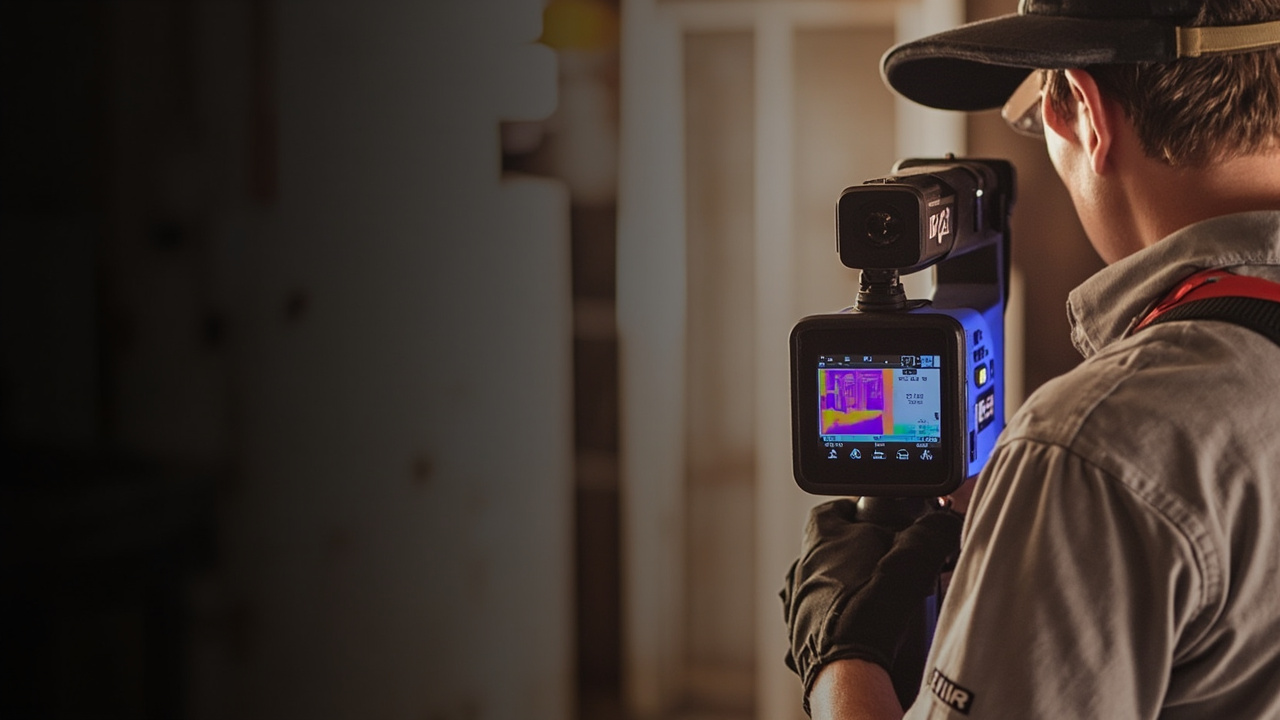
We use thermal imaging to identify moisture intrusion behind walls, above ceilings, and under flooring without destructive probing. This reduces unnecessary demolition and speeds the drying timeline. Moisture mapping with calibrated hygrometers establishes baseline readings in structural materials so we can track drying progress with precision.

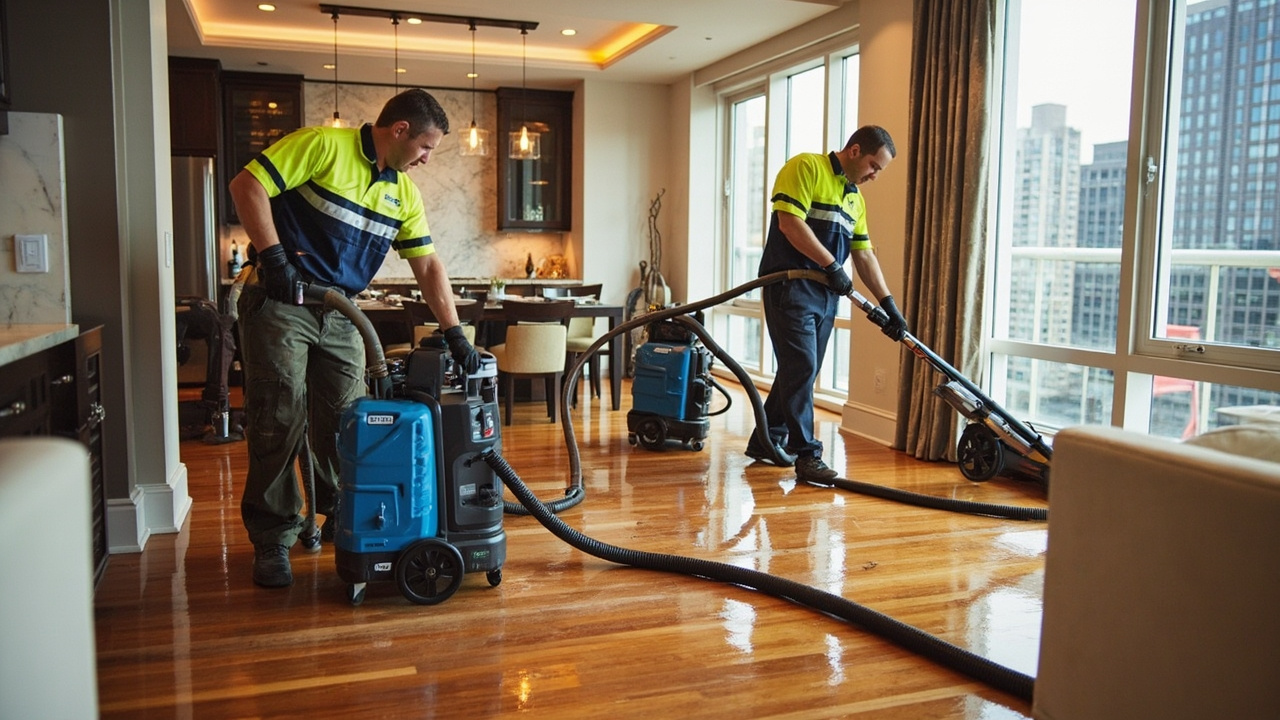
For extraction, we deploy truck-mounted units capable of removing thousands of gallons per hour. These systems provide continuous operation without frequent tank emptying, which reduces labor hours and project duration. In multi-story buildings, we use trailer-mounted extractors positioned at ground level with hoses routed through stairwells or elevator shafts.

Desiccant dehumidifiers handle the heavy lifting in large open spaces like warehouses or manufacturing floors. These units process high volumes of air and operate effectively even when structural materials are saturated. In occupied office areas, we use low-grain refrigerant dehumidifiers that run quieter and allow partial occupancy during drying.

Air movers are positioned using psychrometric principles to create laminar airflow across wet surfaces. We do not randomly scatter fans. We calculate air changes per hour based on cubic footage and adjust equipment placement to optimize evaporation rates while maintaining negative air pressure in containment zones.

Our documentation process satisfies insurance carriers and municipal inspectors. We log moisture readings twice daily, photograph all affected areas before and after mitigation, and maintain chain-of-custody records for any removed materials.

Our Commercial Water Damage Response Protocol

Commercial Water Damage Restoration in Chicago – Minimize Business Downtime with Industrial-Grade Response
01

Emergency Containment and Assessment

We arrive with a site superintendent who establishes containment barriers using polyethylene sheeting and zipper doors to isolate affected zones from operational areas. Thermal imaging and moisture meters map the full extent of water intrusion into structural cavities. We identify electrical hazards, document pre-loss conditions, and coordinate access schedules with your facility manager to minimize disruption to ongoing business operations.
02

Industrial-Scale Water Extraction

Truck-mounted extraction units remove standing water at rates exceeding 200 gallons per minute. We extract from carpets, subfloors, and saturated materials using weighted wands and subsurface extraction mats. Desiccant and refrigerant dehumidifiers are staged based on cubic footage and ambient conditions. Air movers create calculated airflow patterns to accelerate evaporation while HEPA filtration prevents cross-contamination in occupied spaces.
03

Verification and Operational Handoff

Moisture levels in structural materials are verified using calibrated hygrometers to confirm readings below 15 percent moisture content, meeting Chicago municipal code requirements for reconstruction. We provide certification documents for your insurance carrier and coordinate final walk-throughs with your property manager. Equipment demobilization is scheduled to restore full facility access. All documentation, including psychrometric logs and photographic records, is delivered within 48 hours.

Why Chicago Businesses Choose Us for Commercial Water Mitigation

Commercial water damage restoration requires operational understanding that residential contractors lack. We have managed water events in Chicago high-rises, industrial facilities in Pilsen, retail centers in Lincoln Park, and office buildings throughout the West Loop.

We understand Chicago's commercial building infrastructure. Many properties in the Loop and River North were constructed between 1920 and 1970, with cast iron drain stacks and galvanized supply lines prone to corrosion failure. We know how water migrates through masonry facades common in older Chicago commercial buildings. We know which floors in multi-tenant buildings require notification under Chicago landlord-tenant ordinances.

Our equipment inventory includes redundant capacity so we can scale response without delays. If your facility requires eight industrial dehumidifiers, we do not need to source rentals or pull equipment from other jobs. We own the assets and deploy them immediately.

We coordinate with Chicago municipal inspectors who require commercial water damage documentation before issuing rebuilding permits. We know the submission requirements for the Department of Buildings and maintain relationships with third-party industrial hygienists when post-mitigation testing is required.

Insurance coordination is handled by our project managers who communicate directly with your adjuster. We provide daily updates, itemized scope documentation, and xactimate estimates formatted to match carrier requirements. This reduces claim disputes and accelerates payment timelines.

Cornerstone Water Damage Restoration Chicago operates as a business services provider, not a contractor who shows up with a truck and a shop vacuum. We assign a dedicated project manager to your account. You receive direct mobile contact, not a call center. We provide advance notice before site visits and coordinate access schedules around your operational priorities.

What to Expect During Your Commercial Water Damage Project

Rapid Deployment and Scalable Resources

We dispatch a site superintendent within two hours of your call. Initial containment and extraction begin the same day. Our equipment fleet includes sufficient capacity to handle facilities up to 100,000 square feet without sourcing external rentals. Crew size scales to your timeline requirements. If you need accelerated drying to restore operations within 72 hours, we deploy additional personnel and equipment to meet that deadline. Multi-shift operations are available for urgent projects where business continuity is critical.

Comprehensive Damage Assessment and Scope Documentation

Our assessment includes thermal imaging of all affected and adjacent areas to map concealed moisture intrusion. We inspect HVAC systems, electrical panels, and IT infrastructure for secondary damage. Moisture readings are recorded in structural materials using penetrating and non-invasive meters. We document pre-loss conditions with photographs and video. The scope of work is provided in writing within 24 hours, detailing equipment deployment, estimated drying time, and access requirements. This documentation satisfies insurance carriers and provides your CFO with timeline and cost visibility.

Certified Dry Standards and Regulatory Compliance

We dry structural materials to equilibrium moisture content, not just surface dryness. Verification testing uses calibrated hygrometers with readings logged twice daily. Final moisture levels meet IICRC S500 standards and Chicago municipal code requirements for commercial reconstruction. We provide certification documents that satisfy your insurance carrier and municipal inspectors. If your facility requires post-mitigation environmental testing for microbial growth, we coordinate with independent industrial hygienists and provide clearance documentation. All work is performed to maintain your ability to pass occupancy inspections.

Post-Mitigation Coordination and Documentation Delivery

After drying is verified, we coordinate reconstruction contractor access and provide detailed documentation packages including psychrometric logs, moisture maps, photographic records, and equipment deployment schedules. Your project manager remains available for insurance adjuster questions and municipal inspector inquiries. We provide referrals to qualified commercial general contractors familiar with Chicago commercial building codes if you need reconstruction services. All documentation is delivered in both physical and digital formats within 48 hours of project completion to support your claim submission and financial reconciliation processes.

Frequently Asked Questions

You Have Questions,
We Have Answers

How much money does it cost to repair water damage? +

Commercial water damage repair costs vary based on the severity, source, and extent of damage. Minor incidents like a small pipe leak may run a few thousand dollars. Major events, such as flooding affecting multiple floors or structural systems, can exceed six figures. Chicago's older commercial buildings often require additional structural drying and mold remediation due to freeze-thaw cycles and high humidity. Factors include water category, affected square footage, equipment needs, and business interruption mitigation. Get a detailed estimate from a certified restorer who understands local building codes and can document damages for your insurance claim.

Does commercial property insurance cover water damage? +

Most commercial property policies cover sudden and accidental water damage, such as burst pipes or roof leaks. Coverage depends on your policy terms and the water source. Flood damage requires separate flood insurance, which is critical for Chicago properties near the Chicago River or Lake Michigan. Gradual damage from poor maintenance, like slow leaks or deteriorating seals, is typically excluded. Review your policy for coverage limits, deductibles, and business interruption clauses. Work with a restoration company experienced in commercial claims to ensure proper documentation and maximize your recovery while minimizing downtime.

Is water damage restoration worth it? +

Yes. Delaying commercial water damage restoration leads to exponential costs. Water migrates quickly through Chicago's multi-story buildings, damaging structural components, electrical systems, and inventory. Mold can colonize within 48 hours, creating liability risks and code violations. Professional restoration prevents secondary damage, documents losses for insurance, and minimizes business interruption. The cost of restoration is almost always lower than the compounded costs of structural failure, mold remediation, lost revenue, and potential litigation. Fast action protects your asset value, keeps operations running, and limits your liability exposure in a competitive market.

Does insurance pay for water restoration? +

Insurance typically pays for water restoration if the damage results from a covered peril. Commercial policies cover sudden events like burst pipes, HVAC leaks, or storm damage. You must file promptly and provide detailed documentation. Insurers may dispute claims if they find maintenance neglect or policy exclusions. Chicago's harsh winters often cause freeze-related claims, which are usually covered if you maintained proper heating. Work with a restoration company that handles commercial claims documentation, understands depreciation schedules, and can justify mitigation costs to adjusters. Proper documentation increases claim approval and reimbursement speed.

What is the average water damage claim? +

The average commercial water damage claim ranges from $10,000 to $50,000, but large-scale incidents in Chicago office buildings or retail spaces can exceed $100,000. Claim size depends on affected square footage, water category, structural damage, and business interruption costs. Claims involving multiple floors, elevator shafts, or HVAC systems in high-rise buildings trend higher. Chicago's commercial real estate values and strict building codes also impact repair costs. Your actual claim depends on your policy limits, deductible, and whether you have business interruption coverage. Document everything to maximize recovery.

Why is water damage so expensive? +

Water damage is expensive because it affects multiple building systems simultaneously. Water spreads rapidly through walls, floors, and ceilings, requiring specialized extraction, drying, and monitoring equipment. Chicago's commercial buildings often have complex HVAC, electrical, and plumbing systems that need professional assessment. Labor costs include 24/7 emergency response, skilled technicians, and project management. Mold prevention requires antimicrobial treatment and air scrubbing. Structural drying can take days or weeks. Business interruption adds indirect costs. Delayed response compounds expenses exponentially. Fast, professional mitigation reduces total costs and limits liability exposure.

What type of water damage is not covered by insurance? +

Insurance typically excludes flood damage, which requires separate flood coverage. Gradual damage from maintenance neglect, like slow leaks or condensation, is not covered. Seepage from below-grade walls, sewer backups without endorsement, and earth movement are usually excluded. Chicago properties near water bodies or with aging infrastructure should review exclusions carefully. Damage from tenant negligence or code violations may also be denied. Mold resulting from delayed mitigation can be disputed. Read your commercial policy declarations page and endorsements. Consider adding flood, sewer backup, and equipment breakdown coverage to close gaps in protection.

What is the 80% rule in property insurance? +

The 80% rule requires you to insure your property for at least 80% of its replacement value to avoid coinsurance penalties. If you underinsure, your claim payout is reduced proportionally. For example, if your Chicago building is worth $1 million but insured for only $600,000, you face penalties on partial losses. Many commercial property owners underinsure due to rising construction costs and property values. Review your coverage annually with your agent and appraiser. Accurate valuation ensures full claim payment and protects your investment in Chicago's competitive commercial market.

How much can I claim for water damage? +

Your claim amount depends on your policy limits, deductible, covered damages, and documentation quality. Commercial policies pay actual cash value or replacement cost, minus depreciation if applicable. Business interruption coverage adds lost income and operating expenses. Chicago's high property values and construction costs mean thorough documentation is critical. Work with a restoration company that provides detailed estimates, moisture mapping, and photo documentation. Include all damaged systems, contents, and mitigation costs. Accurate, comprehensive claims get paid faster and higher. Underdocumented claims face disputes and reduced payouts.

How to choose a water damage restoration company? +

Choose a commercial water damage restoration company with IICRC certification, commercial project experience, and 24/7 emergency response. Verify they understand Chicago building codes, work with commercial insurers, and have industrial-grade equipment. Ask for references from similar properties, like office buildings or retail spaces. Check their response time, project management process, and ability to minimize business interruption. Confirm they provide detailed documentation for insurance claims. A qualified restorer will assess structural systems, coordinate with your property manager, and deliver transparent timelines. Experience in Chicago's commercial market ensures code compliance and faster restoration.

Why Chicago's Commercial Building Infrastructure Demands Specialized Water Damage Response

Chicago's commercial building stock includes a high concentration of structures built before 1970, particularly in the Loop, River North, and West Loop districts. These buildings use cast iron drain stacks, galvanized steel supply lines, and masonry curtain wall construction that create unique water intrusion pathways. When pipes fail or roofs leak, water migrates laterally through masonry walls and vertically through elevator shafts and utility chases. Standard residential extraction methods cannot handle the scale or complexity. Commercial water damage cleanup in Chicago requires industrial equipment capacity, multi-zone containment strategies, and familiarity with older building systems that behave differently than modern construction.

Chicago municipal code requires commercial properties to meet specific drying standards before reconstruction permits are issued. The Department of Buildings enforces compliance through third-party verification in many cases. Insurance carriers operating in Chicago expect documentation that aligns with these municipal requirements. Contractors unfamiliar with local code enforcement processes create claim delays and compliance issues. Cornerstone Water Damage Restoration Chicago maintains working relationships with Chicago building inspectors and understands submission requirements for commercial occupancy permits. Our documentation process is designed to satisfy both insurance carriers and municipal authorities, reducing administrative friction and accelerating your return to operations.
Water Damage Restoration Services in The Chicago Area

Cornerstone proudly serves the entire Chicago area with fast, dependable water damage restoration services. Whether you’re located in downtown, the suburbs, or surrounding neighborhoods, we’re ready to respond to your call—day or night. Use the map below to see our local service coverage and find our nearest team. With mobile units throughout the city, help is never far away. If you’re facing water damage, reach out now and let us show you why homeowners and businesses choose Cornerstone.

Address:
Cornerstone Water Damage Restoration Chicago, 171 N Aberdeen St, Chicago, IL, 60607

Additional Services We Offer

Our news updates

Latest Articles & News from The Blogs

High Humidity and Mold Growth in Chicago Summers What Homeowners Need to Know Your basement smells musty. Your bathroom mirror…

Why high humidity in the Chicago summer makes water damage worse in Calumet Heights

High Humidity and Mold Growth in Chicago Summers What Homeowners Need to Know Your basement smells musty. Your bathroom mirror…

Managing water damage restoration in the high-end luxury builds of the Near North Side

Luxury Home Water Damage Restoration in Chicago's Near North Side A burst pipe at 2 AM in your Gold Coast…

How we use thermal imaging to find hidden leaks in West Ridge homes

Expert Infrared Leak Detection in Chicago Homes and Businesses A hidden pipe leak can destroy your property long before you…

Contact Us

Your business cannot afford delays. Call (872) 266-1616 now for immediate dispatch. Our site superintendent will arrive within two hours with industrial-scale equipment and a documented action plan. We handle insurance coordination, code compliance, and operational scheduling so you can focus on running your business.