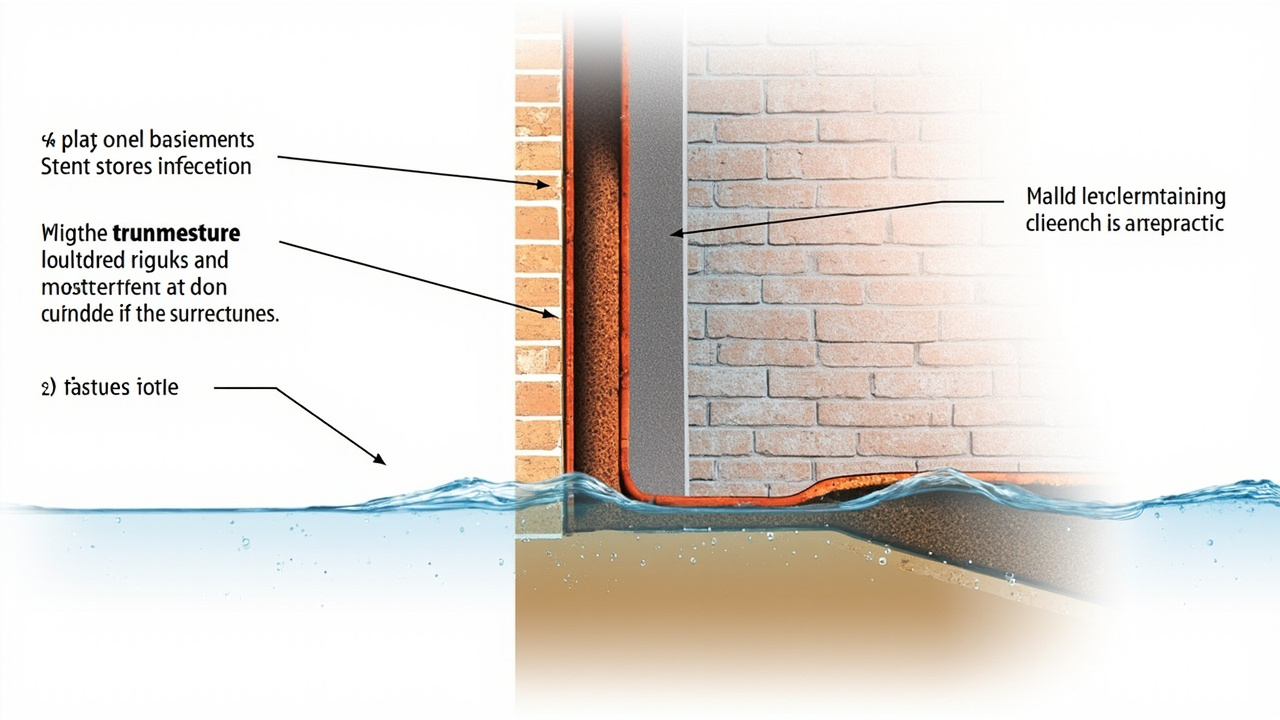





Chicago operates one of the oldest combined sewer systems in the United States, serving over 2.3 million residents. During heavy rainfall events, stormwater and sanitary sewage flow through the same pipes. When system capacity is exceeded, the Metropolitan Water Reclamation District opens overflow gates, but upstream pressure can force sewage back into low-lying commercial properties, particularly in neighborhoods near the Chicago River or in basements below street grade. Industrial sewage cleanup becomes a recurring risk for businesses in flood-prone zones like Pilsen, McKinley Park, or parts of the West Loop. Understanding this infrastructure reality is critical for commercial property managers evaluating remediation providers.
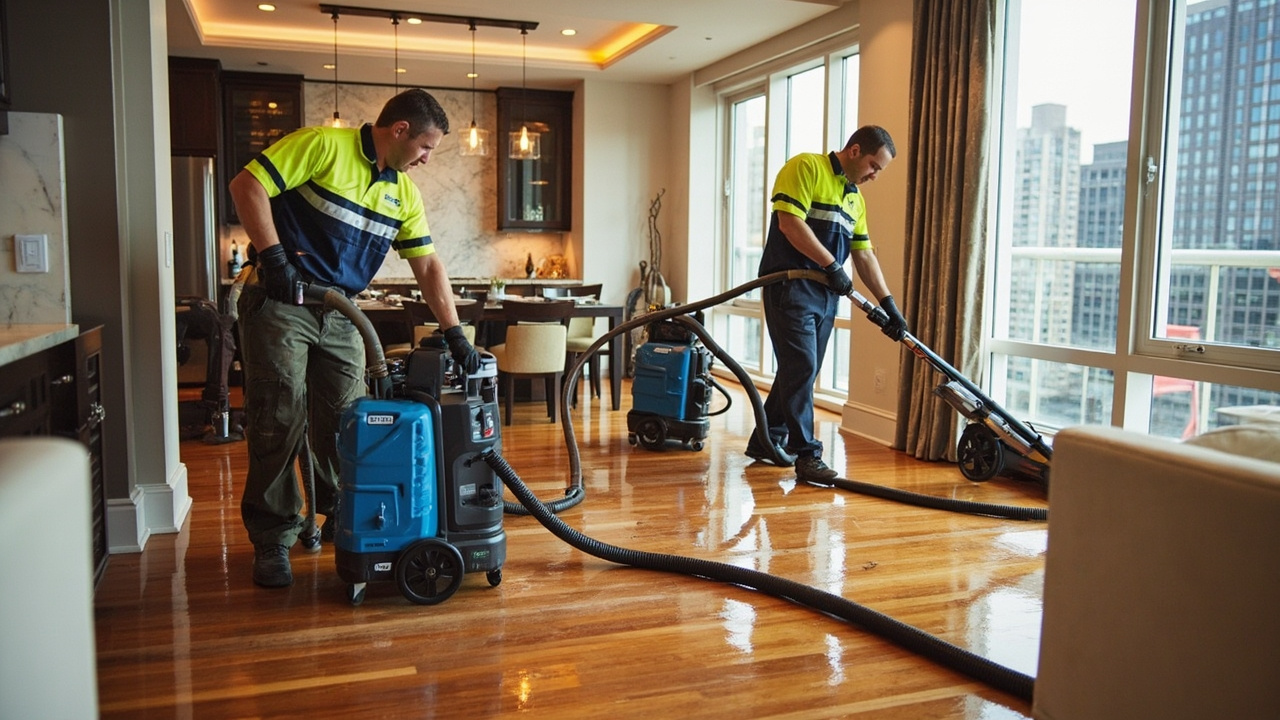
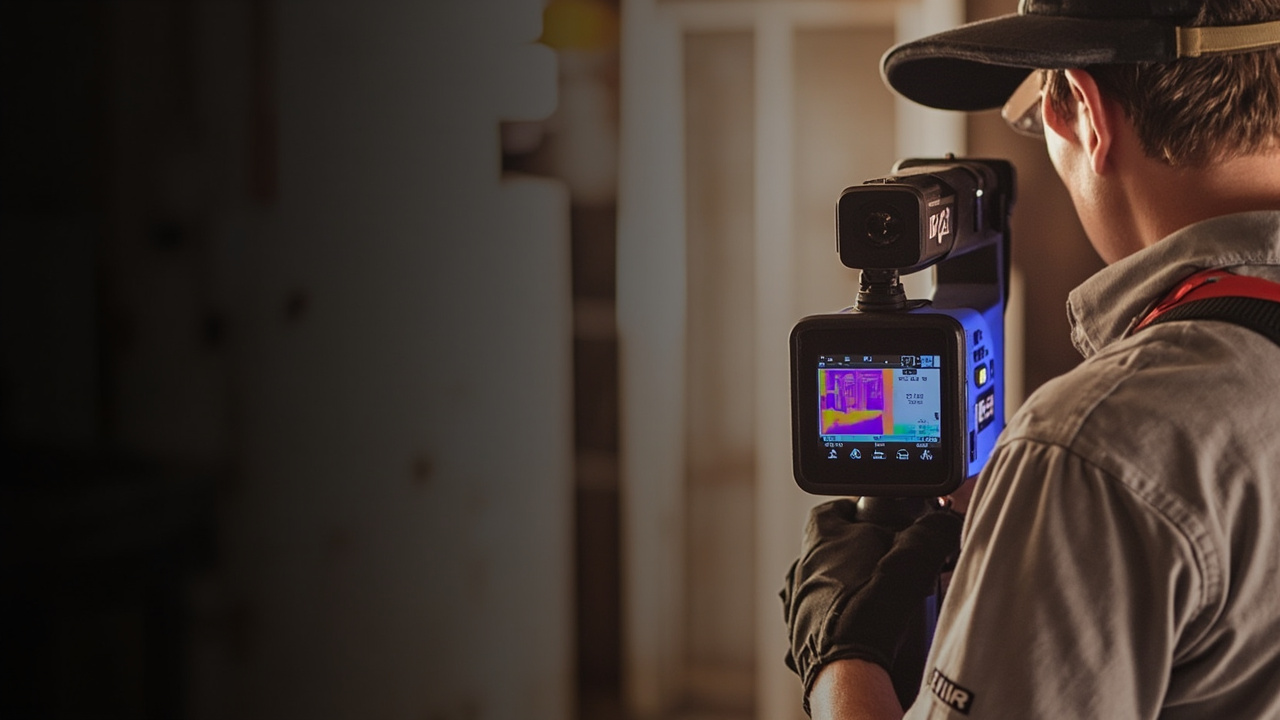
Chicago businesses face strict enforcement of the Illinois Plumbing Code and local health ordinances following sewage incidents. The Department of Public Health can red-tag facilities that fail to properly remediate Category 3 water contamination, forcing closure until compliance is demonstrated. Choosing a remediation provider unfamiliar with Chicago's regulatory environment exposes you to extended downtime and potential fines. Cornerstone Water Damage Restoration Chicago maintains direct communication channels with city inspectors and understands documentation requirements for expedited reopening approvals. Local expertise translates to faster resolution and reduced business interruption.