



menu

Commercial Mold Remediation in Chicago – Minimize Downtime and Protect Your Business Assets

Cornerstone Water Damage Restoration Chicago delivers industrial-grade commercial mold mitigation with minimal operational disruption, full regulatory compliance, and documentation for your insurance carrier and legal protection.

Slider Image 1
Slider Image 2
Slider Image 3
Slider Image 4
Slider Image 5
Slider Image 7
Slider Image 8
Slider Image 9
Slider Image 10
Slider Image 11

Why Chicago Commercial Properties Face Elevated Mold Risk

Chicago's humid continental climate creates ideal conditions for mold growth in commercial buildings. Summer humidity regularly exceeds 70 percent, and the city's dramatic freeze-thaw cycles stress building envelopes, creating hidden moisture intrusion points in roofs, window casings, and foundation walls. High-rise buildings in the Loop and older warehouse conversions in West Town face additional challenges due to HVAC system failures and aging infrastructure.

Commercial mold remediation differs from residential work in scope and liability. A restaurant in River North with mold in the kitchen faces immediate health department scrutiny. An office building in the West Loop risks tenant lawsuits and lease violations. Retail spaces in Lincoln Park must maintain customer-facing operations during commercial mold cleanup. Manufacturing facilities in Pilsen cannot afford extended shutdowns for business mold remediation.

The risk extends beyond visible growth. Mold spores circulate through shared HVAC systems, contaminating multiple floors. Water damage from roof leaks or plumbing failures in one unit migrates through shared walls. Delayed commercial mold abatement increases structural damage to drywall, insulation, and ceiling tiles. Chicago's commercial lease agreements often place remediation responsibility on tenants, creating additional financial exposure.

Your facility needs a commercial mold mitigation partner who understands Chicago building codes, works within your operational constraints, and provides documentation for insurance claims and regulatory compliance. Speed matters, but so does doing the work correctly the first time.

Why Chicago Commercial Properties Face Elevated Mold Risk
How We Execute Commercial Mold Remediation Without Disrupting Operations

How We Execute Commercial Mold Remediation Without Disrupting Operations

Cornerstone Water Damage Restoration Chicago performs commercial mold removal using containment protocols that isolate affected areas while maintaining business continuity. We establish negative air pressure chambers with HEPA filtration to prevent cross-contamination to occupied spaces. Our commercial crews work off-hours when your facility is closed or schedule phased remediation to keep critical areas operational.

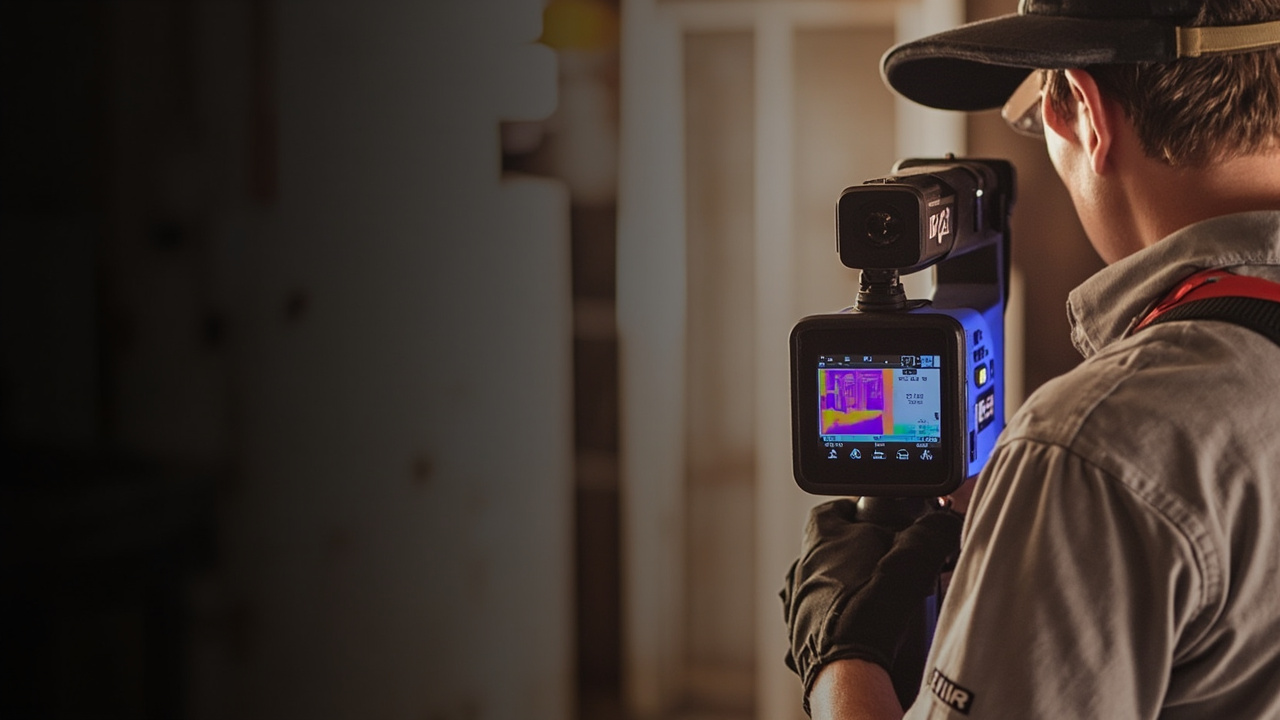
We begin with thermal imaging and moisture mapping to identify all affected building materials, not just visible growth. Chicago's brick and terra cotta construction hides moisture in wall cavities. Our team removes contaminated materials down to structural framing, treats surfaces with EPA-registered antimicrobials, and verifies remediation success with post-clearance air sampling. We document every step for your insurance adjuster and legal file.

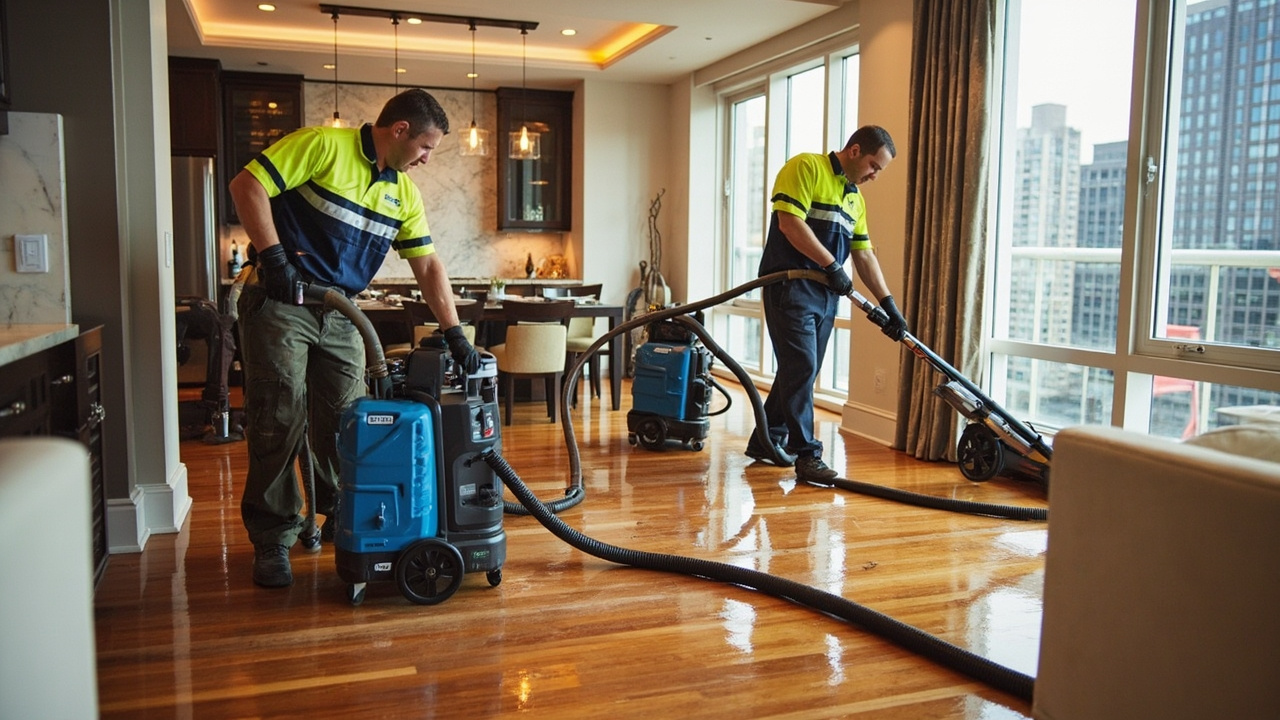
Commercial mold mitigation requires different equipment than residential jobs. We deploy industrial dehumidifiers rated for 10,000+ square feet, commercial-grade air scrubbers that process 2,000 CFM, and truck-mounted extraction systems for large-scale water removal. Our crews are trained in confined space entry for mechanical rooms and OSHA regulations for multi-story containment barriers.

The reconstruction phase follows commercial building codes specific to your occupancy classification. Office spaces require fire-rated drywall assemblies. Food service facilities need NSF-approved materials and finishes. Retail spaces must meet ADA compliance and local permit requirements. We coordinate with your architect, property manager, and municipal inspectors to ensure your space meets all code requirements before you reopen.

Business mold remediation is not a DIY project. Incomplete removal allows regrowth. Improper containment spreads contamination. Missing documentation creates liability. We eliminate the problem and provide the paper trail you need.

What Happens During Your Commercial Mold Remediation Project

Commercial Mold Remediation in Chicago – Minimize Downtime and Protect Your Business Assets
01

Facility Assessment and Containment

Our crew arrives with moisture meters, thermal cameras, and air sampling equipment to map the full extent of contamination. We identify the moisture source, whether it is a roof leak, HVAC condensation, or plumbing failure. We establish physical containment barriers with polyethylene sheeting and create negative air pressure zones to prevent spore migration to clean areas. You receive a written scope of work with detailed protocols before we begin demolition.
02

Remediation and Material Removal

Our technicians remove all contaminated materials including drywall, insulation, ceiling tiles, and compromised framing. We HEPA-vacuum all surfaces, apply antimicrobial treatments to structural elements, and run commercial air scrubbers continuously during the work. All debris goes into sealed bags for proper disposal per Illinois EPA guidelines. We maintain photographic documentation and chain-of-custody records for your insurance claim and potential litigation.
03

Verification and Reconstruction

After remediation, we conduct post-clearance air quality testing to verify spore counts meet industry standards. An independent hygienist reviews results before we proceed to reconstruction. We rebuild using mold-resistant materials, install vapor barriers where required by code, and address the original moisture source to prevent recurrence. You receive a complete project file including pre and post photos, air quality reports, and certificates of completion for your property records.

Why Chicago Commercial Clients Choose Cornerstone for Mold Remediation

Cornerstone Water Damage Restoration Chicago understands the difference between commercial and residential mold work. We carry the insurance limits required for large commercial projects. Our crews hold IICRC certifications in applied microbial remediation and work within OSHA regulations for confined spaces and respiratory protection. We provide the certificates of insurance your property manager requires before we start work.

We know Chicago's commercial building stock. The city's older brick structures trap moisture differently than modern curtain-wall high-rises. Warehouse conversions in Fulton Market have different ventilation challenges than concrete office towers in the Loop. Industrial facilities in the Southwest Side face contamination from both interior humidity and exterior pollutants. We adjust our protocols based on your building type and occupancy classification.

Your business cannot afford extended closures. We schedule work during off-hours, coordinate with your facility manager to maintain access to critical systems, and complete projects in phases to keep revenue-generating areas operational. A restaurant can keep the dining room open while we remediate the basement. An office building can operate normally while we work on vacant floors. A retail space can continue sales while we address back-of-house contamination.

We document everything for your protection. You receive daily progress photos, air quality data, and material disposal records. Our final report includes pre-remediation assessment findings, detailed work logs, post-clearance testing results, and reconstruction specifications. This documentation satisfies insurance carriers, answers tenant inquiries, and protects you from future liability claims. Chicago commercial property owners need partners who understand the regulatory and legal landscape, not just mold removal.

What to Expect From Your Commercial Mold Remediation Project

Project Timeline and Scheduling

Commercial mold mitigation timelines depend on contamination extent and building access constraints. A single office suite with localized growth takes three to five days from containment to reconstruction. Multi-floor projects in occupied buildings require phased work over two to three weeks. We provide a detailed schedule during the initial assessment and adjust based on your operational needs. Emergency projects receive immediate dispatch, with containment established within hours to prevent business interruption. We coordinate with your facility manager, tenants, and municipal inspectors to minimize downtime and maintain compliance throughout the project.

Initial Assessment and Scope Development

Your project begins with a comprehensive facility inspection using thermal imaging, moisture mapping, and air quality sampling. We identify all affected areas, not just visible growth, and trace the moisture source to its origin. You receive a written protocol detailing containment procedures, material removal plans, and reconstruction specifications. The assessment includes regulatory compliance review, insurance documentation requirements, and coordination with your industrial hygienist if you have one on retainer. We answer questions about business interruption, tenant notification obligations, and municipal permit requirements before work begins.

Quality Standards and Deliverables

Your project concludes with independent post-clearance testing to verify spore counts meet IICRC S520 standards. We provide a complete documentation package including pre-remediation findings, daily progress logs, material disposal records, air quality reports, and reconstruction completion certificates. All work meets Chicago building codes for your occupancy classification. We address the underlying moisture problem, whether it requires roof repairs, plumbing corrections, or HVAC modifications, to prevent recurrence. Your final deliverable includes recommendations for ongoing moisture management and maintenance protocols to protect your investment.

Post-Remediation Support and Prevention

After completing commercial mold cleanup, we provide ongoing moisture monitoring recommendations and maintenance protocols tailored to your facility. Our team trains your maintenance staff on early warning signs, proper HVAC filter schedules, and humidity control strategies. We offer quarterly facility inspections to identify potential problems before they become contamination events. You receive emergency contact information for after-hours water damage response, because prevention is easier than remediation. Our goal is to keep your facility operational and your tenants healthy, not to create repeat business through inadequate initial remediation.

Frequently Asked Questions

You Have Questions,
We Have Answers

What do professionals use to remediate mold? +

Professionals use HEPA-filtered air scrubbers to contain airborne spores, antimicrobial solutions to kill mold at the root, and controlled demolition tools to remove contaminated materials like drywall or insulation. Negative air pressure machines prevent cross-contamination to adjacent spaces. In Chicago commercial properties, technicians address moisture sources first, often tied to HVAC condensation or aging building envelopes common in older Loop and River North structures. Industrial-grade dehumidifiers stabilize humidity levels below 50%. All remediation follows IICRC S520 protocols and local building codes to ensure compliance and protect liability exposure for property owners and managers.

How much does it cost to professionally get rid of mold? +

Commercial mold remediation costs depend on square footage, contamination severity, and affected materials. Small office areas may require minimal investment, while warehouse-scale projects involving structural materials and HVAC system cleaning escalate quickly. Chicago properties face higher costs due to union labor rates and strict municipal inspection requirements. Factors include containment complexity, after-hours access to minimize business interruption, and disposal fees for contaminated materials. Most commercial projects require environmental clearance testing post-remediation, adding to total expenditure. Request a detailed scope of work and line-item estimate before authorizing work to control budget and ensure code compliance.

How much does professional mold removal cost? +

Professional mold removal pricing varies by project scope, material replacement needs, and access challenges. A 500-square-foot office suite differs drastically from multi-floor contamination in a Chicago high-rise. Commercial projects factor in business downtime costs, after-hours premiums, and containment barriers to isolate occupied zones. Structural drying, HVAC cleaning, and post-remediation verification testing add line items. Chicago's building codes mandate licensed contractors and inspections, influencing total cost. The investment protects against tenant litigation, lease disputes, and property value degradation. Obtain multiple bids with clear deliverables, insurance requirements, and timeline guarantees to compare accurately and avoid change orders.

Is professional mold removal worth it? +

Professional mold removal is non-negotiable for commercial properties. DIY approaches miss hidden growth in HVAC systems, wall cavities, and structural gaps common in Chicago's older masonry buildings. Liability exposure from tenant health claims, lease violations, and code enforcement penalties far exceeds remediation costs. Professionals document the process with air quality testing and photographic evidence, protecting you in disputes. Improper removal spreads spores, worsening contamination and compounding expenses. Chicago's humid summers and freeze-thaw cycles create recurring moisture issues requiring source correction, not surface treatment. Professional remediation addresses root causes, prevents recurrence, and maintains asset value and operational continuity.

How Chicago's Lake Effect Humidity Accelerates Commercial Mold Growth

Chicago's proximity to Lake Michigan creates persistent humidity that challenges commercial HVAC systems year-round. Lake effect moisture drives indoor humidity above 60 percent even in winter, creating condensation on cold surfaces in mechanical rooms, parking garages, and ground-floor retail spaces. The city's temperature swings stress building envelopes, creating air leaks where humid outdoor air infiltrates wall cavities. High-rise buildings along the lakefront face additional pressure from wind-driven rain penetrating curtain wall systems. Commercial mold abatement in Chicago requires understanding these climate-specific moisture sources, not just treating visible growth. Facilities that ignore humidity control face recurring contamination regardless of how many times they remove mold.

Cornerstone Water Damage Restoration Chicago works with commercial property managers throughout the Loop, River North, West Loop, and surrounding neighborhoods. We understand Chicago building codes, coordinate with city inspectors, and maintain relationships with commercial insurance adjusters who handle claims throughout Cook County. Our team recognizes the architectural challenges in the city's historic masonry buildings and modern steel-frame towers. We carry the proper insurance limits for large commercial projects and provide the documentation your legal counsel requires. When you hire a commercial mold mitigation contractor, you need a team that understands Chicago's regulatory environment and commercial real estate pressures, not just mold removal techniques.
Water Damage Restoration Services in The Chicago Area

Cornerstone proudly serves the entire Chicago area with fast, dependable water damage restoration services. Whether you’re located in downtown, the suburbs, or surrounding neighborhoods, we’re ready to respond to your call—day or night. Use the map below to see our local service coverage and find our nearest team. With mobile units throughout the city, help is never far away. If you’re facing water damage, reach out now and let us show you why homeowners and businesses choose Cornerstone.

Address:
Cornerstone Water Damage Restoration Chicago, 171 N Aberdeen St, Chicago, IL, 60607

Additional Services We Offer

Our news updates

Latest Articles & News from The Blogs

High Humidity and Mold Growth in Chicago Summers What Homeowners Need to Know Your basement smells musty. Your bathroom mirror…

Why high humidity in the Chicago summer makes water damage worse in Calumet Heights

High Humidity and Mold Growth in Chicago Summers What Homeowners Need to Know Your basement smells musty. Your bathroom mirror…

Managing water damage restoration in the high-end luxury builds of the Near North Side

Luxury Home Water Damage Restoration in Chicago's Near North Side A burst pipe at 2 AM in your Gold Coast…

How we use thermal imaging to find hidden leaks in West Ridge homes

Expert Infrared Leak Detection in Chicago Homes and Businesses A hidden pipe leak can destroy your property long before you…

Contact Us

Contact Cornerstone Water Damage Restoration Chicago at (872) 266-1616 for immediate commercial mold assessment. We provide emergency response, detailed project proposals, and work within your operational constraints to eliminate contamination and restore your facility.