
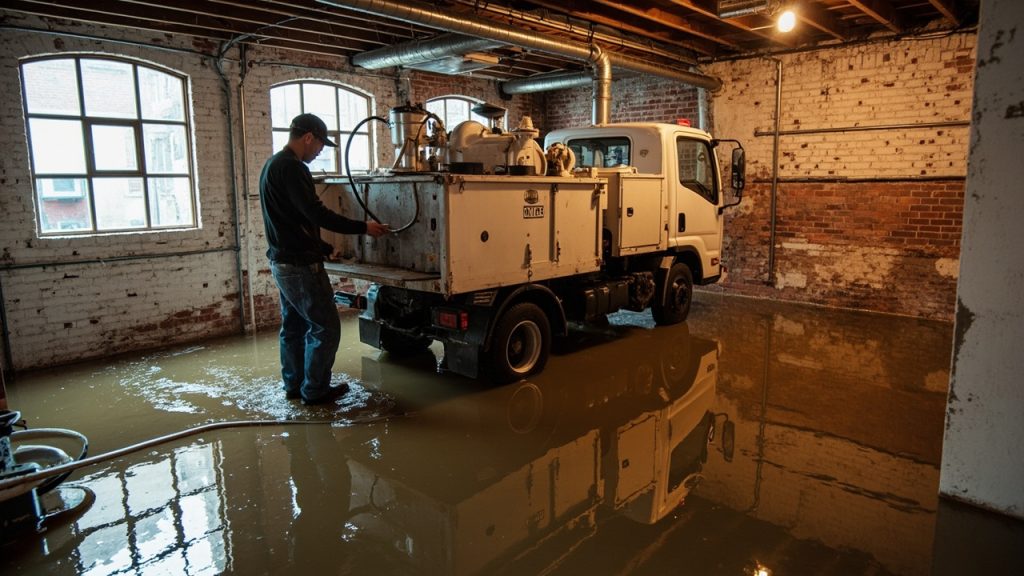
Coach House Basement Flooding Cleanup in Chicago Emergency Restoration Services
Standing water rises against the brick foundation of your coach house basement right now. Water climbs toward finished areas as you watch it happen, and you need to know what to do in the next 30 minutes.
Stop. Do not go down there if the water reaches electrical outlets or your breaker panel. Turn off power at the main panel if you can do it safely. Do not touch wet electrical equipment. Call 911 if gas lines flood or you smell gas.
Once you reach safety, call Cornerstone Water Damage Restoration. We answer 24 hours a day, 7 days a week. Our crews arrive in Chicago coach houses across Logan Square within 60 minutes of your call. We bring industrial extraction pumps, dehumidifiers, and structural drying equipment. We have restored thousands of basement floods in historic Chicago coach houses. We understand your building type, your neighborhood’s drainage challenges, and how to work with your insurance company.
This article explains why Chicago coach houses flood, what you should do right now, and how professional restoration actually works.
Why Chicago Coach Houses Flood More Than You Think
Chicago coach houses represent beautiful historic buildings. Developers originally built them as carriage houses and guest quarters in the late 1800s and early 1900s. These structures sit in alleyways. Shallow foundations made of brick and limestone support them. They sit lower than the street because Chicago was built on a flat prairie, and alleys received no engineering for modern rainfall patterns.
Standing water fills your coach house basement because three factors work together.
The Chicago Combined Sewer System
Most of Chicago operates on a combined sewer system. Rainwater and sewage travel in the same pipes. During heavy rain, those pipes overflow. The Metropolitan Water Reclamation District monitors rainfall and alerts residents when overflow becomes likely. When the MWRD issues an Overflow Action alert, water backs up into basements through floor drains, sump pump discharge lines, and foundation cracks.
Coach houses in Logan Square sit in zones with aging combined sewers. The Deep Tunnel Project (TARP), built by the MWRD, captures some overflow, but it does not catch everything. During spring storms or sudden heavy rain, water backs into your basement.
Alley Grading and Hydrostatic Pressure
Your coach house sits in an alley. Chicago alleys remain ungr ed for drainage. Water pools around the foundation after rain. Chicago soil contains high clay content. When clay soil becomes saturated, it creates hydrostatic pressure. That pressure pushes water through foundation cracks and mortar joints. Older brick and mortar foundations in coach houses remain porous. Water finds its way in through multiple pathways.
Chicago Blue Clay, the dense soil beneath most of the city, does not drain properly. It holds water. The water table rises during spring melt and after storms, increasing pressure on your foundation by up to 5,000 pounds per wall. Your coach house foundation was not engineered to resist that kind of pressure.
Sump Pump Failure
Coach houses that contain sump pumps usually have old ones. A pump installed 15 years ago sits near the end of its operational life. Power failures during storms leave you without pump protection. Backup power systems fail regularly. Discharge lines freeze or clog in winter months. Once the sump pump stops working, water rises fast.
Most coach house flooding occurs between March and May when spring thaw and heavy rain overload the drainage systems your building depends on.
Immediate Steps to Take Right Now
Water fills your basement. Your next actions determine whether you prevent mold and structural damage.
Safety First
Do not enter standing water if electrical outlets, light switches, or wiring sit submerged. Do not assume the power is off just because you turned off the breaker for that room. Water conducts electricity through walls and materials. Stay out.
If you smell gas, leave the building and call 911. Do not use matches or lighters. Do not attempt to fix it yourself.
Stop Water Entry If Possible
If water enters through a door, foundation crack, or window well, you have a few minutes to act. Use sandbags or a temporary barrier. Place wet towels in doorways. Block window wells with plywood and sandbags. This works only for small amounts of water. If water pours in steadily, evacuation becomes the better choice.
Document Everything
Take photos and video of water levels, flooded items, and damage before you touch anything. Insurance adjusters need to see the damage. Your phone camera becomes your proof. Record the water level on the wall. Photograph expensive items partially submerged. Photograph the foundation for cracks or seepage points.
Call Your Insurance Company
Most standard homeowner policies do not cover sewer backup or flood. If you carry a sewer backup rider on your policy, your insurer needs to know immediately. If broken plumbing inside the house caused your flooding, that is typically covered. If the street sewer backed up into your home, a backup rider covers it. Chicago homeowners often do not carry this rider because they forget to add it or assume it comes automatically. It does not.
Call your agent or insurer within 24 hours. Report the loss. Ask if you have a backup rider. Most Chicago insurance companies send an adjuster within 2 to 3 days.
Call a Professional Water Restoration Crew
Do not wait for the adjuster. Water damage accelerates rapidly. Mold begins to grow within 24 to 48 hours. Structural materials absorb water and start to fail. Call Cornerstone now. We document the loss for your insurance company. We start removing water and drying the space while the adjuster arranges coverage.
The Chicago Coach House Restoration Process
When you call us, this is what happens next.
We Arrive and Assess
Our first crew arrives with pumping and extraction equipment. We measure water depth. We identify where the water came from. We check for electrical hazards. We determine whether the water is clean, gray, or black. Clean water from a broken supply line presents one concern. Black water from a sewer backup presents another. Sewer water qualifies as Category 3 contaminated water. It requires different protocols than clean water.
We Extract Water Quickly
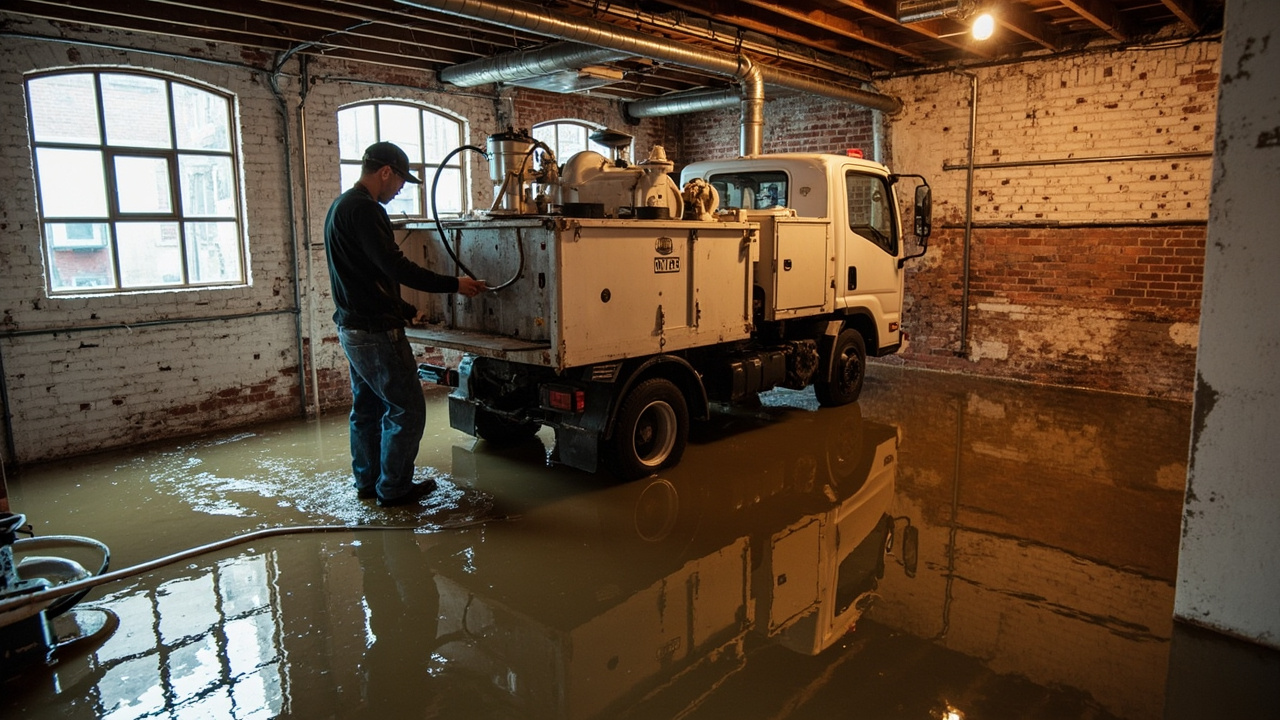
Industrial submersible pumps move 3,000 to 5,000 gallons per minute. A typical coach house basement holds 10,000 to 20,000 gallons of water after a major flood. Extraction takes 4 to 8 hours. We pump water to the street sewer or to a truck that hauls it away. Once standing water disappears, real drying begins.
We Dry Everything
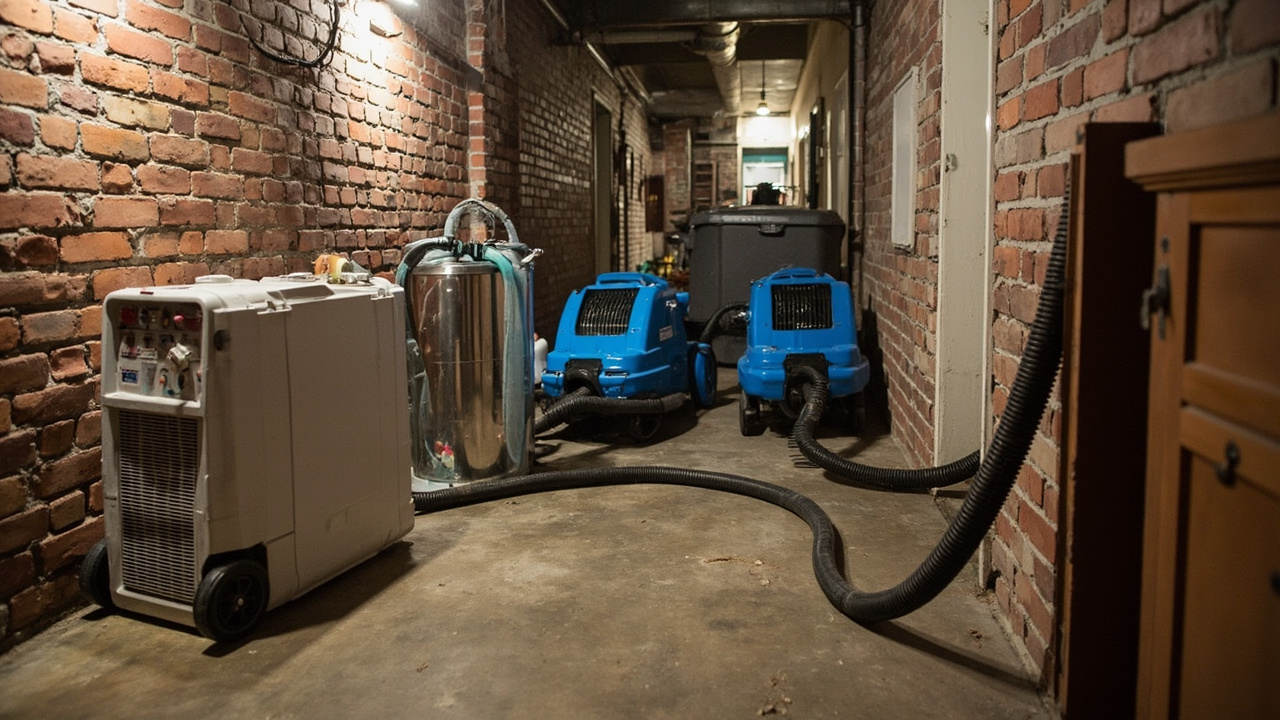
Drying represents the longest part of restoration. We place portable dehumidifiers throughout the space. We run air movers to force moisture out of walls, concrete, and wood. We monitor moisture levels in building materials using moisture meters. Materials must dry to safe levels before walls are sealed or flooring gets replaced.
Coach house basements often require 5 to 14 days to dry completely. Humidity, temperature, and how much water the materials absorbed all affect timing. We do not speed this up. Fast drying leads to hidden moisture and mold later.
We Sanitize and Decontaminate
If sewer water was involved, we treat affected surfaces with antimicrobial solutions. We remove contaminated materials. Drywall, insulation, and flooring that absorbed black water must go. We do not salvage materials contaminated by sewage.
We address mold before it spreads. We apply fungicides to clean surfaces. We ensure the drying process prevents mold growth.
We Work with Your Insurance Adjuster
We provide the adjuster with detailed documentation. We show before photos, water levels, contamination type, and all removal and drying work. We provide invoices and equipment logs. Insurance adjusters in Chicago expect this level of detail. We make claims resolution easier for you.
Common Coach House Flooding Scenarios in Chicago
Understanding what caused your flood shapes the restoration approach.
| Flooding Cause | Typical Water Type | Timeline to Address | Insurance Coverage |
|---|---|---|---|
| Combined sewer backup during heavy rain | Black water (sewage mixed) | Immediate. Severe contamination risk | Covered if you have sewer backup rider |
| Sump pump failure | Gray water (groundwater) | Within 24 hours. Mold risk high | Typically not covered. Maintenance issue |
| Burst water line in coach house | Clean water | Within 48 hours. Lower mold risk | Usually covered under homeowner policy |
| Alley grading allows foundation seepage | Gray water | Days to weeks. Chronic issue | Not covered. Requires prevention |
| Window well or door flooding during rain | Clean to gray water | Within 48 hours | Coverage depends on cause. May not be covered |
Preventing Future Floods in Your Coach House
After we restore your basement, you want to stop this from happening again. Keeping your Ukrainian Village and Logan Square coach house dry and mold free requires proactive measures.
Install or Replace Your Sump Pump
Your sump pump should be less than 10 years old. We recommend a pump rated for 3,000 GPM or more for Chicago coach houses. Older pumps fail during the storms when you need them most. Add a backup battery system. When the power fails during a storm, the backup keeps pumping.
Install a Backwater Valve
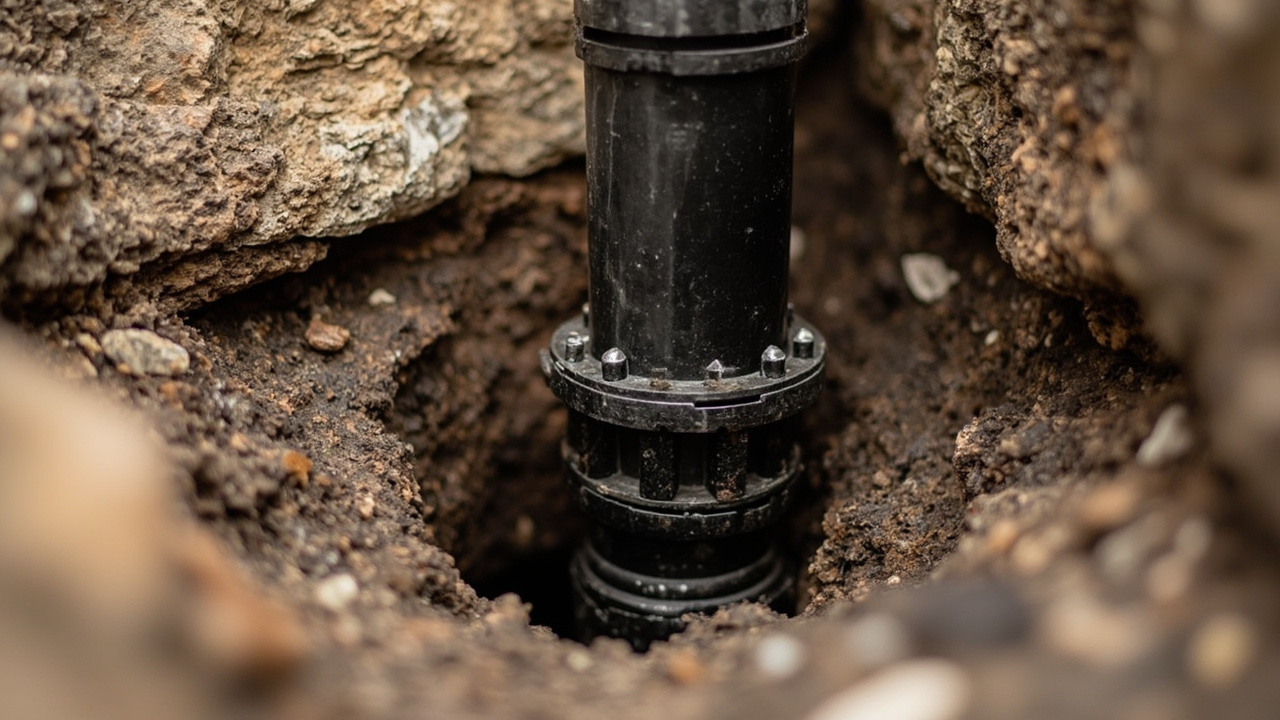
A backwater valve sits on the sewer line leaving your coach house. When the street sewer backs up, the valve closes automatically. Water cannot flow backward into your basement. Chicago plumbing code requires one on any basement with a floor drain, sink, or toilet below street level.
A licensed Chicago plumber installs it. The valve sits where your line exits the house. Maintenance remains simple. You clean the clean out annually to prevent blockages.
Improve Foundation Drainage
Water pooling around your foundation must drain away. This means regrading the alley or basement floor. We assess the alley and can recommend grading improvements. We can also install perimeter drainage inside the basement. An interior drain system collects water seeping through the foundation and directs it to the sump pump. It does not require digging outside.
Seal Foundation Cracks
Small cracks in brick and mortar let water in. A masonry contractor can seal them with epoxy injection. Large cracks or failing mortar require repointing. This is preventive work. It stops small water problems before they become big floods.
Monitor the MWRD Alerts
The Metropolitan Water Reclamation District posts Overflow Action alerts on its website when heavy rain is expected and combined sewer overflow becomes likely. Sign up for alerts. When one is issued, you know to check your basement, ensure your sump pump is running, and prepare for possible seepage.
Logan Square Coach House Flooding and Prevention
Logan Square contains one of Chicago’s highest concentrations of coach houses. The neighborhood’s aging infrastructure creates unique flood risks. Coach houses built in the 1890s and early 1900s sit in alleys that slope toward the buildings rather than away from them. The combined sewer pipes beneath Logan Square date from the early 1900s and reach capacity during spring storms and heavy rainfall.
Logan Square residents experience basement flooding at rates higher than newer Chicago neighborhoods. The underground infrastructure cannot handle modern rainfall patterns. During spring thaw season, sewage and rainwater back up into basements at a higher frequency than in other parts of the city. The MWRD monitors this situation, but the Deep Tunnel project cannot prevent all overflow into Logan Square basements.
Coach houses in Logan Square with proper sump pump systems and backwater valves experience fewer floods. Those without these protections flood almost every spring. The neighborhood’s grading problems mean that water always seeks the lowest point, and coach house basements sit lower than alleys and surrounding properties.
Keeping your Ukrainian Village and Logan Square coach house dry requires a multi layered approach. Install a modern sump pump with battery backup. Add a backwater valve to your sewer line. Grade the alley away from your foundation. Seal foundation cracks. Monitor MWRD alerts. These steps reduce flooding risk by 80 percent or more.
Why Hire Cornerstone for Coach House Restoration
You need a crew that understands Chicago coach houses specifically. Generic water damage companies do not grasp the unique flooding risks of your building type and neighborhood.
Cornerstone has restored coach house basements throughout Logan Square for 15 years. We understand the combined sewer system. We grasp Chicago Blue Clay and hydrostatic pressure. We know how to document losses for local insurance adjusters. We carry IICRC S500 certification in water damage restoration. We carry full liability and workers compensation insurance. We are available 24/7 and arrive within 60 minutes.
We treat you like a neighbor, not a claim number. We explain what we are doing. We answer insurance questions. We help prevent future floods with recommendations backed by years of local restoration work.
What to Do If You Suspect Mold After a Flood
Mold grows in damp coach house basements fast. High humidity, poor ventilation, and organic materials create the perfect environment. If you see black or green spots on walls or smell a musty odor after a flood, mold is present.
Do not ignore it. Mold spreads to framing and insulation. It causes respiratory problems. It lowers your home value. We provide mold assessment and remediation. We remove contaminated materials and treat affected areas. We address humidity to prevent regrowth.
Handling the Insurance Claim
Chicago insurance adjusters need specific documentation. They want to see your policy rider for sewer backup. They want photos of damage. They want to know exactly what caused the flood.
We provide this. We give you a written scope of work showing everything we are removing and replacing. We provide before and after photos. We give your adjuster a detailed invoice. We make the claim process transparent.
Most Chicago coach house floods are covered if you carry a backup rider. If you do not carry one, the cost falls on you. Talk to your insurance agent about adding the rider to your policy. It costs a small amount but covers thousands in water damage.
For detailed guidance on navigating the claim process, read our guide to handling a Chicago water damage insurance claim without getting overwhelmed.
Why Drying Time Matters in Chicago Basements
The drying phase determines whether your restoration succeeds. Chicago coach house basements feature dense masonry walls and concrete floors. They hold moisture. Rushing the drying process leaves water trapped inside. That trapped water causes mold, structural damage, and odor months later.
We monitor moisture content in walls and concrete throughout drying. We do not consider the job complete until moisture levels are safe. This takes time. Be patient. Your investment in proper drying pays off with a healthy basement.
Questions Homeowners Ask About Coach House Flooding
How fast does mold grow after a coach house basement floods?
Mold spores germinate within 24 to 48 hours in damp environments. By day three, visible mold colonies are growing. This is why extraction and drying start immediately. The faster you remove standing water and lower humidity, the better your chance of preventing mold.
Can I dry my basement myself after a flood?
Small amounts of clean water can be managed with shop vacuums and fans. Large floods require industrial equipment. Portable dehumidifiers lack the power to dry a flooded coach house basement properly. You end up with hidden moisture in walls and structural materials. Mold grows later. The cost of fixing mold damage far exceeds the cost of professional drying. Hire professionals for large floods.
Does homeowner insurance cover sewer backup in Chicago?
Standard homeowner policies do not cover sewer backup. You must add a sewer backup rider to your policy. Most Chicago homeowners do not carry one. Check your policy. If you do not carry the rider and a sewer backup floods your basement, you pay for restoration out of pocket. Adding the rider to your policy costs around 50 to 100 dollars per year and covers up to 5,000 to 10,000 dollars in damage.
What is hydrostatic pressure and why does it matter in coach houses?
Hydrostatic pressure is the force water exerts on a surface when it becomes submerged. Chicago Blue Clay does not drain. After heavy rain, the soil becomes saturated. That water pushes against your foundation walls with tremendous force. The pressure can reach 5,000 pounds per wall. Older brick foundations are porous and crack under that pressure. Water seeps through cracks into the basement. Installing a sump pump and interior drainage system relieves that pressure by collecting water before it pushes against walls.
How do I know if my sump pump is failing?
Listen for the pump motor. During or after rain, you should hear it running. If it runs constantly without pumping water out, it is struggling. If it does not run at all during rain, it has failed. If the discharge line is cracked or frozen, water does not move away from the house. Have a plumber test it. Most pumps last 10 to 15 years. Older pumps fail during the storms when you need them most.
| Sump Pump Warning Signs | What It Means | Action to Take |
|---|---|---|
| Pump runs but no water discharges | Discharge line is clogged, frozen, or cracked | Call a plumber to clear or replace the line |
| Pump runs constantly without stopping | Pump is too weak or water is entering too fast | Upgrade to a larger pump or improve drainage |
| Pump does not run during or after rain | Motor failure or electrical issue | Replace the pump immediately |
| Musty smell coming from sump pit | Bacteria and mold growing in the pit | Clean the pit and check for proper discharge |
| Water backing up into basement even when pump runs | Pump intake is clogged or pump is too weak | Test pump capacity and clear intake screen |
What is a backwater valve and how does it work?
A backwater valve is a one way check valve installed on the sewer line leaving your house. Water flows out normally. When the street sewer backs up and pressure reverses, the valve closes automatically. Sewage cannot flow back into your basement through floor drains or fixtures. Installation is required by Chicago plumbing code on any basement with fixtures below street level. A licensed plumber installs it in an hour or two.
Take Action Today
Your coach house is vulnerable to flooding. Spring storms are coming. Aging sewer systems and alley grading mean your basement risk is real. Do not wait for a flood to plan your response.
If your basement is flooding right now, call Cornerstone Water Damage Restoration immediately at your nearest service line. We arrive within 60 minutes, 24 hours a day. We bring industrial extraction and drying equipment. We document the loss for your insurance company. We prevent mold and structural damage.
If your basement is dry but you want to prevent future floods, call us for a free assessment. We evaluate your sump pump, foundation condition, and drainage. We recommend sump pump replacement, backwater valve installation, or interior drainage systems specific to your coach house and Logan Square neighborhood. We give you options and honest pricing.
Do not let another Chicago spring storm catch you unprepared. Contact Cornerstone Water Damage Restoration now. Your coach house is worth protecting.
{
“@context”: “https://schema.org”,
“@type”: “BlogPosting”,
“headline”: “Coach House Basement Flooding Cleanup in Chicago: Emergency Restoration Services”,
“description”: “24/7 emergency coach house basement flood restoration in Chicago. Rapid water extraction, drying, and mold prevention for Logan Square and Chicago neighborhoods.”,
“wordCount”: 3164,
“datePublished”: “2026-04-23T06:35:00.000Z”,
“dateModified”: “2026-04-23T06:35:00.000Z”,
“inLanguage”: “en-US”,
“mainEntityOfPage”: {
“@type”: “WebPage”,
“@id”: “https://cornerstonewaterdamagerestorationchicago.com”
},
“publisher”: {
“@type”: “LocalBusiness”,
“name”: “Cornerstone Water Damage Restoration Chicago”,
“url”: “https://cornerstonewaterdamagerestorationchicago.com”
},
“author”: {
“@type”: “Organization”,
“name”: “Cornerstone Water Damage Restoration Chicago”,
“url”: “https://cornerstonewaterdamagerestorationchicago.com”
},
“image”: {
“@type”: “ImageObject”,
“url”: “https://cornerstonewaterdamagerestorationchicago.com/wp-content/uploads/2026/03/keeping-your-ukrainian-village-coach-house-dry-and-1.jpg”
}
}
{
“@context”: “https://schema.org”,
“@type”: “LocalBusiness”,
“name”: “Cornerstone Water Damage Restoration Chicago”,
“url”: “https://cornerstonewaterdamagerestorationchicago.com”,
“address”: {
“@type”: “PostalAddress”,
“addressLocality”: “Chicago”
},
“areaServed”: {
“@type”: “City”,
“name”: “Chicago”
}
}
{
“@context”: “https://schema.org”,
“@type”: “FAQPage”,
“mainEntity”: [
{
“@type”: “Question”,
“name”: “How fast does mold grow after a coach house basement floods?”,
“acceptedAnswer”: {
“@type”: “Answer”,
“text”: “Mold spores germinate within 24 to 48 hours in damp environments. By day three, visible mold colonies are growing. This is why extraction and drying start immediately. The faster you remove standing water and lower humidity, the better your chance of preventing mold.”
}
},
{
“@type”: “Question”,
“name”: “Can I dry my basement myself after a flood?”,
“acceptedAnswer”: {
“@type”: “Answer”,
“text”: “Small amounts of clean water can be managed with shop vacuums and fans. Large floods require industrial equipment. Portable dehumidifiers lack the power to dry a flooded coach house basement properly. You end up with hidden moisture in walls and structural materials. Mold grows later. The cost of fixing mold damage far exceeds the cost of professional drying. Hire professionals for large floods.”
}
},
{
“@type”: “Question”,
“name”: “Does homeowner insurance cover sewer backup in Chicago?”,
“acceptedAnswer”: {
“@type”: “Answer”,
“text”: “Standard homeowner policies do not cover sewer backup. You must add a sewer backup rider to your policy. Most Chicago homeowners do not carry one. Check your policy. If you do not carry the rider and a sewer backup floods your basement, you pay for restoration out of pocket. Adding the rider to your policy costs around 50 to 100 dollars per year and covers up to 5,000 to 10,000 dollars in damage.”
}
},
{
“@type”: “Question”,
“name”: “What is hydrostatic pressure and why does it matter in coach houses?”,
“acceptedAnswer”: {
“@type”: “Answer”,
“text”: “Hydrostatic pressure is the force water exerts on a surface when it becomes submerged. Chicago Blue Clay does not drain. After heavy rain, the soil becomes saturated. That water pushes against your foundation walls with tremendous force. The pressure can reach 5,000 pounds per wall. Older brick foundations are porous and crack under that pressure. Water seeps through cracks into the basement. Installing a sump pump and interior drainage system relieves that pressure by collecting water before it pushes against walls.”
}
},
{
“@type”: “Question”,
“name”: “How do I know if my sump pump is failing?”,
“acceptedAnswer”: {
“@type”: “Answer”,
“text”: “Listen for the pump motor. During or after rain, you should hear it running. If it runs constantly without pumping water out, it is struggling. If it does not run at all during rain, it has failed. If the discharge line is cracked or frozen, water does not move away from the house. Have a plumber test it. Most pumps last 10 to 15 years. Older pumps fail during the storms when you need them most.”
}
},
{
“@type”: “Question”,
“name”: “What is a backwater valve and how does it work?”,
“acceptedAnswer”: {
“@type”: “Answer”,
“text”: “A backwater valve is a one way check valve installed on the sewer line leaving your house. Water flows out normally. When the street sewer backs up and pressure reverses, the valve closes automatically. Sewage cannot flow back into your basement through floor drains or fixtures. Installation is required by Chicago plumbing code on any basement with fixtures below street level. A licensed plumber installs it in an hour or two.”
}
}
]
}
{
“@context”: “https://schema.org”,
“@type”: “BreadcrumbList”,
“itemListElement”: [
{
“@type”: “ListItem”,
“position”: 1,
“name”: “Home”,
“item”: “https://cornerstonewaterdamagerestorationchicago.com”
},
{
“@type”: “ListItem”,
“position”: 2,
“name”: “Blog”,
“item”: “https://cornerstonewaterdamagerestorationchicago.com/blog”
},
{
“@type”: “ListItem”,
“position”: 3,
“name”: “Coach House Basement Flooding Cleanup in Chicago: Emergency Restoration Services”
}
]
}
{
“@context”: “https://schema.org”,
“@type”: “Service”,
“serviceType”: “Water Damage Restoration”,
“provider”: {
“@type”: “LocalBusiness”,
“name”: “Cornerstone Water Damage Restoration Chicago”,
“url”: “https://cornerstonewaterdamagerestorationchicago.com”
},
“areaServed”: {
“@type”: “City”,
“name”: “Chicago”
},
“description”: “24/7 emergency coach house basement flood restoration in Chicago. Rapid water extraction, drying, and mold prevention for Logan Square and Chicago neighborhoods.”
}