



menu

Choosing a Restoration Company in Chicago – Find Certified Contractors Who Navigate Local Insurance Claims and Chicago Building Codes

Selecting a water damage contractor in Chicago requires vetting restoration contractors who understand Cook County permit requirements, work directly with your insurance adjuster, and have documented experience with Chicago's unique plumbing infrastructure and Lake Michigan climate challenges.

Slider Image 1
Slider Image 2
Slider Image 3
Slider Image 4
Slider Image 5
Slider Image 7
Slider Image 8
Slider Image 9
Slider Image 10
Slider Image 11

Why Hiring a Water Mitigation Service in Chicago Requires More Than a Google Search

Chicago's freeze-thaw cycles, combined with the city's aging cast iron plumbing systems in neighborhoods like Logan Square and Lincoln Park, create water damage scenarios that require specialized knowledge. When your basement floods at 2 a.m. or you discover mold behind drywall, you need more than a fast response. You need a contractor who understands how Chicago's strict building codes impact restoration work.

Finding a reputable water damage company means vetting restoration contractors for specific qualifications. Many homeowners hire the first company that answers the phone, only to discover later that improper drying led to mold growth or that their insurance claim was denied due to incomplete documentation.

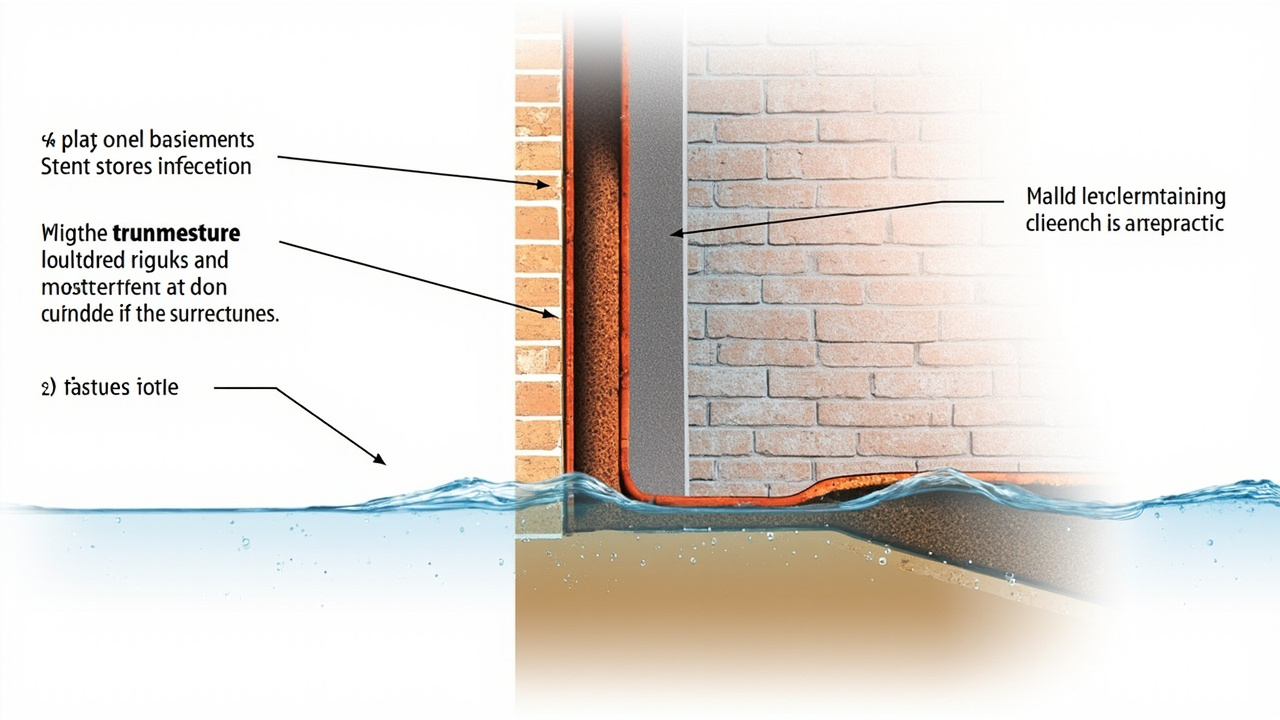
The stakes are high. Chicago's humid summers slow evaporation rates. Clay soil beneath many Chicago homes creates hydrostatic pressure that pushes water through foundation walls. These conditions demand contractors who understand moisture dynamics, not just surface cleanup.

When selecting a water damage contractor, you need to verify IICRC certification, proof of liability insurance, and documented experience with insurance claim processes. Many restoration companies lack the structural drying equipment needed for Chicago's brick and limestone buildings common in historic districts like Hyde Park.

The right contractor protects your investment. The wrong one creates liability. How to pick a restoration company comes down to verifying credentials, understanding their process, and confirming they have relationships with local insurance adjusters who work in Cook County.

Why Hiring a Water Mitigation Service in Chicago Requires More Than a Google Search
What Separates Professional Water Damage Restoration from Surface-Level Cleanup

What Separates Professional Water Damage Restoration from Surface-Level Cleanup

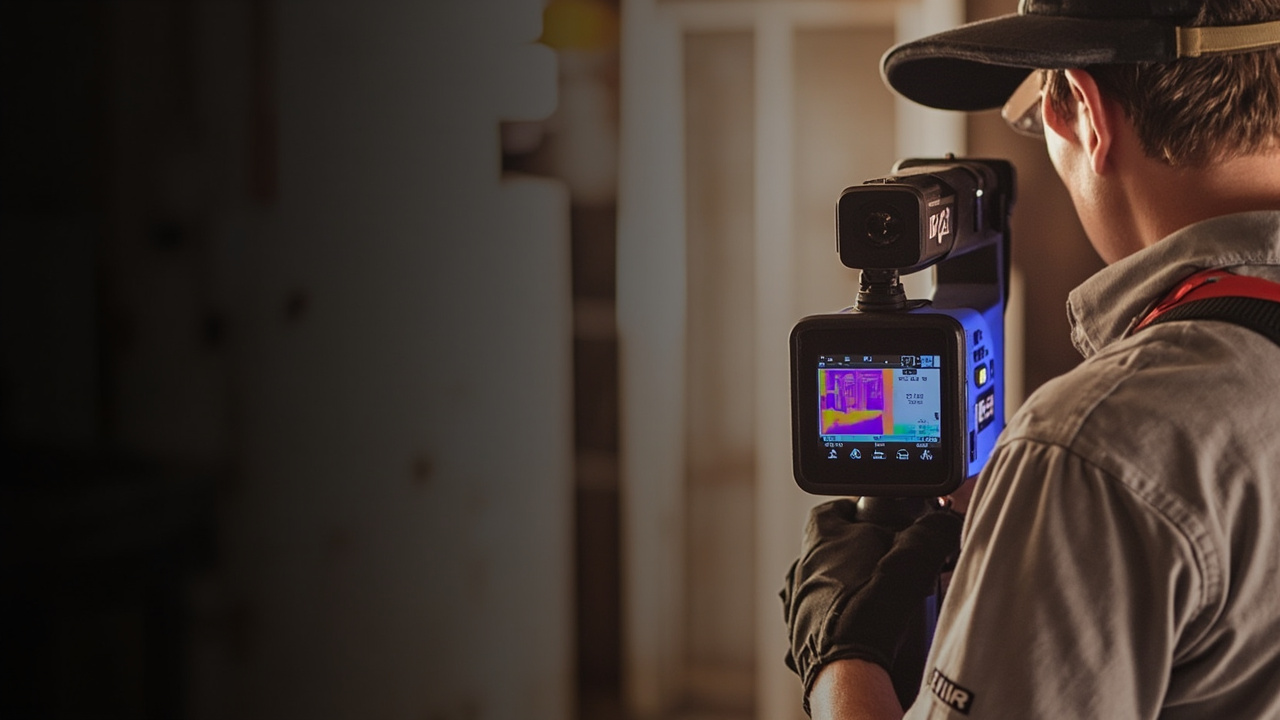
Professional restoration follows a protocol. It starts with moisture mapping using thermal imaging cameras and moisture meters that measure water content in structural materials. Surface drying does not address water that has wicked into wall cavities or subfloors.

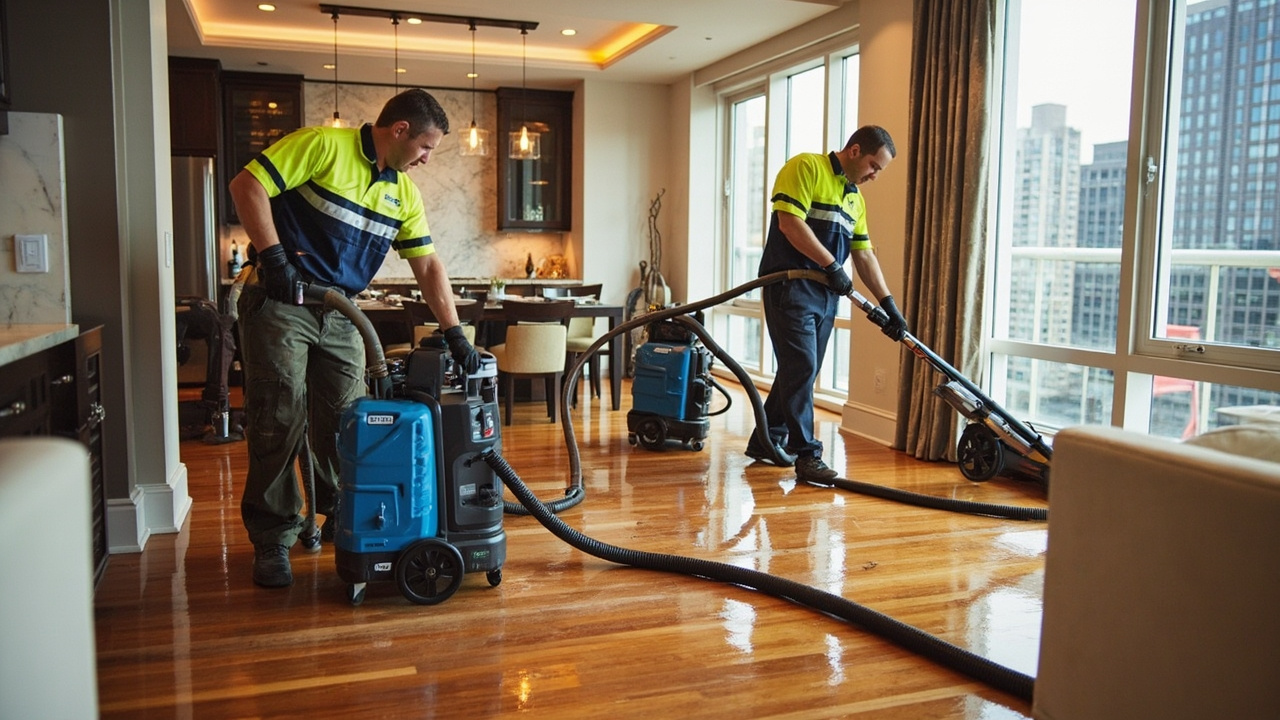
Cornerstone Water Damage Restoration Chicago uses a containment approach. We establish negative air pressure in affected areas to prevent cross-contamination. HEPA air scrubbers remove particulates while commercial dehumidifiers extract moisture from the air. This creates the optimal drying environment.

Structural drying requires calculating vapor pressure deficits and grain depression. These measurements determine equipment placement and drying time. A company that skips this step is guessing. We document moisture readings daily until materials return to dry standard, typically 12 to 15 percent moisture content for wood framing.

Antimicrobial application comes after extraction but before drying. This prevents microbial amplification during the drying phase. We apply EPA-registered antimicrobials to all affected surfaces, then verify treatment with ATP testing when necessary.

Insurance documentation happens in parallel. We photograph every stage, log equipment serial numbers, and provide daily moisture logs. This documentation supports your claim and protects you from coverage disputes.

The difference between a professional restoration and a cleanup job shows up months later. Professional restoration prevents secondary damage. Cleanup jobs lead to callbacks for mold remediation, structural repairs, and flooring replacement. The initial cost difference disappears when you factor in the cost of doing it twice.

How to Evaluate Restoration Companies Before Water Damage Becomes a Crisis

Choosing a Restoration Company in Chicago – Find Certified Contractors Who Navigate Local Insurance Claims and Chicago Building Codes
01

Verify Credentials and Insurance

Request proof of IICRC certification for water damage restoration, not just general contracting licenses. Verify they carry general liability insurance and workers compensation coverage. Ask for their certificate of insurance and confirm coverage limits meet your property value. Check their standing with the Better Business Bureau and verify they have no unresolved complaints with the Illinois Attorney General's office.
02

Assess Equipment and Methodology

Ask what equipment they deploy for structural drying. Professional companies use truck-mounted extraction units, commercial dehumidifiers rated for cubic footage, and air movers with CFM ratings appropriate for the affected area. Request their drying protocol and ask how they determine when materials have reached dry standard. Companies that cannot explain psychrometric principles or vapor pressure deficits lack technical competency.
03

Review Insurance Claim Experience

Confirm the company has experience working with your insurance carrier. Ask how they document losses and what format they use for estimates. Companies familiar with Xactimate software and Chicago-area insurance adjusters streamline the claims process. Request references from past clients who filed insurance claims. A restoration company that avoids insurance questions creates risk for you when claim disputes arise.

Why Local Expertise Matters When Selecting a Water Damage Contractor in Chicago

Chicago's building stock presents unique challenges. Many homes built before 1950 have brick veneer walls with air gaps that trap water. Restoring these structures requires understanding how moisture moves through cavity walls and how to access concealed spaces without compromising structural integrity.

Local contractors understand Chicago's permit requirements. The Department of Buildings requires permits for certain restoration work, particularly when it involves electrical or plumbing systems. Out-of-town companies unfamiliar with Chicago code enforcement create permit issues that delay your restoration and potentially affect your insurance coverage.

Relationships with local insurance adjusters matter. Adjusters working in Cook County see the same contractors repeatedly. They know which companies provide accurate estimates and which ones inflate claims. Cornerstone Water Damage Restoration Chicago has established credibility with major carriers operating in the Chicago market.

We understand Chicago's seasonal challenges. Winter freezes create pipe burst scenarios that differ from summer storm damage. Spring flooding from snowmelt requires different mitigation approaches than summer humidity issues. We stock equipment year-round to handle Chicago's full range of water damage scenarios.

Our response time reflects our local presence. We operate from Chicago, not a distant suburb. When you call at midnight because your water heater failed, we arrive within 90 minutes, not the next day. Speed matters because water damage compounds hourly. Every hour of delay increases restoration costs and extends the disruption to your life.

Local expertise protects your property value. Generic restoration approaches create long-term problems in Chicago's climate and building types.

What to Expect When You Hire a Professional Restoration Company

Rapid Response and Initial Assessment

Professional restoration companies operate 24/7 because water damage does not wait for business hours. Expect a response within 60 to 90 minutes for emergency calls in the Chicago metro area. The initial assessment includes moisture mapping, documentation for insurance purposes, and immediate mitigation steps like water extraction and equipment placement. The first 24 hours determine whether you face a straightforward restoration or extensive secondary damage. Companies that delay this initial response create unnecessary complications. The assessment should identify the water source, classify the contamination level, and provide a preliminary scope of work before any restoration begins.

Detailed Moisture Monitoring and Drying Protocol

Professional drying takes three to seven days depending on the affected materials and environmental conditions. Expect daily moisture readings documented in a drying log that tracks progress toward dry standard. Your restoration company should adjust equipment placement based on these readings and explain why certain areas require more time. Dehumidifiers run continuously during this phase, and air movers operate on a schedule designed to maximize evaporation without damaging materials. You should receive updates on drying progress and any complications discovered during the process. The drying phase is not complete until moisture meters confirm all structural materials have returned to acceptable levels.

Complete Restoration and Final Inspection

Restoration includes replacing damaged materials, repainting affected areas, and returning your property to pre-loss condition. Professional companies coordinate with licensed plumbers, electricians, and other trades as needed. The final inspection should include verification that all moisture has been removed, antimicrobial treatments have been applied, and repairs meet Chicago building codes. You receive documentation of all work performed, including photos of the restoration process and final readings confirming dry conditions. This documentation supports your insurance claim and provides a record if future issues arise. The property should be fully functional and free of any water damage indicators.

Post-Restoration Monitoring and Prevention Guidance

Reputable restoration companies provide guidance on preventing future water damage. This includes identifying vulnerabilities in your plumbing system, recommending maintenance schedules for sump pumps and water heaters, and explaining how to respond if water damage occurs again. Some companies offer follow-up inspections 30 to 60 days after restoration to verify no secondary issues have developed. You should receive information on how humidity levels affect your property and what signs indicate potential problems. This preventive approach protects your investment and reduces the likelihood of repeat damage. The relationship should not end when the restoration is complete.

Frequently Asked Questions

You Have Questions,
We Have Answers

How Chicago's Combined Sewer System and Lake Michigan Humidity Affect Your Choice of Restoration Contractor

Chicago's combined sewer system, which handles both stormwater and sewage, creates unique risks for properties across the city. When heavy rains overwhelm the system, backflow can push contaminated water into basements, particularly in neighborhoods near the Chicago River and in South Side areas. This requires restoration contractors experienced with Category 3 water contamination protocols. Hiring a water mitigation service familiar with Chicago's infrastructure means working with professionals who understand sewage backup procedures, disposal requirements for contaminated materials, and the health risks specific to combined sewer backflow. Lake Michigan's humidity compounds drying challenges, requiring contractors who adjust protocols for Chicago's moisture-laden air. Finding a reputable water damage company means selecting contractors who account for these local environmental factors in their restoration approach.

Selecting a water damage contractor in Chicago requires verification they understand local building codes and historical construction methods. The city's Department of Buildings enforces specific requirements for work in buildings over 50 years old, which covers much of Chicago's housing stock. Contractors who lack familiarity with these regulations create permit complications that delay restoration and potentially affect insurance coverage. Cornerstone Water Damage Restoration Chicago maintains relationships with Chicago building inspectors and understands permit requirements for different restoration scenarios. Our knowledge of Chicago's architectural styles, from brick two-flats in Bridgeport to limestone greystone buildings in Bronzeville, ensures we approach each restoration with appropriate methods. When vetting restoration contractors, prioritize those who demonstrate specific knowledge of Chicago's built environment, not generic restoration experience.
Water Damage Restoration Services in The Chicago Area

Cornerstone proudly serves the entire Chicago area with fast, dependable water damage restoration services. Whether you’re located in downtown, the suburbs, or surrounding neighborhoods, we’re ready to respond to your call—day or night. Use the map below to see our local service coverage and find our nearest team. With mobile units throughout the city, help is never far away. If you’re facing water damage, reach out now and let us show you why homeowners and businesses choose Cornerstone.

Address:
Cornerstone Water Damage Restoration Chicago, 171 N Aberdeen St, Chicago, IL, 60607

Additional Services We Offer

Our news updates

Latest Articles & News from The Blogs

High Humidity and Mold Growth in Chicago Summers What Homeowners Need to Know Your basement smells musty. Your bathroom mirror…

Why high humidity in the Chicago summer makes water damage worse in Calumet Heights

High Humidity and Mold Growth in Chicago Summers What Homeowners Need to Know Your basement smells musty. Your bathroom mirror…

Managing water damage restoration in the high-end luxury builds of the Near North Side

Luxury Home Water Damage Restoration in Chicago's Near North Side A burst pipe at 2 AM in your Gold Coast…

How we use thermal imaging to find hidden leaks in West Ridge homes

Expert Infrared Leak Detection in Chicago Homes and Businesses A hidden pipe leak can destroy your property long before you…

Contact Us

Do not wait until water damage forces a rushed decision. Call Cornerstone Water Damage Restoration Chicago at (872) 266-1616 to discuss your property's vulnerabilities and learn what to look for in a restoration contractor. We provide straight answers about credentials, insurance claim processes, and what professional restoration should include.