
Chicago Deep Tunnel Flooding. Why It Happens and How to Protect Your Property
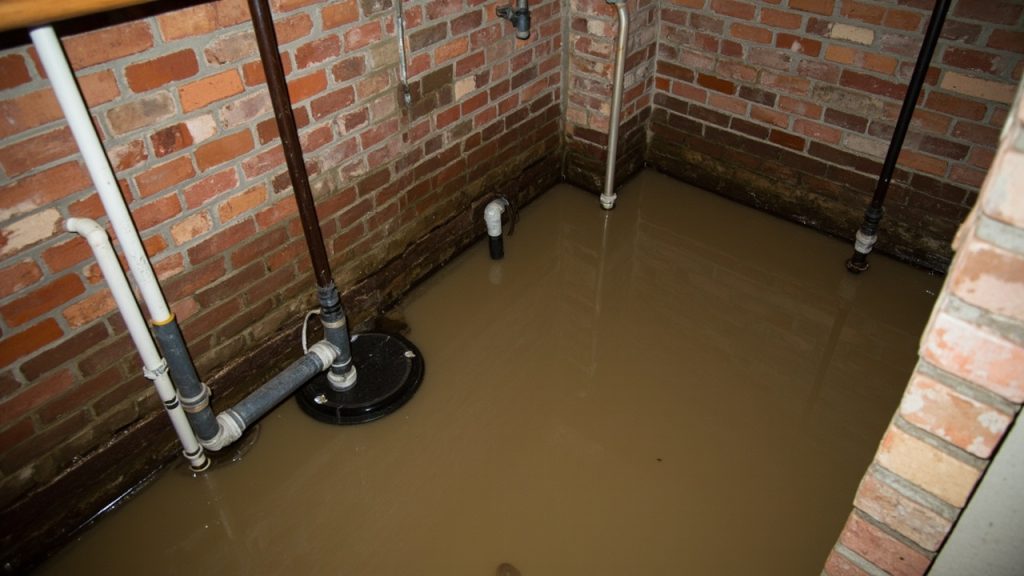
Your basement floods during the spring storm. You call the city. They tell you the Deep Tunnel system reached capacity. You feel helpless because you thought this massive infrastructure project solved Chicago’s flooding problem decades ago.
The Tunnel and Reservoir Plan (TARP) reduces flooding across the region. The system stores millions of gallons of combined sewage and stormwater beneath the city. When the Deep Tunnel works as designed, it prevents backups that would otherwise overwhelm your foundation. But TARP has limits. When those limits are reached, your basement becomes the overflow valve.
This article explains how Chicago’s Deep Tunnel system functions, why it fails during certain storms, and what steps you need to take right now to protect your property from sewer backups and foundation damage.
How Chicago’s Deep Tunnel System Works
The Metropolitan Water Reclamation District (MWRD) constructed the Deep Tunnel starting in 1975 as a response to a major sewage backup crisis. The system is officially called the Tunnel and Reservoir Plan. It consists of three main components working together to manage stormwater and sewage across the greater Chicago area.
The first component is the Mainstream Tunnel. This tunnel runs 28 miles through the bedrock beneath Chicago and the surrounding suburbs. The tunnel is large enough to drive a truck through it. Water flows by gravity into this main channel from thousands of smaller connection points across the city.
The second component is the Thornton Quarry Reservoir near the town of Thornton, about 25 miles south of downtown Chicago. This former limestone quarry now holds treated water. It has a storage capacity of 17 billion gallons. During heavy rains, the Mainstream Tunnel sends water to Thornton Quarry, where it sits until treatment facilities can process it or dry weather allows release into nearby waterways.
The third component is the McCook Reservoir located in the Des Plaines River valley west of Chicago. This above-ground reservoir holds 10.6 billion gallons. Combined, these two reservoirs can store 27.6 billion gallons of water. This capacity prevents the Chicago River from reversing course toward the lake, a dangerous event that would flood downtown basements and contaminate the water supply.
Why the Deep Tunnel Reaches Capacity During Heavy Chicago Rains
Chicago experiences three types of storms that stress the Deep Tunnel system. Understanding these patterns helps you predict when your basement is most at risk.
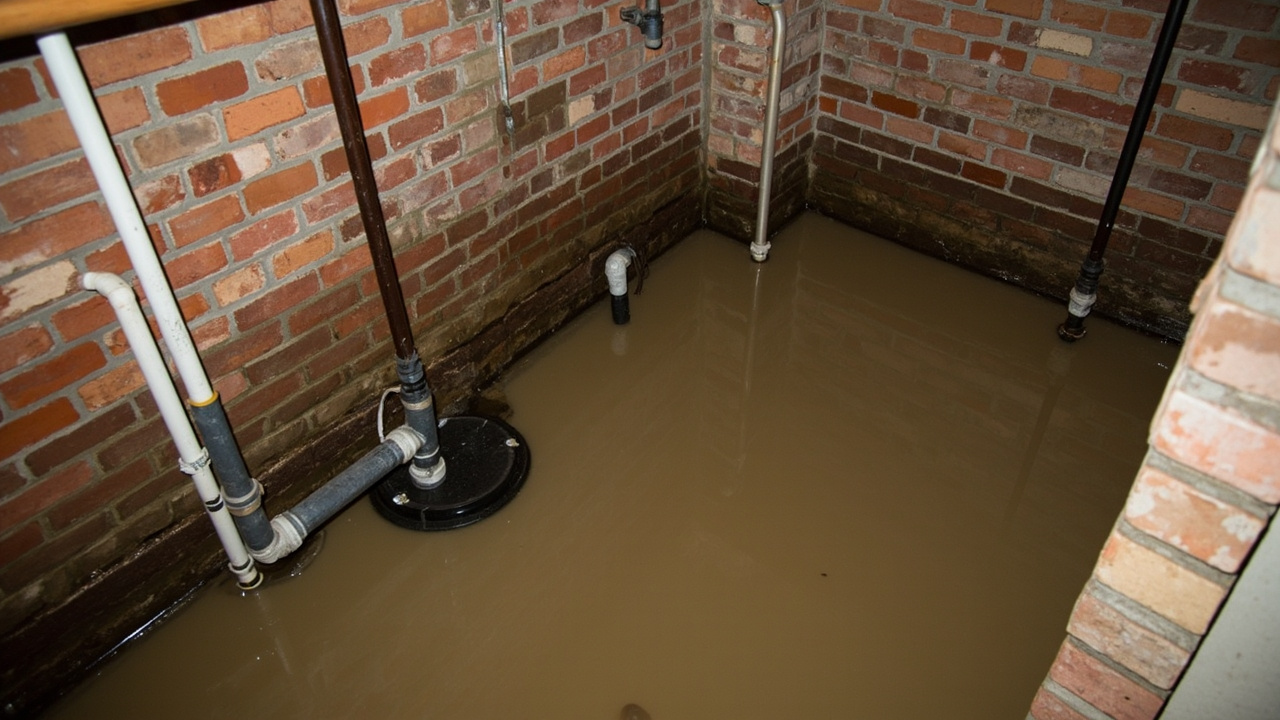
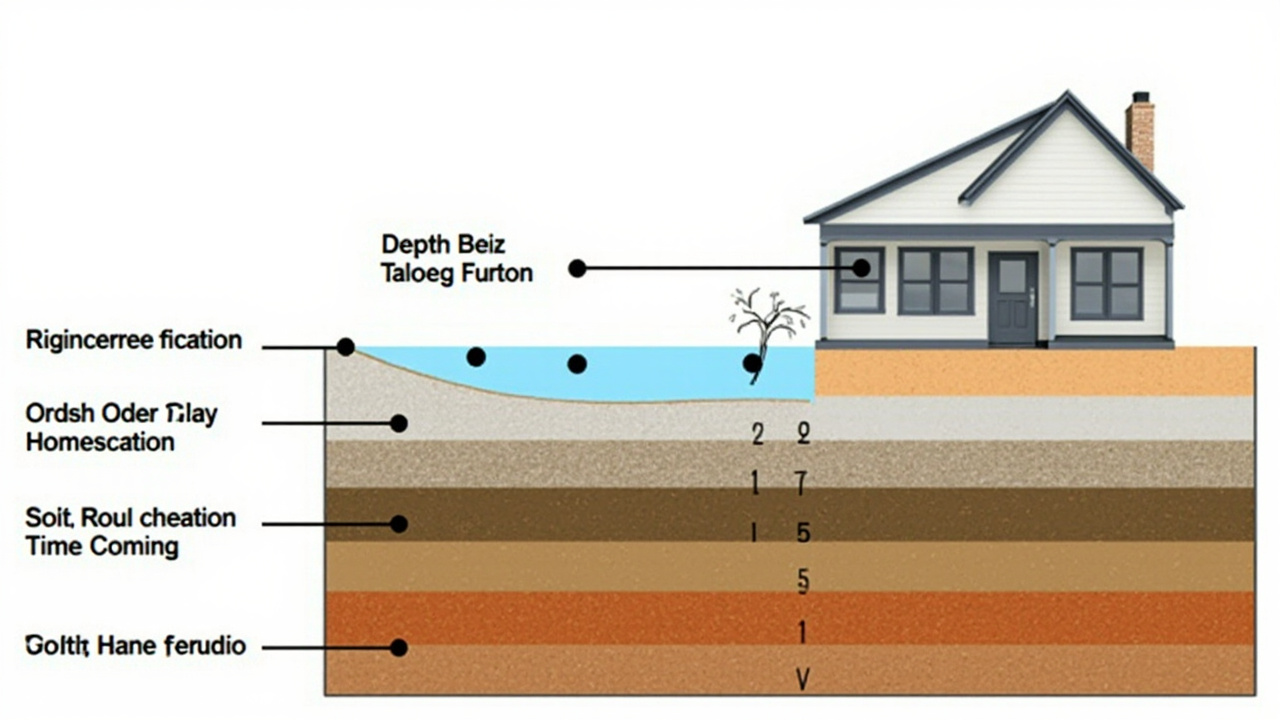
Spring rains in April and May bring sustained rainfall over several days. The flat prairie geography of the Chicago area means water has nowhere to drain naturally. Chicago’s specific clay soil composition creates major capacity problems. The soil in neighborhoods like Lincoln Park, Lakeview, and Logan Square sits on heavy Chicago Blue Clay that is often 40 to 60 feet deep. This clay layer, deposited during the last glacial period, prevents water from percolating into the ground. The combined sewer pipes built in these wards before 1920 must handle all rainfall because the surrounding soil cannot absorb it. Rainfall accumulates on the surface and flows into storm drains, which feed the Deep Tunnel. A 3-inch rainfall over two days can overwhelm the system’s capacity in localized areas.
Lake effect snow in winter creates a different problem. When a cold front hits Lake Michigan, snow falls heavily on Chicago and the northern suburbs. Downers Grove, Elmhurst, and Des Plaines see the worst of these events. The snow accumulates on frozen ground. When temperatures rise suddenly, the entire snowpack melts over 24 to 48 hours. The melt-off volume exceeds what the sewer system can handle. Sump pumps fail because power lines go down. Basements in areas already prone to seepage suffer catastrophic backups.
Summer thunderstorms dump 2 to 4 inches of rain in one hour. The Deep Tunnel system cannot process rain faster than it enters. In high-humidity Chicago summers, the ground is already saturated. Water has nowhere to go but into your basement. Neighborhoods like Beverly, Rogers Park, and Hyde Park experience street flooding during these events. When streets flood, sewer lines cannot accept any more water. Your basement becomes the outlet.
Combined Sewer Overflows and What Happens to Your Home
Chicago’s sewer system is different from modern suburban systems. Most areas use separate systems. Storm drains go to one place. Sewage goes to another. Chicago’s older neighborhoods still operate on a combined sewer design. One pipe carries both stormwater and sewage. During light rain, the system works fine. During heavy rain, the combined pipe fills beyond capacity.
When the pipe fills, pressure builds. The path of least resistance is often your basement. Water backs up through floor drains, toilet lines, and the sump pump discharge. This is not clean water. This is combined sewer overflow, or CSO. It contains raw sewage, bacteria, viruses, and chemicals.
Sewage backup creates immediate health hazards. Children and elderly people face serious illness from pathogenic bacteria. Pets drinking contaminated water develop infections. The smell alone makes the space unusable for weeks. Mold growth begins within 24 hours. Seven critical signs of mold appear after water damage in Chicago homes, including black discoloration, musty odors, and visible growth on walls.
Structural damage follows. Water soaks into concrete block walls common in Chicago bungalows and two-flats. Moisture migrates up through mortar joints. Lime deposits dissolve. The wall weakens from inside. Wood rim joists and sill plates rot. Foundation cracks widen. Repair costs quickly exceed tens of thousands of dollars.
When the Deep Tunnel Reaches Maximum Capacity
The MWRD operates real-time monitoring of both reservoirs. When either reaches 95 percent capacity, the district issues public advisories. The MWRD website provides current status updates on tunnel and reservoir conditions. During active storms, the district updates this information hourly.
Reaching maximum capacity does not mean the system shuts down. It means pressure increases dramatically in the pipes beneath your neighborhood. The increased pressure forces water upward. It follows the path of least resistance, which is often through basement floor drains and sump pump discharge lines.
Neighborhoods closest to the reservoirs experience backup first. Areas near Thornton in south Cook County and south suburbs feel the effect before homes in Skokie or Arlington Heights. Arlington Heights and Schaumburg, being further from both reservoirs, sometimes experience later-onset backups because the water takes longer to reach maximum pressure in their local sections of the Mainstream Tunnel.
The MWRD cannot predict storm intensity 48 hours in advance with precision. The Deep Tunnel fills based on actual rainfall, not forecasts. You need a backup plan that does not depend on the city’s infrastructure.
Basement Seepage Versus Sewer Backup
Basement flooding in Chicago comes from different sources. Knowing the source determines how you fix it.
Seepage occurs when groundwater pressure pushes water through basement walls. Chicago’s high water table, especially near the lakefront areas of Lincoln Park and Lakeview, creates hydrostatic pressure. This is steady, constant pressure. Water appears on walls as a slow trickle. It feels cold. It carries no odor. Seepage damages the basement through moisture accumulation. It feeds mold growth. It ruins stored items. But it does not pose an immediate health hazard.
Sewer backup occurs when the pipe system backs up into your home. Water comes from floor drains, showers, or toilets first. It appears suddenly during heavy rain or shortly after. It carries a foul smell. It contains contaminants. Sewer backup poses immediate health risks.
Homes in older Chicago neighborhoods like West Loop, Cicero, and Berwyn face both problems. The combination creates a perfect storm for property damage.
| Problem | Source | Appearance | Health Risk | Timeline |
|---|---|---|---|---|
| Seepage | Groundwater pressure through walls | Slow trickle on walls, wet spots on floor | Low. Causes mold growth over weeks | Constant during wet periods |
| Sewer Backup | Pipe system overflow into home | Sudden water from floor drain, toilet | High. Contaminated water contains bacteria and viruses | Starts suddenly during storms |
Immediate Actions During a Basement Flood or Sewer Backup
If your basement is currently flooding, take these steps right now.
- Stop water entry if it is safe
If the water level is rising and you can access the source, close your sump pump discharge line or the isolation valve on your sump pit. Do not enter standing water if it is more than six inches deep or if you are unsure of the hazard.
- Shut off power to the basement
Turn off the breaker for basement outlets and equipment. Water conducts electricity. Do not touch electrical equipment in standing water.
- Call a professional water restoration crew immediately
Do not attempt to clean sewage contamination yourself. Professional help is non-negotiable after sewer backup. The restoration crew extracts water, removes contaminated materials, sanitizes the space, and begins the drying process.
- Document the damage with photos and video
Take pictures of water depth, stained walls, and damaged items. This documentation supports your insurance claim.
- Contact your insurance agent
Most homeowners policies exclude sewer backup damage. You need specific sewer backup coverage to file a claim. Detailed guidance on water damage insurance claims exists to help you manage coverage limits and deductibles.
Preventing Sewer Backup in Chicago Homes
Once your immediate crisis is resolved, install equipment that prevents future backups. Three solutions work for Chicago homes.
A backwater valve is a one-way flapper installed in the sewer line where it exits your home. Water flows out normally. When sewer pressure reverses, the flapper closes. No water can flow back into your home. Backwater valves cost between budget $500 and $1500 installed, depending on your sewer line depth and materials. Deeper installations in older homes require more labor. Homes in areas like Rogers Park and Oak Park with deep basements need longer valve extensions.
An overhead sewer system reroutes your sump pump and floor drain discharge to an outlet above your basement window. Instead of pumping water into the sewer line where it can back up into your home, the pump ejects water outside at ground level. Gravity prevents backflow. This system requires a dedicated sump pump with significant horsepower. The pump runs only when pressure forces water up. Installation costs range from $2000 to $4000. The city of Chicago requires overhead sewers in specific flood-prone zones, including portions of Beverly, Tinley Park, and Orland Park.
A sump pump with battery backup prevents failure during power outages. Most basement flooding in Chicago occurs during storms that knock out power. A quality sump pump with a battery backup system keeps water from accumulating when grid power fails. Battery-backed systems cost between budget $1500 and $3000 installed. They buy you time during the power restoration period.
| Prevention Method | Cost Range | Effectiveness | Maintenance | Best For |
|---|---|---|---|---|
| Backwater Valve | Budget $500-$1500 | Prevents 95 percent of sewer backups when properly installed | Annual inspection. Occasional cleaning | Homes with sewer lines within 10 feet of foundation |
| Overhead Sewer | Budget $2000-$4000 | Prevents 100 percent of sewer backups for floor drains and sump discharge | Pump testing twice yearly. Valve inspection annually | Homes in required flood zones or with repeated backup history |
| Battery Backup Sump Pump | Budget $1500-$3000 | Prevents backup during power outages only. Does not prevent sewer backup | Battery replacement every 5-7 years | Neighborhoods with frequent power disruptions during storms |
Understanding Chicago Building Code Requirements for Basement Protection
Chicago’s building code addresses basement flooding in new construction and major renovations. If you are planning to finish your basement, the code requires specific protections.
The code mandates that new below-grade living spaces have a ceiling height clearance and be located above the flood elevation. In practical terms, your finished basement cannot extend below the first-floor level without significant waterproofing. Homes in neighborhoods like Naperville and Wheaton that sit on higher ground have more flexibility. Homes in Bolingbrook and Joliet, which occupy lower elevations near waterways, face stricter restrictions.
The code also requires sumps and drainage systems in all below-grade spaces. A sump pit with a working pump is mandatory, not optional. Drainage around the foundation perimeter must slope away from the structure. Underground drains must connect to the sewer or storm system.
Lead and asbestos regulations apply to pre-1978 homes in Chicago. When you disturb basement walls or flooring during renovation, you may expose lead paint or asbestos insulation. Professional abatement is required before the work proceeds. This adds cost and timeline to any basement finishing project. Homes in neighborhoods like Springfield and Evanston that were built in the 1950s and 1960s commonly contain these hazards.
Why Your Basement Still Floods Despite the Deep Tunnel
The Deep Tunnel system stores 27.6 billion gallons. This sounds infinite until you do the math. A one-inch rainfall across the entire 2,016-square-mile service area deposits 1.4 billion gallons of water on the ground. A four-inch storm produces 5.6 billion gallons. A sustained rainstorm over multiple days compounds the problem.
The system also ages. The Mainstream Tunnel was completed in 1985. The Thornton Quarry has operated for nearly 40 years. Concrete degrades. Joints develop leaks. Pumping equipment requires periodic maintenance. During that maintenance window, capacity drops.
The system does not cover all of Chicago equally. The Deep Tunnel feeds from the oldest, most densely developed areas. New suburban areas like the western edge of Schaumburg and the northern edge of Aurora connect to the system incrementally. Until their connection is complete, their local infrastructure handles storms independently. When those local systems fail, backup occurs quickly.
Climate change increases storm intensity. Thirty years ago, a four-inch rainfall was a rare event. Today, it occurs every three to five years. The system was designed for historical rainfall patterns. Current and future storm intensity exceeds the design specifications.
Checking Real-Time Deep Tunnel Status Before a Storm
The MWRD publishes real-time tunnel and reservoir status on their website. You can check current water levels before a storm arrives.
Thornton Reservoir typically runs at 40 to 60 percent capacity during dry periods. McCook Reservoir runs at 30 to 50 percent capacity. During an active storm, watch for levels climbing above 80 percent. Once either reservoir exceeds 90 percent, the system stress increases dramatically. When either reaches 100 percent, releases begin into the Chicago River and Des Plaines River. This causes localized surface flooding but prevents basement backups from getting worse.
The MWRD also issues public notices when CSO events occur. These notices appear on their website and through local news broadcasts. During a CSO notice, assume that sewer backup risk is elevated in your neighborhood. Run your sump pump continuously. Reduce your water usage to lower pressure in the sewer system. Avoid using floor drains if possible.
Long-Term Waterproofing Strategies for Chicago Basements
Prevention requires multiple layers. No single solution solves every problem.
Start with the exterior. The soil surrounding your foundation determines how much water pressure it experiences. Chicago Blue Clay holds water like a sponge. Water accumulates around your basement walls. Install perimeter drain tile at the foundation footing. This tile collects water before it touches your walls and directs it to a sump pit. French drains around the foundation accomplish the same goal. Expect to invest in the $5000 to $15000 range depending on basement size and soil conditions.
Interior waterproofing follows. Epoxy or polyurethane injections seal cracks in concrete block walls. Interior drain systems line the bottom of basement walls and collect seeping water. Dehumidifiers remove moisture from the air. These interior solutions are less expensive than exterior work, ranging from $2000 to $8000, but they treat the symptom rather than the root cause.
Sump pump systems remain the final defense. Properly sized pumps with battery backup and alarm systems protect your space during the critical 12 to 24 hours after a storm. A 5000 to 6000 gallon-per-hour pump handles most residential situations. Undersized pumps fail during heavy rain, allowing water to accumulate in the pit.
What to Expect During Professional Water Damage Restoration
When sewage backs up into your basement, restoration follows a specific protocol. Understanding the process helps you know what to expect and why professional crews take the time they do.
Extraction begins immediately. Commercial-grade pumps and vacuums remove standing water. The crew extracts water faster than new water can enter, lowering the level to manageable depths.
Contaminated materials come out next. Flooring, drywall, insulation, and personal items exposed to sewage contamination must be removed and disposed of properly. This is not optional. Contaminated materials harbor bacteria and mold spores that create ongoing health hazards.
Sanitization happens immediately after. The crew applies professional-grade disinfectants to all surfaces. This kills pathogens and prevents mold colonization. Standard household cleaners do not achieve the required disinfection level.
Drying takes the longest. Air movers and dehumidifiers run continuously. Specialized moisture monitoring equipment measures drying progress. Basement concrete, block, and wood take weeks to fully dry. The crew leaves equipment in place for the full drying period, which typically lasts 10 to 14 days for severe water damage.
Mold prevention and assessment follows. Professional crews monitor for mold growth and remove contaminated materials properly. Mold colonies become visible within three to five days of exposure to moisture.
Insurance Coverage for Deep Tunnel Related Flooding
This is the hardest truth. Standard homeowners policies exclude sewer backup damage. The standard form includes a specific exclusion. Water that backs up through sewers or drains is not covered.
You need a specific sewer backup endorsement. This coverage costs between $50 and $200 per year, depending on your insurer and your home’s risk profile. It typically includes a $2500 to $10000 limit. For a $100,000 sewage backup claim, a $5000 limit covers only 5 percent of your costs.
Some policies cover water that comes from a failure of your own sump pump or drainage system. This is different from city sewer backup. Ask your agent specifically what your policy covers.
Filing a claim requires documentation. Photos, video, itemized lists of damaged property, and contractor repair estimates all support your claim. Keep all documentation organized. Work with your insurance adjuster and your restoration contractor together. Understanding the full scope of damage helps ensure accurate coverage.
Frequently Asked Questions
Can I check the Deep Tunnel status myself in real time
Yes. The MWRD website displays current water levels for both Thornton and McCook reservoirs. You can check levels any time, and the district updates information during active storms. Levels above 90 percent indicate elevated backup risk.
How often does sewer backup occur in Chicago neighborhoods
Frequency varies by location and rainfall patterns. Neighborhoods on older combined sewer systems experience backup more often. Areas that receive city-mandated overhead sewers rarely experience backup. Most Chicago basements experience at least one backup event in a 20-year period. Homes built before 1960 face higher risk.
Does the Chicago Department of Water Management have a responsibility to prevent backups
The city operates and maintains the sewer system. They have a legal obligation to maintain systems properly. They do not have a legal obligation to prevent all flooding. Acts beyond the design specifications, such as storms exceeding historical norms, are often considered acts of nature. Your own prevention equipment becomes your responsibility.
What should I keep in my basement to minimize damage during backups
Keep nothing of value on basement floors. Store important items, documents, and keepsakes on upper floors. Use raised shelving for items that must stay in the basement. Avoid finished basement spaces until you have sewer backup prevention installed.
How long does mold growth take after sewage exposure
Mold spores germinate and begin forming visible colonies within 24 to 48 hours in wet environments. Sewage contamination accelerates mold growth. Professional mold assessment should occur during water extraction if sewage backup is confirmed.
Protect Your Chicago Property Now
The Deep Tunnel system protects the greater Chicago region as a whole. It does not protect your individual basement. Your foundation sits at ground level. When the system reaches capacity, your basement becomes the overflow.
You now understand why the Deep Tunnel overflows during heavy rains. You know the difference between seepage and sewer backup. You understand what insurance covers and what it does not.
Take action before your basement floods. Inspect your basement walls for water stains. Check your sump pump operation. Ask your insurance agent if your policy includes sewer backup coverage. If your area requires overhead sewers, contact a contractor to get the work scheduled. Do not wait for the next spring rainstorm.
Call Cornerstone Water Damage Restoration at your earliest opportunity. Our team assesses your home’s flood risk, recommends specific prevention equipment, and handles installation. We have served Chicago homeowners for over 15 years. We understand the unique challenges of Chicago basements. We respond 24/7 when floods do occur. Schedule your free basement inspection today so you are prepared when the next storm arrives.
{
“@context”: “https://schema.org”,
“@type”: “BlogPosting”,
“headline”: “Chicago Deep Tunnel Flooding. Why It Happens and How to Protect Your Property”,
“description”: “Learn why Chicago’s Deep Tunnel floods and how to protect your basement from sewer backup and water damage.”,
“wordCount”: 3429,
“datePublished”: “2026-04-14T11:46:00.000Z”,
“dateModified”: “2026-04-14T11:46:00.000Z”,
“inLanguage”: “en-US”,
“mainEntityOfPage”: {
“@type”: “WebPage”,
“@id”: “https://cornerstonewaterdamagerestorationchicago.com”
},
“publisher”: {
“@type”: “LocalBusiness”,
“name”: “Cornerstone Water Damage Restoration Chicago”,
“url”: “https://cornerstonewaterdamagerestorationchicago.com”
},
“author”: {
“@type”: “Organization”,
“name”: “Cornerstone Water Damage Restoration Chicago”,
“url”: “https://cornerstonewaterdamagerestorationchicago.com”
},
“image”: {
“@type”: “ImageObject”,
“url”: “https://cornerstonewaterdamagerestorationchicago.com/wp-content/uploads/2026/03/understanding-chicago-s-deep-tunnel-system-and-why-1.jpg”
}
}
{
“@context”: “https://schema.org”,
“@type”: “LocalBusiness”,
“name”: “Cornerstone Water Damage Restoration Chicago”,
“url”: “https://cornerstonewaterdamagerestorationchicago.com”,
“address”: {
“@type”: “PostalAddress”,
“addressLocality”: “Chicago”
},
“areaServed”: {
“@type”: “City”,
“name”: “Chicago”
}
}
{
“@context”: “https://schema.org”,
“@type”: “HowTo”,
“name”: “How to Respond to Basement Flooding”,
“step”: [
{
“@type”: “HowToStep”,
“position”: 1,
“name”: “Stop water entry if it is safe”,
“text”: “If the water level is rising and you can access the source, close your sump pump discharge line or the isolation valve on your sump pit. Do not enter standing water if it is more than six inches deep or if you are unsure of the hazard.”
},
{
“@type”: “HowToStep”,
“position”: 2,
“name”: “Shut off power to the basement”,
“text”: “Turn off the breaker for basement outlets and equipment. Water conducts electricity. Do not touch electrical equipment in standing water.”
},
{
“@type”: “HowToStep”,
“position”: 3,
“name”: “Call a professional water restoration crew immediately”,
“text”: “Do not attempt to clean sewage contamination yourself. Professional help is non-negotiable after sewer backup. The restoration crew extracts water, removes contaminated materials, sanitizes the space, and begins the drying process.”
},
{
“@type”: “HowToStep”,
“position”: 4,
“name”: “Document the damage with photos and video”,
“text”: “Take pictures of water depth, stained walls, and damaged items. This documentation supports your insurance claim.”
},
{
“@type”: “HowToStep”,
“position”: 5,
“name”: “Contact your insurance agent”,
“text”: “Most homeowners policies exclude sewer backup damage. You need specific sewer backup coverage to file a claim. Detailed guidance on water damage insurance claims exists to help you manage coverage limits and deductibles.”
}
],
“image”: “https://cornerstonewaterdamagerestorationchicago.com/wp-content/uploads/2026/03/understanding-chicago-s-deep-tunnel-system-and-why-1.jpg”
}
{
“@context”: “https://schema.org”,
“@type”: “BreadcrumbList”,
“itemListElement”: [
{
“@type”: “ListItem”,
“position”: 1,
“name”: “Home”,
“item”: “https://cornerstonewaterdamagerestorationchicago.com”
},
{
“@type”: “ListItem”,
“position”: 2,
“name”: “Blog”,
“item”: “https://cornerstonewaterdamagerestorationchicago.com/blog”
},
{
“@type”: “ListItem”,
“position”: 3,
“name”: “Chicago Deep Tunnel Flooding. Why It Happens and How to Protect Your Property”
}
]
}
{
“@context”: “https://schema.org”,
“@type”: “Service”,
“serviceType”: “Water Damage Restoration”,
“provider”: {
“@type”: “LocalBusiness”,
“name”: “Cornerstone Water Damage Restoration Chicago”,
“url”: “https://cornerstonewaterdamagerestorationchicago.com”
},
“areaServed”: {
“@type”: “City”,
“name”: “Chicago”
},
“description”: “Learn why Chicago’s Deep Tunnel floods and how to protect your basement from sewer backup and water damage.”
}