



menu

Categories of Water in Chicago – Understanding Contamination Levels to Protect Your Property and Health

Learn the IICRC water quality classifications that determine restoration costs, safety protocols, and health risks when water invades your Chicago home or business.

Slider Image 1
Slider Image 2
Slider Image 3
Slider Image 4
Slider Image 5
Slider Image 7
Slider Image 8
Slider Image 9
Slider Image 10
Slider Image 11

Why Water Category Classification Matters for Chicago Properties

When water enters your building, the clock starts ticking. But not all water is the same. The IICRC water categories define three distinct types of water contamination based on the level of health risk they pose. This classification system determines how aggressively we must act, what equipment we use, and which materials can be saved versus which must be removed.

Chicago properties face unique water intrusion challenges. Lake Michigan humidity creates condensation issues in older buildings. Winter freeze-thaw cycles burst pipes throughout Lincoln Park, Lakeview, and the Loop. Spring storms overwhelm aging combined sewer systems in neighborhoods like Logan Square and Pilsen, pushing contaminated water into basements. Understanding water contamination levels helps you make informed decisions when disaster strikes.

Category 1 water starts clean but degrades rapidly. A supply line break in your kitchen releases potable water, but within 48 hours, microbial growth begins. Temperature and humidity accelerate this timeline. Category 2 water contains biological or chemical contaminants that cause discomfort or illness. Think washing machine overflows or dishwasher leaks. Category 3 water is grossly contaminated with pathogenic organisms. Sewage backups, river flooding, and toilet overflows fall here.

Chicago's dense urban environment complicates water quality classifications. Shared walls in brownstones mean Category 2 water from a neighbor's unit can impact yours. Commercial buildings with complex plumbing systems experience cross-contamination between clean and gray water sources. The water damage categories you face determine your restoration timeline, insurance coverage, and safety protocols. Misidentifying contamination levels creates health hazards and inflates costs.

Why Water Category Classification Matters for Chicago Properties
How We Assess and Respond to Different Water Categories

How We Assess and Respond to Different Water Categories

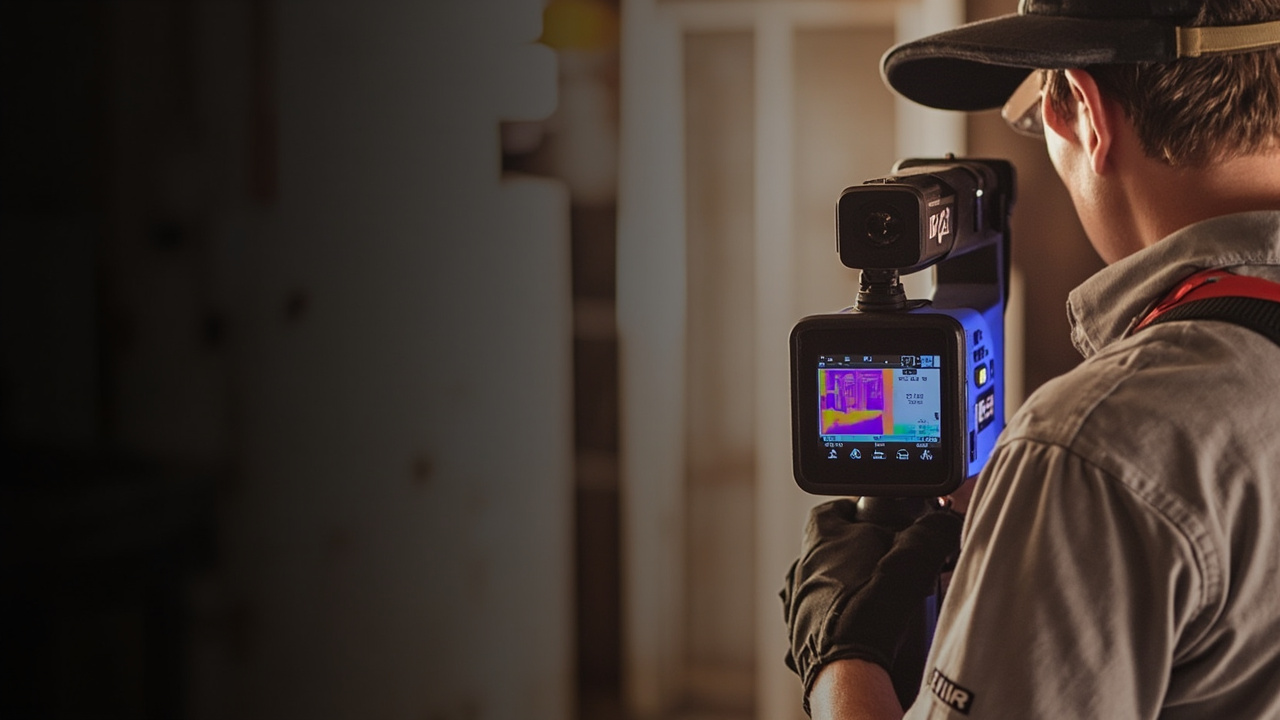
Accurate classification drives every decision in water damage restoration. We arrive with moisture detection equipment, infrared cameras, and sample collection tools. Visual inspection only tells part of the story. We test water sources, measure microbial activity, and track contamination pathways through your structure.

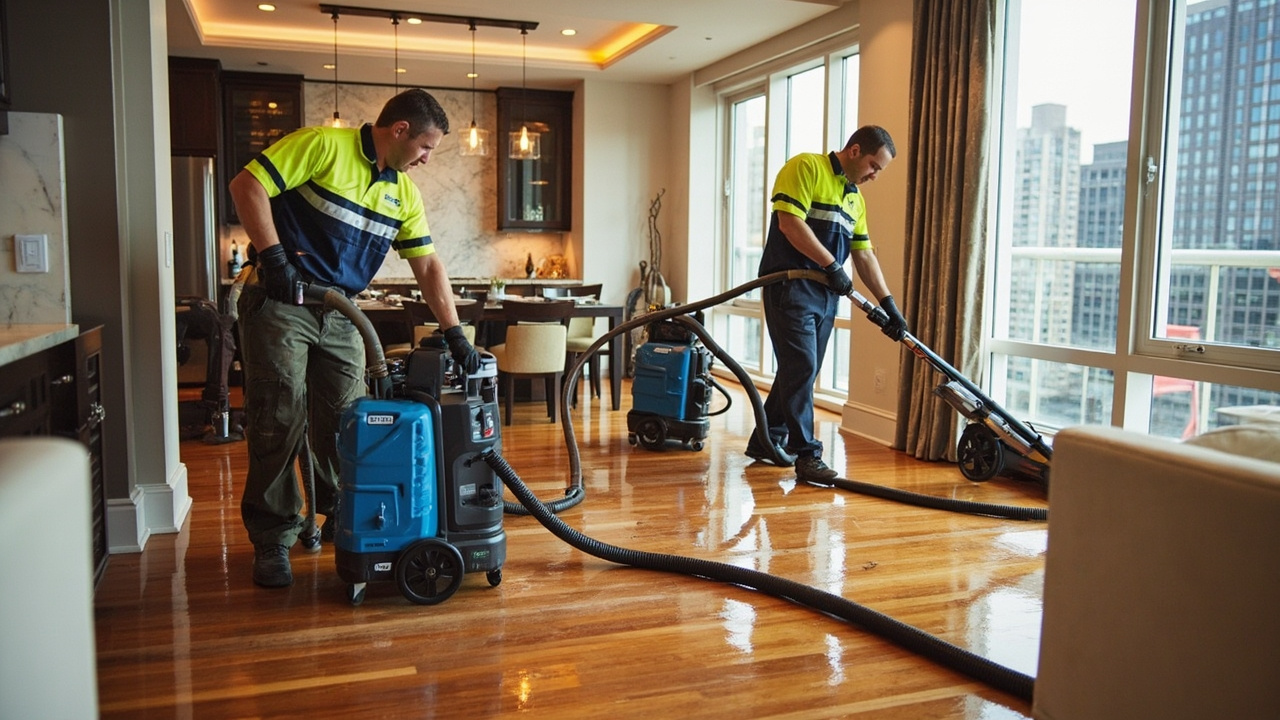
Category 1 events demand speed but allow for material salvage. We extract standing water, set up industrial dehumidifiers, and position air movers to create rapid drying conditions. Hardwood floors, drywall, and insulation can often be saved if we intervene within 24-48 hours. We monitor moisture levels in framing lumber and subflooring using pin-type and non-invasive meters until readings return to normal.

Category 2 water requires antimicrobial treatments. We remove porous materials like carpet padding and insulation that absorbed contaminated water. Non-porous surfaces receive specialized cleaning with EPA-registered disinfectants. Air scrubbers with HEPA filtration remove airborne contaminants during the drying process. We document moisture readings at multiple depths to verify complete drying before reconstruction.

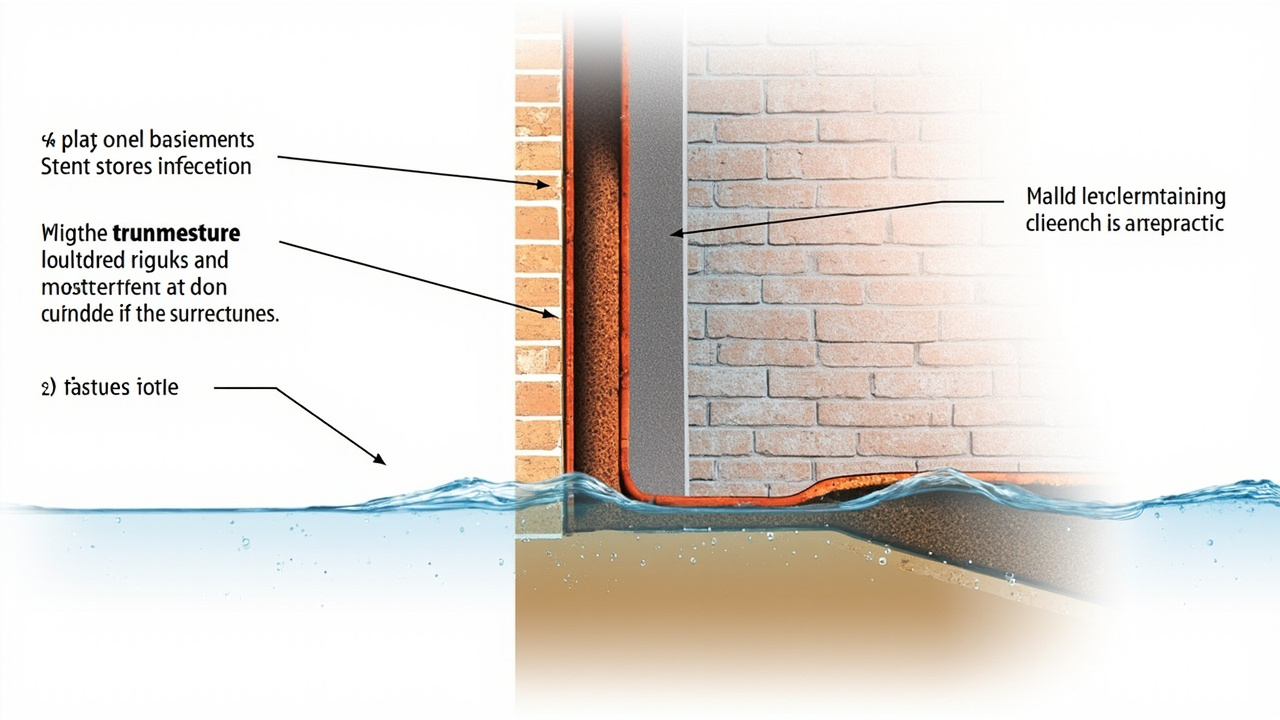
Category 3 water demands aggressive demolition. Drywall gets removed to a minimum of 12 inches above the waterline. Baseboards, carpet, and pad go immediately. We inspect wall cavities for wicking, where contaminated water travels vertically through capillary action in porous materials. Chicago's older brick buildings with plaster walls require special attention because plaster acts like a sponge, pulling sewage-contaminated water upward.

Our technicians maintain IICRC Water Damage Restoration certification, which requires understanding how water quality classifications interact with structural materials, building science, and microbial growth patterns specific to the Midwest climate.

What Happens During Water Category Assessment in Your Chicago Property

Categories of Water in Chicago – Understanding Contamination Levels to Protect Your Property and Health
01

Source Identification and Testing

We trace water to its origin point to establish initial classification. Supply line breaks, roof leaks, and appliance malfunctions typically indicate Category 1. We collect samples if the source is unclear or if cross-contamination is suspected. Chicago's aging infrastructure means we often find multiple water sources contributing to a single event, requiring individual classification of each pathway.
02

Material Impact Analysis

We map which building materials contacted which water categories. Hardwood flooring that absorbed Category 1 water receives different treatment than the same flooring exposed to Category 3. We check hidden areas like wall cavities and crawl spaces where contamination spreads unnoticed. Time elapsed since initial intrusion factors heavily because Category 1 water degrades to Category 2 within 48 hours in Chicago's humid conditions.
03

Protocol Selection and Documentation

Once we establish water quality classifications for all affected areas, we implement category-appropriate extraction, cleaning, and drying protocols. We document findings with photos, moisture readings, and written reports for your insurance carrier. This classification documentation determines coverage because Category 3 restoration costs significantly more than Category 1. We provide detailed scope-of-work documents that explain why specific materials require removal based on IICRC standards.

Why Accurate Water Classification Protects Chicago Property Owners

Misclassifying water contamination levels creates two equally damaging outcomes. Overclassification leads to unnecessary demolition and inflated costs. Underclassification leaves contaminated materials in place, creating health hazards and future liability.

Chicago property owners face specific risks that make accurate assessment critical. Multi-unit buildings share plumbing stacks, so your Category 1 water event might actually be Category 2 if a neighbor's washing machine discharged above your ceiling. Commercial properties in the Loop and River North often have complex HVAC condensate systems where clean water mixes with gray water from cooling towers.

Cornerstone Water Damage Restoration Chicago maintains relationships with industrial hygienists and environmental testing labs when classification disputes arise. Insurance adjusters sometimes challenge our category determinations to reduce claim payouts. We provide laboratory analysis, photographic evidence, and detailed source documentation to support our classifications.

Our technicians understand Chicago building code requirements for water-damaged structures. The city requires permits for substantial demolition work, and inspectors want to see proper handling of Category 3 materials before approving reconstruction. We coordinate with the Department of Buildings when necessary to keep your project compliant and moving forward.

Local expertise matters because water quality classifications interact with Chicago-specific factors. Combined sewer systems mean that basement backups often contain street runoff mixed with sewage. Lake effect weather patterns create rapid temperature swings that accelerate Category 1 degradation. Historic building materials like horsehair plaster and old-growth lumber require specialized drying techniques that preserve their integrity while achieving complete decontamination.

We have restored water damage in Chicago for years, giving us pattern recognition other providers lack. We know which neighborhoods experience frequent sewer backups, which building eras have problematic plumbing configurations, and which local contractors follow proper remediation protocols during reconstruction.

What to Expect During Category-Based Water Restoration

Response Time by Category

Category 1 events receive rapid response to prevent degradation to Category 2. We arrive within hours to begin extraction and drying. Category 2 and 3 events trigger immediate dispatch with full PPE and containment equipment. Chicago traffic patterns mean response times vary by neighborhood and time of day, but we position crews strategically across the metro area for optimal coverage. Emergency calls receive priority scheduling regardless of water category because all intrusions worsen with time. We operate 24/7 specifically because water damage does not wait for business hours.

Category Assessment Process

Initial phone consultation captures basic details about the water source and extent. On-site assessment takes 30-60 minutes depending on property size. We use thermal imaging to detect hidden moisture, moisture meters to quantify saturation levels, and visual inspection to identify contamination indicators. You receive a verbal explanation of our category determination and why it matters for your specific situation. Written documentation follows within 24 hours, including photos, moisture maps, and detailed scope of work. We explain which materials can be saved, which require removal, and why these decisions protect your health and property value.

The Restoration Outcome

Category 1 restorations return your property to pre-loss condition with minimal demolition. We save flooring, drywall, and contents when possible through rapid drying. Category 2 events require selective demolition of contaminated porous materials but preserve structural elements. Category 3 restoration involves aggressive removal of all contacted materials, antimicrobial treatment of remaining surfaces, and thorough decontamination before reconstruction begins. Final moisture readings confirm complete drying. Air quality testing verifies safe occupancy for Category 3 projects. You receive documentation proving proper remediation occurred, which matters for future property sales and liability protection.

Post-Restoration Monitoring

We provide moisture reading documentation that establishes baseline dry conditions. Follow-up inspections catch any slow-developing issues from hidden moisture pockets. Category 3 restorations include recommendations for preventing future contamination events, such as backwater valve installation or sump pump upgrades. Chicago properties with recurring issues receive customized maintenance plans addressing the root cause. We stay available for questions during reconstruction and insurance claim resolution. Our documentation supports your claim by proving which materials required replacement based on water quality classifications rather than adjuster opinions.

Frequently Asked Questions

You Have Questions,
We Have Answers

What are the 5 types of water? +

In water damage restoration, we focus on three contamination categories, not five types. Category 1 is clean water from supply lines or rainwater. Category 2 is gray water with contamination from appliances like dishwashers or washing machines. Category 3 is black water, grossly contaminated from sewage backups or flooding. In Chicago, the distinction matters because Lake Michigan storm surges and aging sewer systems can quickly escalate Category 1 events to Category 3, requiring specialized cleanup protocols. Understanding these categories helps you assess health risks and restoration costs when water invades your property.

What are the three categories of water? +

Water damage falls into three contamination categories. Category 1 is clean water from broken pipes or supply lines, posing minimal health risk. Category 2 is gray water from appliances, containing bacteria and chemicals. Category 3 is black water, heavily contaminated with pathogens from sewage or flooding. Chicago homeowners face all three categories due to our combined sewer system and seasonal flooding from Lake Michigan and the Chicago River. Category 1 water can degrade to Category 3 within 48 hours if untreated, making fast response critical for protecting your health and property value.

What is category 1, 2, and 3 water? +

Category 1 water is clean, originating from sanitary sources like water supply lines or rain. It poses minimal immediate health risk. Category 2 water contains contamination from appliances like washing machines or toilets without feces. It may cause discomfort or sickness if contacted. Category 3 water is grossly unsanitary, containing sewage, chemicals, or floodwater from rivers. It carries serious health risks including bacteria, viruses, and pathogens. In Chicago, our older infrastructure and combined sewer overflows mean Category 3 events occur frequently during heavy rains, requiring professional remediation with protective equipment and antimicrobial treatments.

What are the different types of water categories? +

Water damage professionals recognize three contamination categories. Category 1 is clean water from sanitary sources like supply lines. Category 2 is gray water with chemical or biological contamination from appliances or condensation. Category 3 is black water, grossly contaminated from sewage backups, flooding, or standing water. Chicago properties frequently experience Category 3 events due to our aging sewer infrastructure and proximity to Lake Michigan and the Chicago River. Each category requires different safety protocols, drying techniques, and disposal methods. Category 3 restoration demands full protective gear and specialized antimicrobial treatments to protect occupant health.

What are the 10 forms of water? +

The question likely confuses forms of water with contamination categories. Water exists in three physical forms: solid ice, liquid water, and water vapor. In restoration, we classify contamination into three categories, not ten forms. Category 1 is clean water. Category 2 is gray water with contaminants. Category 3 is black water with sewage or pathogens. Chicago residents should focus on these contamination categories when dealing with water damage. Understanding contamination levels helps you assess health risks and determine if you need professional restoration or can handle cleanup yourself with proper safety precautions.

What are the 8 types of water? +

There are no eight types of water in restoration terminology. The industry standard uses three contamination categories. Category 1 is clean water from sanitary sources like broken pipes. Category 2 is gray water from appliances or HVAC condensation. Category 3 is black water containing sewage or floodwater pathogens. In Chicago, basement flooding from combined sewer overflows typically qualifies as Category 3, requiring professional restoration. You may see references to different water sources like hard water or soft water, but for damage assessment, focus on the three contamination categories that determine health risks and cleanup protocols.

What are the different classifications of water? +

Water classifications for damage restoration use three contamination categories set by the Institute of Inspection, Cleaning and Restoration Certification. Category 1 is clean water from sanitary sources. Category 2 is gray water with chemical or biological contaminants. Category 3 is black water with gross contamination from sewage or flooding. Additionally, restoration professionals classify evaporation rates into four classes based on materials affected and moisture absorption. In Chicago, flood events involving the Chicago River or Lake Michigan typically create Category 3 situations requiring specialized equipment, antimicrobial treatments, and proper disposal of contaminated materials to protect public health.

What is category 3 water? +

Category 3 water is grossly contaminated water containing pathogens, bacteria, sewage, or chemicals that pose serious health risks. Sources include sewage backups, toilet overflows containing feces, flooding from rivers or lakes, and standing water where bacteria has multiplied. In Chicago, Category 3 events occur frequently from combined sewer overflows during heavy storms, basement backups, and Chicago River flooding. This water requires professional restoration with protective equipment, antimicrobial treatments, and proper disposal of affected materials. Never attempt Category 3 cleanup yourself. Exposure can cause serious illness, and contaminated materials must be handled following strict safety protocols.

What are the 4 categories of water use? +

The four categories of water use refer to municipal consumption, not restoration categories. They include residential use for drinking and sanitation, commercial use for businesses, industrial use for manufacturing, and irrigation for landscaping. For water damage restoration, we classify contamination into three categories: clean water, gray water, and black water. Chicago residents dealing with property damage should focus on contamination categories to assess health risks. If you experience flooding or leaks, identifying the source helps determine if you face clean supply line water or contaminated sewage requiring professional intervention with specialized equipment and antimicrobial protocols.

What are the four classes of water? +

Water damage uses four evaporation rate classes, not contamination categories. Class 1 affects minimal porous materials with slow evaporation. Class 2 affects entire rooms with fast evaporation rates. Class 3 involves water from overhead affecting walls and ceilings. Class 4 requires specialty drying for materials like hardwood or plaster. These classes work alongside three contamination categories to determine restoration protocols. Chicago properties often experience Class 3 or Class 4 damage from roof leaks during winter ice dams or burst pipes in our freezing winters. Higher classes require industrial dehumidifiers and longer drying times to prevent mold growth in our humid summers.

How Chicago Sewer Systems Complicate Water Category Classifications

Chicago operates one of the oldest combined sewer systems in the nation, mixing stormwater runoff with sanitary sewage. During heavy rain events, the system overwhelms capacity and backs up into basements through floor drains. What appears to be clean groundwater seepage often contains diluted sewage, automatically elevating classification to Category 3. Neighborhoods on the Northwest and Southwest sides experience the highest backup frequency. The Tunnel and Reservoir Plan has reduced but not eliminated these events. Understanding this infrastructure reality prevents property owners from underestimating contamination risks during spring storms and rapid snowmelt periods.

Local expertise with Chicago plumbing configurations matters because building codes changed multiple times over the city's 180-year history. Pre-1950s buildings often lack proper venting, creating cross-contamination pathways between clean water and sewer systems. The city requires licensed plumbers to install backwater valves and perform certain repairs, adding complexity to Category 3 restoration projects. We coordinate with licensed professionals who understand Chicago inspection requirements and can navigate the permit process efficiently. This local knowledge prevents project delays and ensures your restoration meets Department of Buildings standards for occupancy approval.
Water Damage Restoration Services in The Chicago Area

Cornerstone proudly serves the entire Chicago area with fast, dependable water damage restoration services. Whether you’re located in downtown, the suburbs, or surrounding neighborhoods, we’re ready to respond to your call—day or night. Use the map below to see our local service coverage and find our nearest team. With mobile units throughout the city, help is never far away. If you’re facing water damage, reach out now and let us show you why homeowners and businesses choose Cornerstone.

Address:
Cornerstone Water Damage Restoration Chicago, 171 N Aberdeen St, Chicago, IL, 60607

Additional Services We Offer

Our news updates

Latest Articles & News from The Blogs

High Humidity and Mold Growth in Chicago Summers What Homeowners Need to Know Your basement smells musty. Your bathroom mirror…

Why high humidity in the Chicago summer makes water damage worse in Calumet Heights

High Humidity and Mold Growth in Chicago Summers What Homeowners Need to Know Your basement smells musty. Your bathroom mirror…

Managing water damage restoration in the high-end luxury builds of the Near North Side

Luxury Home Water Damage Restoration in Chicago's Near North Side A burst pipe at 2 AM in your Gold Coast…

How we use thermal imaging to find hidden leaks in West Ridge homes

Expert Infrared Leak Detection in Chicago Homes and Businesses A hidden pipe leak can destroy your property long before you…

Contact Us

Water contamination levels determine restoration costs, health risks, and material salvage options. Call Cornerstone Water Damage Restoration Chicago at (872) 266-1616 for immediate assessment. We provide clear category classification, detailed documentation, and appropriate remediation protocols for your specific situation.