



menu

Carpet Water Extraction in Chicago – 24/7 Emergency Response Protects Your Home and Health

Expert carpet water removal teams serving every Chicago neighborhood, equipped with truck-mounted extraction systems and thermal imaging to eliminate standing water, prevent mold growth, and salvage your flooring before permanent damage sets in.

Slider Image 1
Slider Image 2
Slider Image 3
Slider Image 4
Slider Image 5
Slider Image 7
Slider Image 8
Slider Image 9
Slider Image 10
Slider Image 11

Why Flooded Carpets in Chicago Become a Health Hazard Within 48 Hours

Chicago's high water table and frequent spring flooding create the perfect storm for carpet water damage. When Lake Michigan weather systems dump rain across Cook County, basements in neighborhoods like Lincoln Park, Portage Park, and Beverly flood fast. Gravity pulls water into carpet padding, where it pools and breeds mold spores in under two days.

The real danger is not just the visible water. Chicago's combined sewer system backs up during heavy storms, sending contaminated water into homes. This black water contains bacteria, viruses, and chemical waste. Once it soaks into carpet fibers, you face serious health risks. Children playing on damp carpet absorb toxins through skin contact. Mold spores trigger asthma attacks and allergic reactions.

Wet carpet extraction must happen immediately. Every hour you wait, water spreads deeper into subfloors and drywall. Hardwood floors beneath carpeting warp and buckle. Carpet padding disintegrates into a spongy mess that holds moisture for weeks. Insurance companies deny claims when they see delayed response times because they know secondary damage is preventable.

Chicago homes built before 1950 lack vapor barriers in concrete slabs. Water wicks upward through the foundation, saturating carpet from below. You might not see standing water, but the padding stays soaked. This hidden moisture feeds mold colonies between the carpet and the floor. Emergency carpet water removal stops this cycle before it starts. Truck-mounted extractors pull thousands of gallons from carpeting in hours, not days.

Why Flooded Carpets in Chicago Become a Health Hazard Within 48 Hours
How Professional Flooded Carpet Extraction Works in Chicago Homes

How Professional Flooded Carpet Extraction Works in Chicago Homes

Water damage carpet extraction requires more than shop vacuums and fans. Cornerstone Water Damage Restoration Chicago uses portable extraction units that generate 500 PSI of suction pressure. These machines attach to wands that press into carpet fibers, pulling water from padding and backing materials. The process removes 95% of moisture in a single pass.

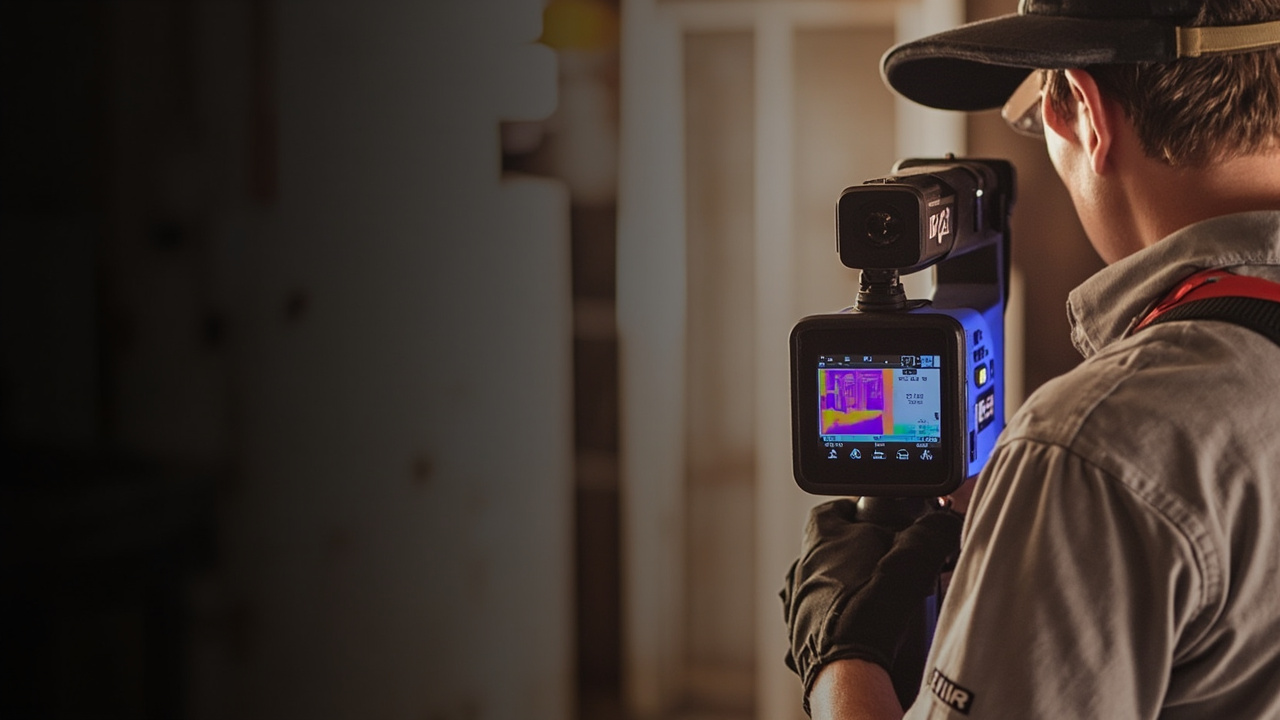
Before extraction begins, technicians use moisture meters to map water saturation levels. Infrared cameras detect wet spots hidden under furniture and in closets. This data tells us whether to extract and dry or remove and replace the carpet entirely. Chicago's clay soil foundation shifts cause cracks in basement floors. Water seeps through these fissures and saturates padding unevenly. We chart these patterns to target extraction efforts where they matter most.

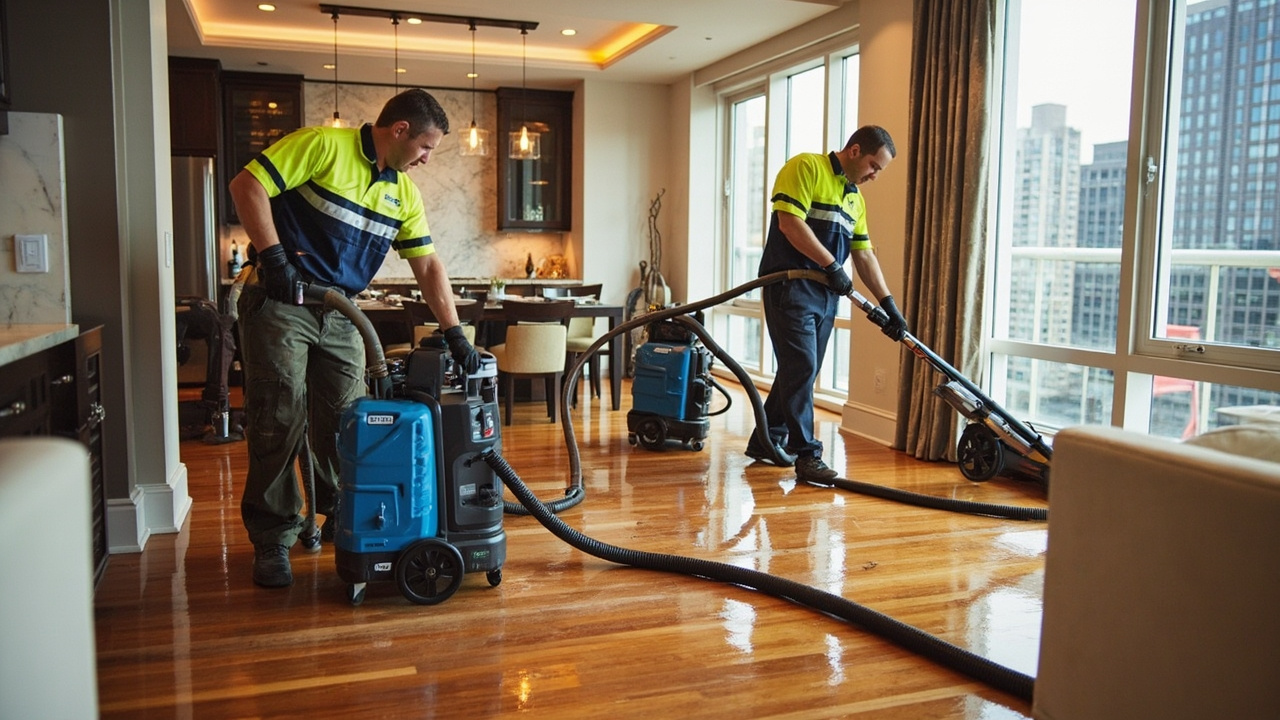
Truck-mounted systems process water through heated chambers, killing bacteria and neutralizing odors. The vacuum hose extends 200 feet, reaching every room without dragging equipment through your home. After extraction, air movers create circulation patterns that drive moisture toward commercial dehumidifiers. These units pull 150 pints of water per day from the air, accelerating evaporation from carpet fibers.

Wet carpet extraction also requires antimicrobial treatment. Chicago floodwater carries E. coli, salmonella, and parasites from aging sewer lines. We apply EPA-registered disinfectants that kill pathogens on contact. This step is not optional for black water contamination. The chemical treatment soaks into backing materials where bacteria hide. Without it, your carpet remains a biohazard even after drying.

What Happens During Emergency Carpet Water Removal

Carpet Water Extraction in Chicago – 24/7 Emergency Response Protects Your Home and Health
01

Immediate Water Extraction

Technicians arrive within 60 minutes of your call. We move furniture to access carpet edges and use weighted extraction tools to compress padding while vacuuming. Truck-mounted pumps remove standing water first, then extract moisture trapped in fibers. You see results immediately as carpets lighten in color and padding firms up.
02

Moisture Detection and Mapping

Thermal imaging cameras scan walls and subfloors to track water migration. Moisture meters measure saturation in padding and tack strips. This data determines whether carpet can be saved or requires replacement. Chicago's high humidity slows drying, so accurate readings prevent guesswork. We document findings for your insurance adjuster.
03

Drying and Sanitization

Industrial air movers and dehumidifiers run for 48 to 72 hours. We position equipment to create airflow patterns that target damp areas. Antimicrobial treatments kill bacteria and prevent mold growth. Final moisture readings confirm the carpet and subfloor are dry. You receive a completion report showing all readings dropped below industry thresholds.

Why Chicago Homeowners Choose Local Carpet Water Removal Experts

Chicago's building codes require water damage restoration companies to follow IICRC S500 standards. Cornerstone Water Damage Restoration Chicago trains technicians in these protocols. We know how Chicago's mixed-use buildings complicate water extraction. Condo units share plumbing stacks, so a burst pipe on the third floor floods carpets on the second. Our teams coordinate with property managers to access shut-off valves and prevent cascading damage.

Local knowledge matters when dealing with Chicago's weather patterns. We track storm forecasts and pre-position equipment in flood-prone neighborhoods like Bridgeport and Albany Park. When heavy rain hits, we deploy crews before the water stops rising. This proactive approach saves carpets that would otherwise require replacement.

Chicago homeowners trust us because we work directly with insurance companies. We document every step using photo logs and moisture readings. Adjusters approve our estimates because they recognize our adherence to industry standards. You do not pay out of pocket while waiting for claim approval. We handle the paperwork and negotiate directly with your carrier.

Experience with Chicago's housing stock gives us an edge. We understand how bungalows with crawl spaces trap moisture differently than high-rises with concrete slabs. Victorian homes in Ravenswood have original hardwood under carpeting, requiring gentle extraction to avoid floor damage. Mid-century ranch homes in Jefferson Park have asbestos tile beneath padding, demanding containment protocols during removal. This expertise prevents costly mistakes that generic restoration companies make.

What to Expect During Professional Carpet Water Extraction

Response Time and Availability

Emergency carpet water removal teams dispatch within 60 minutes, 24 hours a day. We operate throughout Cook County, including weekends and holidays. Most residential extractions begin within two hours of your initial call. Commercial properties receive priority scheduling to minimize business interruption. Our trucks carry enough equipment to handle 5,000 square feet of flooded carpet without restocking supplies. You receive a confirmed arrival time when you call, and technicians text updates if traffic delays occur.

Initial Assessment Process

Technicians evaluate water source, contamination level, and structural damage before starting extraction. Moisture meters test padding, subfloors, and wall cavities. We classify water as clean, gray, or black based on contamination. This determines whether carpet can be saved or requires disposal. You receive a written scope of work explaining all recommended services. We photograph damage for insurance documentation and explain cost factors based on square footage and water category. The assessment takes 20 to 30 minutes.

Extraction Results and Outcomes

Proper flooded carpet extraction removes 95% of water in the first pass. Carpets feel damp but not saturated. Padding compresses but rebounds as air movers dry fibers. Color returns to normal as moisture evaporates. Musty odors disappear within 24 hours of antimicrobial treatment. Final moisture readings confirm all materials are dry and safe. Most carpets return to pre-loss condition within three days. Heavily soiled or contaminated carpet may require replacement even after successful extraction. We provide clear recommendations based on industry guidelines.

Post-Extraction Monitoring and Follow-Up

We schedule follow-up visits to verify carpets remain dry and mold-free. Moisture meters confirm readings stay below 12%, the threshold for microbial growth. If humidity rises, we return to adjust equipment or extend drying time at no extra charge. You receive a certificate of completion documenting all final moisture readings. This satisfies insurance requirements and protects your claim. We also provide recommendations for preventing future water damage, such as sump pump maintenance or foundation waterproofing.

Frequently Asked Questions

You Have Questions,
We Have Answers

How to extract water from carpet? +

Start by removing standing water with a wet vacuum or shop vac. Work in overlapping passes to pull water from carpet fibers and padding. For severe flooding in Chicago homes, professional extraction uses truck-mounted systems that pull moisture deep from padding and subfloors. Move furniture and pull back carpet edges to dry the pad underneath. Air movers and dehumidifiers speed drying, which matters in Chicago's humid summers. If water sat longer than 24 hours, pad replacement is often necessary. Sewage backups or contaminated water require professional sanitization to protect your family from bacteria and pathogens.

How much does it cost to get water out of carpet? +

Professional carpet water extraction in Chicago typically ranges based on square footage, water category, and damage severity. Clean water from supply line breaks costs less than sewage contamination. Pad replacement adds to the total. Most companies charge per room or by square footage. Emergency service calls may include after-hours fees. Many Chicago homeowners use insurance to cover extraction costs after basement floods or pipe bursts. Get multiple quotes and verify the company addresses hidden moisture in subfloors and walls. Cheap extraction that misses moisture leads to mold growth, which costs far more to remediate later.

What's the difference between a carpet cleaner and a carpet extractor? +

A carpet cleaner uses hot water and detergent to remove dirt and stains during routine cleaning. A carpet extractor removes large volumes of water after flooding or water damage. Extraction equipment uses powerful suction to pull gallons of standing water from carpet fibers and padding. Professional extractors use truck-mounted systems with higher suction power than portable cleaners. After Chicago basement floods or burst pipes, you need extraction first to remove bulk water, then structural drying with air movers and dehumidifiers. Cleaning comes later, after the carpet and subfloor are fully dry and sanitized.

How long can carpet be wet before mold? +

Mold can begin growing in wet carpet within 24 to 48 hours, especially in Chicago's humid climate. The countdown starts the moment water saturates carpet fibers and padding. Warm temperatures and organic materials in carpet backing create ideal mold conditions. If water came from sewage or outdoor flooding, bacteria growth accelerates even faster. You need professional extraction and drying within the first 24 hours to prevent mold colonization. Once mold establishes in padding or subfloors, removal requires tearing out materials. Quick action saves your carpet and protects indoor air quality for your family.

How long does it take carpet to dry after flooding? +

Carpet drying after flooding takes 24 to 72 hours with professional equipment, depending on water volume, humidity levels, and airflow. Chicago's summer humidity can extend drying times without proper dehumidification. Professionals use air movers to circulate air across carpet surfaces and dehumidifiers to pull moisture from the air. Padding takes longer to dry than carpet fibers and often requires replacement after major floods. Subfloors need drying too. Turning on your furnace or AC helps control indoor humidity. Walking on damp carpet or replacing furniture too soon traps moisture and encourages mold growth underneath.

Does Stanley Steemer do water extraction? +

Stanley Steemer primarily focuses on carpet cleaning, not emergency water damage restoration. They may offer some water extraction services, but water damage companies specialize in structural drying, moisture detection, and mold prevention after flooding. Chicago homeowners dealing with burst pipes, sewer backups, or basement floods need certified water damage professionals with truck-mounted extraction equipment, thermal imaging cameras, and commercial dehumidifiers. Emergency water damage requires immediate response, documentation for insurance claims, and comprehensive drying of hidden moisture in walls and subfloors. Choose a company that specializes in water damage restoration, not just carpet cleaning.

How Chicago's Combined Sewer System Turns Flooded Carpets into Biohazards

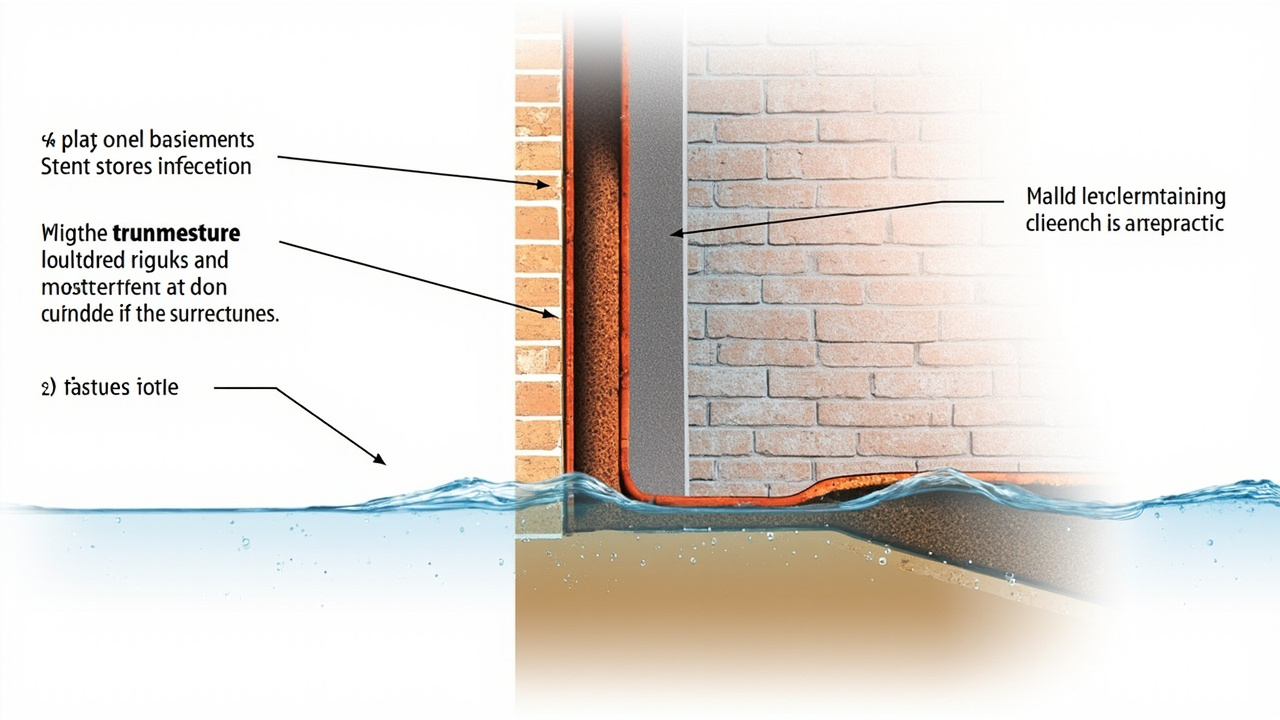
Chicago's aging sewer infrastructure combines stormwater and sanitary waste in the same pipes. During heavy rain, the system overflows and backs up into basements through floor drains. This black water contains raw sewage, industrial chemicals, and street runoff. When it saturates carpet, you face category 3 contamination that requires immediate extraction and sanitization. Neighborhoods near the Chicago River, like Bucktown and Logan Square, experience frequent backups during spring storms. Water damage carpet extraction must include antimicrobial treatment and padding replacement to eliminate health risks.

Chicago building codes mandate specific protocols for water damage restoration in multi-unit buildings. Cornerstone Water Damage Restoration Chicago follows these regulations when working in condos and apartment complexes. We coordinate with building engineers to shut off water sources and access mechanical rooms. Our technicians understand Chicago's permit requirements for structural drying in historic districts. This local expertise ensures compliance and prevents delays that extend damage. Choosing a Chicago-based company means faster response times and knowledge of neighborhood-specific flooding patterns.
Water Damage Restoration Services in The Chicago Area

Cornerstone proudly serves the entire Chicago area with fast, dependable water damage restoration services. Whether you’re located in downtown, the suburbs, or surrounding neighborhoods, we’re ready to respond to your call—day or night. Use the map below to see our local service coverage and find our nearest team. With mobile units throughout the city, help is never far away. If you’re facing water damage, reach out now and let us show you why homeowners and businesses choose Cornerstone.

Address:
Cornerstone Water Damage Restoration Chicago, 171 N Aberdeen St, Chicago, IL, 60607

Additional Services We Offer

Our news updates

Latest Articles & News from The Blogs

High Humidity and Mold Growth in Chicago Summers What Homeowners Need to Know Your basement smells musty. Your bathroom mirror…

Why high humidity in the Chicago summer makes water damage worse in Calumet Heights

High Humidity and Mold Growth in Chicago Summers What Homeowners Need to Know Your basement smells musty. Your bathroom mirror…

Managing water damage restoration in the high-end luxury builds of the Near North Side

Luxury Home Water Damage Restoration in Chicago's Near North Side A burst pipe at 2 AM in your Gold Coast…

How we use thermal imaging to find hidden leaks in West Ridge homes

Expert Infrared Leak Detection in Chicago Homes and Businesses A hidden pipe leak can destroy your property long before you…

Contact Us

Every minute counts when water soaks into carpet. Call (872) 266-1616 for immediate dispatch. Our trucks are loaded and ready to extract water from your home 24/7. You get a confirmed arrival time and a clear action plan to save your flooring.